




Gasdank Magazine
CBD, CBG, and CBN Explained: 3 Cannabinoids You Need to Know
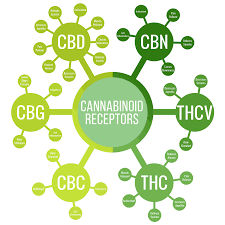
Look, I get it—walking into the world of cannabis products can feel overwhelming when you’re staring at labels with CBD, CBG, and CBN plastered everywhere. Which one do you actually need? These three cannabinoids—cannabidiol (CBD), cannabigerol (CBG), and cannabinol (CBN)—each work differently with your body’s endocannabinoid system, and honestly, that’s a good thing. While CBD has been hogging the spotlight, CBG and CBN are stepping up as game-changers for specific things like staying sharp during the day or finally getting some decent sleep. The cannabis plant cranks out over 100 cannabinoids, but these three? They’re the ones you can actually use without worrying about getting high or breaking any laws. At Gasdank Cannabis, I’ve watched countless customers find their sweet spot with the right cannabinoid combo. Whether stress is eating you alive, you’re tired of tossing and turning all night, or you just want mental clarity without feeling foggy, understanding the real differences between CBD vs CBG vs CBN will save you time, money, and frustration.
What Are CBD, CBG, and CBN Cannabinoids?
Here’s the fascinating part—the cannabis plant is basically a chemistry lab. It starts by producing cannabigerolic acid (CBGA), which is like the mother ingredient that eventually becomes everything else. As the plant grows and soaks up sunshine and heat, CBGA transforms into different cannabinoids through natural reactions. CBD and CBG pop up directly from this process, while CBN shows up fashionably late when THC starts breaking down over time.
Now, your body has this incredible system called the endocannabinoid system (ECS), and most people have no idea it exists. Think of your ECS as your body’s internal manager—it’s constantly working behind the scenes to keep things balanced, handling pain signals, mood regulation, sleep cycles, and even how your immune system responds to threats. This system has CB1 receptors hanging out mostly in your brain and nervous system, plus CB2 receptors chilling in your organs and immune cells. Each cannabinoid taps into these receptors differently, which is why CBD feels totally different from CBG or CBN.
The cool thing? Thanks to the 2018 Farm Bill, hemp-derived cannabinoids with less than 0.3% THC became federally legal. That means you can access CBD, CBG, and CBN without needing a medical card or living in a recreational state. Unlike tetrahydrocannabinol (THC)—the stuff that gets you stoned—these cannabinoids won’t mess with your head. You can take them before work, before driving, or anytime you need to function like a normal human being.
CBD (Cannabidiol): The Reliable All-Rounder
Let’s talk about the rockstar of the cannabinoid world. Cannabidiol makes up about 15-20% of hemp plants, which is why it’s so easy to find and generally more affordable than its cousins. Back in 1940, Dr. Roger Adams at the University of Illinois discovered CBD, and since then, it’s become the most studied cannabinoid on the planet. We’re talking thousands of research papers and even FDA approval for specific medical uses.
Here’s what makes CBD different from everything else: it doesn’t actually latch onto your CB1 or CB2 receptors. Instead, it works more like a behind-the-scenes manager, preventing your body from breaking down its own natural feel-good chemicals like anandamide. That’s why CBD gives you benefits without making you feel high—it’s enhancing what your body already does naturally instead of overwhelming your system.
The FDA actually approved a CBD drug called Epidiolex for treating severe childhood epilepsy—Dravet syndrome and Lennox-Gastaut syndrome. That’s huge because it means CBD passed the same rigorous testing as any pharmaceutical medication. This isn’t just wellness hype; there’s real science backing it up.
What CBD actually helps with:
I’ve lost count of how many customers come back telling me CBD changed their relationship with daily stress. Research in Neuropsychopharmacology backs this up—CBD shows real promise for anxiety disorders like social anxiety, panic attacks, and that constant low-grade worry that just won’t shut up. It’s not a magic pill, but for a lot of people, it takes the edge off without making them feel zonked out.
For aches and pains, CBD works on multiple levels. It hits your vanilloid receptors and calms down inflammatory pathways in your body. Whether you’re dealing with arthritis, chronic pain, or just overdid it at the gym, CBD can help you feel more comfortable. I see a ton of athletes using CBD for recovery, and honestly, it makes sense.
CBD also helps with sleep, especially if anxiety is what’s keeping you up. It won’t knock you out like a sleeping pill, but it can quiet your racing mind enough to let sleep happen naturally. Plus, it’s showing promise for skin issues like acne and eczema thanks to those anti-inflammatory effects, and there’s even research suggesting it might help with addiction recovery by reducing cravings.
You’ll find CBD everywhere—oils, tinctures, capsules, gummies, face creams, you name it. At Gasdank Cannabis, our full-spectrum CBD products fly off the shelves because they include other beneficial cannabinoids and terpenes. That’s the entourage effect in action—everything works better together than alone.
CBG (Cannabigerol): The Mother Cannabinoid for Focus
CBG earned its “mother of all cannabinoids” nickname for a legit reason—CBGA is literally the parent molecule that becomes CBD, THC, and pretty much every other major cannabinoid. But here’s the catch: most cannabis strains have less than 1% CBG because it converts into other stuff as the plant grows. That makes CBG harder to extract and, yeah, more expensive. But trust me, a lot of people think it’s worth every penny.
Two scientists, Yehiel Gaoni and Raphael Mechoulam, discovered CBG back in 1964 while messing around with hashish. Unlike CBD’s hands-off approach, CBG actually binds directly to both CB1 and CB2 receptors—though not super strongly. This direct connection creates noticeably different vibes. Where CBD tends to mellow you out, CBG wakes you up mentally. People describe it as getting clarity and energy without the jitters you’d get from coffee.
CBG also blocks GABA reuptake in your brain. Without getting too nerdy about it, that means it can reduce anxiety while keeping you alert and functional. It’s like getting the calm without the drowsy.
What CBG actually helps with:
This is where CBG shines—mental clarity and focus. I’ve had so many customers tell me CBG is their secret weapon for getting stuff done. Whether you’re working on a deadline, studying, or just need to be “on” during the day, CBG helps you dial in without feeling wired. It’s become my personal favorite for morning use.
The British Journal of Pharmacology published research showing CBG’s anti-inflammatory game is strong—potentially even better than CBD for gut issues like inflammatory bowel disease. If you’re dealing with Crohn’s disease, ulcerative colitis, or just a generally angry digestive system, CBG is worth checking out.
Studies also suggest CBG might help with glaucoma by reducing eye pressure, and there’s promising research on neuroprotection for conditions like Huntington’s disease. Plus, CBG shows serious antibacterial properties—researchers found it works against MRSA and other drug-resistant bacteria, according to the Journal of Natural Products.
Here’s a pro tip from my years at Gasdank Cannabis: try mixing CBD and CBG in a 1:1 ratio. You get CBD’s calming balance plus CBG’s sharp focus. It’s like being relaxed and productive at the same time, which sounds impossible but actually works. Your morning routine will thank you.
CBN (Cannabinol): The Sleep Cannabinoid That Actually Works
Here’s a fun fact—CBN was actually the first cannabinoid scientists ever found, discovered way back in 1896 by a British chemist named Robert Sidney Cohn. Despite being discovered first, it got completely overshadowed by CBD and THC until recently. Now it’s having its moment, and honestly, it deserves it.
CBN doesn’t show up in fresh cannabis plants. Instead, it forms when THC breaks down from sitting in light, heat, or just aging over time. That’s why old weed feels more sleepy—the THC has turned into CBN. Fresh cannabis barely has any CBN, but let it sit around for a while and those levels climb. Most CBN you’ll find these days is made in a lab through controlled conversion of CBD or THC, which means consistent quality.
Chemically, CBN looks a lot more like THC than CBD. That’s why it has mild psychoactive effects—about 25% as strong as THC, according to research. CBN does bind to your CB1 receptors (the brain ones), but not nearly as well as THC does. So instead of getting you high, it just makes you feel relaxed and kinda heavy in a good way.
What CBN actually helps with:
Let’s be real about the sleep thing. CBN’s reputation as a sleep aid is huge, but the research is still catching up to the hype. A study in Frontiers in Pharmacology found that CBN combined with other cannabinoids helped adults with insomnia, but Dr. Ethan Russo (a major cannabis researcher) points out that the sleepy feeling from old weed might be more about terpene changes than just CBN. That said? I’ve seen too many customers swear by CBN for sleep to dismiss it.
People tell me CBN helps them fall asleep faster, stay asleep through the night, and actually wake up feeling rested instead of groggy. It seems to work best when you pair it with CBD or just a touch of THC. The combo hits different than taking any of them alone.
Research also suggests CBN can help with pain, especially muscle pain like fibromyalgia. Studies show that CBN plus CBD together significantly dial down pain through muscle relaxation and analgesic pathways. If you’re dealing with chronic muscle tension that keeps you up at night, this combo might be your answer.
Here’s something wild—early research indicates CBN might help build bone tissue and could even reverse bone loss from osteoporosis. It apparently activates stem cells that make new bone cells. We need more studies, but that’s pretty promising stuff.
CBN also stimulates appetite (unlike CBD, which doesn’t really), shows antibacterial properties, and has anti-inflammatory effects like its cannabinoid cousins. But let’s be honest—most people are reaching for CBN because they’re exhausted and need sleep.
CBD vs CBG vs CBN: Which One’s Actually Right for You?
Alright, let’s cut through the confusion and talk about when you’d actually reach for each of these.
Go with CBD for everyday wellness: If you’re managing daily stress, dealing with general aches, or just want something that keeps you balanced throughout the day, CBD is your best friend. It’s been researched the most, has the longest safety track record, and works for pretty much anyone. If you’re brand new to cannabinoids or you need something reliable that won’t surprise you, start here.
Grab CBG when you need to focus: Need to crush a work project? Studying for an exam? Just trying to get through your day with a clear head? CBG is your go-to. It won’t make you drowsy like CBD sometimes can, and it definitely won’t make you sleepy like CBN. People who complain that CBD makes them too relaxed usually love CBG. It’s basically productivity in a bottle.
Take CBN when it’s time to sleep: When you’re done for the day and need to actually wind down, CBN is your move. Take it about 30-60 minutes before bed. Because it can make you feel sedated, don’t take it before driving, working, or doing anything that requires you to be alert. This is strictly evening-only territory.
Mix them for maximum benefits: Here’s what most people don’t realize—you don’t have to pick just one. The entourage effect means cannabinoids work way better together. At Gasdank Cannabis, I’ve seen people get incredible results by using CBD + CBG during the day for that perfect balance of calm and focused, then switching to CBD + CBN at night for actual quality sleep. Full-spectrum products with all three? Even better.
Research keeps showing that cannabinoids are stronger together than they are solo. When you add in terpenes and flavonoids from the whole plant, you’re getting this synergy that just hits different. It’s like the difference between taking individual vitamins versus eating actual nutritious food—the whole is greater than the sum of its parts.
Understanding Full-Spectrum, Broad-Spectrum, and Isolate Products
Product labels throw around these terms like everyone knows what they mean, but let’s actually break it down in plain English because it matters for what you’re getting.
CBD isolate is pure cannabidiol—like 99%+ pure with everything else stripped out. No other cannabinoids, no terpenes, just straight CBD. It’s super predictable and totally THC-free, which is clutch if you’re worried about drug tests or you’re really sensitive to other cannabis compounds. The downside? You miss out on the entourage effect, so it might not work as well as products with multiple cannabinoids.
Full-spectrum products are the whole shebang. You get CBD plus all the other good stuff the hemp plant naturally makes—CBG, CBN, CBC, trace amounts of THC (under 0.3%, so not enough to get you high), terpenes, flavonoids, the works. These products usually test around 75-90% CBD. The tiny bit of THC won’t make you feel stoned, but heads up—if you’re using a lot regularly, it might show up on a super sensitive drug test.
Broad-spectrum is the middle ground. It’s basically full-spectrum minus the THC. You still get multiple cannabinoids and terpenes working together for that entourage effect, but with zero THC. Perfect if you need to pass drug screenings but still want the benefits of multiple cannabinoids playing together.
At Gasdank Cannabis, we push full-spectrum or broad-spectrum whenever possible because honestly, they just work better. The whole plant synergy is real. But quality is everything—you need third-party lab testing (those Certificates of Analysis), hemp grown in the U.S., clean extraction methods like CO2 processing, and clear labels showing exactly how much of each cannabinoid you’re getting per dose. If a company can’t provide that, walk away.
How to Use CBD, CBG, and CBN Without Screwing It Up
The golden rule with all cannabinoids: start low and go slow. Your body’s unique, and what knocks out your friend might barely touch you, or vice versa.
For CBD: Start with 10-25mg per day and give it at least a week or two before deciding if it’s working. Some people feel amazing on just 5mg, while others need 50mg or more. There’s no “right” dose—just what works for your body. Be patient with it.
For CBG: Begin with 5-15mg, and take it in the morning or early afternoon. Because CBG can perk you up mentally, taking it before bed might backfire and keep you wired. Think of it as your morning coffee replacement, but without the jitters or afternoon crash.
For CBN: Start tiny—like 2.5-5mg—and take it 30-60 minutes before you want to be asleep. Because it can make you drowsy, don’t take CBN and then decide to drive to the store or operate heavy machinery. Save it for when you’re done for the day and ready to wind down.
How you take it matters: Tinctures work fastest when you hold them under your tongue for 30-60 seconds before swallowing—you’ll feel effects in 15-45 minutes and they last about 4-6 hours. Capsules and edibles take longer to kick in (45-90 minutes) but last longer too, up to 6-8 hours. Topical creams won’t get into your bloodstream but work great for targeting specific sore spots.
Safety stuff you should know: CBD, CBG, and CBN are generally super safe for most people. CBD’s main side effects are feeling drowsy, getting dry mouth, or maybe some changes in appetite. CBG has barely any reported side effects, which is great. CBN’s main thing is making you sleepy, which is the whole point, but don’t underestimate it.
Here’s the important part—if you’re taking prescription medications, especially blood thinners, talk to your doctor before adding cannabinoids. CBD especially can interact with drugs that use the same liver enzymes to break down. Also, if you’re pregnant or breastfeeding, play it safe and skip cannabinoids entirely. We just don’t have enough research on safety during pregnancy yet.
CBD, CBG, and CBN: Finding Your Perfect Match
Look, understanding CBD, CBG, and CBN doesn’t have to be complicated. CBD is your reliable everyday companion for stress, pain, and general balance—it’s been researched the most and works great for most people. CBG brings that sharp, focused energy you need during the day without making you feel foggy or tired. CBN is your ticket to actually sleeping through the night with its gentle sedative vibe that doesn’t leave you groggy.
The real magic happens when you stop thinking of these as separate things and start seeing them as a team. The entourage effect is legit—these cannabinoids play better together than they do solo. Mix them up throughout your day based on what you need: CBD and CBG for daytime productivity, CBD and CBN for nighttime recovery. Or go for full-spectrum products that give you everything at once.
Here’s the thing—everyone’s endocannabinoid system is wired differently. What works amazingly for your coworker might not be your perfect dose, and that’s totally normal. Give yourself permission to experiment a little. Try different cannabinoids, different doses, different times of day. Pay attention to how your body responds. There’s no one-size-fits-all answer here.
At Gasdank Cannabis, we’re obsessed with quality. Every product we carry gets third-party lab tested because we don’t mess around with purity and potency. We work directly with growers and manufacturers who actually give a damn about creating clean, effective products. And our team? We genuinely want to help you find what works, not just sell you whatever’s most expensive.
Ready to stop guessing and start feeling better? Come by Gasdank Cannabis and let’s figure out your perfect cannabinoid setup. Whether you’re brand new to this whole world or you’re looking to dial in your routine, we’ve got the products, the knowledge, and the experience to point you in the right direction. Your body has been waiting for you to discover your endocannabinoid system—let’s put it to work.
