




Gasdank Magazine
CBD vs THC: What Is the Difference Between These Cannabis Compounds?
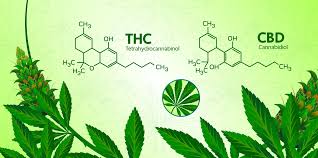
So you’re standing in front of shelves full of cannabis products, and you keep seeing CBD vs THC everywhere. What’s the actual difference, and why does it matter so much?
Here’s the thing: these two cannabinoids from the cannabis plant couldn’t be more different in how they make you feel. THC is what gets you high—that classic marijuana buzz you’ve heard about. CBD, on the other hand? No high at all. You can take it before work, before a meeting, whenever. That’s the difference between CBD and THC in a nutshell, but there’s obviously more to it.
We get it, walking into Gasdank Cannabis for the first time can feel overwhelming. You’ve got questions about what works for pain, what helps with anxiety, what’s actually legal, and whether you’ll pass that drug test next week. All totally valid concerns, and we’re here to break it down in plain English.
Whether you’re looking for something to help you sleep, manage chronic pain, or just relax on the weekend, understanding THC vs CBD is your starting point. Let’s talk about what each one does, how they work in your body, and most importantly—which one’s right for you.
Understanding CBD and THC: Chemical Structure and Origins
Look, we could dive deep into molecular formulas and atomic structures, but here’s what actually matters: CBD and THC are basically siblings. They’re made from the same ingredients (21 carbon atoms, 30 hydrogen atoms, 2 oxygen atoms), but they’re arranged differently. Think of it like having the same LEGO pieces but building two completely different things.
Where THC comes from: THC grows in marijuana plants—basically any cannabis plant with more than 0.3% THC. It’s concentrated in those sticky, resinous buds you’ve probably seen. And today’s weed? Way stronger than your parents’ generation. We’re talking 15-30% THC on average now, compared to around 4% back in the ’90s.
Where CBD comes from: CBD mostly comes from hemp plants, which are just cannabis plants that naturally have barely any THC (under 0.3%). Hemp produces tons of CBD in its flowers and leaves, which is why it’s the go-to source for all those CBD oils and gummies you see everywhere.
Here’s something cool: the cannabis plant actually makes over 140 different cannabinoids. But THC and CBD are the rock stars—they’re what researchers study most and what you’ll find in basically every product.
How this stuff works in your body: You’ve got this system called the endocannabinoid system (fancy name, but stick with us). It has receptors throughout your body—CB1 receptors in your brain and CB2 receptors mainly in your immune system. THC plugs right into those CB1 brain receptors like a key in a lock, which is why it makes you feel high. CBD doesn’t really do that. Instead, it influences your body’s natural chemicals like serotonin and dopamine more indirectly.
That’s why one gets you stoned and the other doesn’t—and it’s probably the most important thing to know when you’re shopping at Gasdank Cannabis.
The Psychoactive Difference: CBD vs THC Effects on Your Mind
Okay, let’s get real about the elephant in the room: the difference between CBD and THC basically comes down to whether you’re gonna feel high or not.
THC gets you high. Period. When you smoke or eat something with THC, it latches onto receptors in your brain and floods your system with dopamine. That’s what creates the whole marijuana experience:
- Feeling euphoric and relaxed (or sometimes giggly)
- Time moves weird—five minutes feels like an hour
- Colors look brighter, music sounds better
- You suddenly need to raid the entire kitchen
- Sometimes you get anxious or paranoid (especially if you take too much)
- Your short-term memory takes a vacation
- Coordination gets a bit wobbly
How hard THC hits you depends on a bunch of stuff—how much you take, how you take it, and your personal tolerance. Regular flower might have 15-25% THC, but concentrates? We’re talking 70-90%. That’s a whole different ball game.
CBD won’t get you high. At all. Sure, it’s technically “psychoactive” because it affects your brain chemistry, but not in the way THC does. You won’t feel impaired, stoned, or out of it. You can take CBD and then:
- Go to work normally
- Drive safely
- Think clearly
- Pass a sobriety test
- Function like your regular self
This is exactly why a lot of our customers at Gasdank Cannabis prefer CBD over THC. They want the potential health benefits without having to cancel their afternoon plans.
One heads up though: Some CBD products have tiny amounts of THC in them (up to 0.3% in full-spectrum stuff). That’s not enough to make you high, but if you’re super sensitive or you’ve got a drug test coming up, stick with CBD isolate products that have absolutely zero THC.
Bottom line: want to feel something? Go with THC. Want to stay clearheaded? CBD’s your friend.
Medical Benefits: Therapeutic Uses of CBD and THC
Alright, let’s talk about what this stuff can actually do for you health-wise. Both have potential benefits, but they work differently and help with different things.
What the FDA actually approves: There’s only one CBD medication that’s officially FDA-approved—Epidiolex. It treats two really rare forms of epilepsy in kids. That’s it. Everything else is still being studied, though people use CBD for all sorts of things.
What people use CBD for:
- Anxiety and stress (this is huge—probably the #1 reason people try CBD)
- Chronic pain and inflammation
- Nerve pain
- Sleep problems
- Depression
- Various inflammatory conditions
- Seizures (beyond just those two FDA-approved types)
What about THC? The FDA has approved some synthetic THC medications like Marinol and Cesamet, mainly for chemo patients dealing with brutal nausea and for AIDS patients who’ve lost their appetite.
What people actually use THC for:
- Serious chronic pain (especially nerve pain)
- Muscle spasms from MS or ALS
- Nausea and vomiting
- Loss of appetite
- Glaucoma
- PTSD
- Parkinson’s tremors
- Insomnia
- Crohn’s disease
So which one’s better for pain? Honestly, research shows THC tends to work faster and stronger for pain, especially nerve pain and fibromyalgia. But here’s where it gets interesting—a lot of our customers at Gasdank Cannabis say combining both works better than either alone. There’s this thing called the “entourage effect” where they kind of boost each other.
What about anxiety? This one’s tricky. CBD generally helps with anxiety without side effects. THC though? It’s complicated. Small amounts might chill you out, but take too much and you might end up more anxious than when you started. It really depends on the person.
Our take: If you’re new to this and want something for general wellness, start with CBD. No high, lower risk of side effects. If that’s not cutting it for your pain or other symptoms, then we can talk about adding some THC into the mix.
Side Effects and Safety: What to Expect from CBD and THC
Let’s be honest about side effects, because nobody likes surprises.
CBD side effects are usually pretty mild:
Most people handle CBD just fine, even at higher doses. When side effects do happen, they’re typically minor stuff like:
- Upset stomach, nausea, or diarrhea (usually goes away)
- Feeling tired or drowsy
- Appetite changes (some people get hungrier, some less)
- Dry mouth
- Feeling lightheaded
- Getting cranky
Here’s the important part about CBD: It messes with how your liver processes certain medications. If you’re taking blood thinners, seizure meds, or antidepressants, talk to your doctor first. Seriously. CBD can make those drugs stronger or weaker, which isn’t something to mess around with.
THC side effects depend a lot on how much you take:
Right away, you might notice:
- Brain fog and trouble concentrating
- Slower reactions (don’t drive!)
- Racing heart
- Red, dry eyes and cottonmouth
- Anxiety or paranoia (especially if you overdid it)
- Dizziness
- Serious munchies
With long-term heavy use, some people get:
- Needing more and more to feel the same effect
- Feeling like they need it (it happens)
- Memory and thinking issues (especially if you started young)
- Lung irritation if you’re smoking
- In rare cases, this thing called cannabis hyperemesis syndrome where you get really sick
Start low, go slow—seriously: At Gasdank Cannabis, we tell everyone the same thing: start with 2.5-5mg of THC or 10-15mg of CBD. Wait to see how it hits you. Then increase gradually. This prevents most side effects and helps you find your sweet spot.
One more thing: How you take it matters. Smoking or vaping hits fast but doesn’t last as long. Edibles take forever to kick in (30-90 minutes), but they last way longer (6-8 hours). People get in trouble with edibles because they eat more while waiting for the first dose to hit.
Can you overdose? Nope, neither CBD nor THC will kill you. But too much THC will make you feel absolutely terrible for a few hours.
Choosing Between CBD and THC: Product Selection Guide
So which one should you actually get? Here’s how to figure it out:
Go with CBD if:
- You want benefits but can’t be high at work/life
- THC makes you anxious or paranoid
- You’ve got drug tests to pass (get the isolate kind with zero THC)
- You’re brand new to cannabis and want to start gentle
- You need something for daytime use
- You’re dealing with anxiety or inflammation
Best CBD stuff at Gasdank Cannabis:
- Full-spectrum CBD oil – Has tiny amounts of THC (under 0.3%), works best for a lot of people
- Broad-spectrum tinctures – All the good cannabinoids except THC
- CBD isolate – Pure CBD, nothing else, perfect if you’re worried about drug tests
- Topicals – Creams and lotions for specific sore spots, doesn’t go through your whole system
- Capsules – Easy, consistent doses every time
Go with THC if:
- You’re cool with getting high (or you actually want to)
- You need serious pain relief and CBD isn’t cutting it
- You’re dealing with terrible nausea or no appetite
- You’re using it recreationally on weekends
- You live in a legal state
- You’re taking it at night to help sleep
- You’ve tried CBD and need something stronger
Popular THC products:
- Flower – Classic cannabis, different strains for different effects
- Vape cartridges – Quick, discreet, portable
- Edibles – Long-lasting, no smoking, but wait for them to kick in!
- Concentrates – Super potent, for experienced users only
- Tinctures – Flexible dosing, works pretty fast
Try balanced CBD:THC products if:
- You want the best of both worlds
- THC alone is too intense but CBD alone isn’t enough
- You’ve got serious chronic stuff going on
- You want less paranoia from THC
Common ratios we carry:
- 20:1 CBD:THC – Barely feel the THC
- 10:1 CBD:THC – Slight buzz, mostly CBD benefits
- 1:1 CBD:THC – Balanced, moderate high
- 1:2 CBD:THC – More THC, CBD takes the edge off
Not sure? Come talk to us. That’s literally what we’re here for—matching you with the right product instead of just guessing.
Conclusion
So there you have it—CBD vs THC in plain English. THC gets you high and works great for pain and nausea. CBD doesn’t get you high but helps with anxiety, inflammation, and sleep without messing up your day. That’s really the core difference between CBD and THC right there.
Both come from cannabis, both interact with your body’s systems, but they’re totally different experiences. THC is for when you want (or can handle) that psychoactive buzz. CBD is for when you want potential benefits without any of that.
Whether you go with non-intoxicating CBD for anxiety or stronger THC for pain relief, or maybe a balanced combo that gives you the best of both—Gasdank Cannabis has what you need. Every product we carry is tested, legal, and backed by our team who actually knows their stuff.
Ready to figure out what works for you? Stop by Gasdank Cannabis and let’s have a real conversation about your needs. No judgment, no pressure, just honest advice about THC vs CBD and which products make sense for your situation.
We’re here to help you get it right the first time. Come see us—we’ll point you in the right direction.
