




Gasdank Magazine
Can Cannabis Help with Anxiety, Sleep, or Chronic Pain? The 2025 Evidence-Based Guide
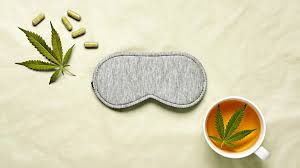
Can cannabis help with anxiety, sleep, or chronic pain? This question matters to millions seeking alternatives to prescription medications, and the answer is increasingly supported by research. At Gasdank Cannabis, we guide customers daily through evidence-based cannabis options for managing these conditions. Recent studies reveal that 65% of cannabis users rely on it for pain relief, while 74% use it to improve sleep quality, with most reporting significant symptom improvement. The science behind cannabis for anxiety, sleep disorders, and chronic pain involves understanding how cannabinoids like THC and CBD interact with your endocannabinoid system—the body’s regulatory network controlling pain perception, sleep cycles, and stress response. Whether you’re dealing with chronic pain that won’t respond to traditional treatments, sleep problems leaving you exhausted, or anxiety disrupting your daily life, cannabis offers therapeutic potential backed by both clinical research and thousands of user experiences. This comprehensive guide examines how cannabis works for each condition, which products deliver the best results, and practical strategies for finding your optimal approach to cannabis therapy.
Understanding How Cannabis Works for Pain, Sleep, and Anxiety
Cannabis contains over 100 cannabinoids, with THC (tetrahydrocannabinol) and CBD (cannabidiol) being the primary therapeutic compounds. These cannabinoids interact with your endocannabinoid system—a complex network of receptors throughout your nervous system regulating pain, sleep, mood, and stress.
THC binds directly to CB1 receptors in your brain and central nervous system, producing both psychoactive effects and therapeutic benefits for pain and sleep. CBD works differently, influencing multiple receptor systems without causing intoxication, explaining why CBD products are popular for anxiety management without the high.
When you use cannabis for medical purposes, you’re supplementing your body’s natural endocannabinoid system. This explains how cannabis addresses seemingly unrelated conditions—your endocannabinoid system plays crucial roles in all of them. Success lies in matching the right cannabinoid profile, dose, and consumption method to your specific symptoms.
Cannabis for Chronic Pain: Research and Results
Chronic pain is the leading reason people turn to medical cannabis, with substantial evidence supporting its effectiveness. A landmark study of over 1,000 cannabis customers found that 65% used cannabis specifically for pain relief, with 80% reporting it was “very or extremely helpful.”
The Science Behind Pain Relief
Cannabis addresses pain through multiple mechanisms in your endocannabinoid system. THC activates CB1 receptors that modulate pain signals, effectively reducing pain perception. CBD reduces inflammation and influences pain pathways without psychoactive effects, valuable for daytime pain management.
Research demonstrates impressive results: average pain intensity decreased by 16.5 points on a 100-point scale, 82% of users reduced or stopped over-the-counter pain medications, and 88% of those taking opioids decreased or eliminated their use. This substitution effect is particularly significant given the ongoing opioid crisis.
Pain Types Cannabis May Address
Medical cannabis users report effectiveness for neuropathic pain (nerve damage), musculoskeletal pain from arthritis or injuries, headaches and migraines, and menstrual pain. Neuropathic pain responds particularly well since traditional painkillers often fail for this condition.
Best Cannabis Products for Pain
At Gasdank Cannabis, we recommend high-THC indica strains for powerful pain relief with sedating effects—look for strains with 20%+ THC content that provide full-body relaxation. These work best for evening use or severe pain episodes when sedation is acceptable.
Balanced THC:CBD products (1:1 or 2:1 ratios) offer effective pain relief for daytime use without heavy intoxication, allowing you to remain functional while managing discomfort. Many customers find these ratios provide the optimal balance between therapeutic benefit and mental clarity.
CBD-dominant options work exceptionally well for inflammation-related pain and can be used throughout the day without any impairment. These products are ideal for people who need consistent pain management while working or caring for family.
Cannabis topicals deliver localized relief without psychoactive effects—perfect for joint pain, muscle soreness, or targeted discomfort. Simply apply directly to the affected area for relief within 15-30 minutes. Many people use topicals alongside other cannabis products for comprehensive pain management.
Does Cannabis Help Sleep? The Evidence
Sleep disorders affect millions, and cannabis has emerged as a popular alternative to prescription sleep aids. Research shows 74% of cannabis users take it for sleep promotion, with 84% finding it “very or extremely helpful” for improving sleep quality.
How Cannabis Affects Sleep Cycles
THC-dominant products typically reduce sleep latency (time to fall asleep) by 15-30 minutes, increase total sleep time by approximately 20-30 minutes, may decrease REM sleep, and potentially increase deep sleep—the most restorative phase. The reduction in REM sleep can benefit people with PTSD who experience nightmares.
Studies reveal impressive outcomes: 87% of those taking over-the-counter sleep aids reduced or stopped use, and 83% of prescription sleep medication users decreased or eliminated their prescriptions after starting cannabis.
Choosing Cannabis Products for Sleep
Indica-dominant strains remain the gold standard for sleep, providing relaxing, sedating effects. Higher THC content (15-25% THC) generally promotes sleep more effectively, though individual tolerance varies. CBN-rich products are gaining popularity as CBN (cannabinol) exhibits strong sedating properties.
Consumption method matters significantly: edibles take 1-2 hours to activate but last 6-8 hours (ideal for staying asleep), while vaping or smoking works within minutes but wears off in 3-4 hours (best for falling asleep quickly). At Gasdank Cannabis, we match consumption methods to specific sleep challenges.
Cannabis and Anxiety: The Complex Relationship
Anxiety represents cannabis’s most complicated therapeutic application. While many report significant anxiety relief, others experience increased anxiety with high-THC products. Understanding this paradox is essential for successful anxiety management.
Research on Cannabis for Anxiety
Studies show CBD-dominant products consistently demonstrate anti-anxiety properties, low-dose THC can reduce anxiety in many users, but high-dose THC may increase anxiety or trigger paranoia in susceptible individuals. The relationship is dose-dependent and highly individual.
Low THC doses (2.5-5mg) often produce calming effects. High THC doses (15mg+) can overstimulate CB1 receptors in anxiety-prone individuals, leading to increased heart rate or panic-like sensations. CBD counteracts THC’s anxiety-inducing potential while providing its own anti-anxiety effects, explaining why balanced products often work better than pure THC.
Best Approach for Anxiety
At Gasdank Cannabis, we recommend starting with high-CBD, low-THC products (20:1, 10:1, or 5:1 CBD:THC ratios) or pure CBD products to minimize anxiety risks while providing therapeutic benefits. These allow you to experience cannabis’s calming properties without psychoactive effects that might worsen anxiety.
If using THC for anxiety, start extremely low—2.5mg or less initially. Many people find their sweet spot is between 2.5-7.5mg THC, far lower than typical recreational doses. You can always increase gradually, but you cannot undo an uncomfortable experience once it begins.
Try balanced ratios (1:1, 2:1, or 3:1 CBD:THC) for optimal anxiety relief. The CBD counteracts THC’s potential anxiety-inducing effects while the THC provides synergistic benefits. Many customers report this combination works better than either cannabinoid alone.
Choose indica or hybrid strains over sativas, which tend to be more energizing and cerebral—potentially worsening anxiety. Indica-dominant strains provide more calming, body-focused effects that most people with anxiety find more comfortable.
Vaping or smoking allows precise dose control since you feel effects within minutes and can stop once you reach your desired state. This prevents the accidental overconsumption common with edibles, where delayed onset makes it easy to take too much before feeling initial effects.
Honest assessment is critical: if cannabis consistently increases your anxiety or causes paranoia, it’s not the right solution for you. This is completely normal—cannabis doesn’t work for everyone’s anxiety, and continuing to use it hoping for different results will only increase stress.
The Medication Substitution Effect
One significant finding in medical cannabis research is the “substitution effect”—large numbers of cannabis users reducing or eliminating other medications. For chronic pain, 82% reduced over-the-counter pain medications and 88% reduced prescription opioids. For sleep, 87% reduced over-the-counter sleep aids and 83% reduced prescription sleep medications.
This pattern suggests genuine therapeutic value rather than simply adding recreational use. It potentially reduces exposure to medications carrying their own risks: opioid addiction, liver damage from chronic NSAID use, or benzodiazepine dependence.
However—never stop prescribed medications without consulting your healthcare provider. Cannabis should work within your treatment plan under medical supervision.
Practical Guidance for Therapeutic Use
Successfully using cannabis for anxiety, sleep, or chronic pain requires thoughtful dosing, timing, and monitoring.
Start Low, Go Slow
Begin with the lowest available dose, wait at least 2 hours for edibles (15 minutes for inhalation) before taking more, increase gradually (2.5mg increments), and find your minimum effective dose. More isn’t always better—many people find their optimal dose is lower than they initially expected. This approach is crucial for newcomers, those using edibles, anyone trying high-THC products, or individuals with anxiety concerns.
Track Your Results for Better Outcomes
Maintaining a cannabis journal helps identify what works for your specific symptoms. Record product name and cannabinoid content, dose and consumption method, time of day, effects on your symptoms (pain levels, sleep quality, anxiety ratings), duration of effects, and any side effects. After 2-3 weeks of tracking, clear patterns emerge showing which products and doses deliver your best results. This systematic approach eliminates guesswork and helps you optimize your cannabis therapy.
Timing Your Cannabis Use
For sleep disorders, take cannabis 30 minutes to 2 hours before bed depending on consumption method. Edibles require more lead time than vaping or smoking, so plan accordingly.
For chronic pain, scheduled preventative dosing often works better than reactive use—taking cannabis before pain becomes severe provides more consistent relief than waiting until you’re in agony. Many people find that regular, timed doses throughout the day maintain steady symptom control.
For anxiety, have products available when anxiety typically occurs or use preventatively before known stressors. As-needed use often works well for anxiety, allowing you to use cannabis only during challenging times rather than maintaining constant use.
Managing Tolerance
Regular cannabis use builds tolerance—your endocannabinoid system becomes less responsive, requiring higher doses for the same effect. Taking periodic tolerance breaks (2-7 days) helps reset your system. Using the minimum effective dose rather than escalating unnecessarily also helps maintain long-term effectiveness. Many users rotate between different products or cannabinoid ratios to prevent tolerance to specific formulations.
Quality at Gasdank Cannabis
Not all cannabis products are equal. At Gasdank Cannabis, every product is lab-tested for potency and safety, free from pesticides and contaminants, properly labeled with complete cannabinoid profiles, and sourced from licensed producers. When using cannabis therapeutically, consistent quality is essential for reliable results.
Conclusion
The evidence is clear: cannabis can help with chronic pain, sleep disorders, and anxiety for many people. Research shows 65% of users find cannabis effective for pain relief, 74% successfully use it for sleep, and many report anxiety reduction with proper product selection. Success requires understanding how THC and CBD work in your endocannabinoid system, starting with low doses, and selecting products matched to your symptoms.
Cannabis isn’t a miracle cure and doesn’t work identically for everyone. However, for many people, it has become a valuable tool for managing anxiety, improving sleep quality, and relieving pain—often allowing reduction in prescription medications with potentially severe side effects.
The medication substitution effect is noteworthy, with 82-88% of users reducing pain medications and 83-87% decreasing sleep aid use after starting cannabis. These numbers suggest genuine therapeutic benefit.
Ready to explore whether cannabis might help your anxiety, sleep problems, or chronic pain? Visit Gasdank Cannabis and speak with our knowledgeable staff. We’ll help navigate strain selection, product types, and dosing strategies tailored to your needs. Cannabis is a tool within comprehensive wellness, not a complete solution alone. Use responsibly, monitor your responses, and work with healthcare professionals when appropriate.
Stop by Gasdank Cannabis today—we’re here to help you find the right cannabis products for your health goals.
