




Gasdank Magazine
Growing a Weed Plant for Beginners: Your Complete First-Time Guide
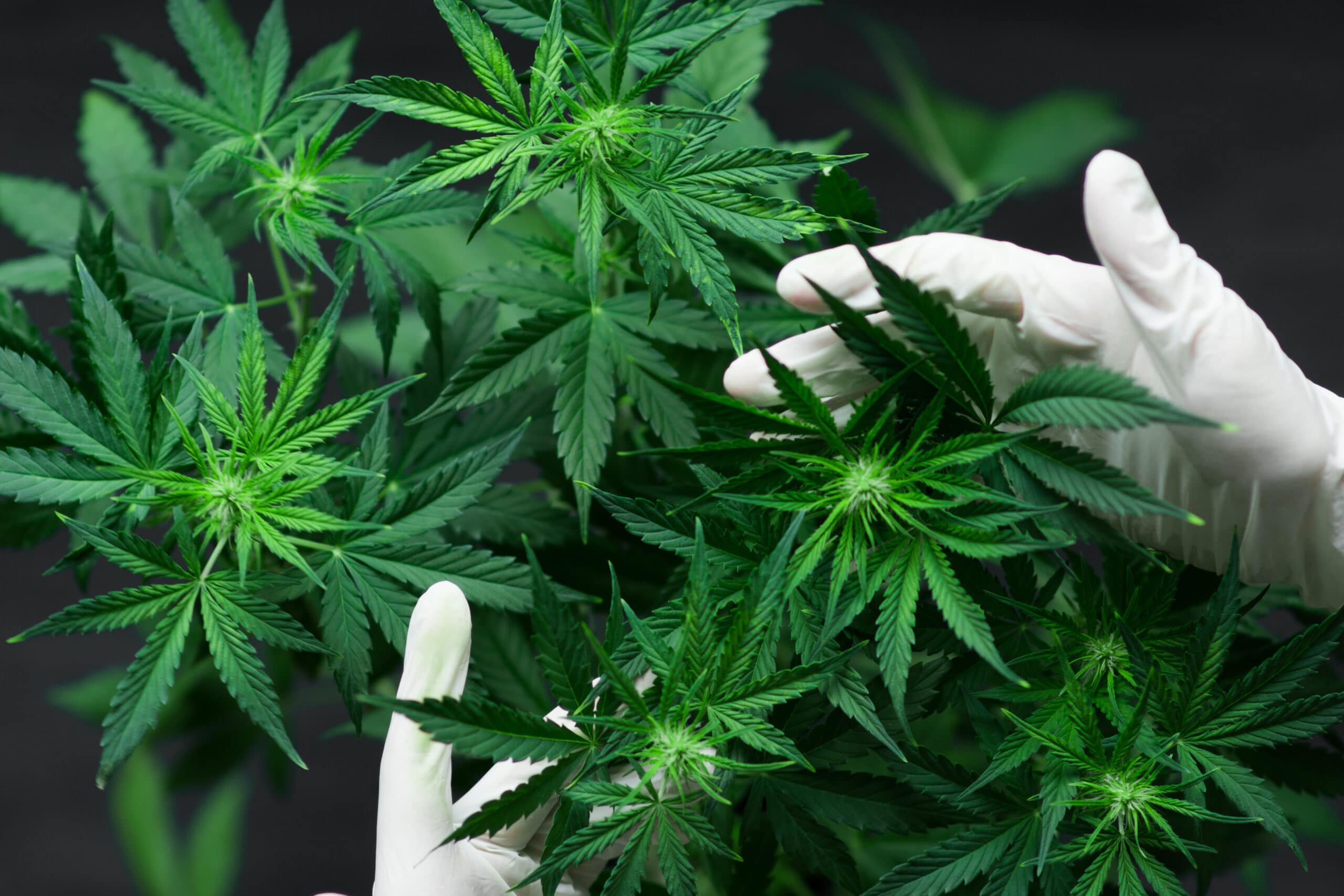
Alright, so you’ve decided you want to grow your own weed. Smart move. But if you’ve started googling around, you’ve probably noticed there’s a ton of conflicting information out there, and half of it makes growing sound impossibly complicated.
Let me tell you something—it’s not. Cannabis grows wild all over the place. It’s literally called weed. Now, don’t get me wrong, there’s definitely stuff you need to know. But people act like you need a PhD in plant science when really, you’re just growing a plant. If you can keep a tomato plant or a houseplant alive, you can grow cannabis.
I’ve seen first-time growers stress themselves out reading about nutrient ratios and pH buffers and light spectrums before they’ve even germinated a seed. Then they’re too intimidated to actually start. Meanwhile, someone else just throws a seed in some dirt with a cheap LED light and ends up with decent bud because they didn’t overthink it.
Here’s what actually matters: light, water, nutrients, airflow. That’s literally it. Everything else is just tweaking and optimizing, which you can figure out on your second or third grow after you’ve got the basics down.
This guide is going to walk you through growing your first plant without all the complicated bullshit. No jargon unless I have to use it, no advanced techniques you don’t need yet, just straightforward info to get you from seed to smoking your own homegrown. And yeah, you’ll probably mess something up—everyone does their first time. But you’ll still end up with weed you grew yourself, which is a pretty cool feeling.
Why Growing Your Own Weed Plant Makes Sense
Before jumping into the how-to stuff, let’s talk about why you’d even bother growing instead of just buying it.
Money. Yeah, there’s an upfront cost—you’ll spend $200-400 getting set up. But after that? You’re looking at maybe $20-50 per grow in electricity and nutrients. One plant can easily give you 2-6 ounces, sometimes way more. Quick math: if you’re paying $150-200 an ounce at the dispensary, that first harvest pays for your entire setup. Everything after that is basically free weed.
You actually know what’s in it. Dispensary weed is usually fine, but you don’t really know what was sprayed on it or what shortcuts were taken. When you grow it yourself, you control everything. No mystery pesticides, no sketchy nutrients, no mold that got missed during quality control. For medical users especially, that peace of mind is worth a lot.
The weed is exactly what you want. Dispensaries run out of strains. Or they have it but it’s been sitting in a jar for six months and it’s all dried out. When you grow, you pick the strain, you control the quality, and it’s fresh as hell. Want organic? Do it. Want a specific strain for anxiety or pain? Grow that.
It’s actually fun. Okay, this sounds dumb before you try it, but watching a plant go from a tiny seed to a big, frosty, stinky beast is genuinely satisfying. Lots of people start growing to save money and end up doing it because they enjoy the process. It’s like having a pet that you can smoke.
Legal stuff—don’t skip this. Make absolutely sure growing is legal where you are and know your plant limits. Some places let you grow 4 plants, some 6, some none at all. Getting caught with an illegal grow is not worth it, period. Do your homework on local laws before you buy a single seed.
What You Need to Start Growing a Weed Plant (Shopping List)
Okay, let’s talk gear. You can spend a fortune on fancy equipment, or you can keep it simple and cheap. For your first grow, simple wins every time.
Seeds or Clones
Obviously you need something to grow. Seeds are easier—you can order them online and they ship to pretty much anywhere in discreet packaging. Clones are cuttings from someone else’s plant, which gives you a head start, but you need to know someone growing or live near a dispensary that sells them.
For beginners, get feminized seeds. These are guaranteed to be female plants, which means they’ll actually produce buds. Regular seeds give you a mix of male and female, and males are useless unless you’re breeding—they don’t make buds, just pollen.
Where to get them: reputable online seed banks. Look for companies with solid reviews and good stealth shipping. Expect to pay $10-15 per seed for decent genetics. Don’t cheap out on seeds—good genetics make everything easier.
Growing Medium (Soil)
This is what your plant lives in. For beginners, use soil. Just regular potting soil. You can get fancy later with coco coir or hydroponics, but soil is forgiving and doesn’t require you to constantly monitor pH and nutrients like other methods do.
Get quality potting soil—either stuff specifically for cannabis or just good organic potting mix. Avoid Miracle-Gro or anything with “extended release” fertilizers built in. Those time-release nutrients will screw up your feeding schedule later.
Cost: $15-30 for a bag that’ll handle one plant.
Pots
Your plant needs somewhere to live. Grab 3-5 gallon fabric pots or regular plastic pots with drainage holes at the bottom. Fabric pots are better because they prevent roots from getting tangled and they drain really well. You’ll also want a tray or saucer underneath to catch water runoff.
Cost: $10-20 for a couple pots.
Lighting
This is your biggest expense and your most important decision. Your plant needs strong light to grow quality buds. Your options:
LED grow lights (what I’d recommend): These use way less electricity than old-school lights, they don’t run super hot, and they last forever. A decent 100-150 watt LED is plenty for 1-2 plants. Budget $100-200 for something that’ll actually work.
HPS/MH lights (old school method): These work great but they run hot and spike your electric bill. If you go this route, budget $150-300 for a complete kit.
Window/sunlight: Free, but you have basically no control and results are usually disappointing unless you’ve got a killer south-facing window that gets full sun all day. For outdoor growing, this obviously works fine if you’ve got a private yard.
Don’t cheap out on lights. Shitty lighting = shitty, airy buds that barely get you high.
Fans (Airflow)
Plants need air movement. At minimum, get a small oscillating fan to keep air circulating. This strengthens stems, prevents mold, and keeps temperatures manageable. If you’re growing in an enclosed space like a closet or tent, you’ll also need an exhaust fan to pull hot air out.
Cost: $15-30 for a basic fan, $50-100 if you need exhaust too.
Nutrients
Cannabis needs food—nitrogen (N), phosphorus (P), and potassium (K), plus trace minerals. You can buy cannabis-specific nutrient lines that make this dead simple, or use general organic fertilizers.
For beginners, get a simple 2-part or 3-part nutrient system. Follow the instructions on the bottle but start at half-strength—overfeeding kills way more plants than underfeeding does.
Cost: $30-60 for nutrients that’ll last multiple grows.
pH Test Kit
Your water’s pH affects whether your plant can actually absorb the nutrients you’re giving it. Cannabis likes pH around 6.0-7.0 in soil (5.5-6.5 if you’re doing hydroponics). Get a cheap pH test kit or a digital pH pen. You’ll also need pH up/down solutions to adjust your water.
Cost: $10-15 for drops, $20-50 for a digital meter.
Other stuff that helps but isn’t mandatory:
- Grow tent (creates a sealed environment you can control): $80-150
- Timer for lights (so you don’t have to manually turn them on/off): $10-20
- Thermometer/humidity gauge: $10-20
- Pruning scissors: $10-15
Bottom line cost: $300-600 gets you a solid starter setup. You can go cheaper if you’re resourceful, or spend way more if you want all the bells and whistles. But for a first grow, keep it simple.
Choosing the Right Strain for Your First Grow
Not all weed strains are created equal when it comes to growing. Some are finicky as hell and will die if you look at them wrong. Others basically grow themselves. For your first plant, pick something that’s known for being tough and forgiving.
What makes a strain good for beginners?
You want something that:
- Doesn’t freak out if you make mistakes (and you will make mistakes)
- Resists mold, pests, and diseases
- Flowers relatively quickly (8-10 weeks instead of 12+)
- Doesn’t grow into a 10-foot monster
- Still gives you decent yields without complicated techniques
Strains I’d recommend for first-timers:
Northern Lights: This is the classic beginner strain for a reason. It’s an indica that’s super forgiving, handles stress well, and gives solid yields. Flowers in about 7-9 weeks and doesn’t get too big. Hard to kill.
Blue Dream: Popular hybrid that’s all over dispensaries. Easy to grow, handles mistakes pretty well, and the yields are good. Balanced high that most people enjoy.
White Widow: Been around forever because it just works. Pest-resistant, mold-resistant, quick flowering (8-9 weeks), and the buds come out frosty and potent even if you’re not an expert.
Green Crack: Despite the sketchy name, it’s a solid sativa-leaning strain that grows fast and forgives newbie errors. Gives you energizing, focused effects.
Autoflowering strains: These are interesting for beginners. They automatically start flowering after a few weeks regardless of light schedule, they stay small (good for limited space), and they go from seed to harvest in like 8-12 weeks total. They’re basically on autopilot. Downside is yields are usually smaller, but for a first grow where you’re learning, they’re a great option.
At Gasdank Cannabis, we can point you toward specific strains that make sense for beginners. And real talk—don’t pick a strain just because it has the highest THC number or the coolest name. Pick something that’s proven to be easy to grow. You can get fancy with exotic strains after you’ve got a couple grows under your belt.
Step 1: Germinating Your Cannabis Seeds
Alright, you’ve got your seeds. Now you need to wake them up. Cannabis seeds are dormant when you buy them—they need moisture, warmth, and darkness to crack open and start growing.
The Paper Towel Method (this is what most people use):
This is dead simple and works really well:
- Grab two paper towels and get them damp—not soaking wet, just moist
- Put your seeds between the damp paper towels
- Stick the whole thing on a plate, then put another plate on top (keeps it dark)
- Put it somewhere warm, like on top of your fridge or near a heater (70-75°F is perfect)
- Check every 12 hours or so to make sure the towels haven’t dried out
- Within 1-3 days, your seeds should crack open and you’ll see a tiny white root poking out (that’s the taproot)
Once they’ve sprouted:
Gently pick up each seed and plant it in your soil about a quarter inch deep, with that little white root pointing down. Cover it lightly with soil. Keep the soil moist but not soaking wet. In a few days, you’ll see a little green seedling push up through the dirt.
The “just plant it” method:
Some people skip the paper towel thing entirely and just plant seeds directly into soil about half an inch deep. Keep the soil moist and warm. This works fine, it just takes a bit longer to see if the seed actually germinated or not.
Your baby plant’s first few weeks:
The seedling stage lasts about 2-3 weeks. During this time, your plant is fragile. Don’t blast it with intense light—keep your grow light further away than you will later, or use something lower-intensity like a CFL bulb. Keep the soil moist but never soaking.
The first leaves you’ll see are these little round ones called cotyledons. Those aren’t real cannabis leaves—they’re just starter leaves. Once you see the first set of serrated fan leaves (the classic weed leaf shape), you’re officially off and running.
Step 2: Vegetative Growth Stage (Growing Big and Strong)
Once your seedling’s got a few sets of leaves, it enters the vegetative stage. This is where your plant builds its structure—gets bigger, bushier, and prepares to make buds later. How long you keep it in veg is up to you, anywhere from 2-8 weeks depending on how big you want the final plant to be.
Light schedule: 18 hours on, 6 hours off
Cannabis stays in vegetative growth when it gets lots of light. Most people run 18/6 (18 hours of light, 6 hours dark). Use a timer to handle this automatically—you don’t want to be manually turning lights on and off every day. Consistency matters.
Watering (where most beginners screw up)
Only water when the top inch or two of soil is dry. Stick your finger in the dirt—if it feels dry, water it. If it’s still damp, wait another day or two.
Overwatering kills more plants than just about anything else. Your roots need oxygen, and if the soil is constantly wet, they basically drown. It’s way better to underwater slightly than overwater. When you do water, pour slowly until you see runoff coming out the drainage holes at the bottom. That’s enough.
How often will you water? Depends on your pot size, plant size, temperature, humidity—could be every 2-3 days, could be daily once the plant’s big. Just check the soil and water when it needs it, not on a set schedule.
Feeding nutrients
Most soil has some nutrients built in already, so for the first 2-4 weeks, your plant probably doesn’t need anything extra. Once you’ve got 4-6 sets of leaves, start adding nutrients to your water.
Use vegetative growth nutrients (they’ll be higher in nitrogen). Follow what the bottle says, but start at half-strength. Seriously. You can always give more next time. You can’t undo overfeeding, which burns your plant and makes it look like shit.
Signs to watch for:
- Really dark green leaves that are clawing downward = too much nitrogen, back off
- Light green or yellowing leaves = needs more food
- Brown, crispy leaf tips = nutrient burn, you fed too much
Keep your environment right
- Temperature: Aim for 70-85°F when lights are on, 60-70°F when they’re off
- Humidity: 50-70% is fine during veg
- Air circulation: Keep that fan running 24/7. It strengthens stems and prevents mold
Plant training (optional but worth learning)
You can manipulate how your plant grows to get way more bud:
Topping: When your plant has 4-6 sets of leaves, cut off the very top growing tip. Sounds crazy, but this makes the plant grow two main colas instead of one, creating a bushier plant with more bud sites. It’s like giving your plant a haircut that makes it grow back thicker.
LST (Low-Stress Training): Gently bend branches down and tie them to the side of your pot. This creates a flat canopy where all the bud sites get equal light instead of one main cola hogging everything.
These aren’t necessary for your first grow, but they’re easy and can literally double your yield. Your call.
Step 3: Flowering Stage (Making Buds)
This is what you’ve been waiting for—the part where your plant actually makes buds. Cannabis starts flowering when it gets 12 hours of complete darkness every day. In nature, this happens as summer turns to fall and days get shorter. Indoors, you control this by changing your light schedule.
Flipping to flower (indoor growing):
Change your timer from 18/6 to 12/12 (12 hours light, 12 hours total darkness). And when I say total darkness, I mean pitch black. Even a little light leak during the dark period can stress your plant and screw things up.
When should you flip to flower?
Most people wait until their plant is about 12-18 inches tall. Here’s the thing though—your plant is going to stretch like crazy during the first few weeks of flowering. It’ll typically double in height, sometimes more. So if you’ve got limited space, flip earlier. If you’ve got room to spare, let it veg longer for a bigger yield.
For outdoor growers: Nature handles this automatically. As summer ends and days get shorter in late summer/early fall, your plants will naturally start flowering.
What happens during flowering:
Most strains flower for 7-11 weeks. Check what your seed breeder says—they’ll give you an estimate. Here’s what to expect:
Weeks 1-3 (the stretch): Your plant shoots up in height and width. You’ll start seeing tiny white hairs (pistils) forming where branches meet the main stem. These are the start of your buds. The plant is still mostly focused on growing, not bud production yet.
Weeks 4-6 (bud development): Now we’re talking. Buds start fattening up, getting denser, and you’ll see resin production (those sticky trichomes) really ramping up. Your plant will start smelling strongly like weed. This is when it actually starts looking like cannabis.
Weeks 7+ (final push): Buds keep swelling and getting heavier. Trichomes go from clear to cloudy to amber. This is when you’re checking daily for the right harvest time.
Watering and feeding during flower:
Keep watering when soil dries out. Switch to flowering nutrients—these have more phosphorus and potassium, less nitrogen. Your plant will probably drink more during flowering, so expect to water more frequently.
Stop feeding nutrients completely 1-2 weeks before harvest. Just give plain water. This is called “flushing” and it lets the plant use up stored nutrients, which makes your final product taste way better. Nobody wants to smoke fertilizer.
Environment during flowering:
- Keep temps a bit cooler: 68-78°F
- Drop humidity to 40-50% (really important to prevent mold)
- Crank up air circulation—those dense buds can trap moisture
Problems to watch for:
Bud rot/mold: Grey, fuzzy mold on your buds. Caused by high humidity and poor airflow. If you see it, cut off the affected buds immediately and lower your humidity. Check nearby buds too—it spreads.
Light stress: If buds get too close to your light, they can get bleached (turn white) or burned. Keep some distance between your light and the canopy.
Step 4: When and How to Harvest Your Weed Plant
Knowing when to chop your plant down is huge. Too early and your buds are weak and the high sucks. Too late and THC starts breaking down into CBN, which makes you sleepy instead of high.
How to tell it’s harvest time:
You need to look at the trichomes—those tiny, mushroom-shaped crystals covering your buds. Get yourself a jeweler’s loupe or a cheap magnifying glass (like $5-10 on Amazon). Look closely at the trichomes on the actual buds, not the leaves.
What the trichome colors mean:
- Clear trichomes = not ready yet, too early
- Mostly cloudy/milky white = perfect time for maximum THC and head-high effects
- Mix of cloudy and amber (like 10-30% amber) = more balanced, includes body effects
- Mostly amber = more sedative, heavy couch-lock effects
Most people harvest when trichomes are mostly cloudy with just a bit of amber showing up. That’s the sweet spot.
Other signs it’s ready:
- Those white hairs (pistils) have turned dark orange or brown and curled inward (about 70-90% of them)
- Fan leaves are naturally yellowing
- Plant looks “done” and stops pushing out new white pistils
Actually harvesting:
- Stop feeding nutrients 1-2 weeks before cutting (just water)
- Some people give their plant 24-48 hours of total darkness before chopping—supposedly increases resin production. Honestly debatable if it does anything, but it doesn’t hurt
- Cut the whole plant at the base, or cut individual branches if that’s easier
- Trim off the big fan leaves (the huge ones with no trichomes on them)
Step 5: Drying and Curing Your Cannabis
You can grow absolutely perfect weed, but if you fuck up the drying and curing, it’ll be harsh, smell like hay, and not hit nearly as hard. This step is critical—don’t rush it.
Drying (takes about 7-14 days):
Hang your branches upside down (or the whole plant) in a room that’s:
- Dark (light degrades THC)
- Around 60-70°F temperature
- 45-55% humidity
- Has a fan for air circulation (not blowing directly on the buds though)
How long it takes depends on your environment. Check progress by bending smaller stems. When they snap cleanly instead of just bending, your weed is dry enough to start curing.
Don’t rush this. Fast drying (5-7 days) gives you harsh, crappy-tasting weed. Slow drying (10-14 days) gives you smooth, flavorful bud. Be patient.
Trimming:
You can trim before drying (wet trim) or after (dry trim). For beginners, dry trimming is easier—wait until everything’s dried, then trim off the remaining small leaves. Save those trimmed leaves though—they’ve got trichomes on them and you can use them for edibles or making hash.
Curing (minimum 2-4 weeks, longer is better):
Once your buds are dry, put them in glass mason jars. Fill the jars about 75% full—you need some air space. Store them somewhere cool and dark.
First week of curing:
- Open the jars once or twice a day for 5-10 minutes (this is called “burping”)
- This releases moisture and prevents mold
- If buds feel wet or damp when you open the jar, leave it open longer
- If they feel too dry, you over-dried them (not the end of the world but not ideal)
After the first week:
- Burp jars every 2-3 days
- Keep this up for at least 2-4 weeks minimum
- Longer curing (2-3 months) keeps improving taste and smoothness
Properly cured weed tastes way better, smokes smoother, and honestly the high is better too. It’s worth the wait, even though it sucks sitting on jars of weed you can’t smoke yet.
Common Beginner Mistakes (And How to Avoid Them)
Let’s talk about where most first-time growers screw up. Learn from other people’s mistakes instead of making them all yourself.
Overwatering (the #1 plant killer)
This is how most beginners kill their first plant. You think you’re being helpful by watering every day, but you’re actually drowning the roots. Cannabis roots need oxygen. When soil stays constantly wet, the roots can’t breathe and they rot.
Fix: Only water when the top inch or two of soil is actually dry. If in doubt, wait another day. It’s almost impossible to underwater cannabis—it’s pretty obvious when a plant needs water because it starts drooping. Overwatering symptoms look similar but the soil is wet, which is your clue you’re overdoing it.
Overfeeding nutrients
More food doesn’t equal better growth. It equals crispy, burned leaves and stunted plants. Nutrient companies want you to use a lot of their product, so their feeding schedules are often way too aggressive.
Fix: Start with half the recommended dose. Your plant will tell you if it needs more (lower leaves turn light green/yellow). It’s way easier to add more nutrients than it is to fix nutrient burn.
Ignoring pH
If your water’s pH is wrong, your plant can’t absorb nutrients even if they’re in the soil. You could be feeding perfectly and your plant still shows deficiencies because the pH is locking nutrients out.
Fix: Test your water’s pH before every watering. Adjust it to 6.0-7.0 for soil. Yeah, it’s an extra step, but it prevents a ton of problems. Get a pH pen or test drops—they’re cheap.
Cheap lights
That $30 LED light on Amazon isn’t going to cut it. Shitty lights = stretchy plants and fluffy, weak buds that barely get you high. Lighting is the one thing you really shouldn’t cheap out on.
Fix: Budget at least $100-200 for a decent LED that’ll actually grow quality bud. It pays for itself in better yields.
Light leaks during flowering
If even a little light sneaks into your grow space during the 12-hour dark period, it can confuse your plant. This can cause it to stop flowering, go back to veg, or worse—turn hermaphrodite and pollinate itself, giving you seedy bud.
Fix: Make sure your flowering space is pitch black during lights-off. Cover any LEDs on equipment, check for light coming under doors, all of it.
Harvesting way too early
This is brutal—you wait months to grow this plant, and you get impatient at the end and chop it early. Then your buds are weak and the high is disappointing.
Fix: Get a magnifying glass and actually check those trichomes. Wait for them to be mostly cloudy. Those last two weeks make a huge difference in potency. I know it’s hard, but be patient.
Skipping the cure (or rushing it)
Drying your weed isn’t enough. If you don’t properly cure it, you’re smoking weed that tastes harsh, smells like hay, and doesn’t hit as well as it should.
Fix: Cure for minimum 2-4 weeks. I know it sucks waiting even longer after already waiting months, but proper curing turns good weed into great weed. Just do it.
Not checking for pests
You’re not checking your plants closely, and suddenly you’ve got spider mites everywhere and your plant is dying. Pests multiply fast.
Fix: Look at your plants regularly. Check under leaves. Catch problems early when they’re easy to fix. Once you’ve got a full infestation, it’s way harder to deal with.
Being impatient in general
Growing takes time. You can’t force it to go faster without sacrificing quality. From seed to harvest is typically 3-5 months. That’s just how it is.
Fix: Accept that it takes as long as it takes. Use that time to learn and prepare for your next grow. Rushing leads to mistakes.
Growing Indoors vs. Outdoors: Which is Right for You?
Both have pros and cons. Here’s how to decide.
Indoor growing:
Pros:
- Complete control over environment
- Year-round growing (not season-dependent)
- Privacy and security
- Better quality control
- Multiple harvests per year
Cons:
- Higher initial investment (lights, tent, ventilation)
- Ongoing electricity costs
- Requires dedicated space
- More hands-on management
Best for: People who want consistency, live in non-ideal climates, value privacy, or want to grow year-round.
Outdoor growing:
Pros:
- Lower startup costs (nature provides light)
- Bigger plants and potentially higher yields
- More environmentally friendly
- Less maintenance
- Natural sunlight produces great quality
Cons:
- Weather-dependent
- Only one harvest per year (in most climates)
- Less control over environment
- Pest and mold risks higher
- Less privacy
- Season-limited (spring/summer planting)
Best for: People with private outdoor space, suitable climate, lower budgets, or who want larger plants with less work.
Can you grow by a window indoors?
Technically yes, but results are usually disappointing. Windows don’t provide enough intense light for quality bud production. If indoor growing is your only option, invest in proper grow lights.
Legal Considerations and Staying Safe
This is important: know your local laws before growing anything.
Where is home growing legal?
Laws vary wildly by location. Some places allow home cultivation for personal use (often 4-6 plants), some require medical cards, some ban it entirely. Research your specific state/province/country laws before starting.
Even in legal areas:
- Follow plant count limits strictly
- Keep grows private (don’t tell people, don’t post on social media with identifying info)
- Don’t sell homegrown cannabis (illegal in most places even where growing is legal)
- Keep plants secure and away from minors
- Follow local regulations about where you can grow (some areas prohibit outdoor growing)
“No smell, no sell, no tell”: This old grower’s motto still applies. Don’t advertise what you’re doing, control odors (carbon filters for indoor grows), and never sell your harvest.
Conclusion: You’re Ready to Grow Your First Weed Plant
Look, growing weed isn’t rocket science. It’s really not. Yeah, there’s stuff to learn and you’ll probably make some mistakes, but that’s how everyone learns. Your first plant won’t be perfect, and that’s completely fine. You’ll still end up with weed you grew yourself, which is pretty damn cool.
The basics are simple: light, water, nutrients, fresh air. Watch your plant, pay attention to what it’s telling you through how it looks, and adjust as needed. Don’t overthink it. Cannabis wants to grow—your job is just to give it what it needs and try not to kill it.
You’re going to have moments where you freak out because some leaves turned yellow or you think you overwatered or something doesn’t look right. That’s normal. Everyone goes through that. Check some forums, troubleshoot the issue, fix what needs fixing, and keep going. Learning by doing is way more effective than reading a hundred guides.
At Gasdank Cannabis, we help beginners get started all the time. Whether you need seeds, equipment recommendations, or just someone to tell you that no, your plant isn’t dying, it’s fine—we’re here. Growing your own supply is worth the effort, both for your wallet and for the satisfaction of smoking something you actually created.
Start small and simple. Don’t buy a bunch of expensive equipment for your first grow. Get the basics, grow one plant through to harvest, learn from what goes wrong, and then upgrade your setup for round two if you want.
Most importantly: just start. You can read growing guides forever, but you’ll learn more from actually growing one plant than from a year of reading. Make mistakes, figure things out, and enjoy the process.
Ready to get going? Come by Gasdank Cannabis and we’ll help you get set up with what you actually need to succeed. No upselling, no complicated bullshit—just solid advice to get you growing.
