How to Make Your Own Homemade Canna Butter GasDank
Start with the right amount of cannabis. You'll need about 2 grams of cannabis for every 1/2 cup of butter you want to make. That means if you want 1 cup of butter, you'll need about 4 grams of cannabis. If you have more than that amount, just use it all!
Decarboxylate your cannabis before cooking it in butter. Decarbing will activate the THC, which is what gives you the psychoactive effects of marijuana when consumed. You can do this by placing your ground up cannabis in some parchment paper on a baking sheet at 350 degrees Fahrenheit for 15 minutes or so (or until browned).
Toast your weed in a skillet over medium heat until it starts giving off a nice aroma—this will help with flavour!
Add 1/2 cup water to your skillet and bring it to boil for 10 minutes or so until all water has evaporated from pan (you should see steam coming off the surface of the pan).
Add 1/2 cup butter and 1 tsp liquid vegetable oil to your skillet and stir until melted.
Cook on medium-low heat for about 30 minutes or until cannabis is completely browned and crispy (you can tell when this happens because it will start giving off a nutty aroma).
Turn off stove top, remove from heat and let cool before eating!
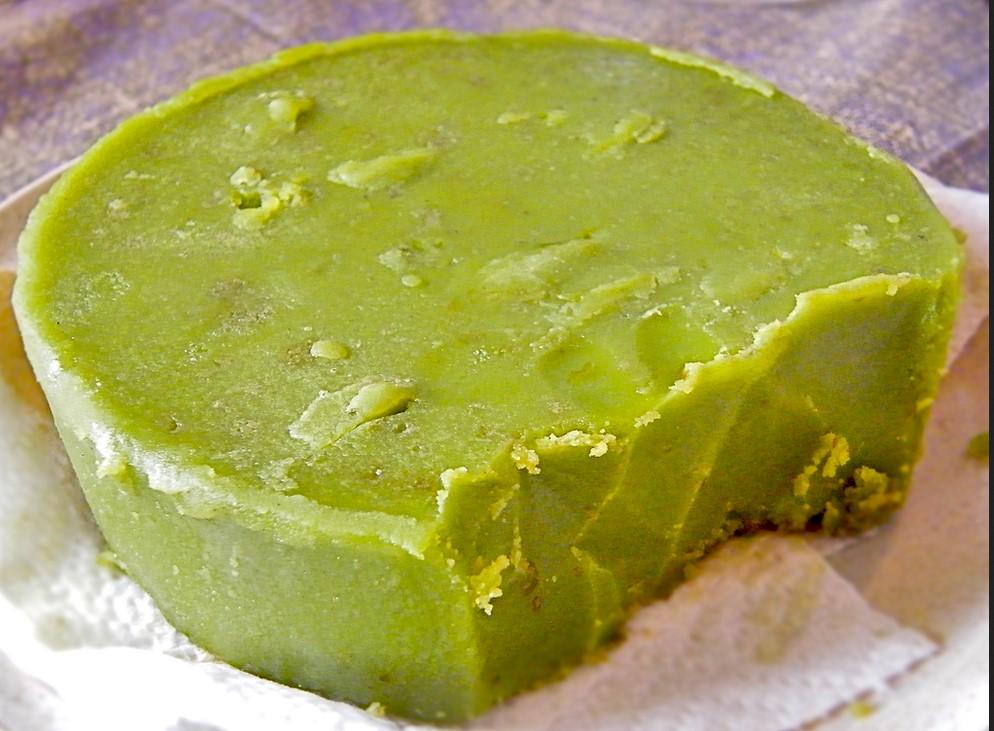
If cannabutter at home is what you are after, GasDank can usually have it at your door the same day anywhere in Toronto or the GTA, generally inside a one to two hour window. Discreet Canada-wide shipping is available, 19 and over.
Dosing: The Part Most People Get Wrong
Homemade edibles are difficult to dose precisely because potency depends on the strength of your starting material, how thoroughly you decarbed it, how much infused fat actually made it into the batch, and how evenly the mixture was stirred.
Treat the first batch as a test. Eat a small portion, wait a full two hours, and write down what you used and how it felt. That single note turns guesswork into a repeatable recipe.
Storage and Food Safety
Store finished edibles in a sealed container in the fridge, or freeze them if you are keeping them beyond a few days. Cannabinoids degrade with light and heat just as they do in flower.
Label everything clearly and keep it well out of reach of children and pets. Infused baking looks and smells exactly like the ordinary version, which is precisely why accidental doses happen.
Common Mistakes to Avoid
Overheating is the most frequent error. Pushing butter or oil too hot burns off terpenes and can degrade cannabinoids, leaving a harsh taste and a weaker result. Keep the heat low and slow.
Skipping decarboxylation is the second. Raw cannabis is mostly THCA rather than THC, so without gentle heating first, the finished edible will be far weaker than expected.
Under-mixing is the third. If the infused fat is not evenly distributed, one cookie can be mild and the next uncomfortably strong.
Decarboxylation: The Step You Cannot Skip
Raw cannabis contains very little THC. It contains THCA, an acidic precursor that only converts to THC when heated. Skip this step and your butter will be dramatically weaker than expected, no matter how long you simmer it.
The usual approach is to break the flower up loosely, spread it on a lined baking tray, and heat it in a low oven — commonly cited around 110 to 120°C (230 to 250°F) for roughly 30 to 45 minutes, stirring once. Lower and slower protects the terpenes; hotter and faster risks burning off potency.
The flower should turn a toasted golden-brown and smell noticeably stronger. If it scorches or turns dark brown, the temperature was too high.
Ratios, Straining and Estimating Strength
A common starting ratio is roughly one cup of butter to 7 to 14 grams of flower, adjusted to how strong you want the finished product. More plant material means stronger butter, but also a greener, more vegetal taste.
Strain through cheesecloth into a jar, and resist the urge to wring it hard — squeezing forces chlorophyll through and makes the butter taste grassy. Let it drip.
You cannot know the exact potency without lab testing. What you can do is keep the ratio consistent between batches, so once you have found a dose that suits you, you can reproduce it.
Using Cannabutter in Recipes
Substitute it one-for-one for regular butter, but keep cooking temperatures moderate. Prolonged high heat will degrade the cannabinoids you just spent hours extracting.
For anything baked in a batch, mix thoroughly. Uneven distribution is the main reason one brownie in a tray feels mild and the next one does not.