Same-day weed delivery · 1 to 2 hours across the GTAFree delivery over $80 in core areasCash or Interac e-Transfer19+ ID verifiedCustomer service 8AM to 2AM ESTCanada-wide mail order · free shipping over $150Same-day weed delivery · 1 to 2 hours across the GTAFree delivery over $80 in core areasCash or Interac e-Transfer19+ ID verifiedCustomer service 8AM to 2AM ESTCanada-wide mail order · free shipping over $150
GasDank
Delivery

Cooking With Cannabis: Your No BS Guide to Making Edibles at Home

By GasDank Team

Cooking With Cannabis: A No BS Guide to Edibles

Why Homemade Edibles Are Worth It

Making your own edibles is one of the most satisfying things you can do with flower, and it is a lot easier than people think once you understand the basics. You control the strength, the flavour, and the ingredients, and you can turn a bit of bud into something that lasts. There is real pride in pulling a batch of properly dosed brownies or cookies out of the oven that you made yourself.

Edibles also offer a different experience from smoking or vaping. The high comes on slower, lasts longer, and tends to feel more like a full body effect. For a lot of people that long, mellow ride is exactly what they want for a relaxed evening. And if you do not love inhaling smoke, edibles are a smoke free way to enjoy your flower that still delivers a proper effect.

The catch, and there is always a catch, is that homemade edibles are easy to get wrong if you skip steps or rush the dosing. The good news is that the process is simple and forgiving once you know what you are doing. This guide walks through it honestly, with no fluff, so you can make edibles that taste good, hit right, and do not catch you off guard.

We will keep this practical and beginner friendly, because that is what most people need. You do not have to be a chef or a chemist. You just need to understand a few key steps, respect the dosing, and follow the process. Do that, and you will be making reliable edibles at home in no time, customized exactly the way you like them.

The One Step Beginners Always Skip: Decarbing

If you take one thing from this guide, let it be this. You must decarb your flower before you cook with it, or your edibles will barely work. Decarbing, short for decarboxylation, is the process of gently heating your weed so the compounds in raw flower convert into the active form your body actually feels. Raw, unheated flower will not give you much of an effect in an edible, no matter how much you use.

When you smoke or vape, the heat does this conversion instantly. But when you cook, you have to do it yourself first, by baking the flower at a low temperature before infusing it. Skipping this step is the single most common reason homemade edibles fail. People grind up raw bud, mix it into butter, and wonder why nothing happens. The answer is almost always that they never decarbed.

Decarbing is simple. You break up your flower, spread it on a baking tray, and bake it low and slow in the oven so it activates without burning off the good stuff. Low temperature and patience are the keys, since too much heat destroys what you are trying to keep. We will get into the how in a moment, but understand that this step is non negotiable for edibles that actually work.

How to Decarb Your Flower

To decarb, start by gently breaking up your flower into small pieces, but do not grind it to powder, since pieces about the size of a grain of rice are ideal. Spread them in a single layer on a baking tray lined with parchment paper. You want even coverage so everything heats consistently, rather than a clumped pile where some bits cook more than others.

Bake it at a low oven temperature for a stretch of time, keeping the heat gentle so you activate the flower without scorching it. Low and slow is the rule. The aim is a slow toast, not a roast. You will know it is working as the colour deepens to a light golden brown and the aroma fills your kitchen. Keep the temperature modest, because too hot and you start burning off the very compounds you want.

Once it is done, let it cool. Your flower is now decarbed and ready to infuse into a fat. This is the foundation of every edible you will make, so it is worth doing carefully. Take your time, do not crank the heat to speed it up, and you will end up with properly activated flower that gives your edibles their punch. Rush it and you risk weak or wasted results.

Fat Is Your Friend: Why Infusion Works

Here is the science made simple. The active compounds in cannabis are fat soluble, which means they bind to fats much better than to water. That is why you infuse decarbed flower into a fat like butter or oil rather than just tossing it into a recipe. The fat grabs onto the good stuff and carries it through your cooking and into your body, which is the whole point of an infusion.

This is why cannabutter and cannabis infused oil are the backbone of edible making. Once you have a properly infused fat, you can use it in almost any recipe that calls for butter or oil, which is a huge range of dishes from baked goods to savoury food. Make the infusion once, and you have a versatile ingredient that turns ordinary recipes into edibles whenever you want.

Because the compounds need fat to come along for the ride, you cannot make a strong edible by simply sprinkling decarbed flower into a fat free dish. The infusion step is what makes it work. Get a good fat infusion down, and you can make practically any edible you can imagine, since most recipes use butter or oil somewhere already.

Making Cannabutter Step by Step

Cannabutter is the classic infusion and a great place to start. Begin with your decarbed flower and some butter. Melt the butter gently in a saucepan over low heat, and to make things easier you can add a little water to help regulate the temperature and stop the butter from scorching. Keep the heat low throughout, since the goal is a slow infusion, not a hard simmer.

Add your decarbed flower to the melted butter and let it gently steep over low heat for a good while, stirring now and then. You are letting the fat slowly draw the good stuff out of the flower. Keep the heat low the entire time, because high heat will damage the compounds and ruin the flavour. Patience here pays off with a stronger, smoother infusion that performs well in your cooking.

When it is done, strain the mixture through cheesecloth or a fine strainer into a container, pressing gently to get all the butter out while leaving the spent plant material behind. Let it cool and set. You now have cannabutter ready to use in any recipe that calls for butter. Store it in the fridge, and you have your key edible ingredient on hand whenever inspiration strikes.

A small tip. Do not squeeze the leftover plant material too aggressively, since that can push more bitter, grassy flavour into your butter. A gentle press is enough to recover the fat without dragging in extra plant taste. Little touches like this are the difference between cannabutter that tastes fine and cannabutter that tastes harsh, so handle that final straining step with a bit of care.

Making Cannabis Infused Oil

If you would rather use oil, the process is nearly identical and the result is just as versatile. Oils like coconut or olive work well because they are high in fat, which makes them good carriers for the infusion. Coconut oil is especially popular for edibles thanks to its high fat content, while olive oil suits savoury dishes and dressings where its flavour fits right in.

Gently heat your chosen oil over low heat, add your decarbed flower, and let it steep slowly the same way you would with butter, stirring occasionally and keeping the temperature low throughout. The low and slow approach matters just as much here, since the compounds are delicate and high heat will degrade them. Give it time and you will get a rich, effective infusion out of it.

Strain it through cheesecloth or a fine strainer into a clean container, let it cool, and store it. Infused oil is fantastic because you can use it in so many ways, from baking to frying to drizzling over finished food. Many people prefer oil for its flexibility and because it suits both sweet and savoury cooking, so it is well worth making a batch alongside or instead of butter.

Dosing: The Part That Actually Matters

This is the most important section in the whole guide, so read it twice. Dosing homemade edibles is genuinely tricky, because the strength depends on your flower and how your infusion turned out, and there is real variability in homemade batches. The golden rule is to start low and go slow. It is far better to take too little and need a bit more next time than to take too much and have a rough night.

When you try a new batch, eat a small portion first and then wait. The whole point is to learn how strong your particular edibles are before committing to a full serving. Cut a brownie into small pieces, have one, and be patient. You can always eat more later once you know how it treats you, but you cannot undo an edible you have already eaten, so caution is your friend here.

Keep your servings consistent so you know what you are getting each time. If you make a tray of something, cut it into even pieces so each one carries a similar amount of the infusion. This makes dosing far more predictable than eyeballing random chunks. Consistency in how you portion your edibles is one of the simplest ways to avoid surprises and dial in the amount that suits you.

Why Edibles Hit Different

Edibles do not work like smoking, and understanding why saves a lot of grief. When you eat cannabis, it goes through your digestive system and liver before the effects kick in, which is why it comes on slowly. It can take a while to feel anything, sometimes a couple of hours, which is exactly where people go wrong by assuming it is not working and eating more too soon.

That slow onset is the number one cause of edible mishaps. Someone eats a portion, feels nothing after thirty minutes, eats more, and then all of it hits at once later. The result is a much stronger experience than they wanted. The fix is simple. Eat your portion and wait a full two hours, at minimum, before even thinking about more. Patience is everything with edibles.

The flip side of the slow onset is a longer, often stronger effect that many people love. Edibles tend to produce a deep, full body high that lasts much longer than smoking. That makes them great for a long relaxed evening, but it also means an overdose of edibles feels intense and drags on. Respect the timing and the strength, and edibles become a fantastic, controllable experience.

If You Take Too Much

Even careful people occasionally overdo it, so it helps to know that taking too much of an edible is unpleasant but not dangerous in the way people fear. If it happens, the most important thing is to stay calm. The feeling, while uncomfortable, will pass as your body processes it. Panicking makes it feel worse, so remind yourself that it is temporary and you will be fine.

Find a comfortable, safe place to ride it out. Lie down, sip some water, and try to relax. Many people find that resting, distracting themselves with something low key, or simply sleeping it off helps the time pass. Having water and a quiet space ready is part of why we suggest trying new edibles at home rather than out somewhere, so you are comfortable if it is stronger than expected.

The best way to deal with taking too much is to avoid it in the first place, which loops right back to dosing low and waiting. But if it does happen, do not spiral. It is a rough few hours, not an emergency for most people, and it will fade. Use the experience to recalibrate your dose next time, and you will be far less likely to repeat it.

Choosing the Right Strain for Edibles

The strain you use carries through into your edible, so pick with the effect you want in mind. An indica leaning strain will tend to give a relaxing, body heavy edible suited to evenings and winding down, while a sativa leaning strain leans more energetic and heady. Hybrids land somewhere in between. Think about when and how you want to enjoy the edible, then choose accordingly.

Quality matters too. Better flower makes better edibles, both in effect and in flavour, so it is worth starting with bud you would be happy to smoke. You do not need to use your absolute top shelf flower if you are watching cost, but very low quality flower can drag bitter, grassy notes into your infusion. A solid mid grade or better strain is a sweet spot for most home cooks.

Flavour is part of the equation as well, since some of the strain's aroma can come through in the finished food, especially in lighter recipes. Sweet, fruity strains can complement desserts nicely, while earthy or fuel forward strains may suit savoury dishes better. It is a small consideration compared to dosing and decarbing, but matching the strain to the dish is a nice touch once you have the basics down.

Easy Recipes to Start With

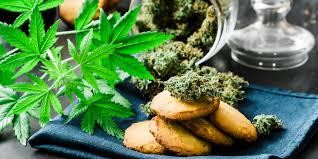
Once you have your cannabutter or infused oil, the easiest place to start is classic baked goods, because they are forgiving and use butter or oil anyway. Brownies and cookies are the go to first projects for good reason. You simply swap some or all of the regular butter or oil in a recipe for your infusion, keeping the math in mind so you know roughly how strong each piece will be.

Savoury options are just as doable with infused oil. Drizzling cannabis oil over pasta, using it in a salad dressing, or cooking vegetables in it are all simple ways to make an edible meal without baking. The key, as always, is portioning so you know how much infusion is in each serving. Savoury edibles are a nice change from sweets and can be gentler on people who do not want dessert.

Whatever you make, remember not to overheat your infusion during cooking. Adding cannabutter or oil to recipes that bake or cook at very high temperatures for a long time can degrade the effect, so favour lower temperature recipes or add your infusion in a way that limits intense heat. Keep that in mind and your first few recipes will turn out well and dose predictably.

Storing Your Edibles and Infusions

Cannabutter and infused oil keep best in the fridge in a sealed container, where they will stay good for a good while and be ready whenever you want to cook. Label them clearly so there is no mix up with regular butter or oil in your kitchen, which is both a safety and a sanity measure, especially in a shared household. Clear labelling prevents accidents and confusion.

Finished edibles should be stored like the food they are, sealed and kept cool, and eaten within a reasonable time for freshness. Baked goods go stale like any other baked goods, so do not expect a brownie to last forever. Keeping them in an airtight container helps, and refrigerating or freezing extends their life if you have made a big batch you cannot finish quickly.

Above all, store all of your edibles and infusions safely out of reach of anyone who should not have them, including kids and pets, since homemade edibles often look just like regular food. Clear labelling and secure storage are simply responsible. Treat your infusions and edibles with the same care you would any product meant only for adults, and keep them well away from curious hands and paws.

Common Mistakes to Avoid

The biggest mistake, by a mile, is skipping the decarb step, which leaves you with weak edibles and a lot of confusion about why nothing happened. We have hammered this point because it is the one people get wrong most often. Always decarb first. The second biggest mistake is impatience with dosing, eating more before the first portion has had time to kick in, which leads to taking far too much.

Cooking at too high a temperature is another frequent error, both when decarbing and when infusing or baking. High heat destroys the very compounds you are trying to preserve, so low and slow is the theme throughout the whole process. If your edibles come out weak despite decarbing, overheating during infusion or cooking is a likely culprit worth checking on your next attempt.

Finally, inconsistent portioning trips a lot of people up. If you cut your edibles into wildly different sizes, you have no idea how much you are taking each time, which makes dosing a guessing game. Cut even pieces, keep notes on what worked, and treat each new batch as something to test cautiously. Avoid these few mistakes and homemade edibles become reliable and genuinely enjoyable.

Order Flower for Edibles in Toronto

GasDank carries a wide range of flower perfect for making edibles, from relaxing indicas to energetic sativas and balanced hybrids, and we deliver same day across Toronto and the GTA. That covers downtown, Scarborough, North York, Etobicoke, Mississauga, Brampton, Vaughan, Markham, and beyond. Most orders arrive within one to two hours, so you can grab your flower and start cooking the same day.

Ordering is easy. The minimum starts at $40, and delivery is free once your order passes $80. Pay with cash on delivery or send an Interac e-Transfer, whichever suits you. First time customers just need valid ID showing you are 19 or older. After that, restocking flower for your next batch of edibles takes only a minute whenever you want to cook again.

If you are outside our delivery zone, we also ship across the rest of Canada by mail order, so you can get good flower for edibles wherever you are. Whether it arrives by driver in a couple of hours or by mail, you get fresh, properly stored bud ideal for infusing. Browse the menu, pick a strain that fits the effect you want, and we will handle the rest.

Cooking With Cannabis: A No BS Guide to Edibles, FAQ

Q.Do I really have to decarb my weed first?

Yes. Decarbing gently heats your flower so the compounds in raw bud convert into the active form you actually feel. Without it, your edibles will barely work. It is the single most common reason homemade edibles fail, so always decarb your flower before infusing it into butter or oil.

Q.How much edible should I eat the first time?

Start with a small portion and wait at least two hours before having any more. Homemade edibles vary in strength, so you need to learn how strong your batch is. It is much better to take too little and top up next time than to take too much and have a rough night.

Q.Why do edibles take so long to kick in?

Eaten cannabis passes through your digestive system and liver before you feel it, so onset is slow, sometimes a couple of hours. That delay is why people take too much, assuming it is not working. Eat your portion, wait a full two hours, and only then consider more.

Q.What can I use besides butter?

Any fat works because the active compounds are fat soluble. Coconut oil is popular for its high fat content, and olive oil suits savoury dishes. Make infused oil the same way you make cannabutter, then use it in baking, frying, or dressings wherever a recipe calls for oil.

Q.Where can I get flower for edibles in Toronto?

GasDank delivers a wide range of flower ideal for edibles same day across Toronto and the GTA, usually within one to two hours, plus Canada wide mail order. The minimum starts at $40, free over $80, cash or Interac e-Transfer, and you must be 19 or older to order.

Related