Hash Online in Canada: How to Read the Menu
What Afghan, Moroccan, Kashmir and full melt traditionally mean on a hash menu, and what to check when your order arrives.
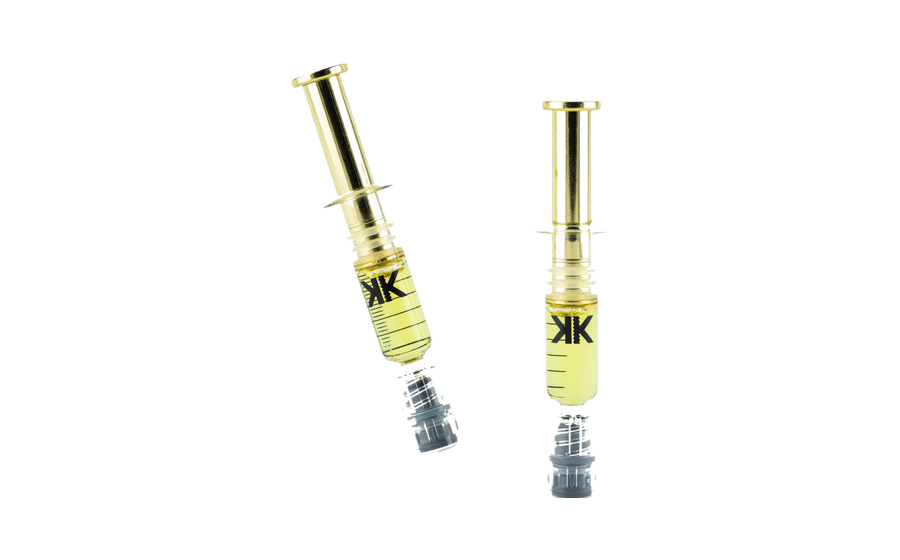
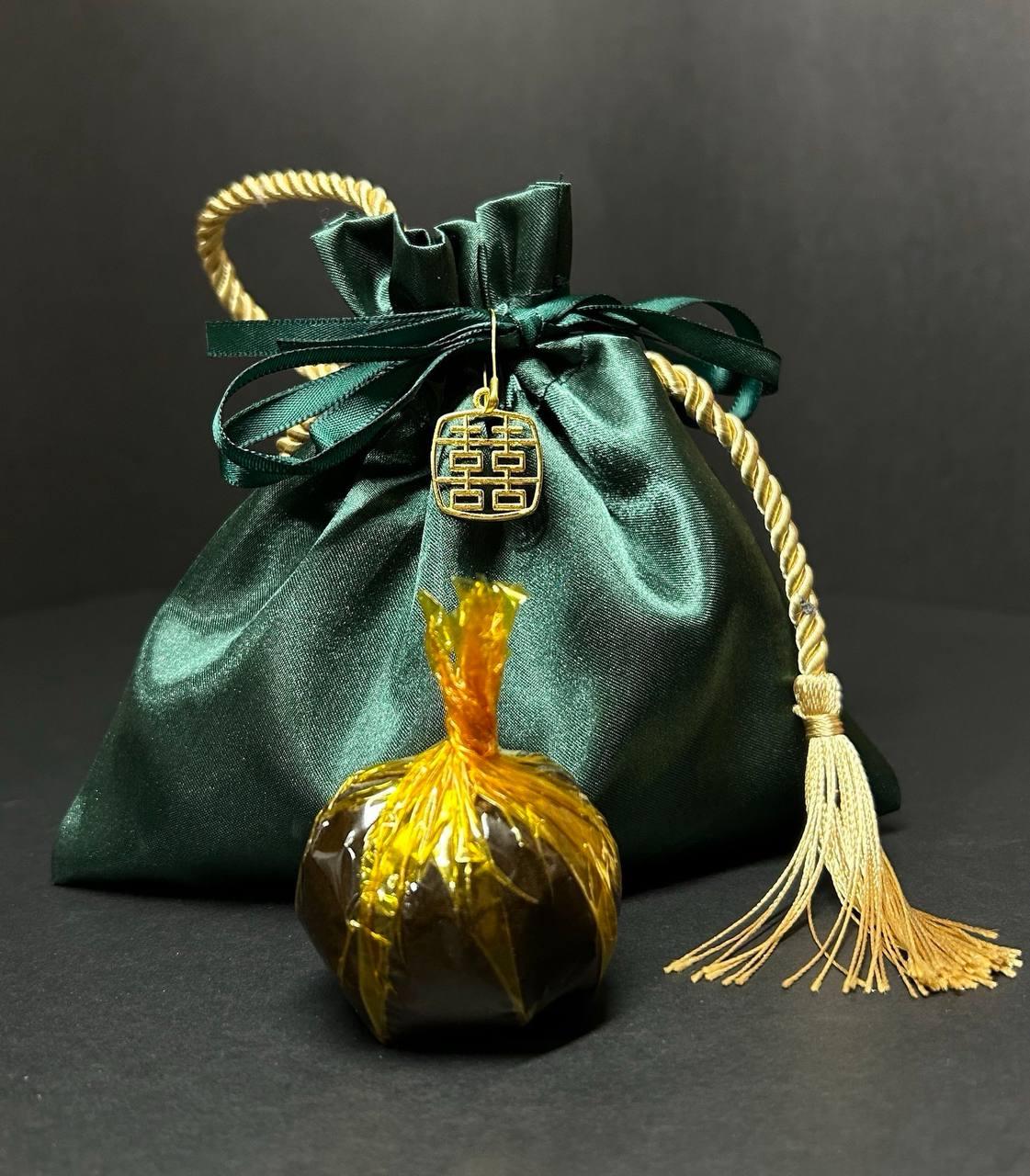
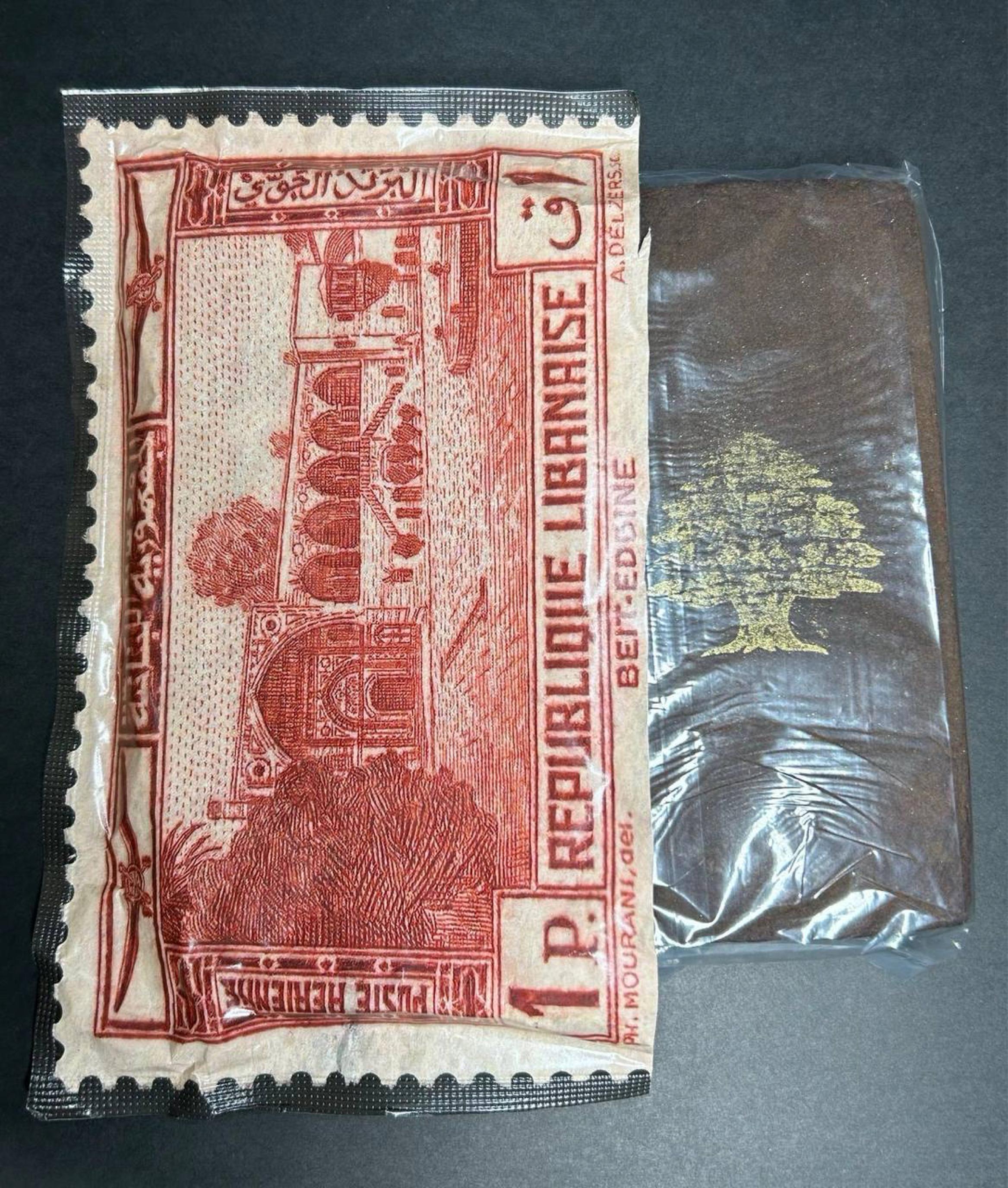
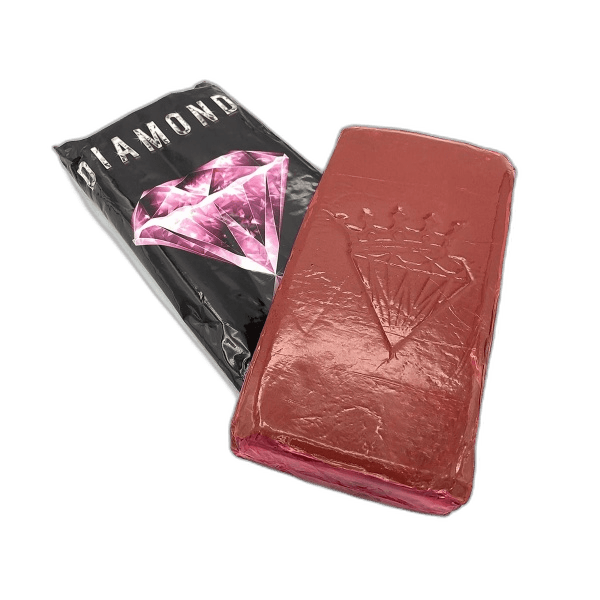
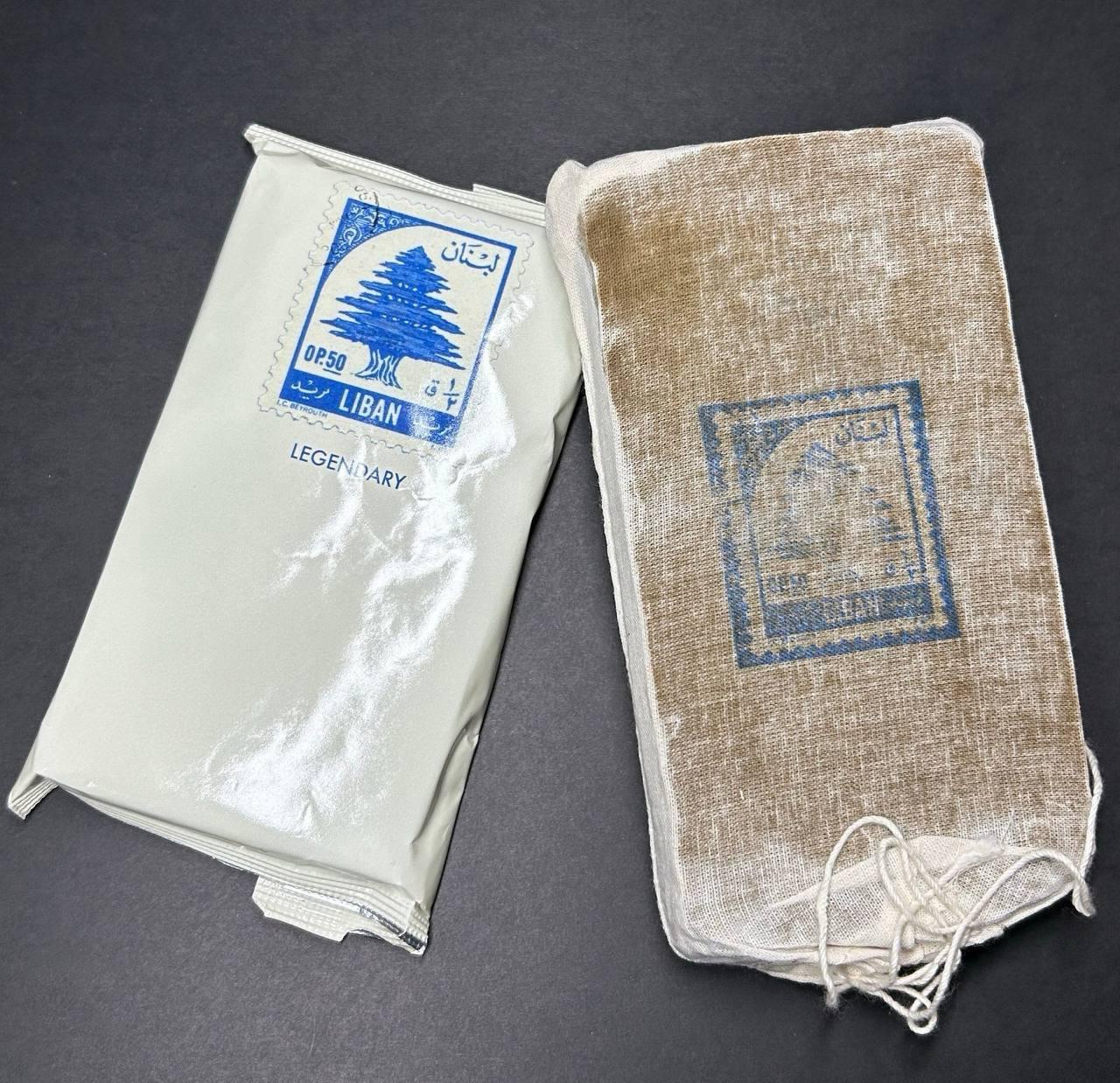
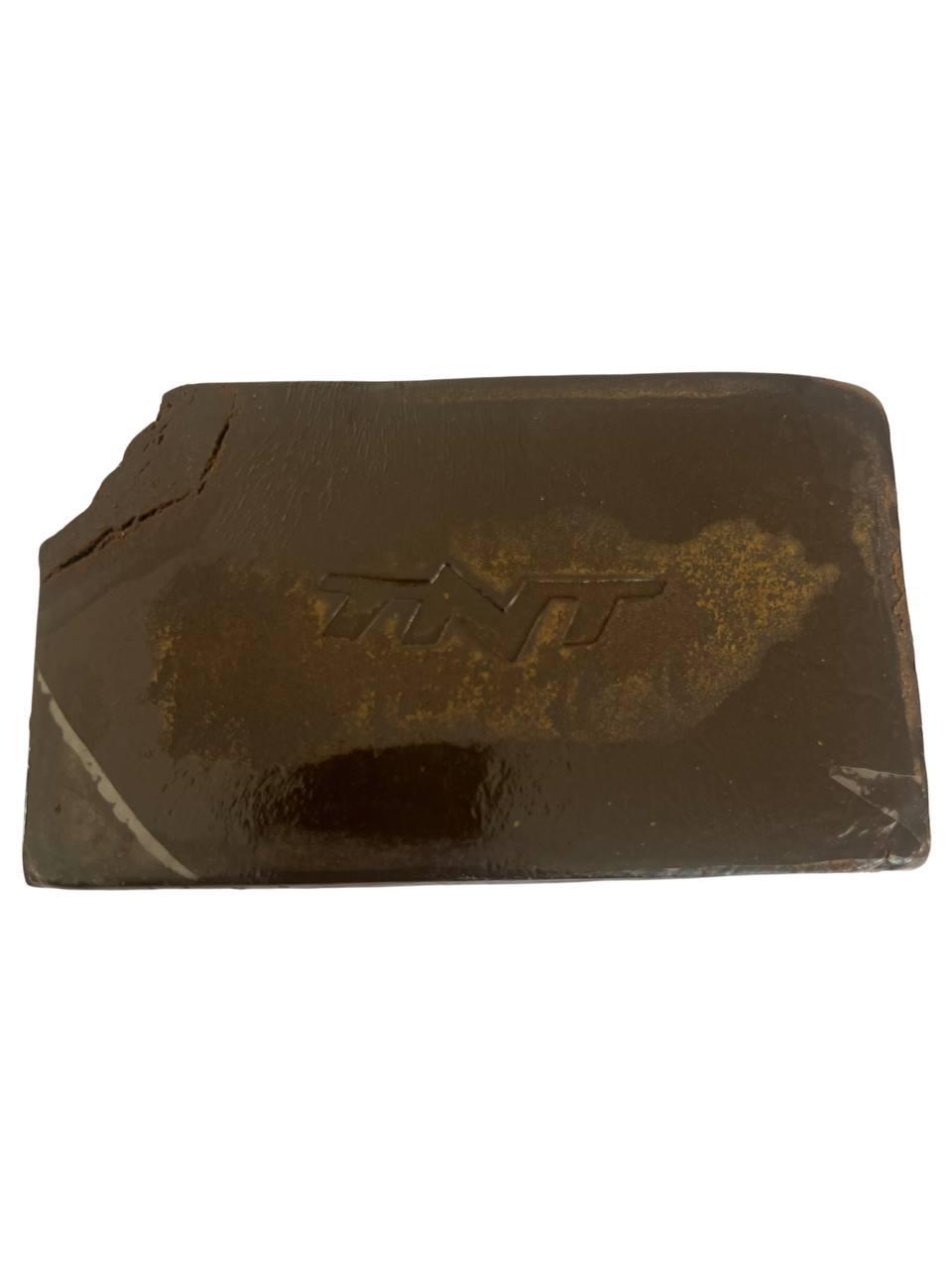
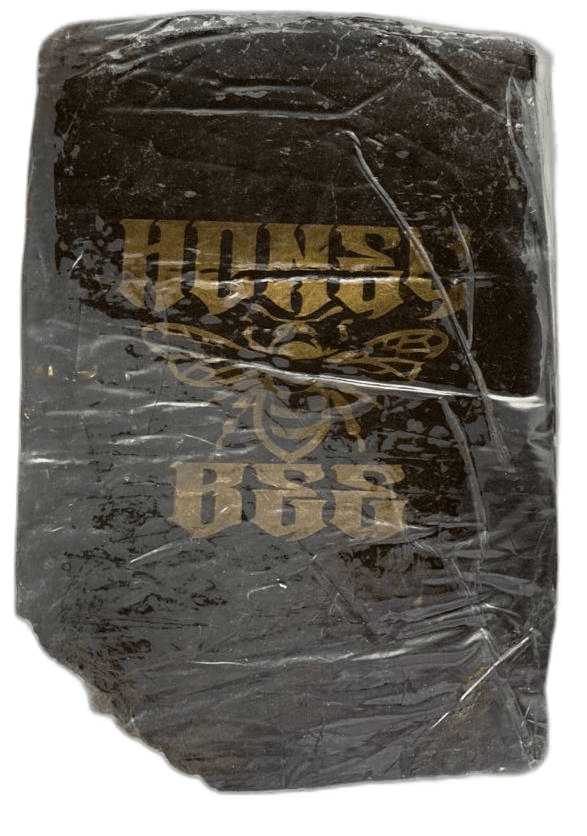
Hash on the live menu
 Sale
Sale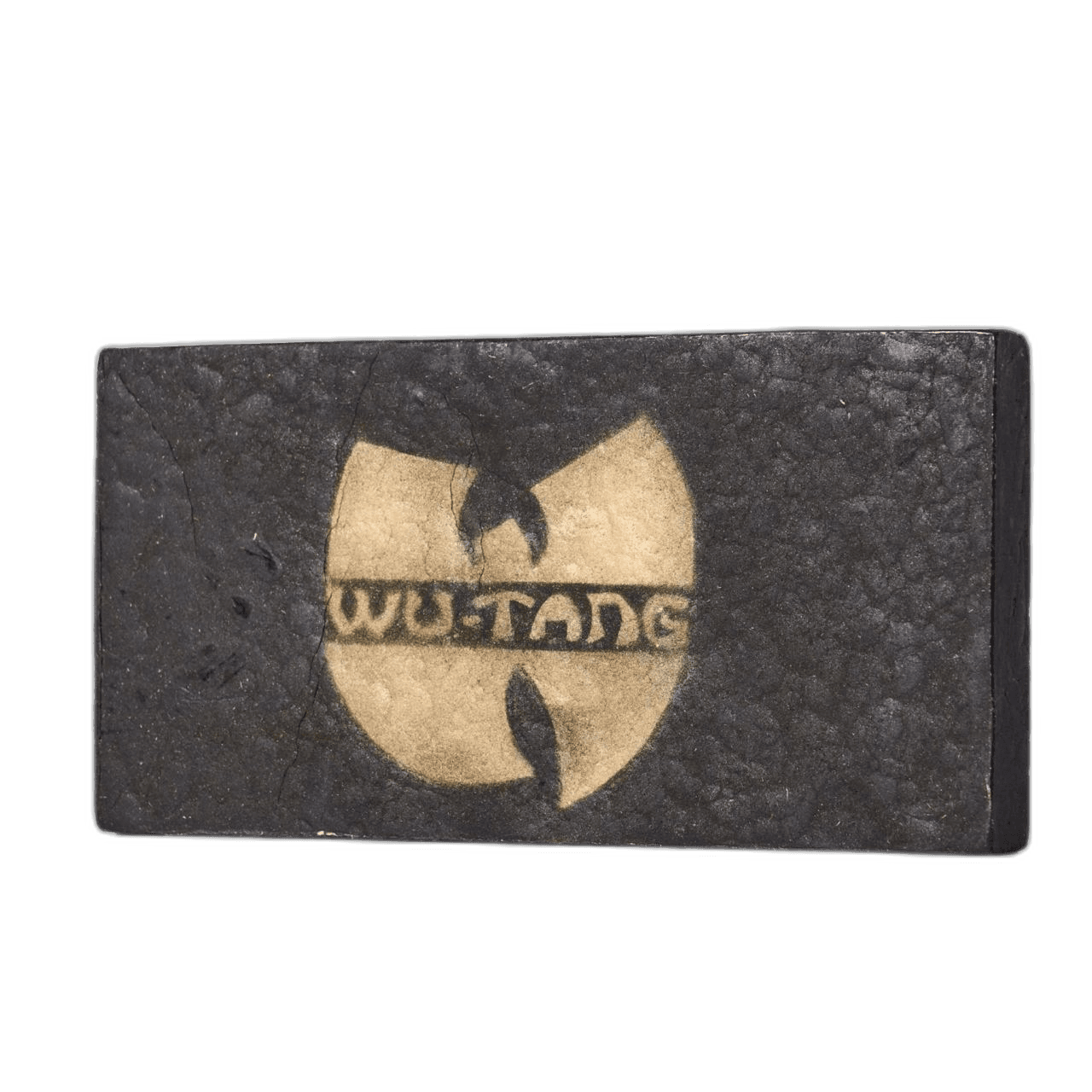
 Sale
Sale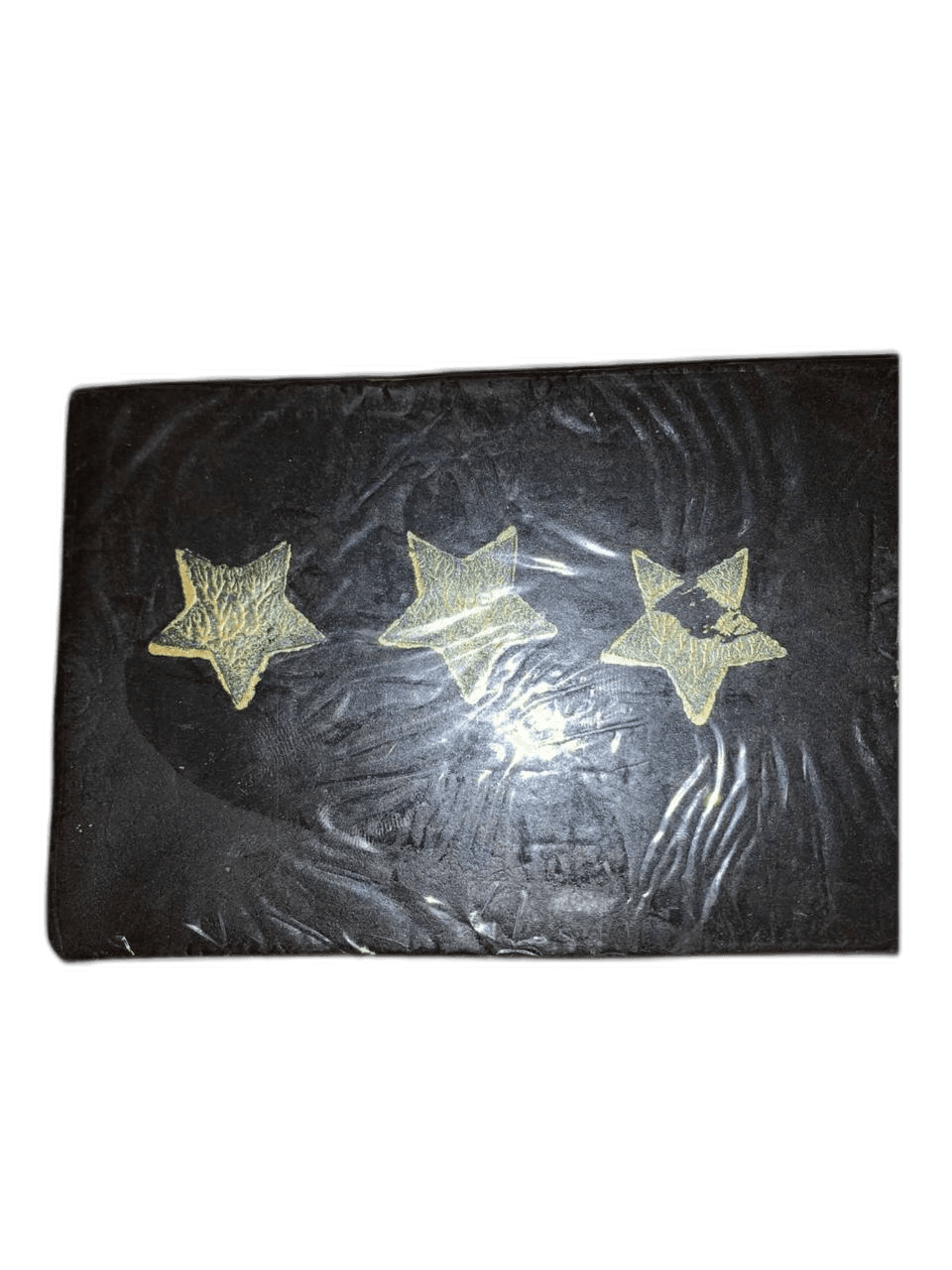
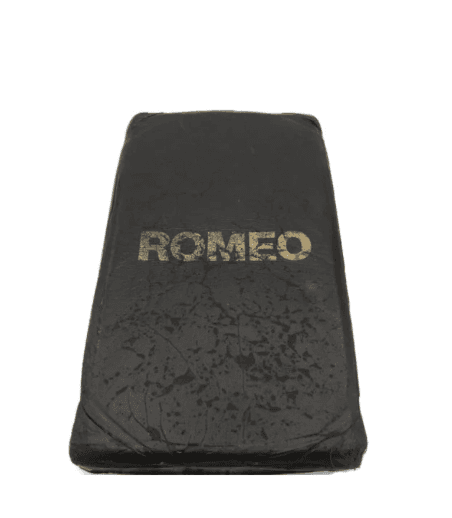
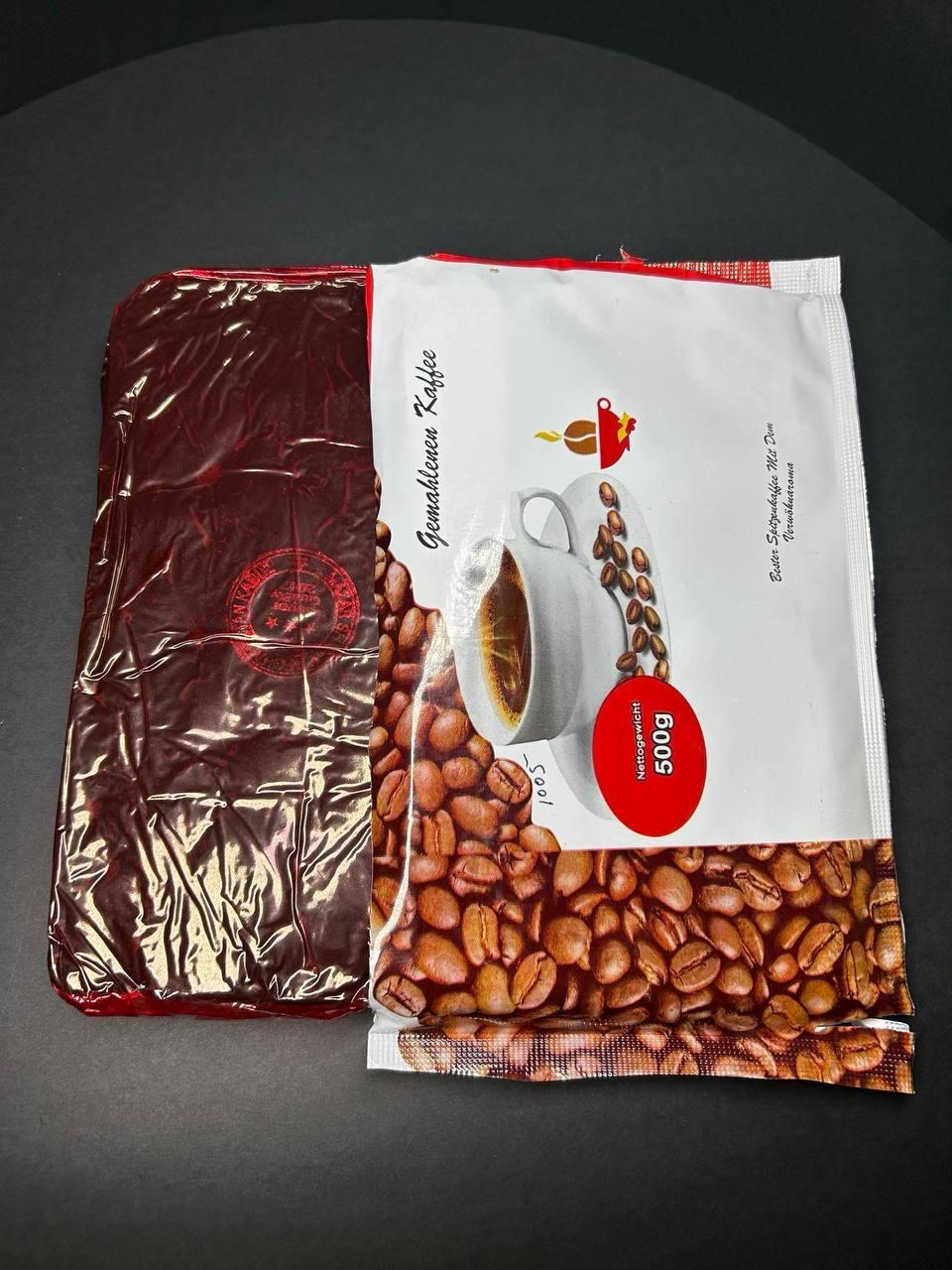
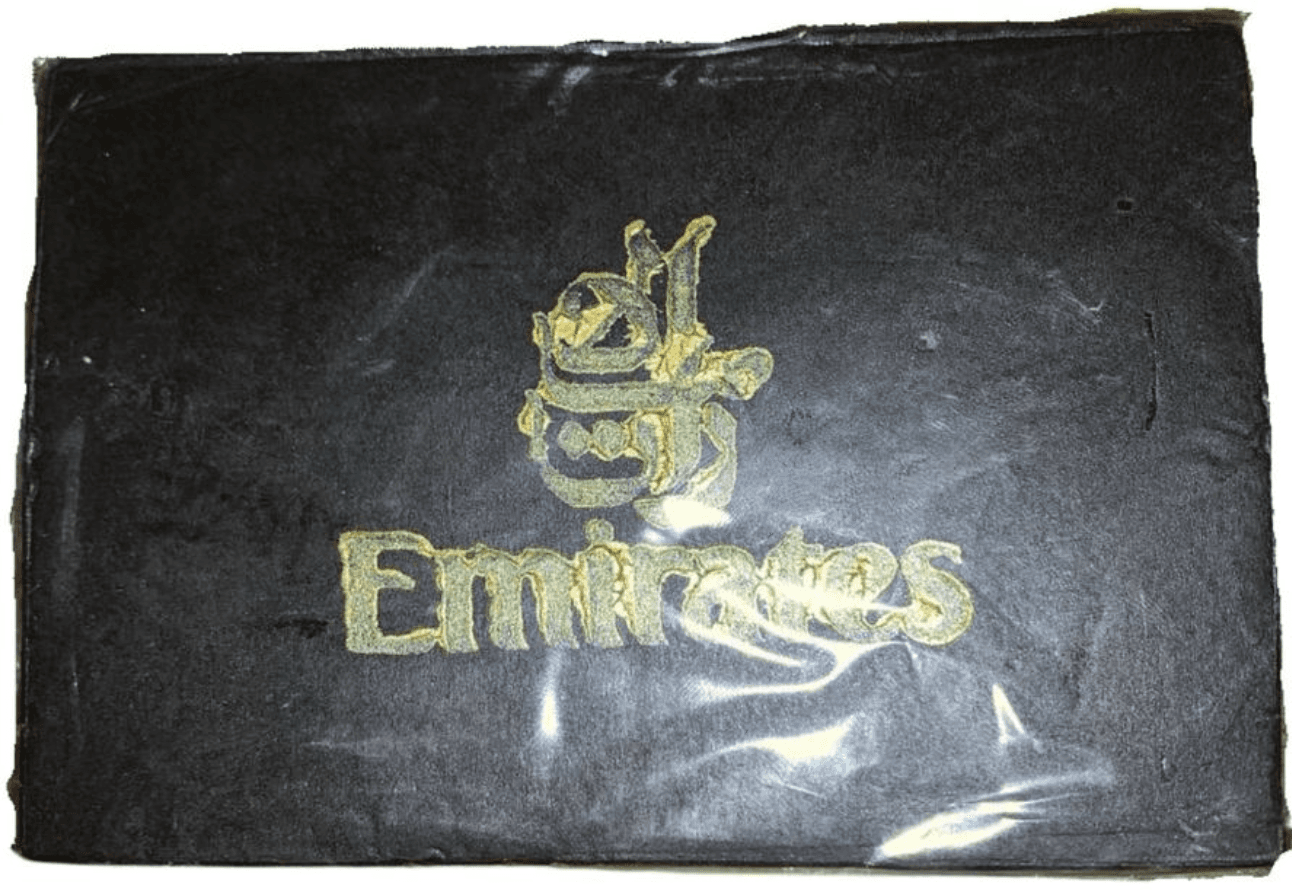
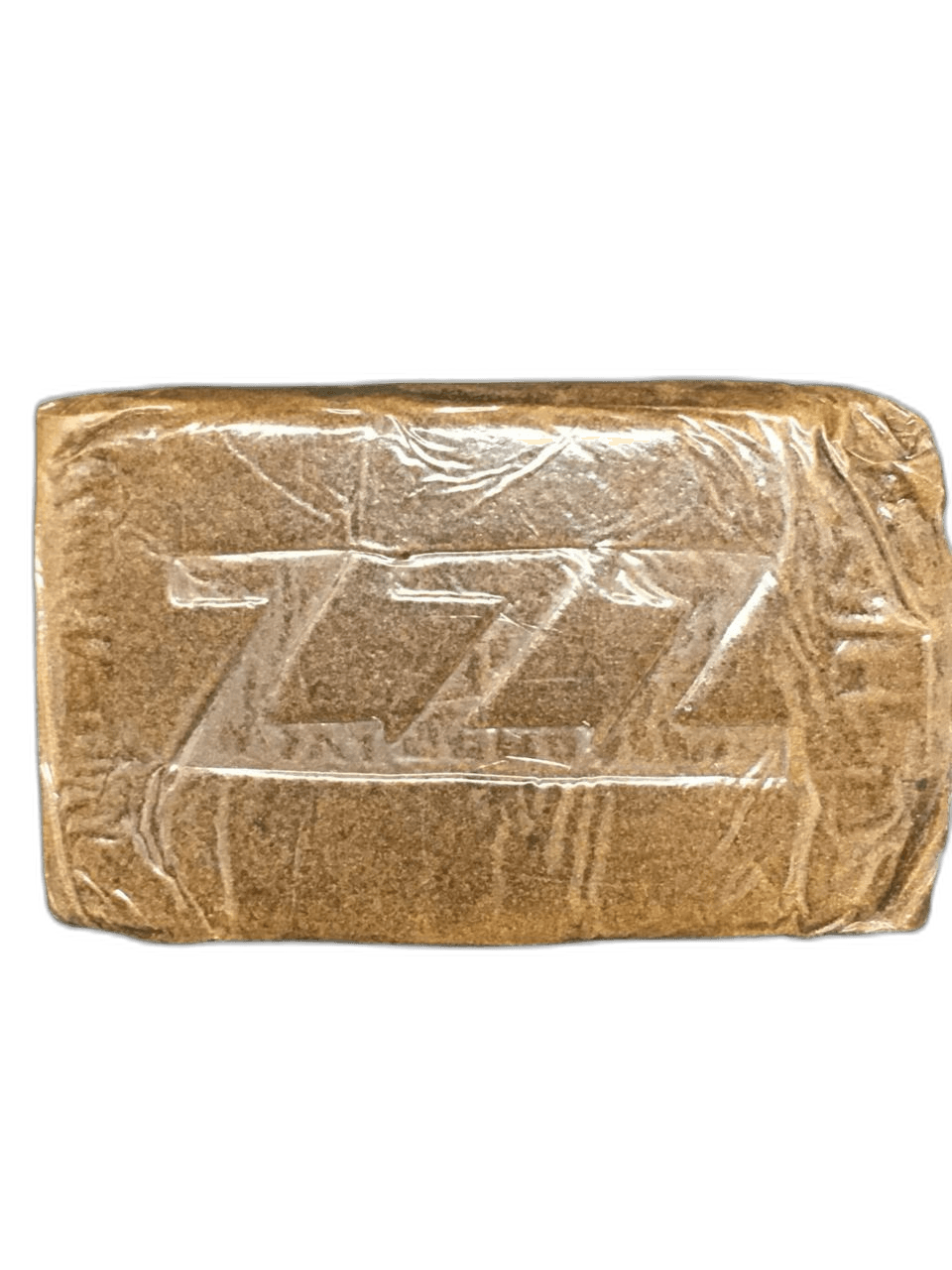
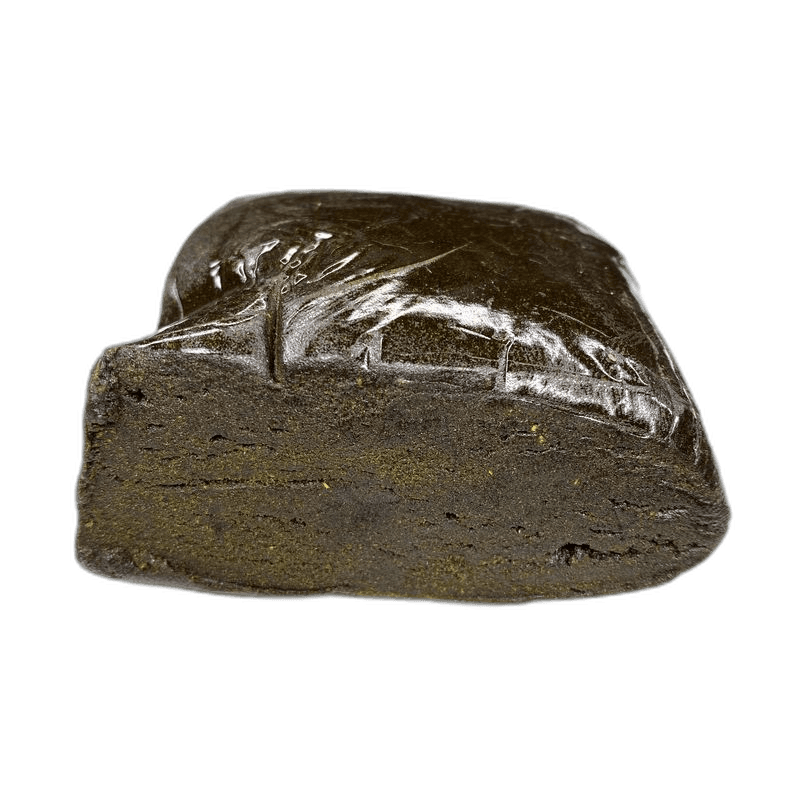
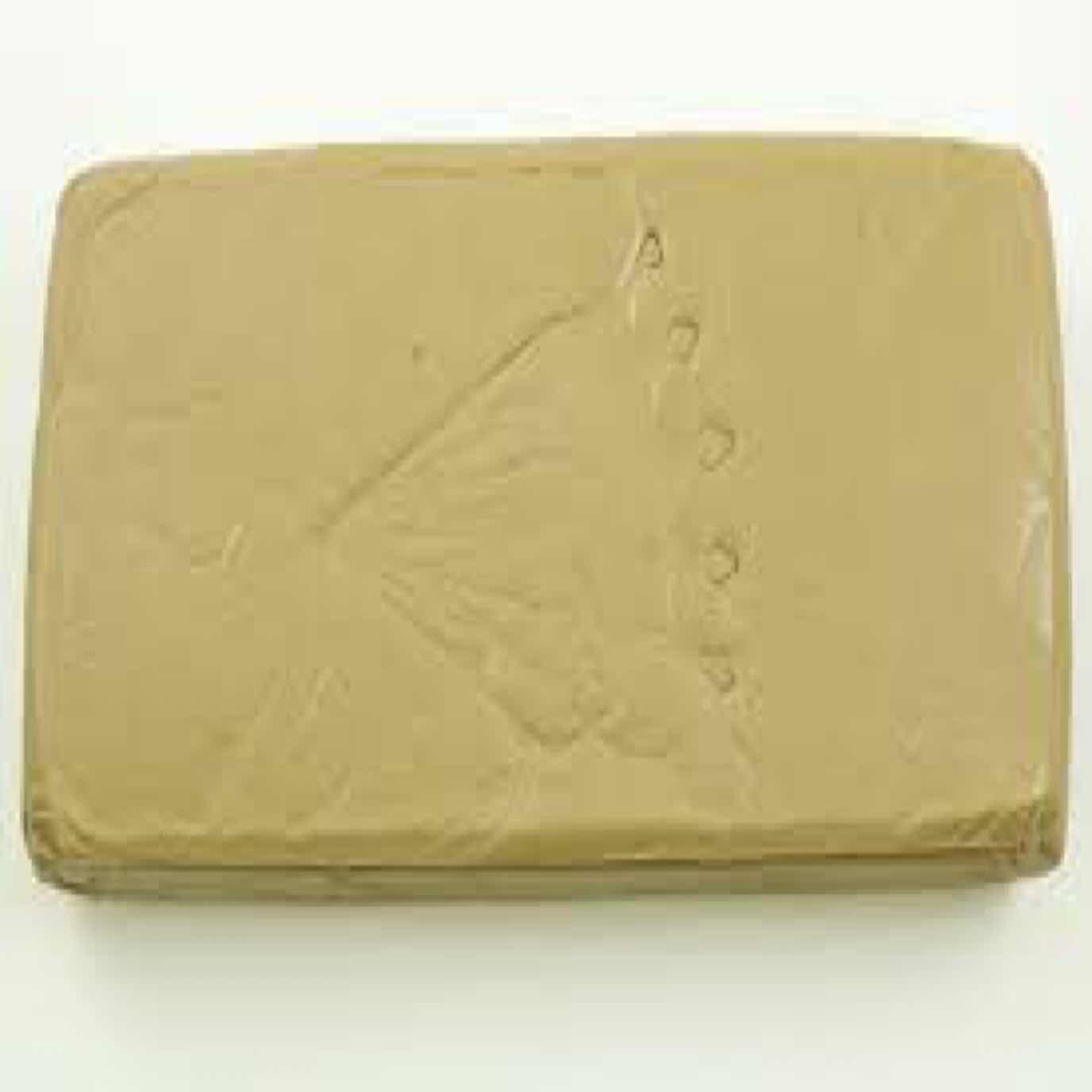 Sale
Sale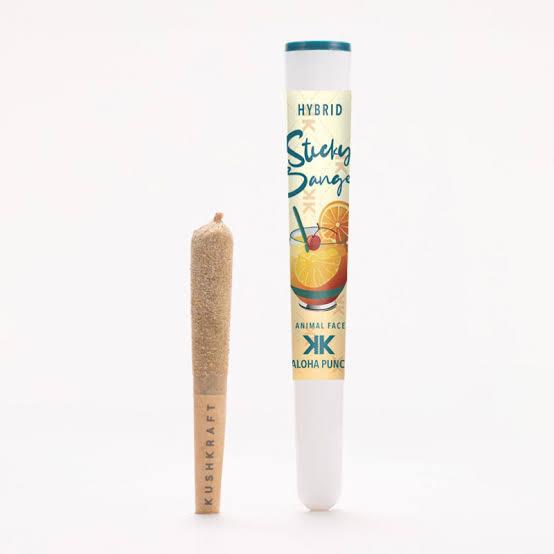
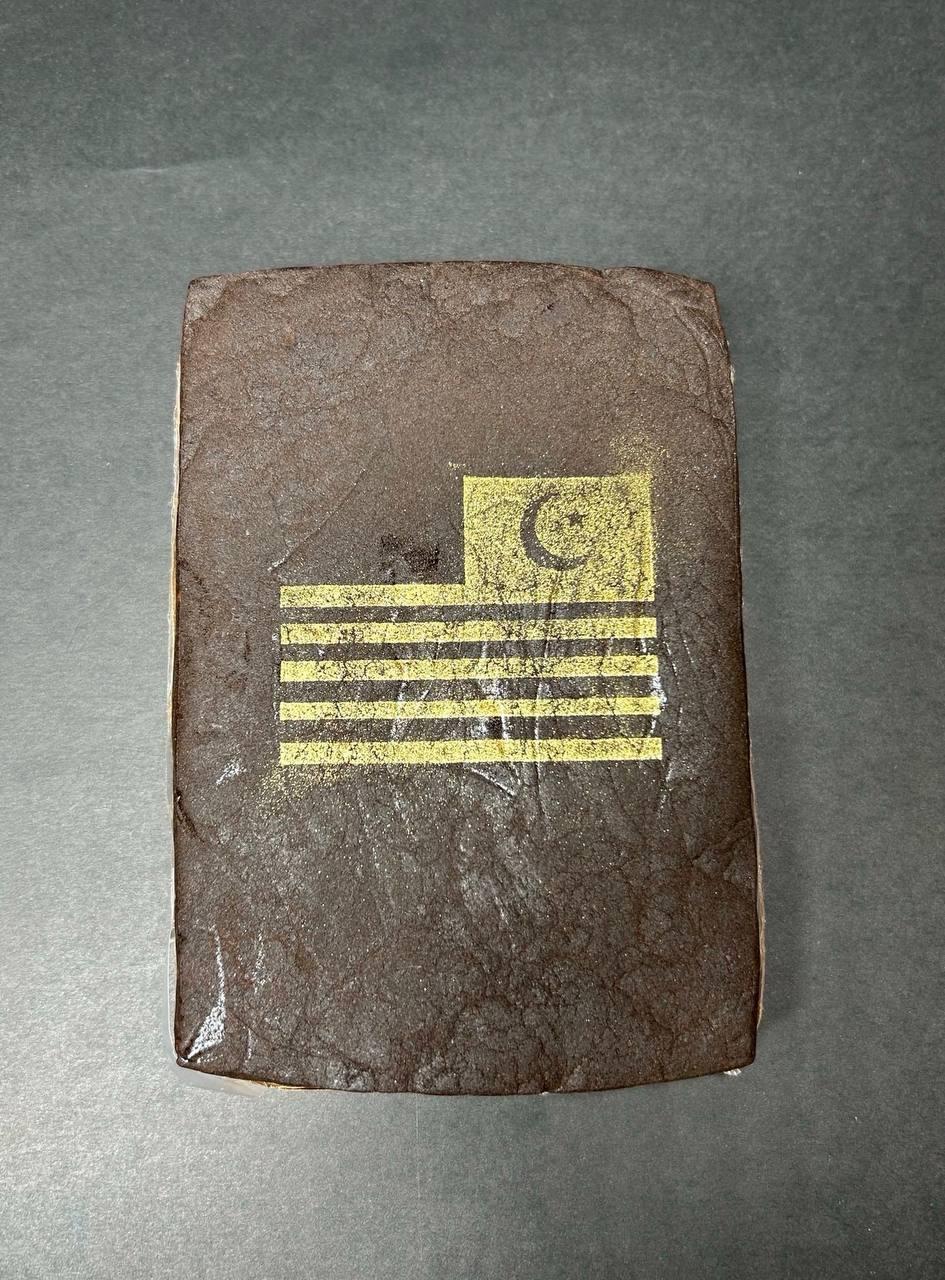
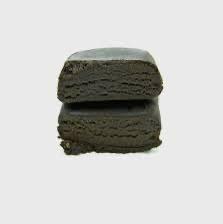
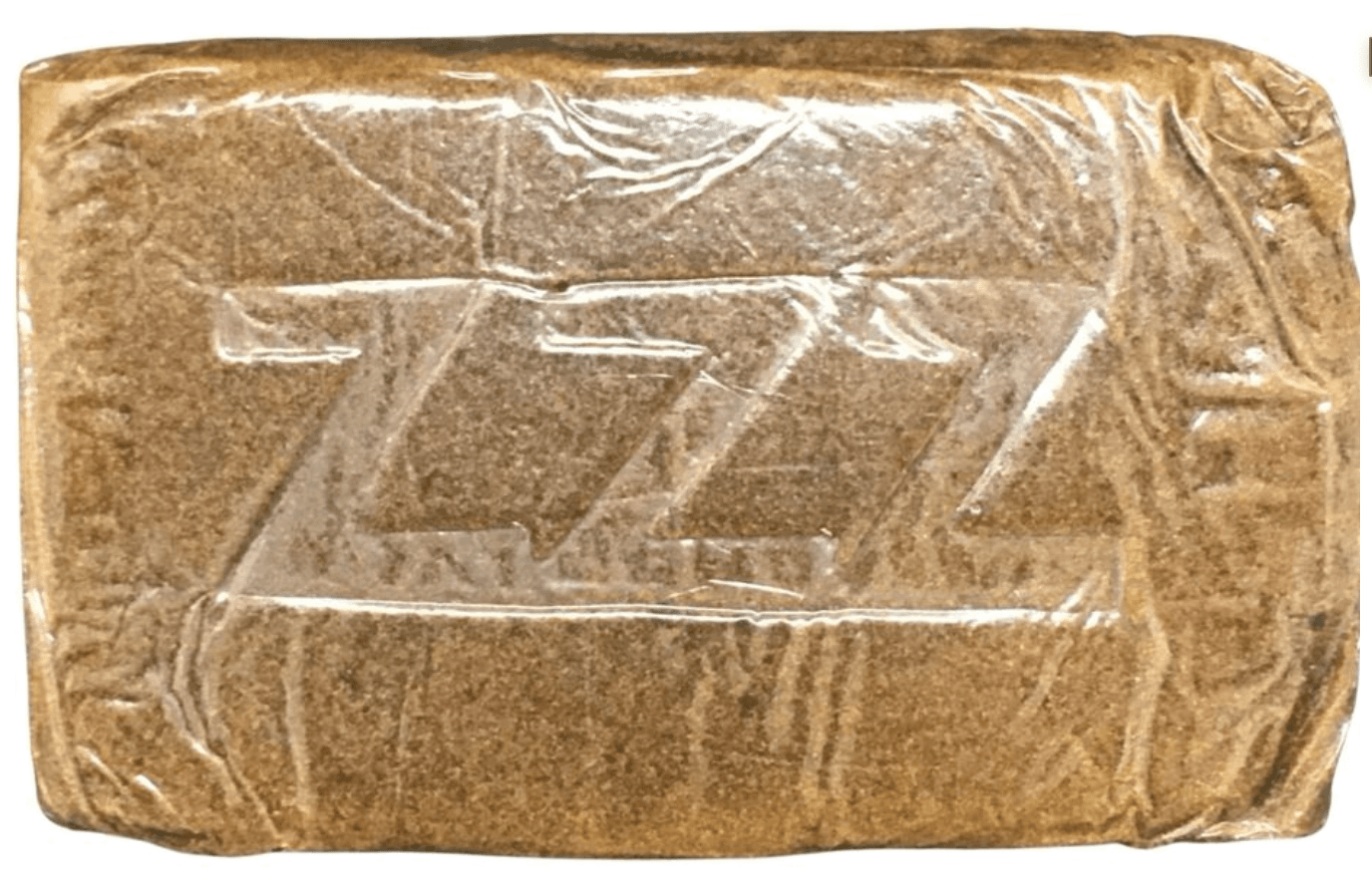
Hash is compressed resin, the sticky glands (trichomes) of the cannabis flower pressed together. The European Union Drugs Agency (EUDA) notes it is usually made by hand-rubbing or sieving, and that method and care change its look, texture, smell and potency a great deal.
For the ordering steps, see buying hash online in Canada.
What do Afghan, Moroccan and the other names mean?
Most hash menu names are old trade names. Early last century, resin production centred on Kashmir, Afghanistan and parts of India, with Greece, Syria, Nepal, Lebanon and Turkey also major exporters; Morocco's sieved resin followed in the late 1960s (EUDA). The EUDA now asks what 'Moroccan' even means when some may be made elsewhere, so read a country name, or 'imported' in a title, as a style, not proof of origin.
- Afghan, Mazar, Balkhi. A 2009 survey by the United Nations Office on Drugs and Crime describes dried plants threshed and sieved into a resin powder called garda (the first, gentle sieving gives the top grade), then heated and hand-pressed into hashish, locally called charas. The prized northern Balkhi kind, 'milk of Mazar', is greenish brown; machine kneading gives a thick, dark brown paste.
- Moroccan, Beldia, 00. Moroccan resin is traditionally sieved from harvested, dried plants (Chouvy and Afsahi, 2014). 'Zero-zero' was the usual top local grade of sieved powder (Chouvy and Macfarlane, 2018), and beldiya, from the Arabic for countryside, is what Rif growers now call the old local plant as high-yield hybrids replace it.
- Lebanese, red or blonde. Lebanon's Bekaa valley also sieved, and its renowned 'Red Lebanon' was made in large quantities until the early 1990s (Chouvy and Afsahi). Red and blonde on a menu are part of the name.
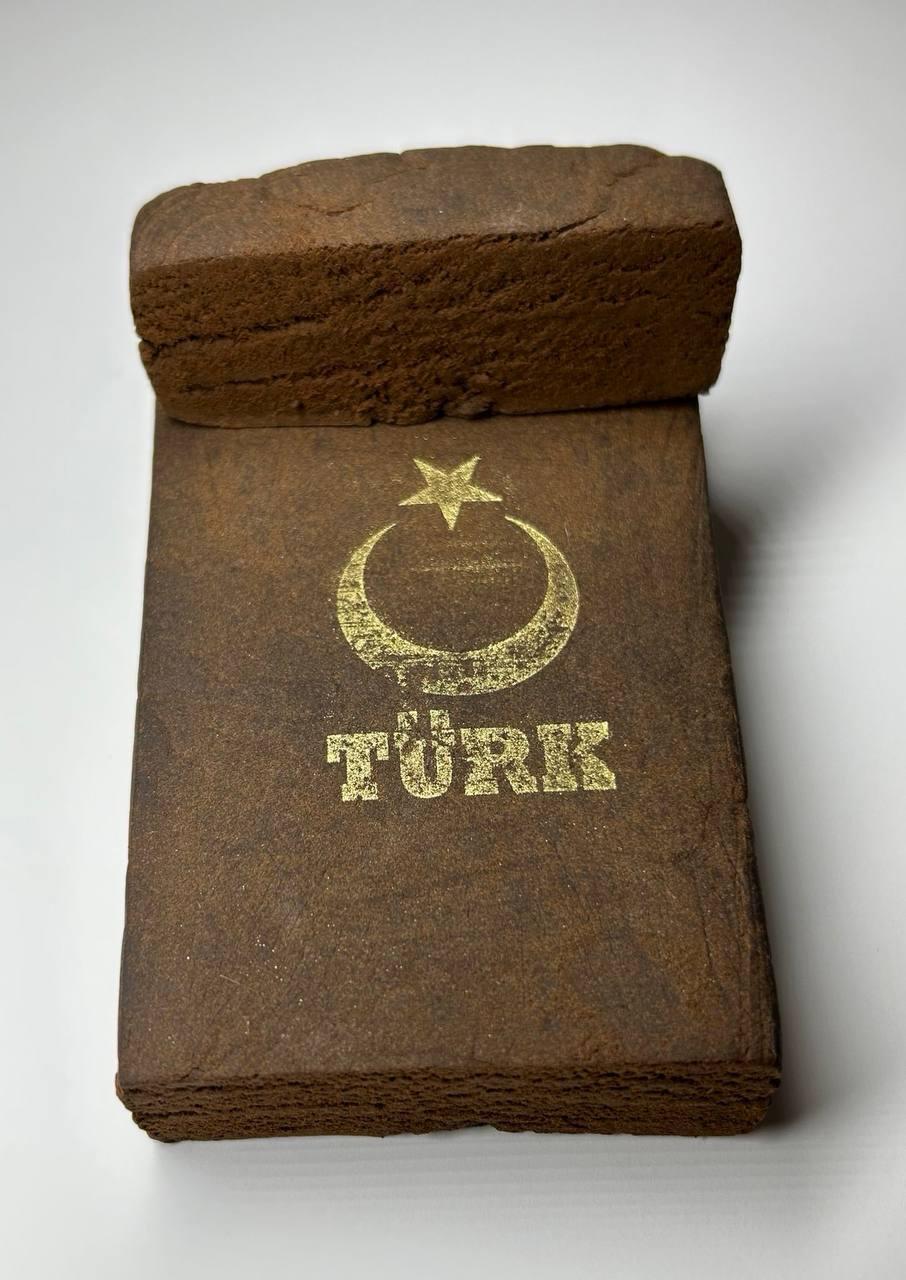
- Turkish. Turkey was a major producer early last century (EUDA); the name alone says little about a given piece.
- Kashmir, Nepal, temple ball. These point to hand-rubbing: flowering branches are rubbed between the palms until resin builds up, a method Chouvy and Afsahi place only in India (Kashmir included) and Nepal. A collector gathers 10 to 25 g in a full day. The Hash Marihuana & Hemp Museum describes this charas as usually dark brown or black, slightly sticky and soft at room temperature. More on Nepalese hash.
How do bubble hash, dry sift, kief and full melt differ?
These describe a method or a grade, not a place.
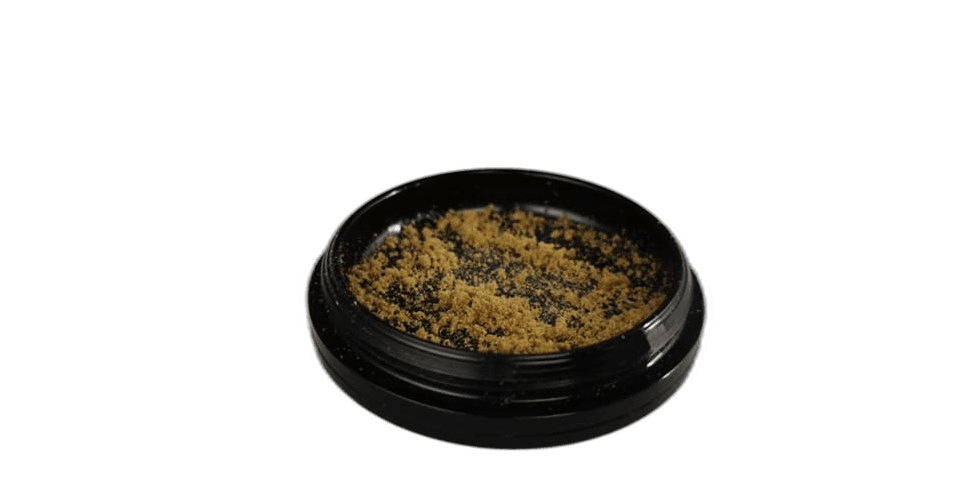
- Kief is loose resin glands sifted through a fine screen; traditionally it was heated and pressed into hash (Wikipedia). See what kief is.
- Dry sift is kief refined through screens of different micron sizes, with no water or solvent; it can be pressed (Leafly).
- Bubble hash comes from agitating flower in ice water inside mesh 'bubble bags'; Leafly says it runs from light blonde to dark brown and is named for bubbling under a flame. More in bubble hash explained.
- Full melt is a grade: Leafly uses it for high-grade dry sift or water hash that melts fully without residue or char, usually 5 or 6 on a 6-star scale.
How do you judge a hash listing?
On a listing, look for:
- How it was made (sieved, hand-rubbed, ice water, pressed kief), not just a country.
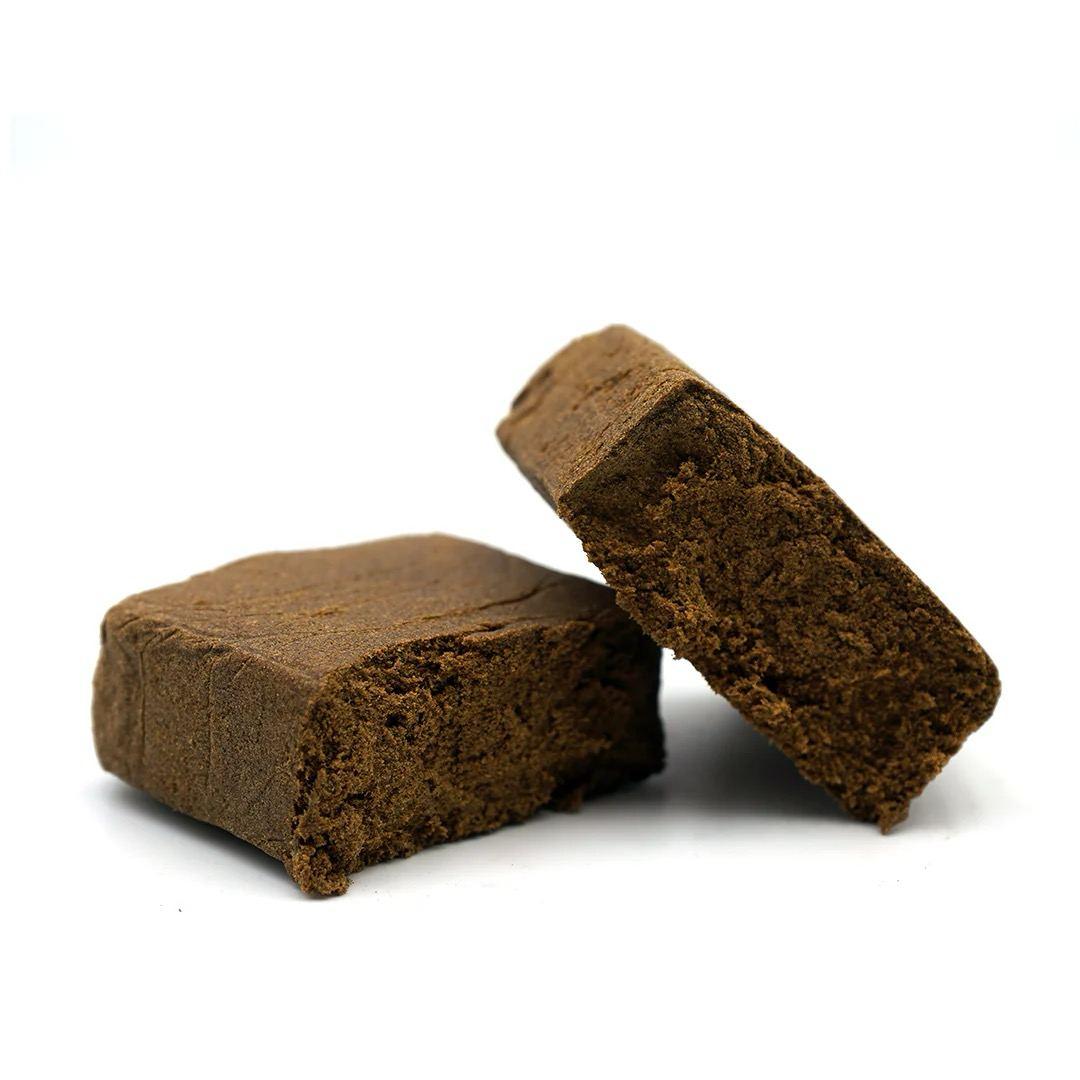
- Texture words: hard, crumbly, pliable, powdery. Sieved hash tends to be harder and denser than hand-rubbed, from light brown and dry to very black and sticky (Hash Museum).
- A clear photo of the actual piece, ideally broken open, and the price per gram at each size.
- THC as a rough guide only: the European Drug Report 2025 stresses that THC in retail resin samples varies considerably.
What should hash look and smell like when it arrives?
Start with texture. Pressed, sieved hash is usually firm and softens as a small piece warms in your fingers; hand-rubbed hash is soft and slightly sticky from the start; loose kief and dry sift are powdery. Anything sold as full melt should melt almost completely when heated.
Then smell it: resin should smell clearly of cannabis, and one that smells of nothing, chemicals or must deserves a second look. The EUDA notes that dirt, plant fragments and weight-adding adulterants turn up in resin, and a British research project found impurities of up to 80% in some Moroccan resin seized in the UK from 1999 to 2001 (Chouvy and Macfarlane). If it doesn't match the listing, contact the seller before using it.
What does hash cost per gram in October 2026?
In October 2026, most hash on the GasDank menu costs $10 to $20 per gram, usually in 1 g, 3.5 g, 7 g, 14 g and 28 g sizes; kief is sold by 14 g or 28 g. Prices change; the hash menu shows current names and prices.
How strong is hash compared with flower?
Stronger, on average: seized resin in the European Union averaged 23% THC in 2023, more than twice the 11% of herbal cannabis (European Drug Report 2025). Health Canada lists hash and kief among the high-THC extracts and suggests new or occasional users avoid them, and its lower-risk cannabis use guidelines advise against deep inhalation and breath-holding. See the guide to smoking hash for methods.
How should you store hash?
Cool, dark and airtight. In a four-year study, hashish and herbal samples at room temperature (22°C), in light or darkness, lost almost all their THC, and light changed both how fast it broke down and how much became CBN (Zamengo and colleagues, 2019). Some Rif producers vacuum-seal and freeze pressed hash to keep potency and flavour (Chouvy and Macfarlane). At home, keep it sealed, cool and dark, out of reach of children and pets.
How does hash ship from GasDank?
Toronto and the GTA get same-day delivery, usually within 1 to 2 hours, paid in cash or by Interac e-Transfer, with ID checked at the door: a $40 minimum and $15 delivery (free from $80) in Toronto, Mississauga and Malton, or $60 and $20 (free from $160) in the outer GTA.
Everywhere else, including Hamilton, Ottawa and all of Quebec, gets tracked mail: no minimum, $20 shipping, free from $150, paid by e-Transfer only ($5 per e-Transfer) and shipped once payment arrives. Most parcels arrive 24 to 72 hours after they ship; no day or hour is guaranteed. Customers must be 19 or older (21 for a Quebec address), with ID verified before a first order (see delivery areas).
Frequently asked questions
Q.Is Moroccan hash on a Canadian menu really from Morocco?
Not necessarily. A menu name describes a style, and the EUDA points out that even hash sold in Europe as Moroccan may be made elsewhere. Judge the piece itself.
Q.What does full melt or 6-star hash mean?
It is a grade, not a style: dry sift or ice-water hash refined enough to melt almost completely when heated, usually rated 5 or 6 on a 6-star scale.
Q.How much does a gram of hash cost in Canada?
On GasDank's menu in October 2026, most hash costs $10 to $20 a gram, with sizes up to 28 g. Prices change.
Q.Can you get hash delivered the same day in Toronto?
Yes, across Toronto and the GTA, usually within 1 to 2 hours. The rest of Canada gets tracked mail order.