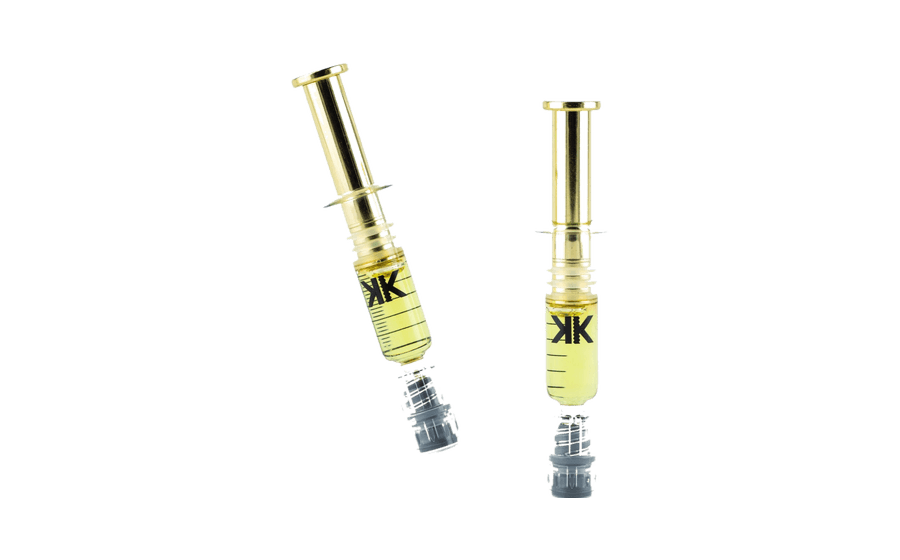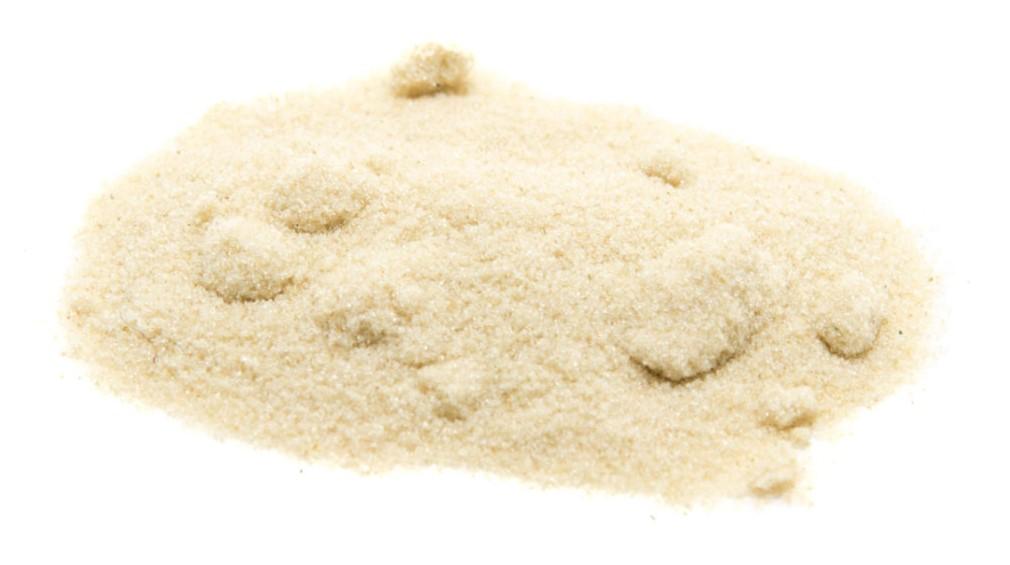
What dry sift is
Trichomes are the resin glands that frost cannabis flowers, and they are where the plant makes most of its cannabinoids and aromatic terpenes, according to a 2023 study in the Journal of Visualized Experiments. Dry sifting separates them mechanically: dried flower is sieved through a screen, by hand or in a motorized tumbler, and the glands fall through as a powder called dry sift or kief, as Wikipedia's entry on hashish describes. Pressing that powder makes hash.
Sieving is one of the two standard methods. The European Union Drugs Agency says cannabis resin is usually produced by hand-rubbing or sieving, and that Morocco was making enough sieved resin to export by the late 1960s. It adds that the separation method and the maker's skill and care decide how much dirt and plant matter end up in the product, which is why resin varies so much in look, texture, smell and potency.
How dry sift is made
The setup is a stack of screens, coarse on top and fine below, over a smooth surface that catches the sift. Hash screens are rated by the size of their openings in microns (thousandths of a millimetre). Leafly's glossary says top-grade, full-melt hash is usually made with screens between 70 and 120 microns, with several screens used to filter out impurities. That range lines up with the trichome heads themselves: a 2023 Simon Fraser University study measured glandular heads of 40 to 110 microns across.
- Start with dry, cured flower or trim, and chill it. Plant material turns brittle in the cold, which helps trichomes break away, and the 2023 lab protocol above uses dry ice to knock them loose.
- Shake or tumble gently on the top screen. Rough handling sends more leaf fragments through the mesh along with the heads.
- Re-sift what collects through finer screens to strip out more plant dust. The lab protocol passes material through five sieves of shrinking pore size.
- Scrape the sift together with a card, then store it or press it.
How dry sift is graded
Grade comes down to purity: how much of the sift is trichome heads rather than stalks, leaf and dirt. Pure sift turns gooey and pliable when pressed and can start to melt at the touch, while leaf matter lowers purity and gives the product a green tint, per Wikipedia.
Hash makers describe grades by how well the sift melts. Leafly's glossary describes a one-to-six-star scale for dry sieve and water hash:
- Full melt (5 to 6 stars): highly refined; melts completely and leaves no residue or char.
- Half melt: melts only partway, leaving residue behind.
- Dabbing: Leafly notes that full melt and rosin are typically the only solventless concentrates that get dabbed.
Dry sift vs kief, bubble hash and rosin
All four are ways of collecting the same trichome resin. What changes is how it is separated and finished.
- Kief: the same material at heart. Wikipedia defines kief as detached trichomes, usually sifted through a fine screen, and that includes the dust that gathers in a grinder's catch screen. See our guide to kief.
- Bubble hash: trichomes are knocked loose in an icy slush, sink to the bottom and are filtered through mesh bags with different screen sizes. It uses water but no solvents. More in our bubble hash explainer.
- Rosin: flower, dry sift or ice-water hash pressed between heated plates until the oil is squeezed out, again without solvents. Our rosin vs resin comparison covers how it differs from solvent-made resin.
- Solvent extracts: hash oil is made by dissolving the resin out with solvents, the EUDA's cannabis profile notes. Producing cannabis products with organic solvents is a criminal offence in Canada, according to the Department of Justice, and dry sifting needs no solvent at all.
How people use and press dry sift
The simplest use is a pinch sprinkled over flower in a joint or bowl. Wikipedia notes that people add kief to cannabis for a stronger effect, and that this can bring unwelcome levels of intoxication. Our guide to smoking hash covers pipes, joints and vaporizers.
To make hash, sift is compressed with gentle heat into a block or coin; pure sift binds easily, and Wikipedia notes kief has traditionally been pressed into hash for convenience in storage. Sift can also go into a rosin press. For edibles it needs decarbing first: see how to decarb kief.
Health Canada lists hash and kief among extracts with a high concentration of THC and suggests new or occasional users avoid them. If you do use sift, start with very little, and follow Health Canada's lower-risk guidelines, which advise against deep inhalation or holding smoke in. For questions about cannabis and your health, ask a doctor or pharmacist.
How to store dry sift
Oxygen, light and heat are what age sift. THC oxidizes to CBN with oxygen and light, according to a 2016 study in Cannabis and Cannabinoid Research, and the EUDA describes CBN as normally found only in aged samples of cannabis and cannabis resin. Keep sift in a small airtight glass jar somewhere cool and dark, and store it out of reach of children and pets.
Buying hash
Rather buy than sift? Browse GasDank's hash selection. GasDank offers same-day delivery across Toronto and the GTA, usually within one to two hours, and mail order across Canada, and the menu carries lab-tested products. Customers must be 19 or older (21 in Quebec), with ID checked at the door.