Nepal Temple Ball Hash
Select amount to add to cart.
1 to 2 hour GTA delivery . Cash or e-Transfer . 19+ . Free over $80
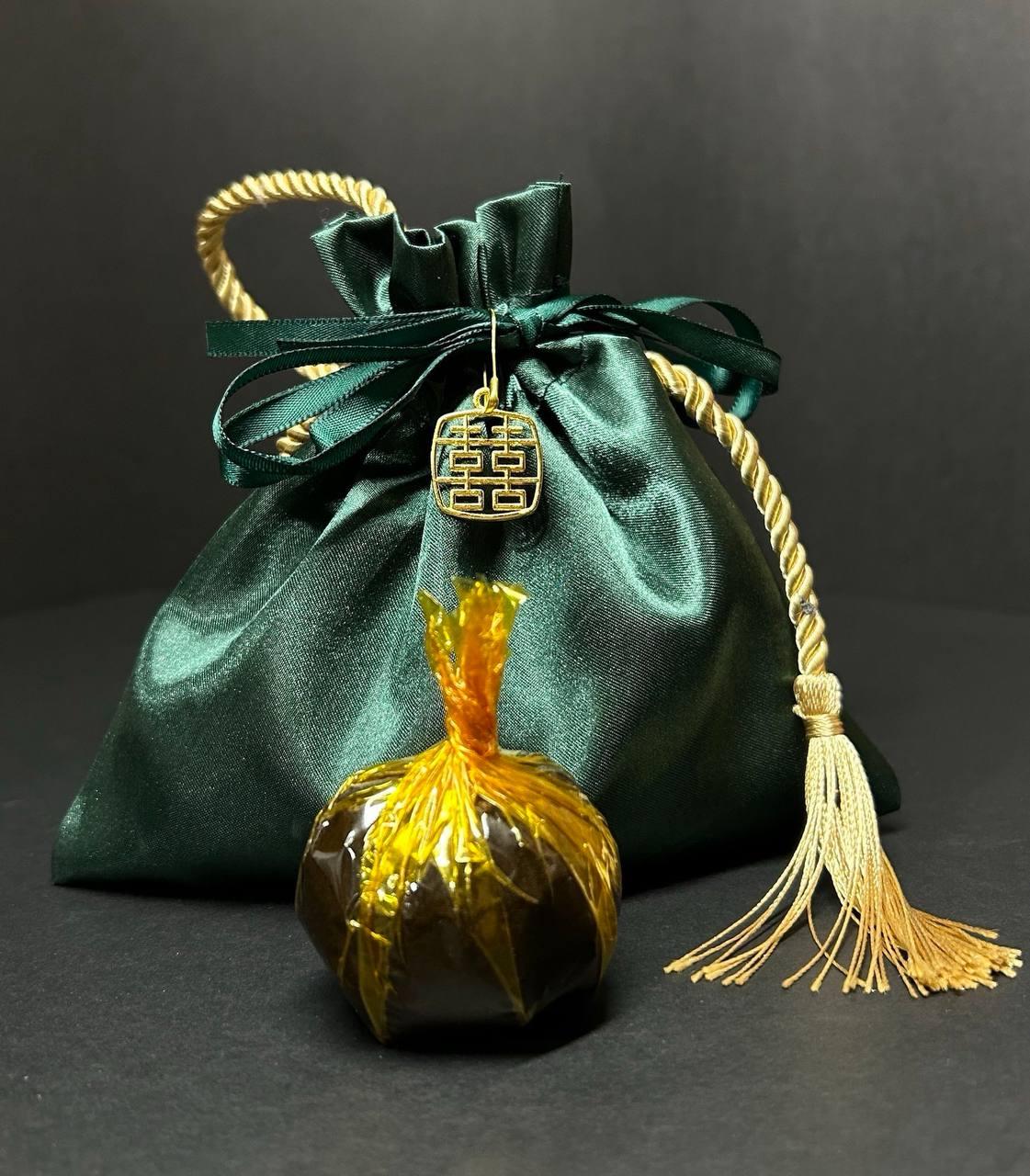
Nepal Temple Ball Hash is named for temple balls, the hand-rolled spheres of charas that Sensi Seeds says Nepal is known for. Sizes of this hash start at 1 g and go up through 1/8, 1/4 and 1/2 oz to a full ounce.
What makes a temple ball
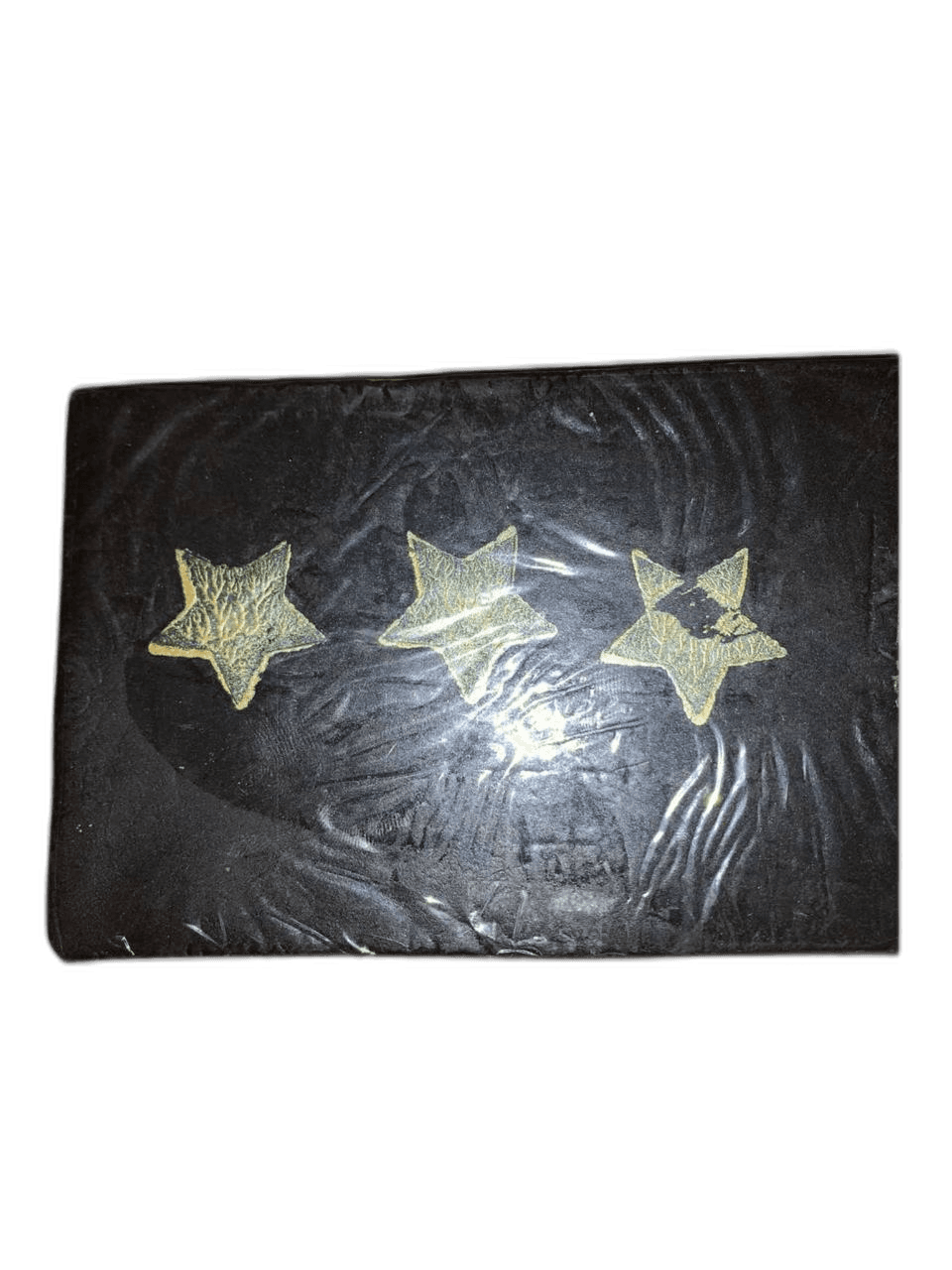
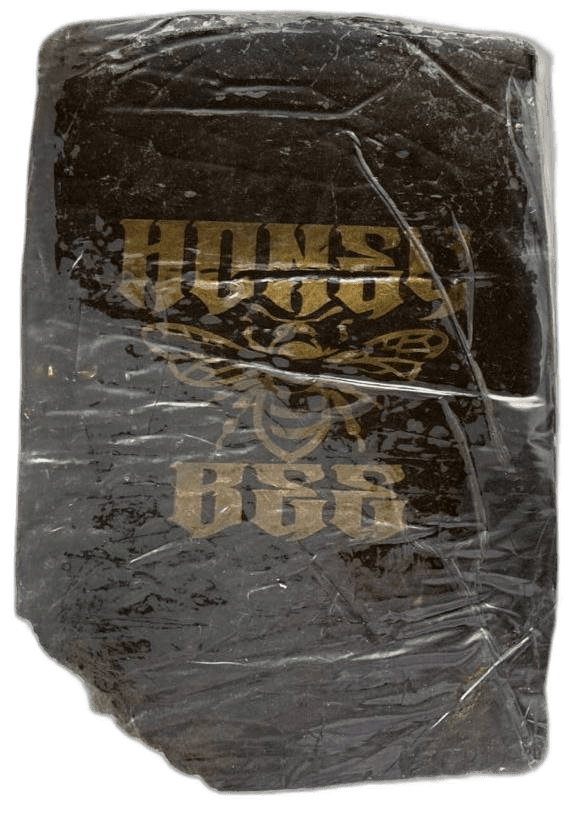
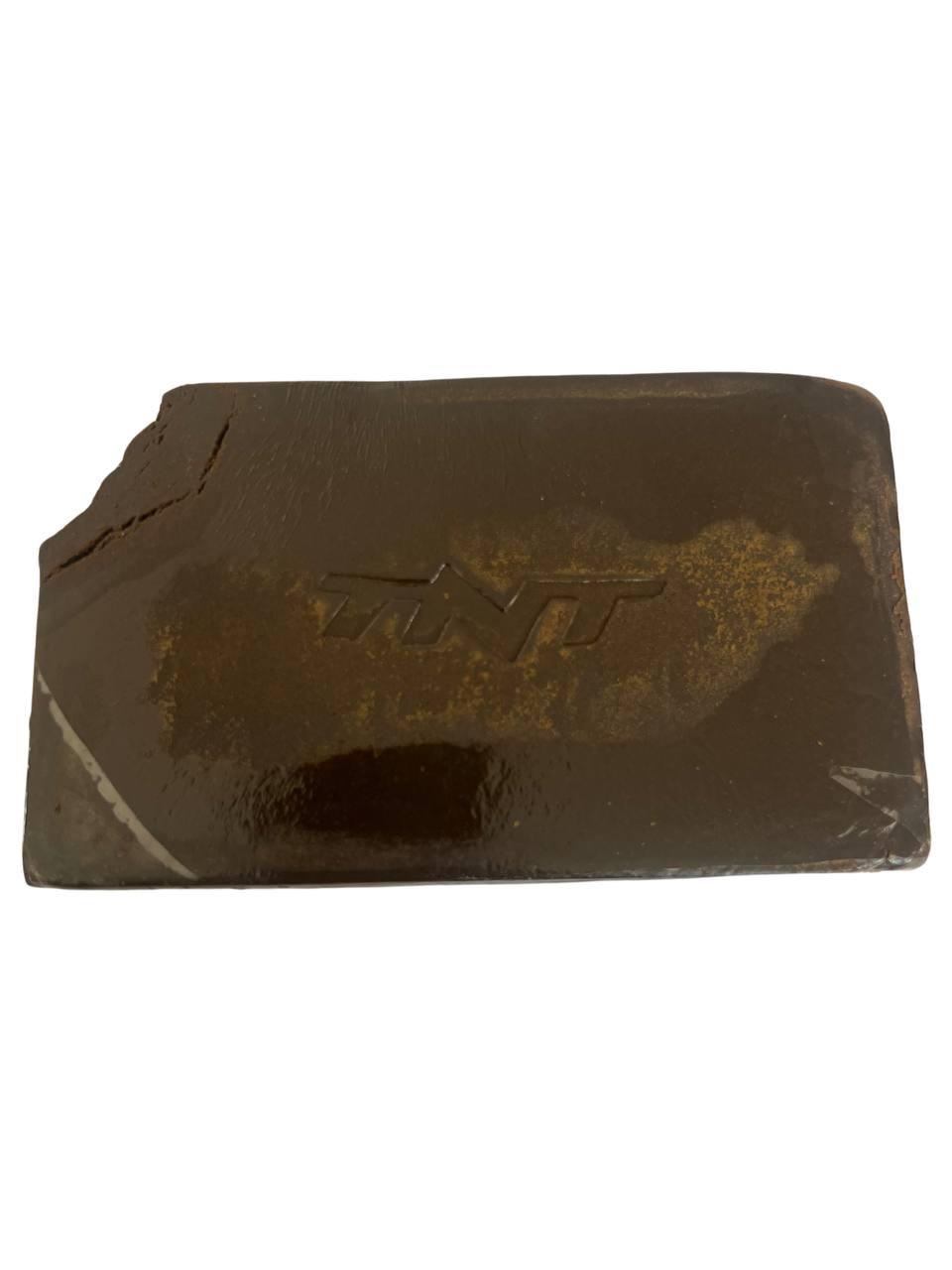
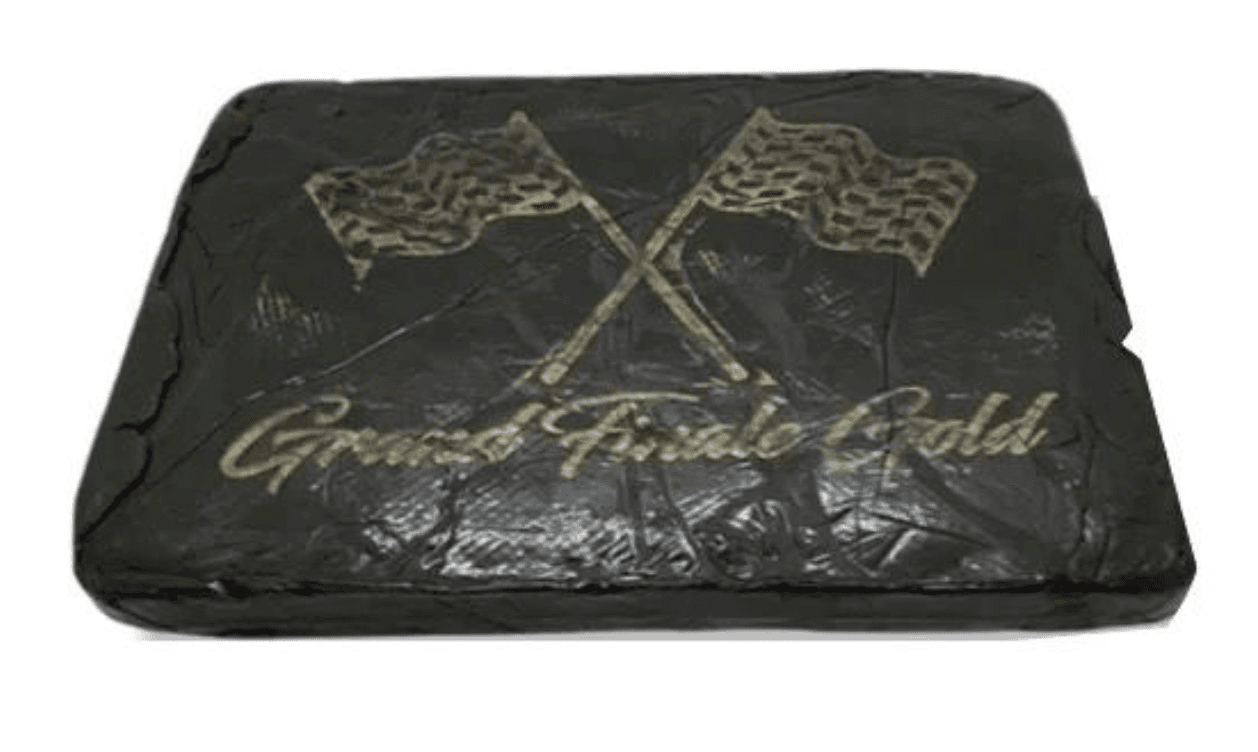
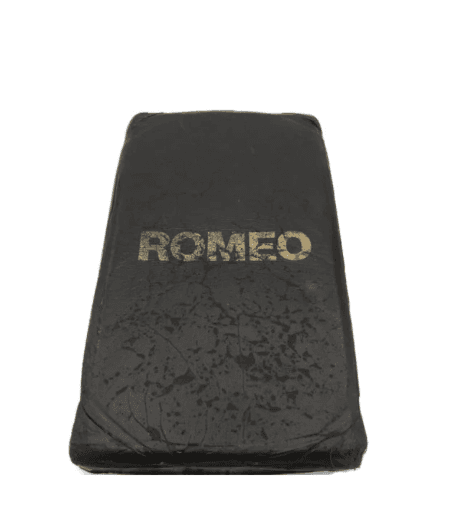
In Sensi Seeds’ description, temple balls have a distinctive mirror-like shine; in India, it says, charas is more usually rolled into dark sticks or “fingers”. Its picture of finished charas is dark and sticky but still pliable, about as workable as marzipan or modelling putty, and coloured like dark chocolate or coffee. Our Nepalese hash guide has more on the style.
Rubbed from living plants
Sensi Seeds describes charas being made from plants that are still alive and flowering: the fan leaves are pinched off between finger and thumb, then each flower is rolled in circles between the palms; friction and warmth loosen the trichomes, which build up on the hands as dark brown resin. The resin of several buds is pooled and rolled into sticks or balls, which can be used straight away or cured so the aroma and flavour deepen.
The Sensi Seeds charas article picks up from there: when the palms carry a thick, glossy layer of resin, the maker scrapes it off with the fingers in curls and rolls those into balls or fingers. Rubbing slowly gives better quality, it says, and seven to eight grams take roughly eight hours; for scale, it gives the traditional charas unit, the tola, as 11.7 g. Sensi Seeds also names Batase in Nepal and Manali in India among the Himalayan villages that keep the practice alive, where local people, often women, rub charas by hand beside bundles of freshly cut flower tops. Wikipedia’s Hashish article likewise calls hand-rubbing the traditional method, still used in remote places, and says northern India and Nepal have long made hashish as a social custom.
Nepal’s long history with charas
Wikipedia’s Cannabis in Nepal page says Nepal has used cannabis for centuries and regards it as a gift of the god Shiva and as a holy offering at the Mahashivaratri festival. It adds that Nepalese charas was already rated the best available by the 1700s, while in the early 1800s Francis Buchanan-Hamilton described cannabis in Nepal as a common weed that was not cultivated but was widely used for intoxication.
From the 1960s, the same page says, the Hippie Trail routed young Western travellers through Nepal, and the extra demand led to more hashish production. By 1972, according to Sensi Seeds’ Nepal page, Nepal was one of the major hashish-producing nations, and the page places charas production in parts of the country, particularly the isolated upper Darchula region.
Customer reviews
Be the first to review Nepal Temple Ball Hash.
More Hash
 Sale
Nepal Temple Ball Hash — Frequently Asked Questions
Q.Why do temple balls have a shine?
Hash maker Frenchy Cannoli, quoted by Sensi Seeds, says the mirror-like shine comes from long curing, which lets some of the oils in the hash separate slightly.
Q.What was Freak Street?
A street in Kathmandu, also called Jhochhen, that Sensi Seeds says became a hub of hippie culture, with hashish sold there in the years before 1973.
Q.What pipe is charas traditionally smoked in?
Sensi Seeds names the chillum, a straight pipe made of clay, and ties charas to Shaivism, the Hindu tradition that worships Shiva; sadhus mix it with tobacco and invoke Shiva before smoking. For present-day pipes, bongs and joints, see our guide to smoking hash.
Q.Can a beginner start with Nepal Temple Ball Hash?
Hash belongs to the high-THC extracts that Health Canada suggests beginners and occasional users hold off on.