The Short Answer: Yes, They Expire
It is an easy thing to forget, but edibles are food before they are anything else, which means they expire just like the food they are based on. A cannabis brownie is still a brownie, and a cannabis gummy is still a gummy. Whatever rules apply to the regular version of that food apply to the infused one too. So yes, your edibles have a shelf life and will not last forever.
There are really two things happening as an edible ages. First, the food itself degrades, going stale, drying out, or eventually spoiling depending on the type. Second, the cannabis in it slowly loses potency, since THC breaks down over time when exposed to air, light, and heat. An old edible might be perfectly safe to eat and just taste stale and feel weaker, or it might actually go bad.
Understanding both sides helps you judge an edible properly. The cannabis does not usually become dangerous as it ages, it just gets weaker. The food, on the other hand, can genuinely spoil and become unpleasant or unsafe, especially products with perishable ingredients. So when you ask whether an edible has expired, you are really asking two questions at once, is the food still good, and is it still potent.
Why Edibles Lose Potency Over Time
The potency side of expiry comes down to how THC behaves. Over time, and especially when exposed to air, light, and heat, THC gradually breaks down and converts into other compounds. The result is that an older edible delivers a weaker effect than it did when fresh. This happens slowly, so a slightly aged edible is not dramatically different, but a very old one can be noticeably less potent.
This is the same reason flower and other cannabis products lose strength as they age. The cannabinoids are not permanent, and the conditions an edible is stored in speed up or slow down that decline. An edible kept cool and dark in a sealed container holds its potency far better than one left out in a warm, bright spot, where the THC degrades more quickly and the effect fades sooner.
Importantly, losing potency is not the same as going bad. A weaker edible is still usually safe to eat, it just does not hit as hard. So if you have an older edible that smells and looks fine, the main thing that has likely changed is its strength. This is worth keeping in mind when dosing, since you cannot assume an aged product is as potent as it was on day one.
Shelf Life by Type of Edible
Not all edibles last the same amount of time, and the type matters a lot. The general rule is that the longer the underlying food keeps, the longer the edible keeps. Shelf stable products with few perishable ingredients last the longest, while anything based on fresh, perishable food has a much shorter window before it goes stale or spoils, just like its non infused counterpart would.
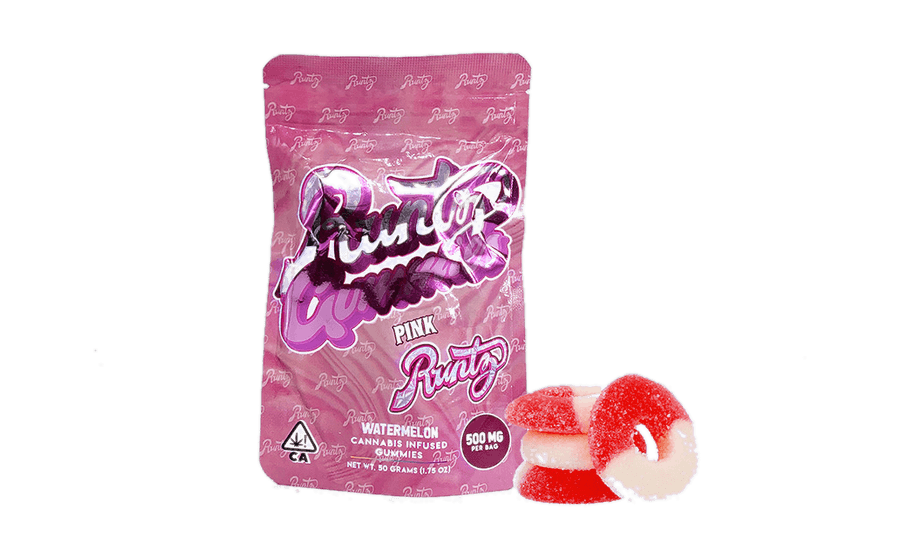
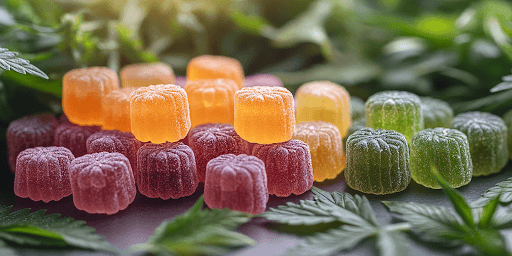
Chocolates tend to be among the longest lasting edibles, often keeping well for many months when stored properly, since chocolate itself is fairly stable. Hard candies and gummies also last a good while, frequently several months up to around a year, though gummies can dry out, get sticky, or change texture over time. These shelf stable formats are generally the most forgiving for longevity.
Baked goods like brownies and cookies have the shortest shelf life because they are perishable. They dry out and go stale within days to a couple of weeks at room temperature, much like ordinary baked goods, and can grow mould if kept too long or in humid conditions. Anything with dairy or other fresh ingredients is the most perishable of all and should be treated with the most caution.
Check the Best Before Date First
The simplest place to start is the packaging. Properly made edibles usually come with a best before or expiry date, and that date is your first and most reliable guide. It reflects how long the product is expected to stay good under normal storage, taking into account the specific ingredients. If a date is printed, use it rather than guessing, since the maker knows what went into the product.
It helps to understand what a best before date actually means. It is mainly about quality rather than a hard safety cutoff. A product a little past its best before date is often still fine, just perhaps not at its peak for taste, texture, or potency. That said, the further past the date you go, the more carefully you should check it, especially for anything perishable that could genuinely spoil.
If you make your own edibles at home, you will not have a printed date, so you have to judge by the ingredients and your senses instead. In that case, base your estimate on the most perishable ingredient in the recipe. Homemade baked goods follow the same timeline as ordinary ones, so treat a homemade brownie the way you would treat any brownie sitting in your kitchen.
How to Store Edibles Properly
Good storage is the single biggest thing you can do to extend the life of your edibles, and the principles are simple. Keep them cool, dark, dry, and sealed. Heat, light, air, and moisture are the enemies, since they both speed up the breakdown of THC and encourage the food itself to spoil. A cool, dark cupboard in an airtight container is ideal for most edibles.
An airtight container matters because air exposure dries food out, makes it stale, and accelerates the loss of potency. Keeping edibles in their original sealed packaging, or transferring them to a sealed container, protects them on both fronts. Darkness matters too, since light degrades THC, so a closed cupboard or drawer beats a counter in a sunny kitchen for keeping your edibles at their best.
For some edibles, the fridge or freezer can extend life further. Chocolates and gummies generally do fine at cool room temperature but can be refrigerated to last longer, and many baked goods can be frozen to keep them from going stale or mouldy, then thawed when you want one. Just remember to keep them sealed and clearly separated from regular food so nobody eats them by accident.
Signs an Edible Has Gone Bad
Telling whether an edible has spoiled is mostly about treating it like food and using your senses. The clearest red flag is mould, any fuzzy growth or unusual spots, which is most likely on baked goods or anything perishable. If you see mould, throw the edible out without question. The same goes for any sour, off, or rancid smell, which signals that the food has spoiled and should not be eaten.
Changes in appearance and texture are other warning signs. An edible that has become slimy, unusually hard, discoloured, or simply looks wrong compared to how it should be is best discarded. Gummies that have gone strange beyond just drying out, or baked goods that look or smell off, are not worth the risk. When something seems clearly different from normal in a bad way, it is safer to bin it.
The reliable rule is simple. If it looks, smells, or tastes off, do not eat it. This is the same judgment you would use for any food, and it applies fully to edibles because they are food. Drying out or losing potency is not the same as spoiling, but genuine signs of spoilage like mould or a foul smell mean the edible has gone bad and should go straight in the trash.
Stale and Weak vs Actually Spoiled
It is worth separating two different outcomes, because they are not the same. An edible can be stale and weak without being spoiled. Over time, a brownie dries out and a gummy gets tough, and the THC fades so the effect is milder. That edible may be past its best and underwhelming, but it is often still perfectly safe to eat. It just is not as good or as strong as it once was.
Spoiled is a different matter. A spoiled edible shows real signs of having gone bad, like mould, a foul or rancid smell, or a slimy texture. That is a food safety issue, not just a quality one, and it means the edible should be thrown away. The distinction matters because people sometimes toss perfectly safe but stale edibles, or worse, eat genuinely spoiled ones because they assume edibles do not really go bad.
When you are deciding, ask which situation you are in. If the edible simply seems old, dry, or weaker than expected but looks and smells normal, it is likely just past its prime. If it shows actual signs of spoilage, it has gone bad. Knowing the difference helps you avoid both wasting good edibles and eating ones that have genuinely turned, which is the balance you want to strike.
Does an Expired Edible Still Work?
If an edible is simply old but not spoiled, it will probably still work, just less effectively. Because THC degrades over time, an aged edible delivers a weaker effect than it did when fresh. How much weaker depends on its age and how it was stored. A few months past its peak, kept properly, it may only be slightly reduced. Very old or poorly stored, it could be noticeably weaker.
This has a practical implication for dosing. You cannot assume an older edible is as strong as it was originally, so do not judge your dose based on how it hit when it was fresh. At the same time, do not overcompensate wildly by eating a lot more, since you cannot be sure exactly how much potency has been lost. As always, start with a smaller amount and wait to see how it affects you.
The bottom line is that an expired but unspoiled edible is usually safe and still somewhat effective, just diminished. A spoiled edible, on the other hand, should never be eaten regardless of any cannabis it contains, because the food safety risk has nothing to do with potency. So the question of whether an old edible still works only applies once you have confirmed it has not actually gone bad.
Tips to Make Edibles Last Longer
A few simple habits keep your edibles fresh and potent for as long as possible. Always store them cool, dark, and sealed, which protects against the heat, light, air, and moisture that degrade both the food and the THC. Keeping edibles in their original packaging until you open them helps, and resealing or transferring them to an airtight container afterward keeps them in good shape for longer.
Buying only what you will use in a reasonable time is another smart move. Edibles are best fresh, so there is little benefit to stockpiling more than you will get through before they decline. If you do want to keep some longer, freezing suitable edibles like baked goods can extend their life considerably, letting you thaw one when you want it rather than watching a batch go stale on the counter.
Keep an eye on dates and rotate older edibles to the front so you use them first. Label homemade edibles with the date you made them so you do not lose track. And always store them safely away from children, pets, and anyone who might mistake them for regular food. Treating edibles with the same care you would give any food keeps them fresh, effective, and safe to enjoy.
When to Just Buy Fresh
Sometimes the simplest answer to an old edible is to replace it. If you are staring at something past its date, unsure how potent it still is, or seeing early signs that it is not at its best, it is often easier and more reliable to just get fresh ones. A fresh edible gives you a known, full strength product rather than a guessing game over a faded one.
Fresh edibles are also the safer bet when you actually care about your dose. Since potency fades with age, an old edible makes consistent dosing harder, while a fresh, properly made product delivers the strength you expect. If you want a dependable experience, especially for a specific occasion, starting with fresh edibles removes the uncertainty that comes with something that has been sitting around for a while.
The good news is that getting fresh edibles is easy. Rather than risk an unsatisfying or questionable old one, you can simply order new ones and enjoy them at their best. When in doubt about an edible's age or condition, replacing it is usually the most sensible choice, and it means you get reliable potency and good flavour instead of settling for something well past its prime.
Get Fresh Edibles Delivered in Toronto
When you want edibles at their best, GasDank makes getting fresh ones easy. We deliver edibles same day across Toronto and the GTA, covering downtown, Scarborough, North York, Etobicoke, Mississauga, Brampton, Vaughan, Markham, and beyond. Most orders arrive within one to two hours, so instead of gambling on an old edible, you can have fresh, full strength ones in hand the same day you decide you want them.
Ordering is simple. The minimum starts at $40, and delivery is free once you pass $80 ($160 in the outer GTA). Pay with cash on delivery or send an Interac e-Transfer, whichever works for you. First time customers just need valid ID showing they are 19 or older. After that, restocking fresh edibles whenever your supply gets old or runs low is quick and painless, with no trip to a store required.
If you live outside our delivery zone, we also ship across the rest of Canada by mail order, so you can get fresh edibles wherever you are. Whether your order arrives by driver in a couple of hours or by mail across the country, it comes fresh and properly handled so you get the potency and flavour you expect. Browse the menu, pick your edibles, and we will take care of the rest.
How Ingredients Affect Shelf Life
The single biggest factor in how long an edible lasts is what it is made of. Shelf stable ingredients like sugar, chocolate, and hardened candy resist spoilage and keep for a long time, which is why those formats last the longest. Perishable ingredients like dairy, eggs, fresh fruit, or moist baked components shorten the window considerably, since they spoil on their usual timeline regardless of any cannabis.
This is why two edibles can have very different lifespans even though both contain cannabis. A hard candy and a cream filled baked good are not remotely comparable in how long they stay good. The cannabis does not change those underlying food rules, so judging an edible's shelf life really means judging the shelf life of the food it is based on, ingredient by ingredient.
Moisture is a particularly important factor, since it encourages mould and spoilage. Drier, more shelf stable edibles last longer, while moist ones are more prone to going bad, especially if not stored well. When you are estimating how long something will keep, look at its most perishable, most moisture rich component, because that is usually what determines when the whole edible is no longer good to eat.
Storing Homemade vs Store Bought Edibles
Store bought edibles usually arrive in proper packaging designed to protect them, often sealed and sometimes resealable, which helps them last. They also tend to come with a best before date, taking the guesswork out of how long they are good for. Keeping them in that packaging, stored cool and dark, is generally all you need to do to get the full shelf life the maker intended.
Homemade edibles are a different situation, since you control the storage from the start and have no printed date to rely on. That makes good storage habits even more important. Use airtight containers, keep them cool and dark, and label them with the date you made them so you do not lose track. Since you know the ingredients, you can estimate the shelf life based on the most perishable one.
For both kinds, freezing can be a useful tool, especially for baked goods that would otherwise go stale quickly. Wrapping them well and freezing lets you keep them far longer, then thaw one when you want it. Whether your edibles are homemade or bought, the same principles apply, keep them sealed, cool, dark, and clearly separated from regular food so no one eats them unintentionally.
Keeping Edibles Safe From Kids and Pets
Storage is not only about freshness, it is also about safety, and this is one of the most important parts of keeping edibles at home. Because edibles look like ordinary food, they can be especially tempting and risky to children and pets, who have no way of knowing what they are. Keeping edibles well out of reach, ideally in a locked or high, secure spot, is essential whenever there are kids or animals around.
Clear separation from regular food helps prevent accidents for everyone in the household. Storing edibles in their own labelled container, apart from ordinary snacks, reduces the chance that someone grabs one without realizing what it is. This matters for adults too, since an unlabelled treat in the fridge can easily be eaten by mistake. A little organization goes a long way toward avoiding an unwanted surprise.
Keeping edibles in their original packaging, which is often child resistant, adds another layer of protection. If you transfer them to other containers, choose ones that close securely and label them clearly. Treating edible storage as a safety matter as much as a freshness one is simply responsible, and it ensures that the only people enjoying your edibles are the adults who actually meant to.