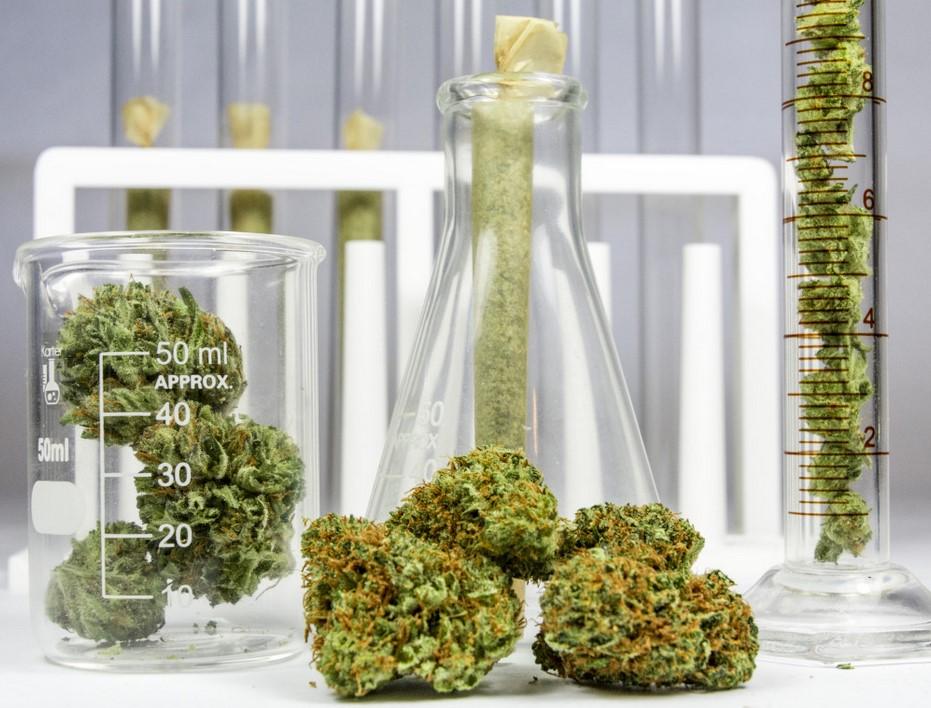
Why Lab Testing Matters
Cannabis is an agricultural product, and like any crop it can vary enormously from one batch to the next. Two jars of the same strain grown by different people, or even the same grower in different conditions, can differ in potency, flavour, and quality. Lab testing exists to cut through that uncertainty and tell you what is actually in the product in front of you, rather than leaving you to guess based on a name and a price.
The most familiar reason people care about testing is potency. Knowing the rough THC and CBD content helps you choose flower that matches your tolerance and the kind of high you want, and it lets you dose more sensibly. But potency is only part of the picture. Testing also covers terpenes, which shape flavour and the character of the high, and crucially it covers safety, screening for contaminants you would never want to smoke or eat.
Transparency is the whole point. A product that comes with real lab results is one you can trust, because the numbers and the safety screening are there in black and white rather than implied by marketing. Learning to read those results turns you into a smarter buyer, someone who can look past the hype on a label and judge a product on what is genuinely inside it.
There is also a fairness angle to all of this. Cannabis can be expensive, and without testing it is easy to overpay for a product that looks good in a jar but underdelivers, or worse, that was not handled safely. Lab results level the playing field between the buyer and the seller, giving you objective information so you can decide whether a product is worth its price rather than taking the label purely on faith.
What a Certificate of Analysis Is
A certificate of analysis, almost always shortened to COA, is the official document a testing lab produces after analyzing a sample of cannabis. It is essentially a report card for the product, laying out the results of the tests the lab ran. When a brand is transparent about its products, the COA is what backs up the claims on the label, and it is the single most useful document for judging quality.
A typical COA includes a few key sections. There is the cannabinoid profile, which lists the potency of compounds like THC and CBD. There is often a terpene profile, showing which aromatic compounds are present and in what proportions. And there is a safety panel, covering contaminants such as pesticides, residual solvents, heavy metals, and microbial life like mould and bacteria. Together these paint a full picture of the product.
The COA also carries identifying information that matters more than people realize. It will name the lab that did the testing, show a date, and reference a specific batch or sample. That detail is what ties the report to the actual product you are holding, rather than to some other batch entirely. A COA without that traceability is far less meaningful, since you cannot be sure it describes what you are buying.
Reading the Cannabinoid Profile
The cannabinoid profile is the section most people look at first, and it is where potency lives. It lists compounds like THC and CBD, usually as a percentage of the product by weight for flower, or as milligrams for things like edibles and oils. This is the part of the COA that tells you, in honest terms, how strong the product is rather than relying on a number a marketer chose to print on the front.
One detail trips a lot of people up: the difference between THCA and THC. In raw, unheated cannabis flower, most of the THC actually exists as THCA, an acidic form that is not intoxicating until it is heated and converted, which happens when you smoke, vape, or cook it. That is why a COA may list THCA separately from THC, and why total THC is often calculated using a formula that accounts for the conversion. It is worth understanding so you read the numbers correctly.
You will often see both individual cannabinoids and a total figure. CBD, CBG, CBN, and others may appear alongside THC, giving you a fuller sense of the product's makeup. We never publish fake lab numbers, and real potency varies from batch to batch, so the value of a COA is that it reflects the actual sample tested. Treat the cannabinoid profile as the honest measure of strength and let it guide your dosing.
Understanding the Terpene Profile
Many COAs include a terpene profile, and it is one of the more useful sections for predicting how a product will smell, taste, and feel. Terpenes are the aromatic compounds that give each strain its character, the citrus of a lemon sativa, the pine of a sharp hybrid, the sweet fruit of a candy strain. The terpene profile lists which ones are present and roughly how much of each, usually as percentages.
Reading the terpene profile can tell you a lot before you ever open the jar. A profile led by myrcene often points to a more relaxing, body heavy feel, while terpinolene tends to show up in bright, energetic strains, and limonene brings citrus and an uplifting character. None of this is an exact science, since the overall effect comes from many compounds working together, but the dominant terpenes give you a strong hint about what to expect.
Not every COA includes terpenes, and the level of detail varies, but when it is there it is worth a look. For people who care about flavour and the texture of the high as much as raw potency, the terpene profile is often more telling than the THC number. It is a big part of why two strains with similar THC can feel completely different, and a COA that includes it gives you a real edge as a buyer.
The Safety Panel: What Gets Screened
The safety panel is arguably the most important part of a COA, even if it is the part people glance at least. This is where the lab screens for things you absolutely do not want to consume. It typically covers pesticides, residual solvents left over from extraction, heavy metals that plants can pull from soil, and microbial contaminants like mould, mildew, yeast, and harmful bacteria.
Each of these matters for a different reason. Pesticides and heavy metals are obvious health concerns, residual solvents are a worry specifically for concentrates and extracts where chemicals may be used in processing, and microbial contamination is a particular risk with flower that was not dried, cured, or stored properly. A clean safety panel tells you the product was grown and processed carefully and is safe to use.
On the COA, the safety panel usually shows a pass or fail result for each category, often against a defined limit. What you want to see is everything passing. A product that fails any safety test, or one that has no safety testing at all, is a genuine red flag, because no level of potency or flavour is worth consuming something contaminated. For a lot of buyers, the safety panel alone is reason enough to care about lab testing.
It is worth remembering that you cannot see most of these problems with the naked eye. A jar can look beautiful and still carry pesticide residue or microbial contamination that only a lab can detect. That invisibility is exactly why the safety panel exists, and why relying on appearance and smell alone is not enough for the things that actually affect your health.
How to Actually Read a COA Step by Step
Reading a COA is less intimidating than it looks once you know the order to check things in. Start at the top with the identifying details. Confirm the name of the lab, the date, and the batch or sample number, and make sure they tie back to the product you are buying. This traceability is the foundation, because a report that does not clearly belong to your product is not telling you much.
Next, check the safety panel before anything else. Scan for pass or fail results across pesticides, solvents, heavy metals, and microbials, and make sure everything passed. This is the part that determines whether the product is safe to consume at all, so it deserves your attention first. Only once you are satisfied it is clean does the rest of the report become worth weighing.
Then move to the cannabinoid profile to understand potency, keeping the THCA and total THC distinction in mind, and finally glance at the terpene profile if it is included to get a sense of flavour and character. Working through it in that order, identification, safety, potency, terpenes, gives you a complete and honest read on the product in just a minute or two once you are used to it.
Spotting a Trustworthy COA
Not all COAs are equally trustworthy, so it helps to know what a good one looks like. A credible report comes from an independent, accredited testing lab rather than from the seller's own unverified claims, and it clearly names that lab. Independence matters because a third party has no incentive to inflate the numbers, which is exactly the kind of objectivity you want behind a product you are paying for.
Detail and traceability are the other marks of a solid COA. A trustworthy report ties to a specific batch, carries a date, and lays out its results clearly rather than burying them or keeping them vague. The more transparent and specific the document, the more confidence you can place in it. Vague, undated, or unattributed results are a sign to be cautious, since they are hard to verify.
Be wary of numbers that seem too good to be true. Wildly high potency figures, or claims with no testing to back them up, are exactly the kind of marketing a COA is meant to cut through. A reputable seller is happy to stand behind real, honest results, even when those results are simply solid rather than spectacular. We never publish fake lab numbers, and you should expect the same from anyone you buy from.
Why Higher THC Is Not the Whole Story
It is tempting to treat the THC number as the only thing that matters, but seasoned smokers know better. Two products with nearly identical THC percentages can deliver completely different experiences depending on their terpene profiles, the minor cannabinoids present, and simply how well the flower was grown and cured. The number is useful, but it is one input among several, not the final verdict.
This is exactly why the rest of the COA is so valuable. The terpene profile hints at flavour and the texture of the high, the broader cannabinoid profile fills in the picture, and the safety panel confirms the product is clean. A flavourful, well grown batch with a moderate THC reading often beats a flat, harsh one with a higher number, which is something the THC figure alone will never tell you.
The practical lesson is to read the whole report rather than fixating on a single line. Use THC to gauge rough strength and to match a product to your tolerance, then lean on the terpenes, the full cannabinoid list, and the safety results to judge quality and character. That habit turns a COA from a number to brag about into a genuine tool for buying better cannabis.
Testing for Concentrates and Edibles
COAs are not just for flower. Concentrates, edibles, oils, and other products all get tested too, and the report works a little differently for each. For concentrates and extracts, the cannabinoid figures are much higher since the product is concentrated, and the residual solvent section of the safety panel becomes especially important, since some extraction methods use chemicals that must be screened out properly.
For edibles, oils, and capsules, potency is usually expressed in milligrams per serving and per package rather than as a percentage. That is actually more useful for dosing, since it tells you exactly how much THC or CBD is in a single piece or dose. Reading that figure carefully is the key to enjoying edibles safely, because it is easy to take far too much when you do not know the dose.
The principle stays the same across every product type. Check the identification and traceability, prioritize the safety panel, then read the potency in whatever units apply, and look at terpenes where they are listed. Whether you are buying flower, a dab, or a gummy, a clear and honest COA is the best assurance that you know what you are getting and that it is safe to consume.
Common Misunderstandings About Testing
A few myths come up again and again. The first is that the highest THC number always means the best product, which simply is not true once terpenes, curing, and overall quality enter the picture. The second is that a COA guarantees a specific experience, when in reality cannabis affects everyone differently and the report only describes the product, not how your body will respond to it.
Another misunderstanding is treating the THC percentage as fixed and absolute. Real potency varies from batch to batch, and the figure on any given COA reflects the specific sample that was tested, not an eternal property of the strain. That is precisely why honest, batch specific testing matters, and why anyone publishing the same suspiciously round number across every product should raise an eyebrow.
Finally, some people assume that if a product is for sale, it must have been tested and must be safe. That is not a safe assumption everywhere or for every product, which is the whole reason to look for a COA in the first place. The presence of a real, independent, batch specific certificate of analysis is what separates a transparent product from one that simply expects you to take its word for it.
Using COAs to Buy Smarter
Once you are comfortable reading a COA, it changes how you shop. Instead of being swayed by a flashy label or a big printed number, you can ask for the actual results and judge a product on its merits. That confidence is empowering, especially when you are spending good money, and it tends to lead you toward better, cleaner, more flavourful cannabis over time.
It also helps you communicate what you want more precisely. If you know you like myrcene heavy, relaxing strains, or that you prefer a balanced cannabinoid profile, you can use that knowledge to guide your choices and your conversations with a budtender. A COA gives you a shared, factual language for talking about cannabis rather than relying on vague descriptions alone.
Most of all, prioritizing tested products keeps you safe and keeps the market honest. When buyers care about real testing, sellers have every reason to provide it. Making a habit of looking for and reading a COA is one of the simplest, most effective ways to protect yourself and to reward the brands and shops that are genuinely transparent about what they sell.
Legal Products and Mandatory Testing
In the regulated Canadian market, licensed products are required to go through testing before they reach shelves, which is one of the genuine advantages of buying from a legal, transparent source. That framework exists specifically to protect consumers, setting standards for what gets screened and what limits apply, so that products meet a baseline for safety and accurate labelling before anyone can buy them.
That is a meaningful contrast with unregulated sources, where there may be no testing at all and no accountability behind the claims on a package. When testing is part of the process, you get a level of assurance about both potency and safety that is simply not guaranteed otherwise. It is one of the strongest reasons to value transparency and to favour sellers who stand behind real results.
None of this means you should switch your brain off and assume everything is automatically fine. Standards and practices vary, and being an informed buyer who knows how to read a COA is still the best protection you have. But the existence of a regulated, testing based framework gives you a solid foundation to build on, and knowing it is there helps you appreciate why transparency matters so much.
Questions to Ask Before You Buy
Being a savvy cannabis buyer often comes down to asking a few simple questions, and a good seller will welcome them. You can ask whether a product has been tested, what its cannabinoid profile looks like, and whether terpene results are available. None of these are unreasonable, and the willingness of a seller to answer them clearly tells you a lot about how transparent they really are.
It also helps to share what you are looking for so the answers are useful to you. If you want something relaxing for the evening, or bright and energetic for the day, saying so lets a knowledgeable budtender steer you toward products whose profiles actually match. The combination of your preferences and real product information is far more powerful than guessing from a name alone.
Finally, do not be shy about asking why something is recommended. A great budtender can explain how a product's profile lines up with what you want, point out the differences between two similar options, and help you avoid paying premium prices for average quality. Those conversations, grounded in honest information rather than hype, are how you consistently end up with cannabis you are happy with.
Where to Buy Tested Cannabis in Toronto
Transparency is something we take seriously, because it is what earns a customer's trust. GasDank works with quality product and we are upfront about what we carry, so you can shop with confidence rather than guesswork. Our budtenders can talk you through a product's profile, explain what to look for, and help you choose flower, concentrates, or edibles that match what you actually want, not just whatever has the biggest number on the front.
Ordering is straightforward. We deliver same day across Toronto and the GTA, usually within one to two hours, so you can get quality cannabis quickly without compromising on what you are buying. For anyone outside the local delivery zone, we ship Canada wide by mail order, packaged discreetly and securely, so good product is within reach wherever you are.
The basics are simple. The minimum order is $40, delivery is free once you pass your area's threshold, and we accept cash or Interac e-Transfer. You just need to be 19 or older. We never publish fake lab numbers, and if you have questions about a product before you order, just ask. Our team is happy to help you buy smarter and feel good about what you are bringing home.