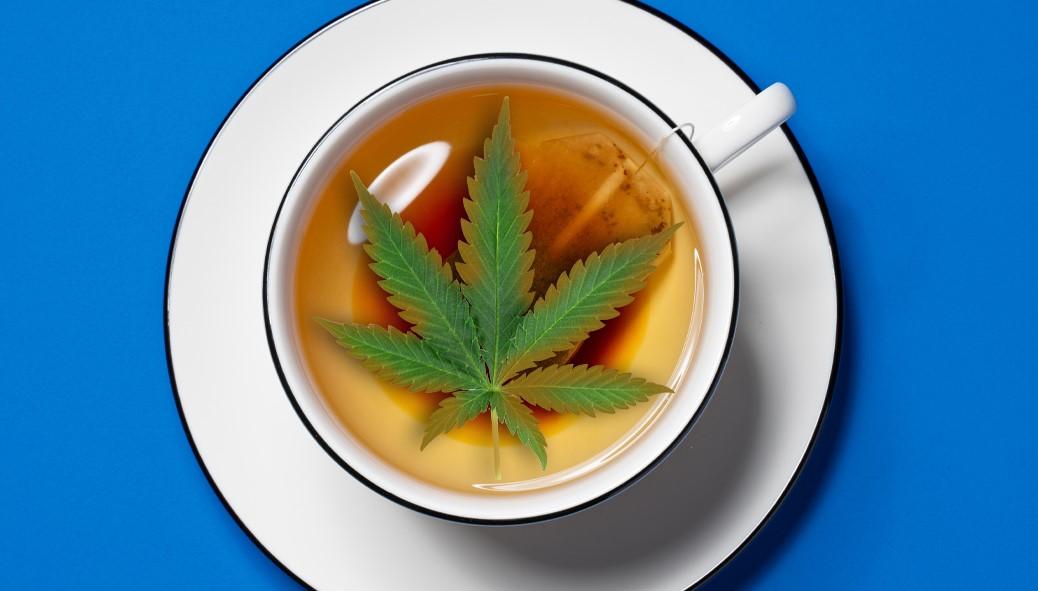
Why steeping raw bud in hot water does not work
The cannabis plant makes its THC mostly in an acid form, THCA, which only converts to THC with heat, a reaction called decarboxylation. In a 2016 study in Cannabis and Cannabinoid Research, the conversion did not finish within 60 minutes at temperatures below 100°C, which is why a quick simmer on the stove cannot be relied on to do the job.
The second problem is solubility. THC dissolves far better in fat than in water: an Italian study in Clinical Chemistry and Laboratory Medicine found that oil extracted cannabinoids significantly better than water did. That is why plain water and raw flower make such a weak tea.
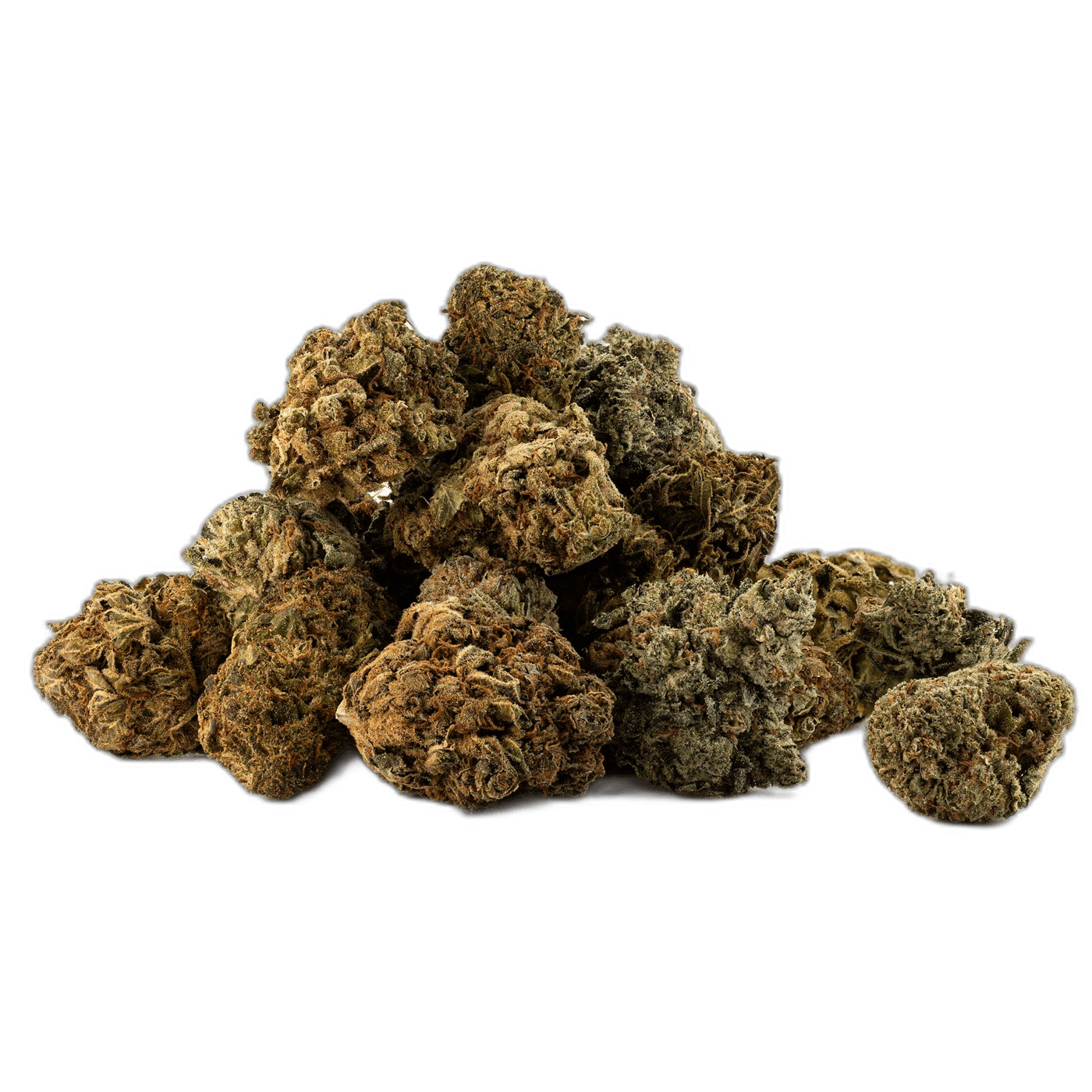
Step 1: Decarb the flower
In the 2016 study, THCA heated in a lab vacuum oven was essentially gone after 30 minutes at 110°C, 9 minutes at 130°C and 6 minutes at 145°C. The Italian team heated whole flower in an ordinary static oven at 145°C for 30 minutes and got complete conversion. For more on why it matters, see why and how to decarb weed.
- Break the flower into small pieces and spread it in a thin layer on a parchment-lined baking tray.
- Bake at 110°C (230°F) for 30 to 40 minutes, or at 145°C (about 290°F) for 30 minutes, stirring once halfway.
- An oven thermometer helps you hit the target temperature.
- Let it cool. Expect a strong smell: a 2024 paper in Molecules, summarizing earlier work, notes that the most volatile terpenes fell by about half after 5 minutes of boiling-water heating and to traces after oven heating.
Step 2: Brew the tea
This makes 1 mug. Read the strength section below before deciding how much flower to use.
- In a small saucepan, combine 250 mL of water with a fat: 125 mL of whole milk or cream, or 1 tablespoon of butter or coconut oil.
- Add the decarbed flower, bring it to a gentle boil and keep it there for 15 minutes, stirring now and then. In the Italian study, 15 minutes of boiling was enough to reach the highest cannabinoid levels in tea.
- Keep the fat in from the start. Researchers at Aarhus University found that adding cream before boiling, instead of afterward, raised the average THC and CBD dose in tea 2.1 to 4.4 times.
- Strain through a fine sieve or cheesecloth into a mug.
- Flavour it like any tea: steep a black or herbal tea bag in it for a few minutes and add honey, cinnamon, ginger or cardamom for a chai-style cup.
How strong is your tea?
Health Canada warns that there is no convenient way to test homemade cannabis extracts and that they may be extra potent, but you can work out a ceiling. Legal flower labels list Total THC in milligrams per gram, a figure that by law already accounts for THCA converting into THC (Cannabis Regulations). Multiply it by the grams you use, the same way Health Canada's label guide works out a package total.
- 0.25 g of flower labelled 180 mg/g Total THC: up to 45 mg of THC in the pot.
- 0.1 g of the same flower: up to 18 mg.
What that number means for you
Your mug will hold less than the ceiling, because not all of the THC ends up in the liquid, but how much less is unpredictable. The Aarhus researchers found the dose varied from batch to batch even with the same product and recipe. Plan around the ceiling. For comparison, Health Canada suggests that new consumers look for products with 2.5 mg of THC or less, and a legal edible package can hold no more than 10 mg of THC (Health Canada). Even 0.1 g of that flower could put up to 18 mg in the mug, so start with a few sips: an eighth of the mug would be about 2 mg at most. More examples are in how strong is your edible.
Dosing and timing: start low, wait long
Drinking cannabis works like eating it. Per Health Canada, effects can take 30 minutes to 2 hours to begin and up to 4 hours to reach full strength; they can last up to 12 hours, and some residual effects can last up to 24 hours. The body also turns swallowed THC into a stronger compound called 11-hydroxy-THC. The warning on legal edible labels spells out the main risk: consuming more before you feel an effect can cause cannabis poisoning, including severe anxiety and panic attacks.
- Drink a small portion, then wait at least 4 hours before deciding on more.
- Do not combine it with alcohol or other drugs; Health Canada says that increases impairment and the risk of adverse effects.
- Do not drive.
- Know the warning signs: adverse effects can include a rapid heart rate, dizziness, anxiety, nausea and vomiting, and serious reactions can include psychotic episodes and seizures.
- If you have a health condition, take other medication or have questions about cannabis and your health, talk to a doctor or pharmacist first.
Leftovers and keeping children and pets safe
Weed tea does not keep well. In the Italian study, THC in tea fell to half or less of its starting level within 3 days at room temperature, with a similar decline in the fridge, so brew only what you plan to drink. If you do keep some, label it clearly and store it locked away and separate from ordinary drinks, as Health Canada advises for homemade edibles. Accidental poisoning from edible cannabis is a serious risk to children and pets; if you suspect one, call 1-844-POISON-X (1-800-463-5060 in Quebec), or 911 in an emergency (Health Canada).
Easier routes to a measured cup
If you make cannabis drinks often, a batch of infused oil lets you add a measured spoonful to any hot drink instead of brewing from scratch; see how to make weed coconut oil. Ready-made drinks and edibles that are lab-tested and state their THC per serving make dosing much simpler. GasDank offers same-day delivery across Toronto and the GTA, usually within 1 to 2 hours, and mail order across Canada, and the menu carries lab-tested products: browse cannabis drinks or edibles. Customers must be 19 or older (21 in Quebec), with ID checked at the door.