
Kashmir Hash
Currently unavailable. Get notified the moment Kashmir Hash is back in stock.
Get notified the moment it is back. No spam, just this restock.
1 to 2 hour GTA delivery . Cash or e-Transfer . 19+ . Free over $80
In stock now: similar to Kashmir Hash
Kashmir Hash is sold out. These are available today, from our Hash range.
 Sale
 Sale
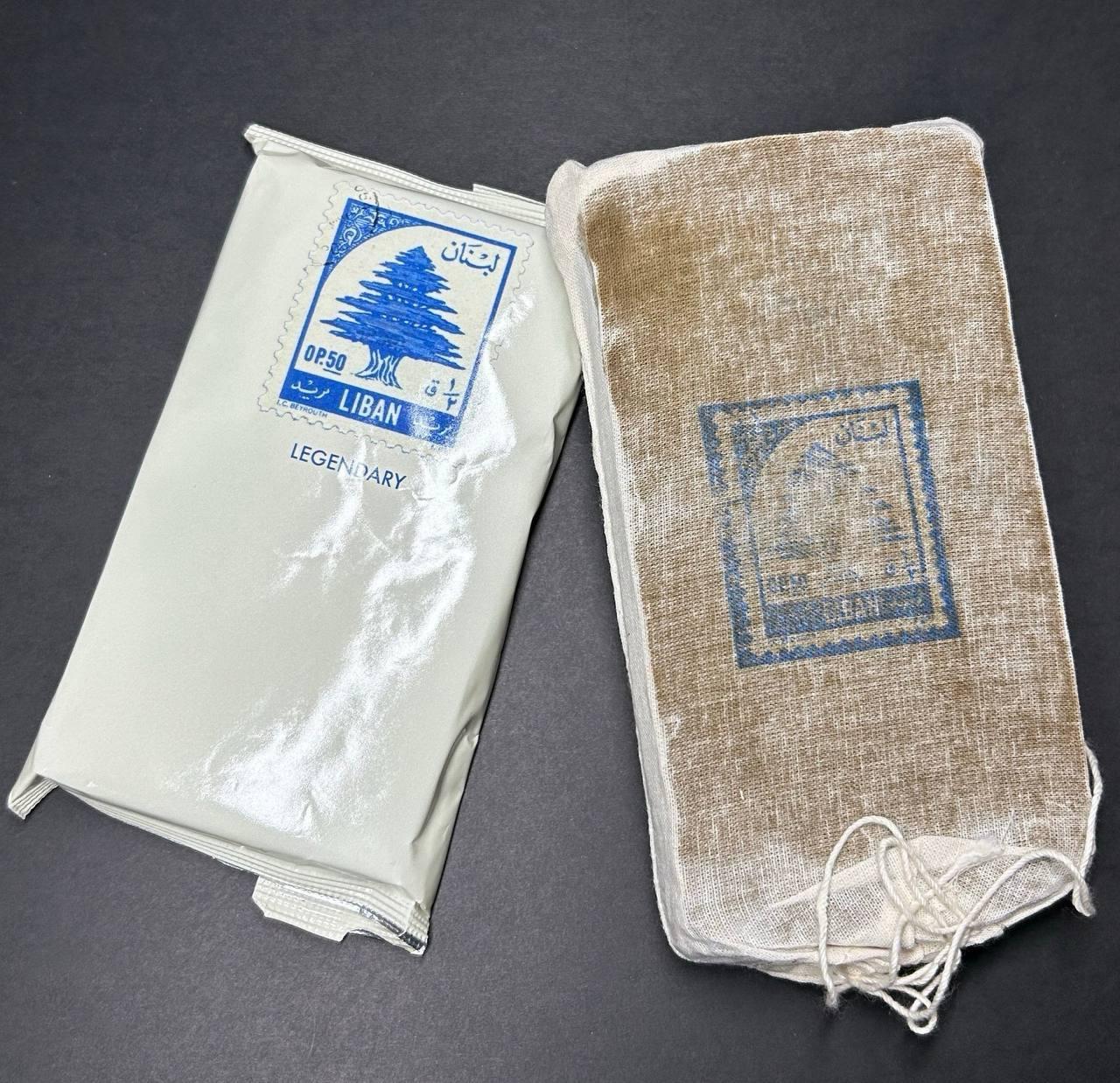
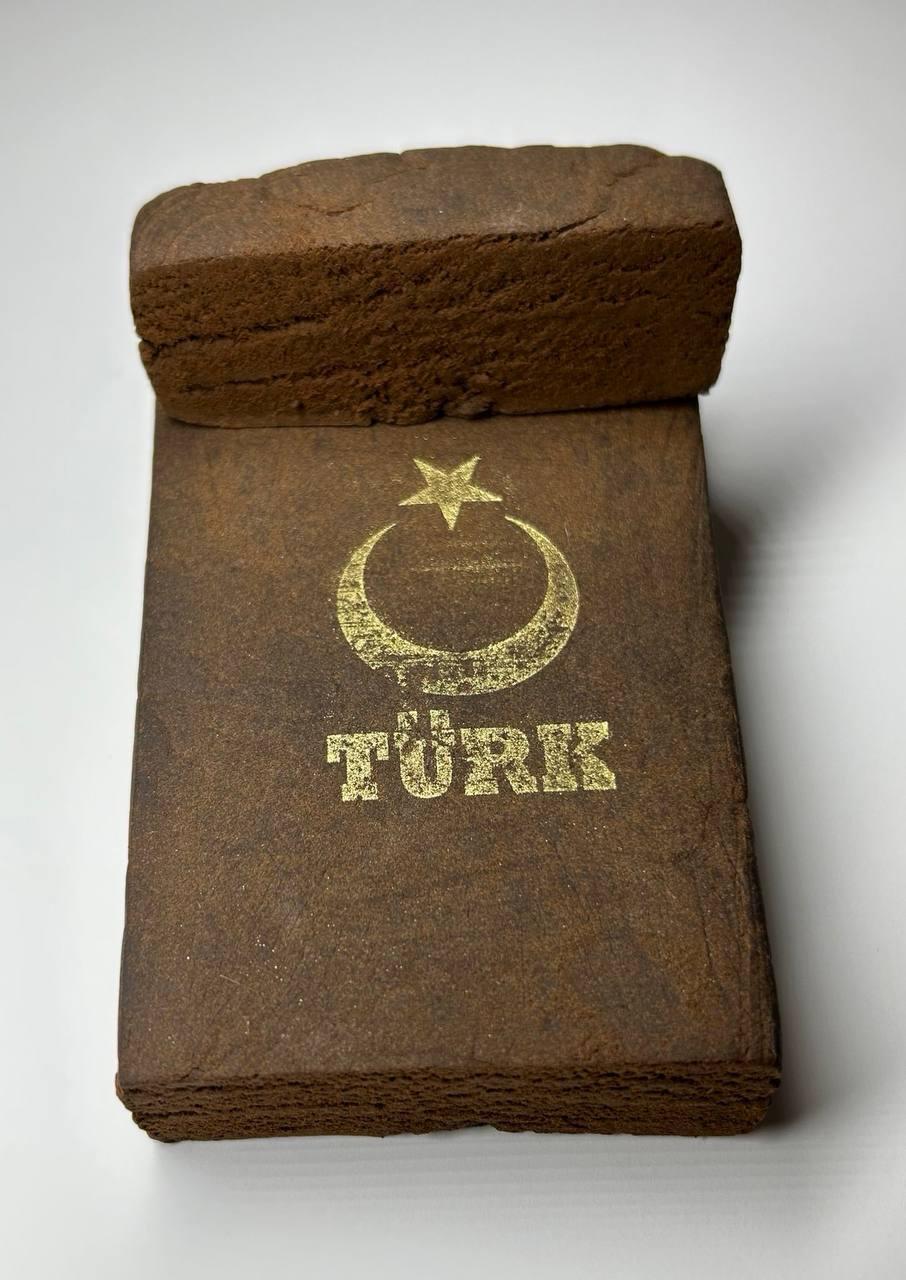
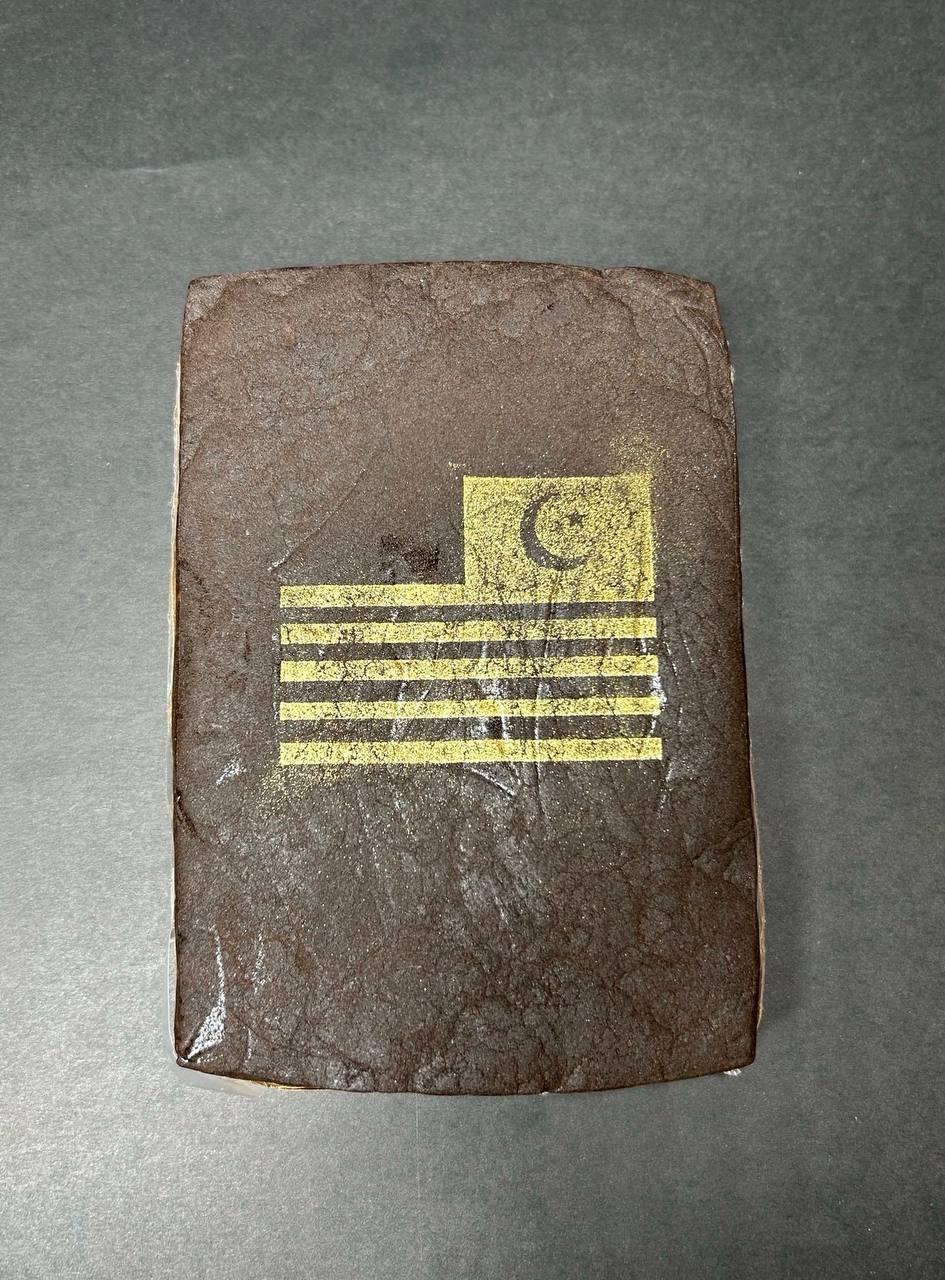
Sold under the name of Kashmir, this hash comes in five weights, with a single gram at one end and 28 g at the other. Kashmir is one of the two places, along with Himachal Pradesh, where Sensi Seeds says charas is made most often.
Kashmir and the old charas routes
Around 1900, according to Wikipedia’s Hashish article, the bulk of Europe’s hashish came from Kashmir and other parts of India, with Afghanistan, Nepal and Lebanon among the other sources it names. The article also says charas was the name given to the hashish India supplied in large amounts during the 1800s.
Writing in 1953, the UN’s Bulletin on Narcotics described charas as India’s term for raw cannabis resin, smoked in nearly every case, and said India historically imported it from Xinjiang, or Chinese Turkistan, through the trade centre of Yarkand and an official warehouse at Leh. With the Chinese-controlled export halted in the 1930s, Kashmir State was still weighing in 1940 and 1941 whether to produce its own charas, according to the same article, which also notes that hemp native to India was reported to give little resin.
Palms, curls and leather clothing
The line Sensi Seeds draws is between living and harvested plants: charas is made by hand from the first, hashish from the second. For purists, it adds, true charas can only come from India’s Himalayan region. In its account of the hand method, buds from living plants lose their big leaves and are then rolled gently between the palms until a thick, dark, glossy film of trichomes coats the skin. Scraping the fingers across that film lifts it away in curls, which are rolled into balls or finger shapes, and the work runs to around eight hours for every seven or eight grams.
Sensi Seeds also quotes a Victorian reference book on another old method, in which men dressed in leather walked through the plants and, every so often, scraped off the resin that had built up on their clothes.
Altitude, the tola and the chillum
Pharmacographia, an 1874 reference work quoted by Sensi Seeds, said charas came only from plants grown at a particular altitude in the hills, and not from hemp grown at random, even in India. Charas also has a traditional unit of its own, the tola, which Sensi Seeds gives as 11.7 g, and it is smoked from straight clay chillums during prayers to Shiva.
THC, hash and first-time users
Hash is one of the THC-heavy extracts that Health Canada lists beside kief, wax and shatter, and it says first-time users, and those who use cannabis only occasionally, should pass them by. When cannabis is smoked, the first effects come within seconds to minutes, it notes, and the full peak may be half an hour away. Our guide to Nepalese hash and our overview of hash types cover other styles.
Customer reviews
Be the first to review Kashmir Hash.
More Hash
 Sale
Kashmir Hash — Frequently Asked Questions
Q.How do charas, ganja and bhang differ in India?
Wikipedia’s page on cannabis in India gives each a part of the plant: charas is the resin, ganja the flowering tops and bhang the seeds and leaves, which go into bhang lassi, thandai and other drinks and sweets. Of the three, only charas is a hash product.
Q.Did charas ever come to India from Afghanistan?
Yes. The 1953 UN article names garda charas, a lower grade that came into India largely from around Gardez in Afghanistan, and it records some Nepali charas reaching India in the 1940s.
Q.Does much charas leave India?
Charas is found throughout India, Sensi Seeds says, yet only a small share of it travels on to Europe and elsewhere.