

Pineapple Express Meds 1000mg Full Spectrum Edible
Currently unavailable. Get notified the moment Pineapple Express Meds 1000mg Full Spectrum Edible is back in stock.
Get notified the moment it is back. No spam, just this restock.
1 to 2 hour GTA delivery . Cash or e-Transfer . 19+ . Free over $80
In stock now: similar to Pineapple Express Meds 1000mg Full Spectrum Edible
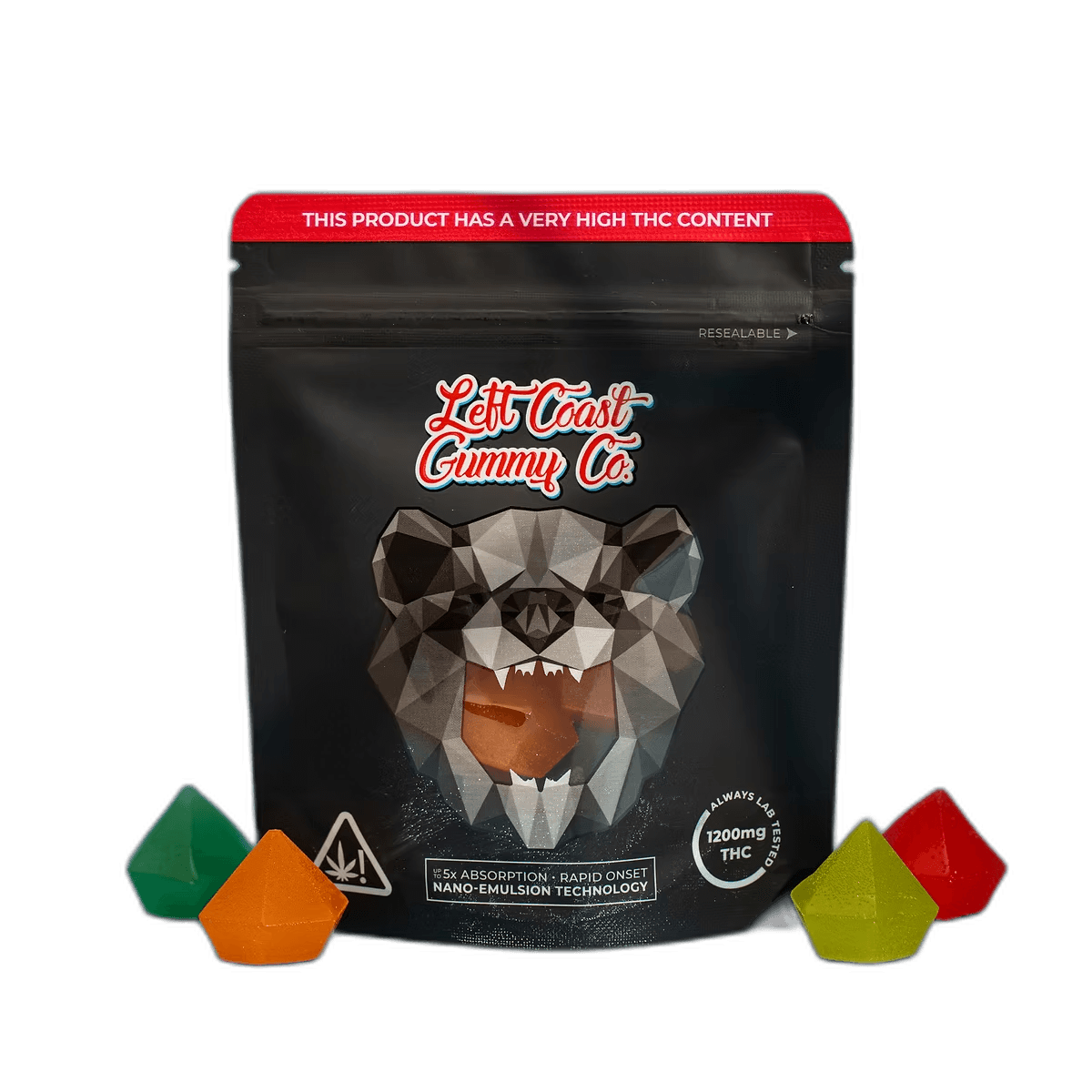
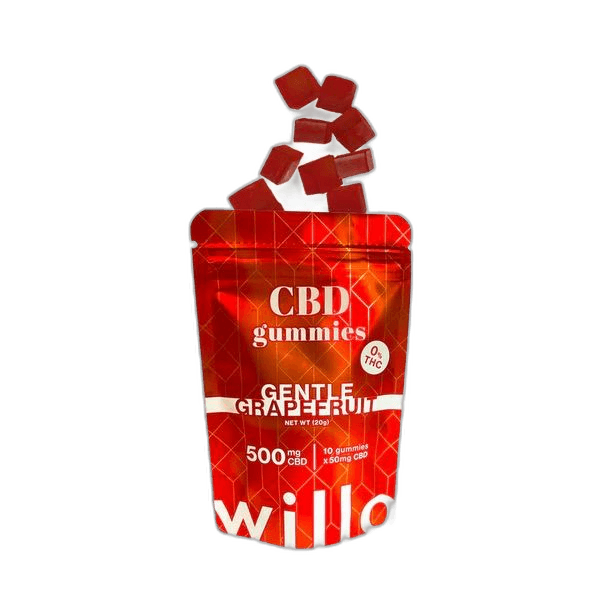
Pineapple Express Meds 1000mg Full Spectrum Edible is sold out. These are available today, from our Candy range.




The Pineapple Express Meds 1000mg Full Spectrum Edible is a cannabis candy, labelled full spectrum.
Why an eaten candy is slow to start
THC that is swallowed is processed by the liver, so an edible takes longer to start than smoked cannabis and its effects last longer. Health Canada puts the first effects of an edible anywhere from 30 minutes to 2 hours after eating, with up to 4 hours before they are fully felt.
Pacing a 1,000 mg candy
When picking an edible, Health Canada’s lower-risk advice is to look for 2.5 mg of THC or less. To read an edible’s strength, see our edibles dosage guide, and for keeping candy fresh, our article on edible expiry covers shelf life, storage and the signs an edible has gone off. Under Health Canada’s lower-risk guidelines, driving should wait at least 6 hours after using cannabis.
Customer reviews
Be the first to review Pineapple Express Meds 1000mg Full Spectrum Edible.
More Candy




Pineapple Express Meds 1000mg Full Spectrum Edible — Frequently Asked Questions
Q.What strength is this edible labelled?
It is labelled 1,000 mg and full spectrum.
Q.How soon will an edible like this be felt?
Health Canada gives a window of 30 minutes to 2 hours for the first effects, and as long as 4 hours before the full effect.
Q.Why is eating cannabis slower than smoking it?
Swallowed THC goes through the liver first, which delays the start and makes the effects last longer than smoking does.
Q.How many hours should pass before driving after an edible?
At least 6 hours after using cannabis, by Health Canada’s lower-risk guidelines.