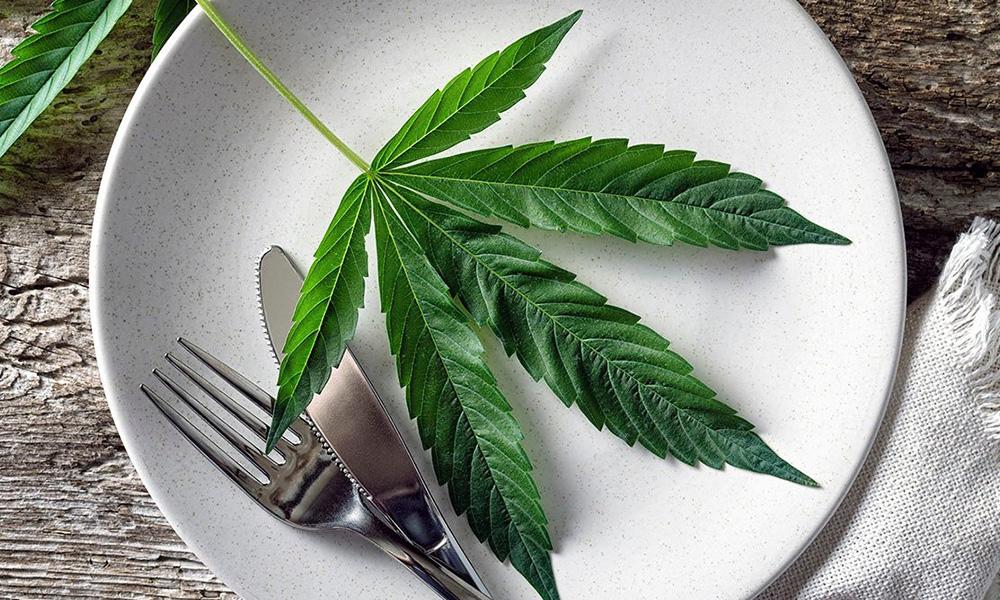
Why raw weed doesn't get you high
Cannabis makes its cannabinoids mostly in acid form. A 2016 review in Cannabis and Cannabinoid Research notes that THCA, the acid precursor of THC, can make up to 90% of the total THC in the plant and, unlike THC, does not produce psychoactive effects in humans. The same review reports that THCA does not seem to convert into THC inside the body.
Heat does the converting, in a reaction called decarboxylation that happens when cannabis is smoked, vaporized or baked. In a 2016 lab study, THCA was essentially gone after 30 minutes at 110°C, while temperatures below 100°C did not finish the job within an hour. That is why eating raw cannabis, without heating it first, will not have much of an effect. For the chemistry in more depth, see what THCA is.
What happens if you eat raw flower
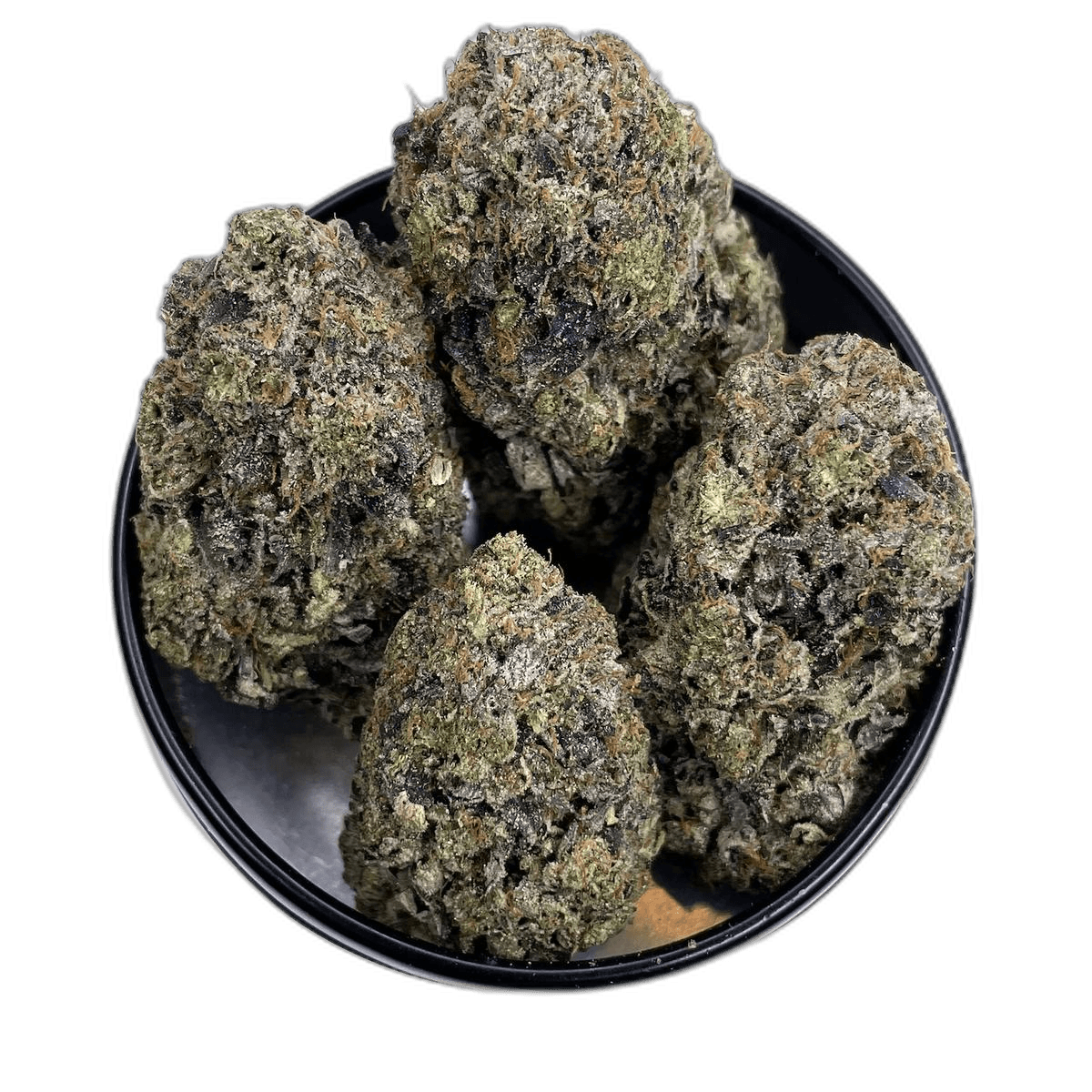
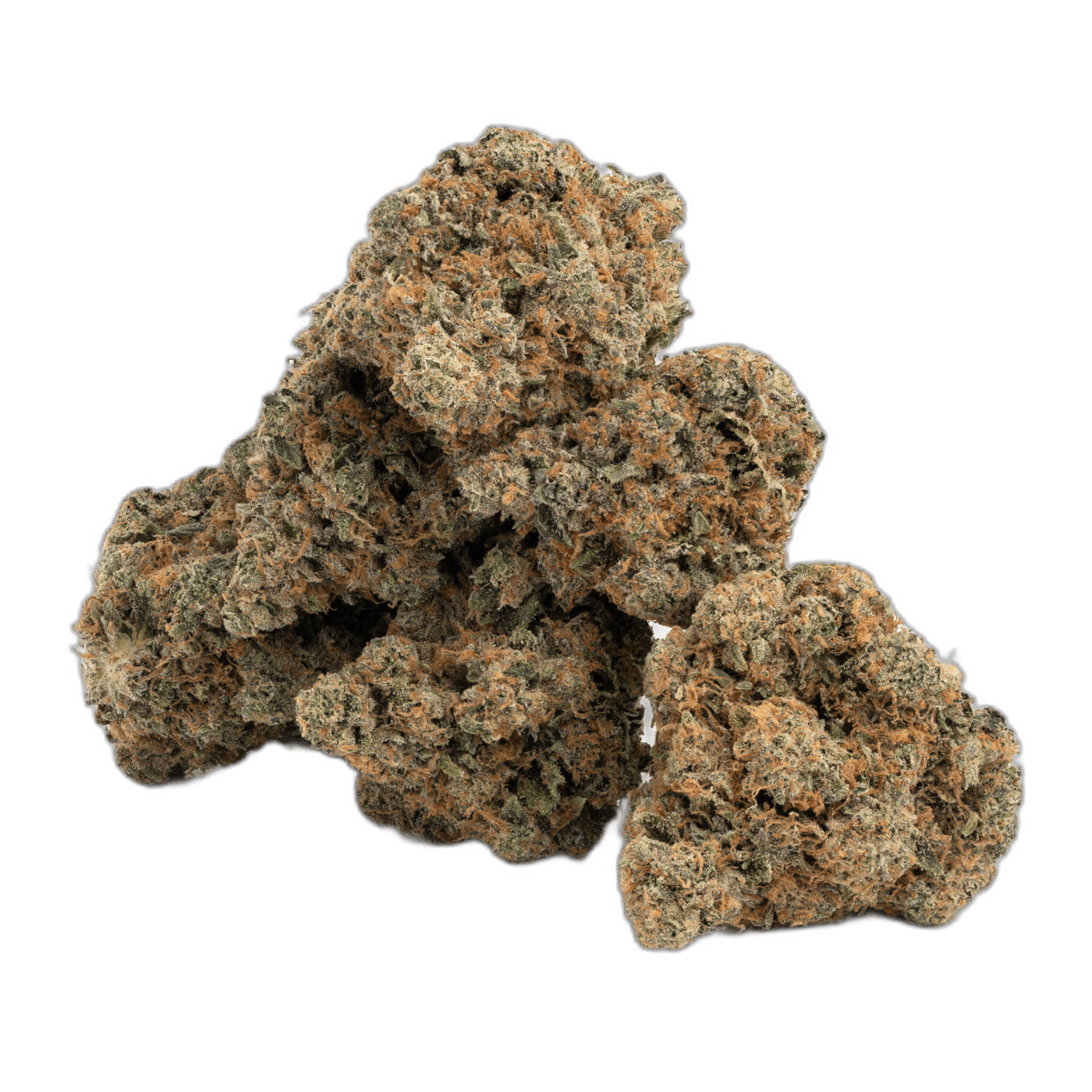
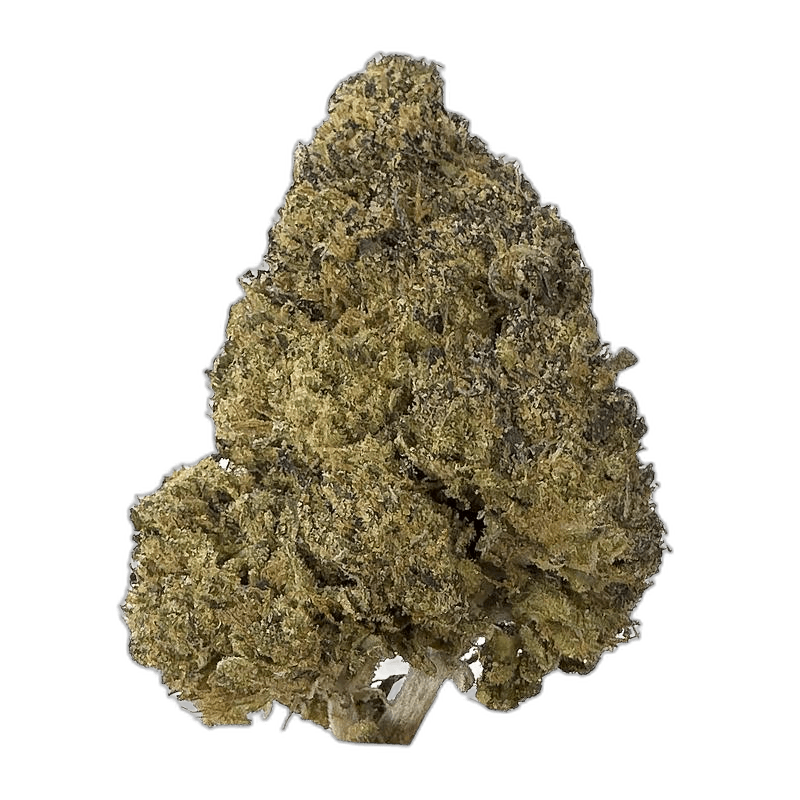
Mostly, not much. Medical News Today, a medically reviewed health site, says eating raw weed is unlikely to cause a significant high. Little is not the same as none, though: the 2016 review notes that THCA slowly converts to THC during storage, so dried flower already contains some THC. Do not drive after eating it, and keep it away from children and pets.
A few more things worth knowing:
- Dried flower is sold to be inhaled: Health Canada's label guide lists inhalation as the intended use for dried cannabis.
- Leaves and trim hold much less THC and other cannabinoids than the buds, Leafly notes, though some growers juice the leaves; the buds hold the plant's highest concentration.
- Raw cannabis smoothies and juices keep the THC as THCA, so they do not produce a high. Claims that raw cannabis is a health food rest mostly on cell and rodent studies, according to the 2016 review.
- Untested cannabis can carry contaminants, so choose lab-tested products: the testing the B.C. government describes screens for pesticides, mould, bacteria and heavy metals and confirms THC and CBD content.
How edibles are made instead
Edibles work because the flower is activated first and then carried in fat:
- Decarb. Bake broken-up flower in a low oven; Leafly's method uses 245°F (118°C) for 30 to 40 minutes. The decarb guide has the details.
- Infuse. Cannabinoids bind to fats, so the decarbed flower is steeped in butter or oil over low heat and strained; Leafly advises staying at or below 200°F (93°C), since going higher may burn out the cannabinoids.
- Cook. Mix the infused fat into a recipe completely and cut even portions. The guide to cooking with cannabis walks through it, and weed brownies are the classic first project.
Eating cannabis safely
Eaten cannabis is slower and lasts longer than smoked cannabis. Health Canada says it can take 30 minutes to 2 hours to start working and up to 4 hours to reach full effect; effects can last up to 12 hours, with some residual effects up to 24 hours. The body also turns swallowed THC into a stronger form, 11-hydroxy-THC.
- Start with 2.5 mg of THC or less and wait at least 2 hours before taking more, as the B.C. government advises; legal edibles hold no more than 10 mg of THC per package (Health Canada). The edibles dosage guide shows how to work out homemade strength.
- Avoid alcohol and other drugs at the same time; Health Canada says combining them increases impairment and the risk of adverse effects.
- Do not drive for at least 6 hours, per Canada's Lower-Risk Cannabis Use Guidelines, which also say people who are pregnant should not use cannabis at all.
- Know the warning signs: adverse effects can include a rapid heart rate, dizziness, anxiety, nausea and vomiting, and serious ones can include psychotic episodes and seizures.
- Lock edibles away, label homemade ones and keep them apart from regular food. For a suspected poisoning, call 1-844-POISON-X (1-800-463-5060 in Quebec) or 911 (Health Canada); for a pet, call a veterinarian.
- If you have a health condition or take medication, talk to a doctor or pharmacist before using cannabis.
Buying edibles
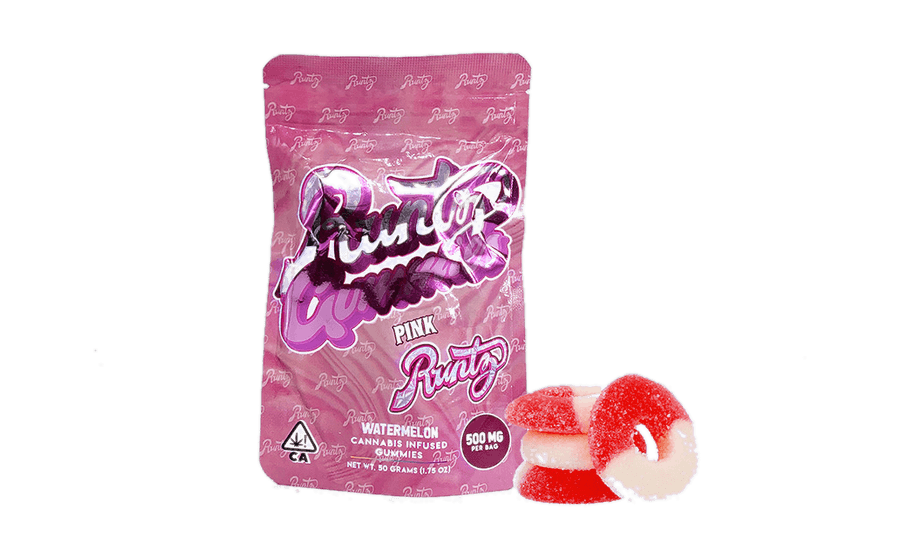
If you would rather not cook at all, GasDank offers same-day delivery across Toronto and the GTA, usually within 1 to 2 hours, and mail order across Canada, and the menu carries lab-tested products: browse edibles. Customers must be 19 or older (21 in Quebec), with ID checked at the door.