What a THC disposable is
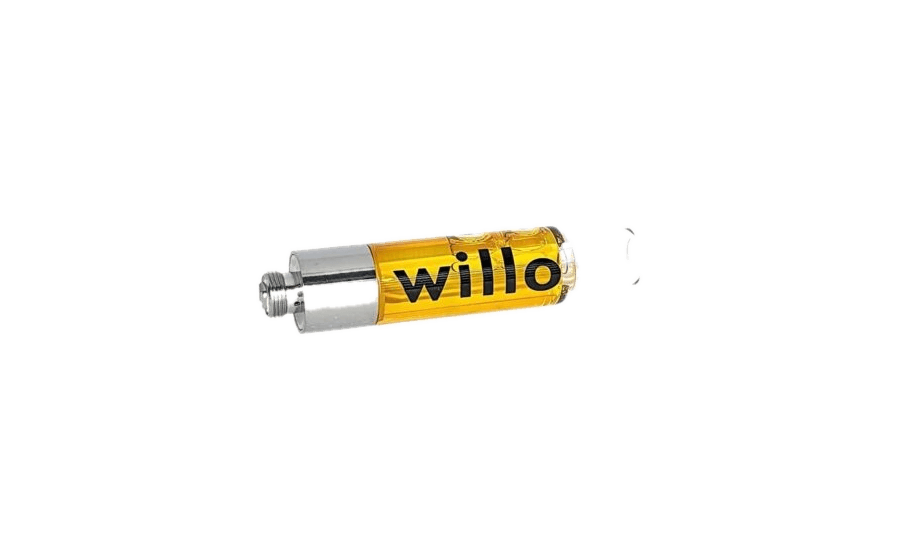
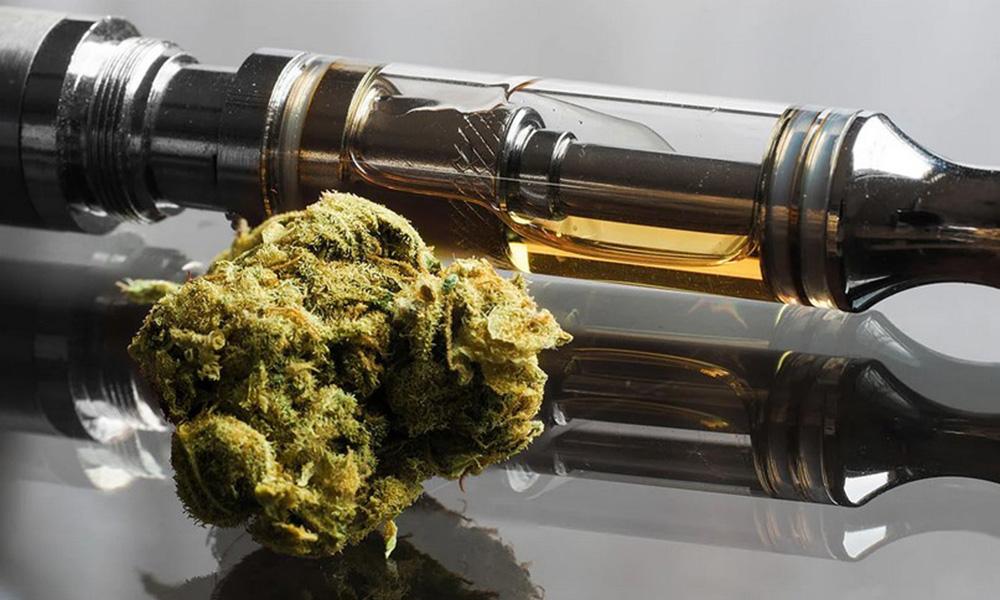
Health Canada describes a vaping accessory as a battery, a mouthpiece, a heating element and a chamber or cartridge. A disposable seals all of that into one pre-filled unit. Researchers writing in RSC Advances describe cannabis oil pens as a single-use or refillable cartridge, holding 0.3 to 1.0 g of a viscous oil, attached to a battery; a disposable is the single-use version with the battery built in.
Two devices are easy to confuse with it. A 510 cartridge screws onto a battery you keep, as our 510 cartridge guide explains, and a dab pen melts solid or semi-solid extracts rather than oil, as Health Canada notes and our guide to how dab pens work covers.
Strength is the thing to respect. The Canadian Centre on Substance Use and Addiction (CCSA) puts high-THC vape cartridges and disposable pens, the most commonly sold kind, at 70 to 95% THC. Health Canada's lower-risk advice for smoking or vaping is to start with 1 or 2 puffs of a product at 10% THC or less, and it suggests that new or occasional users avoid extracts altogether.
What oil is inside
The common oils:
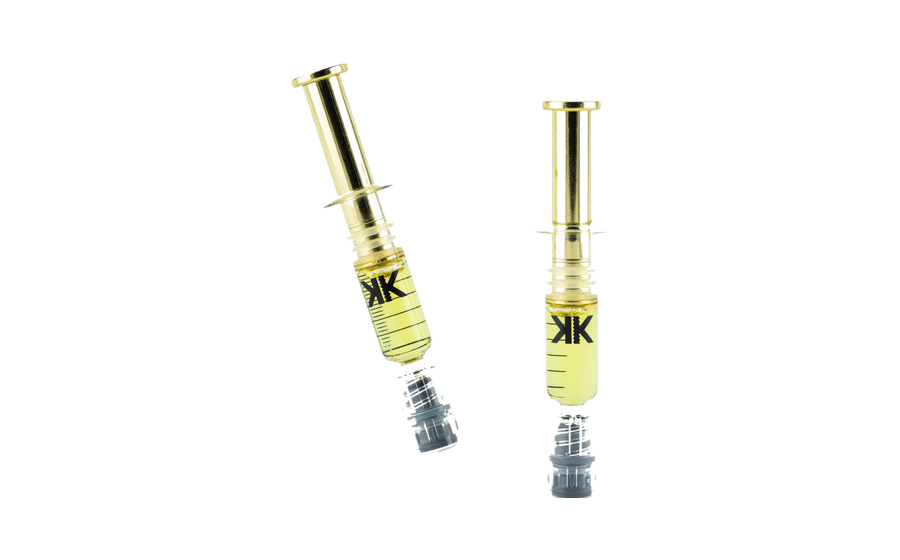
- Distillate with added terpenes. Refined, mostly-THC oil with terpenes blended back in for flavour and to thin it; RSC Advances notes these rebuilt oils are the norm in pens sold in US legal markets. Our distillate pen guide explains how distillate is made.
- Live resin. Extract from plants frozen immediately after harvest, which CCSA says gives a more intense and complex smell and taste. The live resin carts guide covers how to judge one.
- CBD and balanced oils. CCSA lists high-CBD pens at 60 to 70% CBD and balanced pens at 40 to 60% THC with 20 to 40% CBD. CBD is not intoxicating and may reduce some effects of THC, though it does have an effect on the brain, according to Health Canada.
What should not be in it
Cutting agents. Vitamin E acetate, an unregulated cutting agent used in illegal THC vaping products, was associated with the 2019 outbreak of vaping lung injuries that caused thousands of hospitalizations and dozens of deaths in the United States, according to Health Canada. Canada had a small number of cases and no deaths reported. RSC Advances adds that black-market pens have been found to contain additives such as MCT oil, triethyl citrate and phytol.
Health Canada's advice is not to use vaping products of unknown content or origin, even from someone you know. A pen with no ingredient list, lot number or identifiable maker fits that description.
How to read the label
Health Canada's label guide sets out what a cannabis package must show. On a vape pen, check:
- Total THC and Total CBD. Given by weight, 850 mg/g means 85% THC. Multiply by the net weight for the whole pen, so a 1 g pen at 850 mg/g holds about 850 mg of THC.
- Net weight. How much oil you are buying.
- Ingredients. Required on cannabis extracts, heaviest first. Canada's rules allow only carrier substances, flavouring agents and substances needed for quality or stability, and ban vitamins, including vitamin E acetate (Health Canada). Cannabis extract and terpenes is a normal list.
- Lot number and packaging date. Fresher is better, and follow the storage conditions printed on the label: RSC Advances notes that THC oxidizes during storage into CBN, which has only limited psychoactivity compared with THC.
- Strain name. Optional under Health Canada's rules, so do not judge a pen by its name alone.
How to use one
Go slowly:
- Remove any packaging plug or sticker and follow the maker's instructions: some pens fire when you inhale, others have a button.
- Take one short, gentle puff, then wait. CCSA suggests five minutes before another, and Health Canada says inhaled effects can take up to 30 minutes to peak.
- If the pen has a power or voltage setting, use the lowest; in the RSC Advances study, more power meant more harmful by-products in the vapour.
- Keep it to yourself: Health Canada advises against sharing vaping accessories, to avoid spreading diseases or infections.
- Don't drive for at least 6 hours after using cannabis, as Canada's Lower-Risk Cannabis Use Guidelines advise.
- For medical questions, including medication interactions, ask a doctor or pharmacist.
Storing it
Health Canada's lithium-ion battery advice is to store batteries at room temperature in a dry place, out of sight and reach of children, and not to leave them in the sun or in a hot or cold car. For the cannabis inside, Health Canada's safe storage advice is to keep products in their original packaging and locked away from children and pets.
Why a disposable stops working
Common causes:
- Battery flat, oil left. Some pens have a charging port. Health Canada's battery advice: use the charger that came with the device, charge at room temperature where you can see it, away from soft surfaces such as a couch or bed, and not for longer than recommended.
- Cold, thick oil. Cartridge oil has to wick to the heating element, which is why makers thin it with terpenes, a 2019 study in ACS Omega explains. A pen left in the cold may draw weakly until it is back at room temperature.
- Blocked airflow. A packaging plug left in place or a blocked mouthpiece can stop the pen firing.
- Harsh or burnt taste. Stop rather than pulling harder: RSC Advances found that by-products in the vapour rose with the power applied, a sign that their formation depends on temperature.
- Damage. If the pen is swollen, dented or otherwise damaged, stop using it. Health Canada says not to use batteries that are swollen or dented, notes that vaping accessories have been known to malfunction and in rare cases cause injury, and advises against modifying vaping devices.
Disposing of an empty pen
Health Canada considers batteries hazardous waste: they do not go in household garbage, and it asks people to check with their municipality on safe disposal. In Toronto, the City's household hazardous waste guide lists batteries, including lithium-ion batteries, as household hazardous waste and says e-waste never belongs in the Blue Bin, Green Bin or garbage. Batteries can go to a City Drop-Off Depot or a Community Environment Day; the Waste Wizard or the TOwaste app shows how to dispose of a specific item, and 311 has depot hours and locations. Elsewhere in the GTA, check your own municipality's rules.
Buying disposables
GasDank offers same-day delivery across Toronto and the GTA, usually within one to two hours, and mail order across Canada. Toronto and Mississauga orders have a $40 minimum (free delivery from $80, $15 below that); outer GTA orders have a $60 minimum (free from $160, $20 below that); mail orders have no minimum and ship free from $150 ($20 below that). Customers must be 19 or older (21 in Quebec), with ID checked at the door. The menu carries lab-tested products: browse disposable pens, or read how to choose a THC vape pen online first.