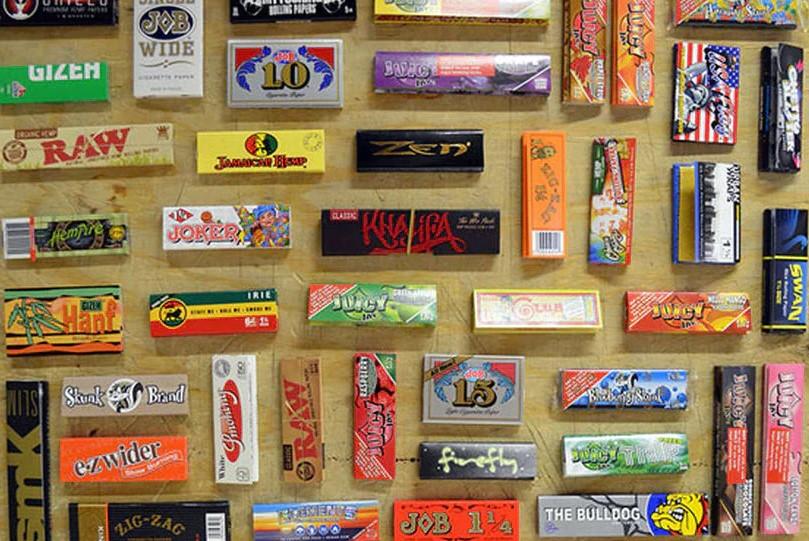
What rolling papers are
Rolling papers are thin specialty sheets for wrapping ground cannabis or tobacco into a smokable roll; Wikipedia notes the same kind of paper is used for hand-rolled cigarettes and joints. In Canada, the Cannabis Act counts rolling papers and wraps as cannabis accessories, the same category as pipes, bongs and vaporizers.
What rolling papers are made of
Most papers are made from plant fibre. A Leafly guide sponsored by paper maker Zig-Zag sorts them into wood pulp, hemp, rice and flax, and Wikipedia adds liquorice and other flavoured papers.
- Wood fibre: the long-standing default, sold in white and unbleached versions. The Leafly guide calls wood pulp the easiest paper to roll, though it burns fast and hot.
- Hemp: made from hemp fibre and often left unbleached; OCB describes its organic hemp paper that way on its Leafly listing.
- Rice: one of the main paper types; the Leafly guide describes rice papers as ultra-thin, a little slippery and slow-burning. Buy a single booklet first and compare how it handles against wood and hemp.
- Flax and flavoured papers: flax papers exist, and so do flavoured lines. The Leafly guide calls flax thin like rice but as easy to roll as wood pulp or hemp.
What else is in the paper
Paper makers can add mineral fillers such as calcium carbonate, and salts such as citrates that regulate how fast a sheet burns; higher levels make paper burn faster, according to Wikipedia's summary of industrial chemistry references. Most papers also have a gum strip. Several brands use plant gum: OCB's listing names natural acacia gum, and RAW's Leafly listing describes a natural tree sap gumline.
Some makers press a watermark into each sheet. Elements, for example, says its watermark helps deliver a smooth, even burn; treat that as a maker's claim.
Bleached vs unbleached papers
White papers have been whitened during manufacturing. Unbleached papers skip that step, which is why they look light brown. RAW, for instance, describes its papers as a blend of unbleached, "not chlorine whitened" fibres that come out a translucent light brown, according to its brand listing on Leafly.
Unbleached describes processing, not a measured health benefit. Any paper you light adds its own smoke to what you inhale, so the practical rule is simple: a thinner sheet means less paper burned per joint.
What is printed or dyed onto a paper may matter more. A 2024 study in ACS Omega measured 26 elements in commercially available rolling papers and found that copper, chromium and vanadium in some products may present a potential hazard to frequent users. The authors note that the elemental makeup of rolling papers is largely unregulated, suggest copper-based pigments are used by a number of manufacturers, and estimate that regular use of some papers might mean exposures as high as 4.5 to 11 times the maximum limits. They call for more research under realistic smoking conditions. Plain, undyed papers sidestep the question.
Rolling paper sizes
Sizes go by name. These are the ones you will see most often:
- Single wide: a small, narrow paper for a slim joint. OCB's organic hemp paper, for one, comes in single wide.
- 1 1/4: a little larger and the usual starting point. RAW calls it its original size, also known as "Spanish size".
- 1 1/2 and double wide: wider sheets for bigger joints. Elements sells 1 1/2 papers alongside single wide, 1 1/4 and king size slim.
- King size: a long paper for larger or shared joints, and harder to control while you learn.
- King size slim: king length but narrower, so you get a long joint without as much extra paper.
How to pick a size
Match the paper to the amount you want to roll. A big paper wrapped around a small amount of flower rolls loose and burns unevenly, while an overstuffed small paper will not close. Start with 1 1/4, then move to king size or king size slim once tucking feels easy.
What to look for when you buy
Run through these before you buy a pack:
- A size that fits your joints: 1 1/4 for one person, king size for more.
- A weight you can handle: thicker papers are more forgiving while you learn; thin papers are fussier but burn less paper.
- Plain over printed: skip dyed, coloured, printed and metallic papers, given the pigment findings above.
- Flavour only if you want it: flavoured papers change the taste of the smoke, which many people avoid when they want to taste the flower.
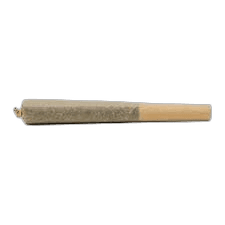
- Tips or cones: some booklets include filter tips, and pre-rolled cones save the rolling altogether: you just fill and pack them.
Storing papers and getting started
Keep booklets closed in a cool, dry place: damp papers turn sticky and can become hard, or impossible, to roll.
Once you have papers, the step-by-step guide to rolling a joint walks through the technique, and a rolling tray keeps loose flower off the table. To light it, some people use a hemp wick instead of a lighter.
Any joint still produces smoke: Health Canada says cannabis smoke has many of the same harmful chemicals as cigarette smoke. The guide to smoking weed with lower risk covers ways to cut that down.
Buying rolling papers
GasDank delivers same day across Toronto and the GTA, usually within 1 to 2 hours, and ships mail order across Canada; mail orders have no minimum and ship free from $150. Browse rolling papers, or pick up pre-rolls if you would rather not roll. Customers must be 19 or older (21 in Quebec), with ID checked at the door.