What is THC?
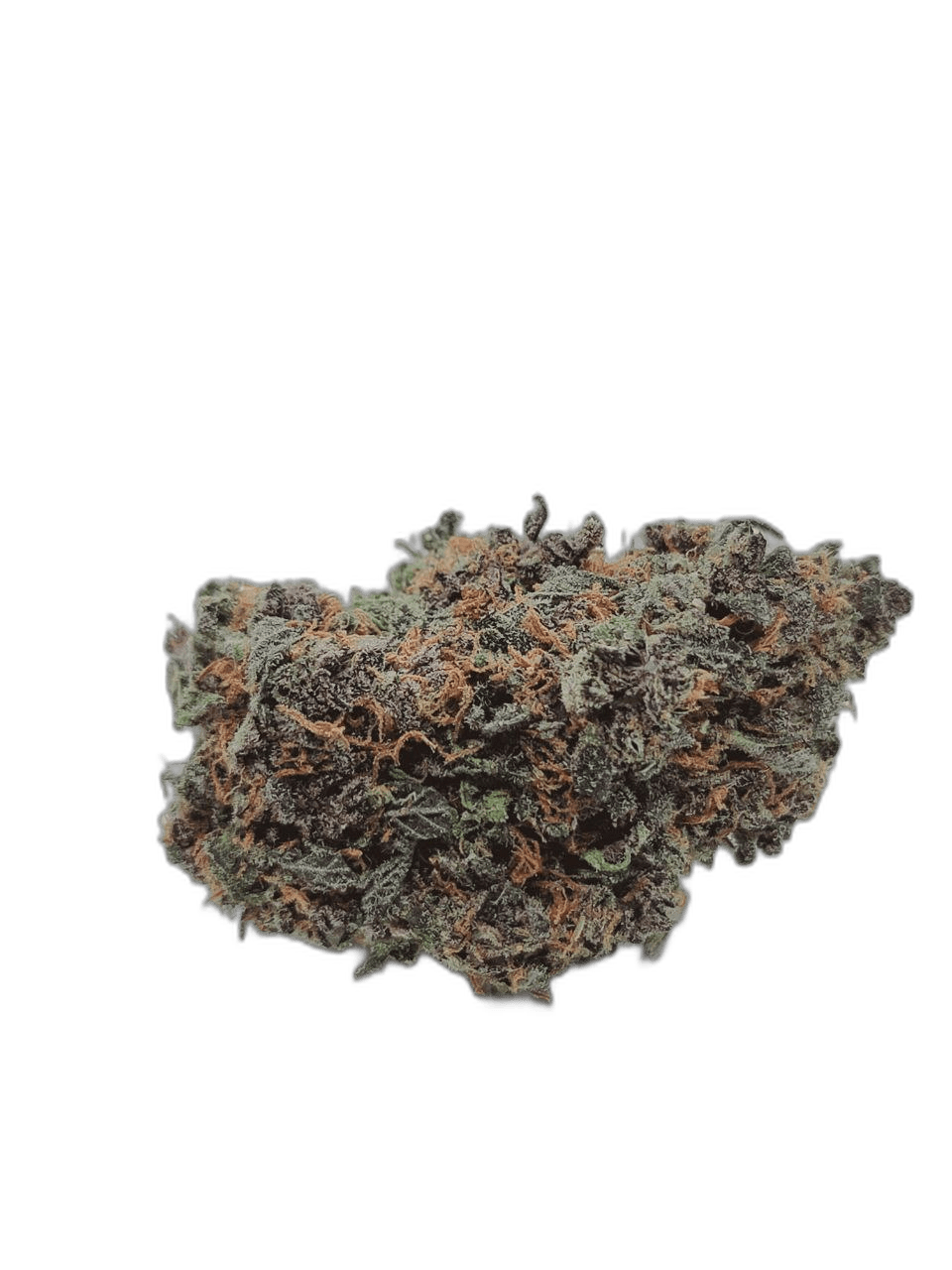
Tetrahydrocannabinol (THC), specifically Delta 9 THC, is the primary cannabinoid found in cannabis plants that is known for its psychoactive characteristics. When discussing cannabis potency, THC content is typically the focus, measured as a THC percentage of the dried cannabis flower's total weight on a dry weight scale. This cannabinoid concentration can vary significantly from one cannabis strain to another, highlighting the importance of understanding the inherent THC content of the cannabis plant material you choose. The total THC displayed on legal cannabis product labels in Canada accounts for both active THC and its precursor, THCA (tetrahydrocannabinolic acid), which converts into THC when heated through consumption methods like smoking a joint. Navigating THC Vs CBD: Understanding differences and regulations
3 Factors That Influence The THC Content in a Joint
The actual amount of THC in a joint is not a fixed number; rather, it’s a variable influenced by several key factors. Understanding these elements provides a more comprehensive insight into what to expect from your cannabis use.
The Potency of the Cannabis Flower
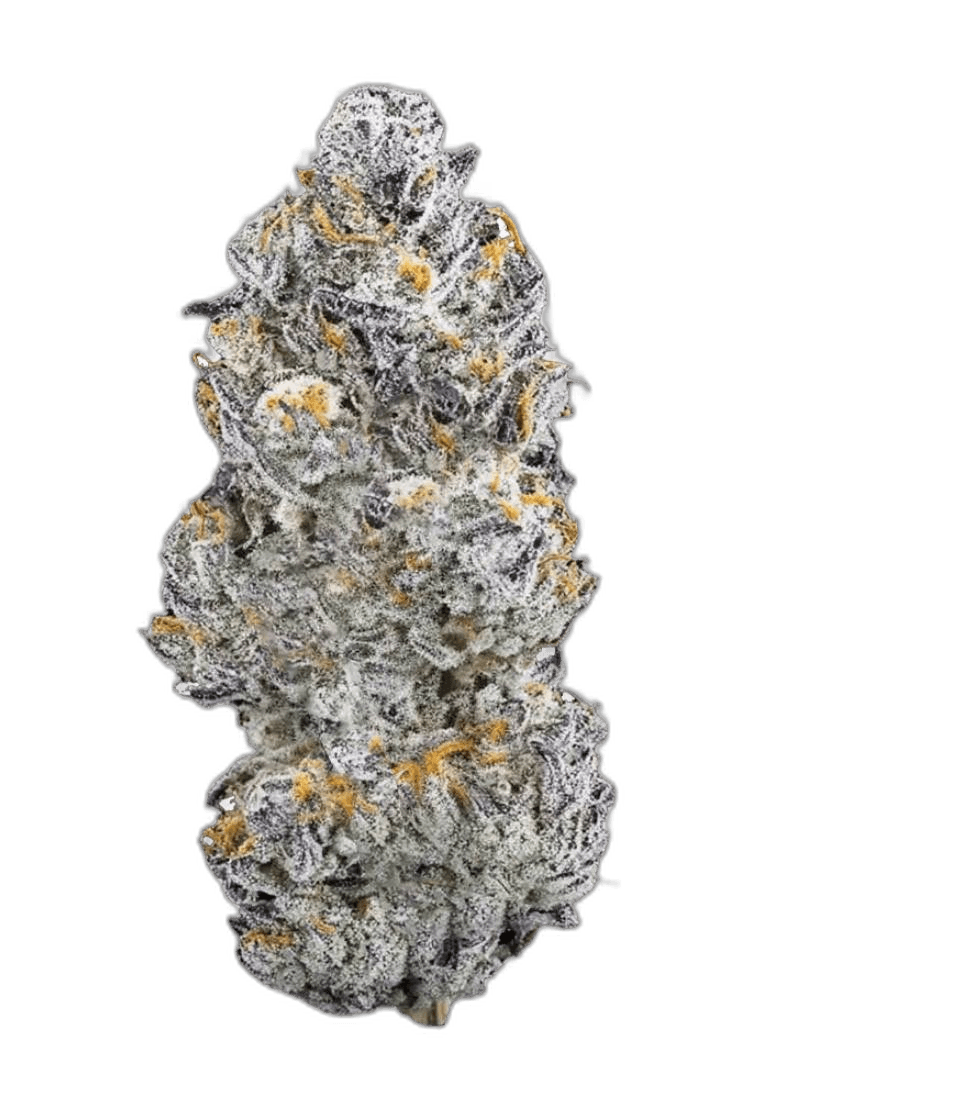
The most significant factor affecting THC in any cannabis joint is the THC percentage of the cannabis flower itself. Different cannabis strains are bred to contain varying levels of tetrahydrocannabinol, with some, like High-THC strains, exhibiting significantly higher potency levels than others, such as low-THC strains or medium-THC strains. Legal cannabis products in Canada provide clear THC content labelling, allowing consumers to identify the exact THC percentage per gram (mg/g) of dried cannabis. Choosing a strain of cannabis with 15% THC content versus one with 25% will directly impact the total milligrams of THC in your finished joint. The growing conditions of the cannabis plant also significantly influence its cannabinoid concentration and overall cannabinoid profile.
Quantity of Cannabis Used and Joint Construction
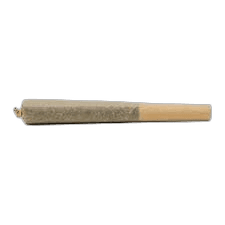
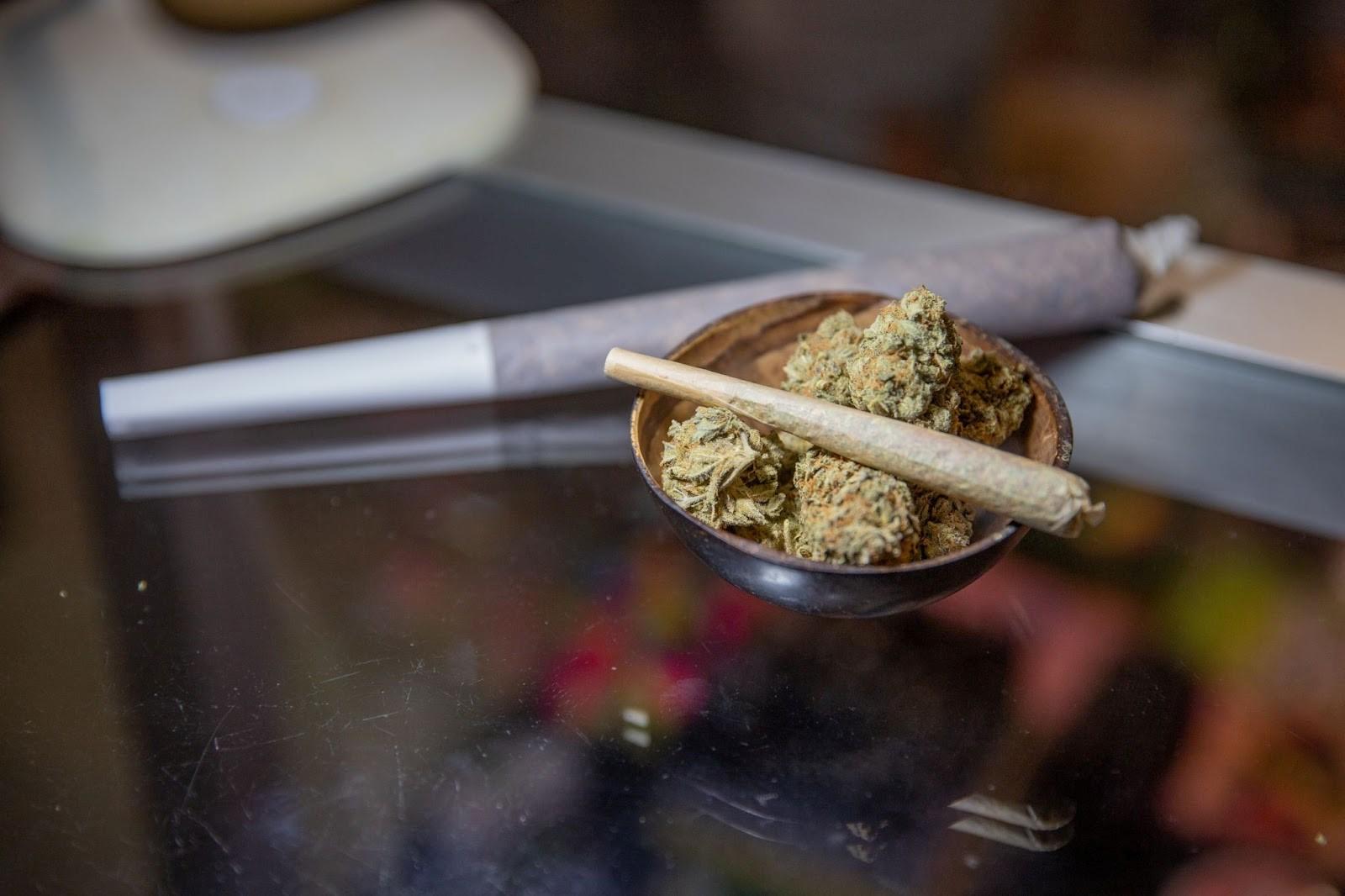
Logically, the more cannabis you use to roll a joint, the greater the total THC it will contain. A larger joint packed with more dried cannabis plant material will naturally deliver a higher milligram (mg) of THC compared to a smaller, more sparingly filled one. The weight of cannabis in grams is a direct multiplier in determining the final THC dosage. Pre-rolled joints typically state the weight of cannabis included, making it easier to know the THC content per unit. The specific joint construction also plays a role in how efficiently the cannabis quantities are consumed.
Rolling Method, Puff Technique, and Bioavailability
The way a joint is rolled and your smoking style plays a strategic impact on the effects of the THC content. A tightly packed joint may burn slower, potentially leading to more efficient cannabinoid conversion and absorption, while a looser roll might burn faster and less effectively. Your puff technique also impacts cannabis consumption and the absorption of milligrams of THC. How to roll a blunt: Step-by-step guide
Estimating THC per Joint: Practical Calculations
Identify the THC Percentage: Look at the product label for the Total THC percentage (e.g., 20% THC).
Convert Percentage to Decimal: Divide the THC percentage by 100 (e.g., 20% becomes 0.20).
Weigh Your Cannabis: Determine the weight of cannabis in your joint in grams using a dry weight scale or by estimating with a measuring spoon (e.g., a typical joint might contain 0.5 grams of dried cannabis flower).
Perform the Calculation: Multiply the decimal THC percentage by the weight of cannabis in milligrams (1 gram = 1000 milligrams).
Canadian Cannabis Regulations & Product Labelling
In Canada, cannabis products are subject to strict federal regulations under the Cannabis Act, overseen by Health Canada. The legal status of cannabis use in Canada means these comprehensive guidelines are designed to ensure public health and safety, providing consumers with accurate information about the cannabis products they buy.
Mandatory Labelling Requirements for Cannabis Products
Standardized Cannabis Symbol: A clear warning symbol indicating the presence of THC.
THC and CBD Content: Both the percentage (%) and milligrams of THC per gram (mg/g) of Total THC and Total CBD must be clearly listed on the product label.
Product Type: Identification of the cannabis quantities and product form (e.g., dried cannabis flower, pre-rolled joint ).
Health Warning Messages: Mandatory warnings about the potential effects of cannabis use.
Packaging Date and Lot Number: For traceability and quality control, crucial cannabis metrics.
How to Choose the Right THC Percentage for You
Prior Experience with Cannabis Use: For individuals new to cannabis consumption, starting with low-THC strains or medium-THC strains is recommended. This allows you to gradually understand your personal response to different THC content levels, preventing overconsumption as you begin your cannabis use journey.
Desired Intensity and Effects: The THC percentage directly influences the intensity of the experience. High-THC strains deliver more pronounced effects, while lower percentages offer a milder impact. Consider what kind of experience you are seeking when selecting a strain of cannabis.
Understanding the Terpene Profile: Beyond just THC content, the unique terpene profile of a strain of cannabis significantly contributes to its aroma, flavor, and overall characteristics. Exploring different terpenes can enhance your cannabis consumption experience, guiding your choice alongside THC percentage.
Form of Cannabis Product: Whether you're choosing dried cannabis flower to roll your own joint or opting for the convenience of a pre-rolled joint, the product label clearly displays its THC percentage. This consistency helps you make informed decisions across various consumption methods, ensuring you know the THC content you are getting.
Personal Tolerance: Consistent cannabis use, particularly of high-THC strains, can lead to changes in individual tolerance over time. Understanding this dynamic is vital for responsible cannabis consumption.
How much THC is typically in a joint?
A typical joint contains between 60 to 150 milligrams of THC, depending on the weight of the cannabis and its potency (THC percentage). For example, a 1 gram joint with 20% THC would have about 200 mg THC before consumption factors are considered.
Why does the amount of THC I feel differ from the THC content in the joint?
Not all THC in a joint makes it into your bloodstream. Factors like smoking technique, waste through sidestream smoke, and individual body absorption rates (bioavailability) influence how much THC you actually consume.
Has the average THC content in joints changed over time?
Yes, joints today contain significantly more THC than in the past. In the 1970s, joints averaged about 10 mg THC, while modern joints can have 60 to 150 mg or more due to higher potency strains and larger joint sizes.
Your Trusted Source for Premium Cannabis
At GasDank, we’re proud to be your trusted cannabis dispensary across Canada. Our curated selection includes premium dried flower and convenient pre-rolls, all clearly labeled with precise THC and CBD content. We prioritize accuracy, transparency, and a safe online shopping experience, empowering you to make informed decisions about cannabis use and potency. With GasDank, you get expert guidance, high-quality products, and a seamless journey from discovery to delivery. Browse our online menu