Why How You Light It Matters
Most people give zero thought to lighting a joint. They flick a lighter, blast the end, take a huge pull, and wonder why it burns crooked and tastes harsh. The truth is that how you light a joint has a real effect on how it smokes. A careful, even light sets up a smooth, slow, evenly burning joint, while a rushed, careless light leads to canoeing, harshness, and wasted flower.
Canoeing is the big enemy, and it is exactly what it sounds like. The joint burns down one side faster than the other, leaving a long pointed shape like a canoe. Once it starts canoeing it tends to get worse, running unevenly, wasting the flower on the unburnt side, and generally smoking poorly. Almost every case of canoeing traces back to how the joint was lit and pulled in the first place.
The good news is that getting a perfect burn is genuinely easy once you know the simple steps. It costs you nothing but a few extra seconds of patience at the start. A well lit joint burns evenly all the way down, tastes cleaner, wastes less, and is just more pleasant to smoke. So it is worth slowing down for these seven steps the next time you spark up.
It is one of those small skills that pays off every single time you smoke for the rest of your life, which makes the few minutes spent learning it a genuinely good investment. Once it clicks, you stop wasting flower on lopsided burns, your sessions taste better, and you never again have to wrestle a joint that insists on burning down one side. A little attention up front buys you a lot of smooth, even smoking down the road.
Step One: Pick the Right Flame
Your choice of flame matters more than people realize. A soft, gentle flame is your friend here. A standard lighter works fine, and a long neck or barbecue style lighter is even better because it keeps the heat away from your fingers and gives you more control. Hemp wick is a favourite among purists, since it burns at a lower temperature and avoids the taste some people get from a lighter.
What you want to avoid is anything that blasts the joint with intense, focused heat. A jet or torch lighter, the kind used for dabs, is generally too aggressive for a joint. That fierce flame scorches the paper and flower instantly, charring one spot rather than gently toasting the whole tip. It is overkill and tends to ruin the even burn you are trying to set up.
If you only have a regular lighter, that is completely fine, just use it gently. The technique matters more than the tool. The goal with whatever flame you choose is a soft, controlled heat that you can guide around the tip of the joint, not a blowtorch that you jam against it. Keep the flame modest and you are already halfway to a perfect burn.
Step Two: Toast the Tip First
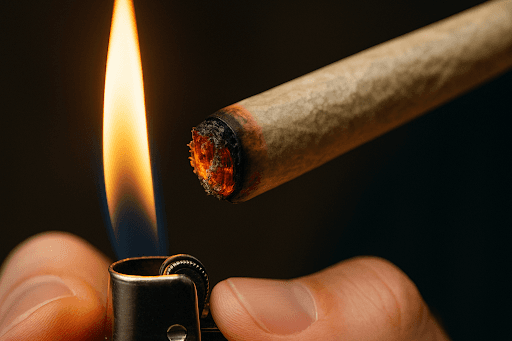
Here is the single most important trick, and it is the step almost everyone skips. Before you take a single puff, toast the tip of the joint. Hold the flame near the end, not jammed against it, and gently rotate the joint so the heat touches the entire circumference of the tip. You are lightly charring the whole end evenly, not setting it ablaze.
Toasting does something crucial. It dries and lightly chars the tip all the way around, so that when you do start to draw, the joint catches evenly across its whole face instead of lighting on just one side. This is the foundation of an even burn and the best defence against canoeing. Skip it and you are far more likely to end up with a lopsided, crooked burn.
Take your time with this. A few seconds of patient rotating makes a noticeable difference. You will see the tip darken evenly around the edge as you toast it. Resist the urge to start puffing immediately. This little bit of prep is the difference between a joint that burns beautifully and one that fights you the whole way down. It is the secret the pros all know.
Step Three: Rotate While You Light
Once the tip is toasted and you are ready to actually light it, keep that rotation going. As you bring the flame to the tip and begin a gentle draw, slowly spin the joint between your fingers. This ensures the flame and the airflow pull the cherry, the lit ember, evenly across the whole end rather than favouring one side.
Rotating is the through line of good lighting technique. From the toasting step right through the moment it catches, you are constantly turning the joint so heat distributes evenly. Think of it like roasting something over a fire. You turn it so it cooks evenly all the way around rather than burning on the side facing the flame. Same principle exactly.
It feels a little fiddly the first few times, but it quickly becomes second nature. After a few joints you will rotate automatically without even thinking about it. That habit of constant gentle rotation while lighting is one of the clearest markers of someone who knows what they are doing, and it is a big part of why their joints always seem to burn so cleanly and evenly.
Step Four: Draw Gently, Not Hard
When it comes time to actually pull, go gentle. A common mistake is taking a huge, forceful drag the moment the flame touches the joint, trying to get it going fast. That hard pull sucks the flame in unevenly, often lighting one side aggressively while the other lags, which is a direct ticket to canoeing. Restraint is the name of the game here.
Instead, take slow, soft draws as you bring the flame to the toasted tip. You are coaxing the joint to light evenly, not yanking it into flame. Small, steady pulls let the whole face catch gradually and evenly. Once it is properly lit and burning on its own, you can settle into your normal smoking rhythm, but the lighting moment itself calls for a light touch.
This gentle approach also protects the flavour. Blasting a joint with a hard pull and intense heat scorches the flower and produces harsh, hot smoke. A gentle, even light keeps the temperature reasonable and the smoke smoother and tastier. So drawing softly at the start is not just about the burn, it genuinely improves how the whole joint tastes from the first puff onward.
Step Five: Watch for an Even Cherry
After your first few gentle puffs, take a look at the lit end, the cherry. You want to see it glowing evenly all the way around, a nice even ring of ember across the whole face of the joint. That even cherry is the sign that your careful lighting worked and the joint is set up to burn straight down the rest of the way.
If you notice the cherry is uneven, glowing more on one side than the other, do not panic. You can correct it early before it turns into full blown canoeing. Simply apply a little flame to the side that is lagging, or angle the joint so the underburnt side faces up, letting the heat rise to even things out. Catching it early is key, because once a joint canoes badly it is hard to fully recover.
Getting in the habit of glancing at the cherry after lighting takes two seconds and saves a lot of grief. It lets you correct small imbalances before they snowball. A perfectly even cherry right after lighting basically guarantees a smooth, even burn for the rest of the joint, so it is a quick check that pays off every single time you light up.
Step Six: Let It Settle
Once the joint is lit with a nice even cherry, give it a brief moment to settle into a steady burn before you go to town on it. There is a tendency to immediately start hitting a freshly lit joint hard and fast, but letting it establish a stable, even burn for a few seconds helps it keep burning straight rather than running off to one side.
This also ties into pacing your smoking. A joint that is puffed too aggressively and too constantly tends to burn hot and uneven, while one that is smoked at a relaxed, steady pace burns cooler and straighter. After you light it, ease in. Let it do its thing. The joint will reward a patient smoker with a long, even, smooth burn from top to bottom.
Settling also lets the flavour come through. The first moments after lighting can taste a little of paper or scorch, but once the joint settles into a clean, even burn, the actual flavour of the flower comes forward. Giving it that brief beat to settle means the rest of your session tastes the way the strain is supposed to taste, which is the whole point of smoking good flower.
Step Seven: Maintain the Burn As You Go
A perfect light is not quite the whole job. Keeping the burn even as you smoke takes a little ongoing attention, and this is the seventh step that separates a good session from a frustrating one. As you pass the joint or take breaks between hits, glance at the cherry now and then to make sure it is still burning evenly across the whole face.
If it starts to drift toward canoeing partway through, the same fixes apply. Touch a little flame to the lagging side, or hold the joint with the underburnt side facing up so the heat rises to correct it. Smoking at a relaxed, even pace and taking smooth, moderate pulls rather than hard frantic ones goes a long way toward keeping the burn straight without any intervention at all.
Ash management helps too. Gently tapping off built up ash keeps the cherry exposed and burning cleanly, while a long teetering ash can cause uneven burning and make a mess. None of this requires constant fussing, just an occasional check in. Master these little habits and you will consistently smoke joints right down to the end with a clean, even, satisfying burn the whole way.
Fixing a Joint That Canoes
Even with good technique, joints sometimes canoe, especially if they were rolled a bit unevenly or smoked in a hurry. The good news is that a canoeing joint is usually salvageable if you catch it before it gets too extreme. The core fix is to even out the burn so the lagging side catches up to the side that is racing ahead.
The simplest method is to apply a little flame directly to the underburnt side, gently encouraging it to catch up to the rest. Another reliable trick is to hold the joint horizontally or angle it so the underburnt side faces upward, because heat rises and will naturally pull the burn toward the higher side. A little patience and the burn line straightens out.
Some people also lightly wet a fingertip and dab the over burning side to slow it down, though that is a more advanced move and easy to overdo. The real lesson, though, is prevention. An even roll and a careful light following these steps means you rarely have to rescue a canoeing joint in the first place. Fix the cause and you spend a lot less time fixing the symptom.
Lighting Outdoors and in Wind
Lighting a joint outside adds one big variable, wind, and it can wreck even the best technique if you are not ready for it. A breeze pulls the flame around, makes the joint burn unevenly, and causes it to run hot and fast on the windward side. So when you are outdoors, the first job is always to shield the flame from the wind before you even think about toasting the tip.
Cupping your hands around the flame and the tip of the joint is the classic move, creating a little pocket of still air where you can light properly. Turning your body so your back is to the wind helps too, using yourself as a windbreak. In a strong breeze, finding a sheltered spot against a wall or in a doorway makes the whole thing far easier than fighting the wind in the open.
Once it is lit outdoors, wind keeps trying to make it burn unevenly, so you may need to check the cherry more often and correct small imbalances as you go. Smoking in a sheltered spot and keeping your body between the joint and the wind throughout the session goes a long way. Wind is the outdoor smoker main enemy, but a little shielding keeps your burn even even on a breezy day.
Pre Rolls and Getting an Even Burn
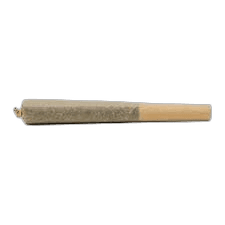
A lot of people skip rolling entirely and go straight for pre rolls, and the good news is the same lighting principles apply and work beautifully. A quality pre roll is packed evenly by design, which removes one of the main causes of uneven burning, the sloppy roll. That gives you a head start toward a perfect burn before you even spark it.
Even with a well made pre roll, do not skip the toasting step. Hold the flame near the tip, rotate it, and char the whole end evenly before drawing, exactly as you would with a hand rolled joint. Pre rolls benefit just as much from a gentle, even light, and rushing them with a hard pull and a blast of flame will still cause canoeing despite the even pack.
Pre rolls are honestly a great way to practice good lighting technique, since you can focus entirely on the toasting, rotating, and gentle drawing without worrying about whether your roll is the problem. Master the light on a few consistent pre rolls and the skills transfer straight to hand rolled joints. Either way, the seven steps deliver the same smooth, even burn you are after.
Common Lighting Mistakes to Avoid
The biggest mistake is impatience, skipping the toasting step and immediately taking a hard pull while blasting the tip with flame. That single rushed move causes most uneven burns. Slowing down for a proper toast and a gentle initial draw prevents the vast majority of canoeing problems before they ever start, so patience really is the master skill here.
Using too aggressive a flame is another classic error. A torch or jet lighter scorches the joint instead of toasting it evenly, charring one spot and ruining both the burn and the flavour. A soft flame, or better yet hemp wick, gives you the gentle, controllable heat that even lighting requires. Match the tool to the job and your burns improve immediately.
Finally, people often smoke too hard and too fast throughout, not just at the start. Hammering a joint with constant forceful pulls makes it burn hot, harsh, and uneven all the way down. A relaxed, steady pace keeps the burn even and the smoke smooth. Treat a joint like something to savour rather than something to race through, and both the burn and the flavour get noticeably better.
A Few Extras That Help
Beyond the seven steps, a couple of small things round out a great smoking experience. The quality of the roll matters a lot. A joint rolled evenly, not too tight and not too loose, with no big gaps or clumps, is far easier to light and burn evenly than a sloppy one. If you struggle with rolling, a good quality pre roll takes that variable off the table entirely.
Fresh, properly cured flower also burns better than flower that is too dry or too damp. Bone dry weed burns fast and harsh, while overly moist flower struggles to stay lit and burns unevenly. Properly stored flower at the right moisture level lights easily and burns smoothly, which is one more reason to keep your stash in good condition.
And honestly, practice is the biggest factor. The first few times you focus on toasting and rotating, it feels deliberate and a little awkward. After a handful of joints, the whole routine becomes automatic and you stop even thinking about it. Before long you will be lighting joints with a perfect even burn every time, almost without noticing, and wondering how you ever did it any other way.
The Bottom Line on Lighting a Joint
Lighting a joint well comes down to patience and even heat. Use a soft flame, toast the whole tip before you puff, rotate the joint as you light it, and take gentle draws rather than hard pulls. Check for an even cherry, let it settle into a steady burn, and keep an eye on it as you smoke. Those simple habits give you a smooth, even burn nearly every time.
The enemy is canoeing, and almost every case of it traces back to rushing the light. A few extra seconds of careful toasting and gentle pulling at the start prevents most uneven burns before they happen, and the ones that do start can usually be corrected by applying heat to the lagging side or angling the underburnt part upward.
None of this is complicated, and it quickly becomes second nature with a little practice. Pair good technique with an even roll or a quality pre roll and fresh, well stored flower, and you will consistently enjoy smooth, even, flavourful joints right down to the end. A perfect burn is genuinely just seven simple steps and a bit of patience away.
Shopping for light a joint? Same-day delivery runs right across Toronto and the Greater Toronto Area through GasDank, with most orders landing in one to two hours. Pay cash on delivery or by Interac e-Transfer.