What limonene is
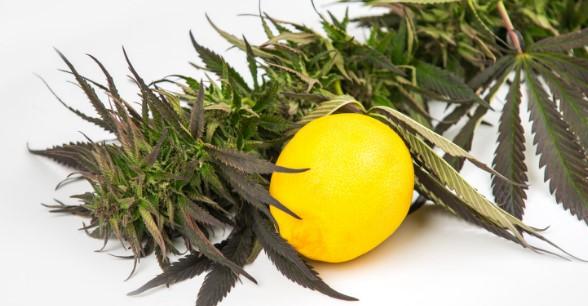
Limonene is a monoterpene, one of the most common terpenes in cannabis (Santiago et al., 2019), and chemical references describe its smell as pleasant and lemon-like (PubChem).
It exists in 2 forms, d-limonene and l-limonene (PubChem). d-Limonene, also written (+)-limonene, can be obtained by steam-distilling citrus peel and pulp left over from juice and cold-pressed oil production, or by separating it from citrus oils.
Where limonene is found and how it is used
Limonene is the major component of the scent and essential oil of citrus peels, and it is also a major part of the aroma and resin of many trees, including pines and spruces (Wikipedia). Citrus oils also contain other terpenes, such as terpinolene (PubChem).
Limonene's uses include (PubChem):
- Food flavourings: JECFA, the joint FAO/WHO expert committee on food additives, classes it as a flavouring agent
- Fragrances, perfumes and cosmetics
- Solvents and cleaning products
- Some insecticides and insect repellents
Limonene in cannabis
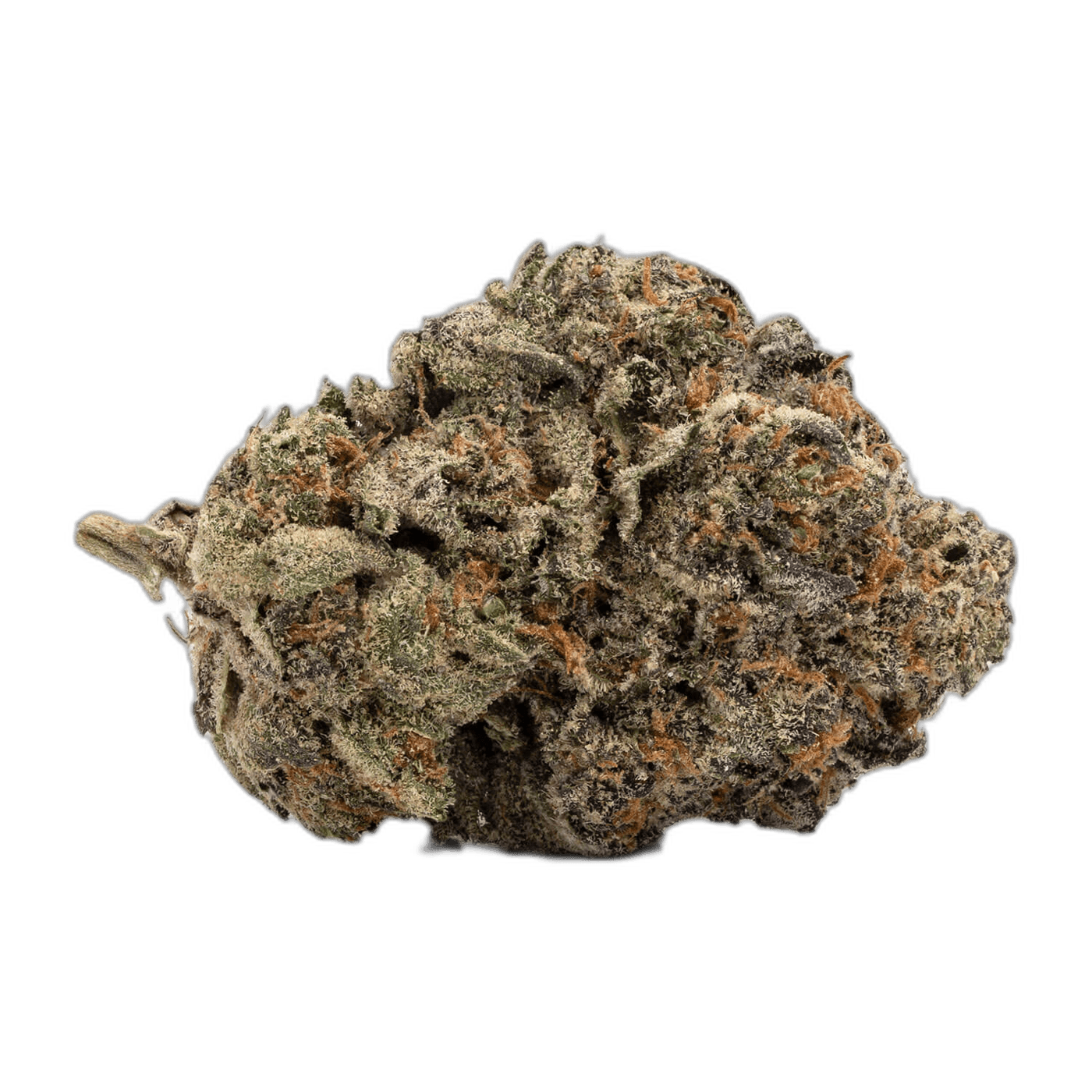
Cannabis makes limonene in the glandular trichomes on its flowers. When researchers mapped the terpene-making enzymes in trichomes of the hemp variety Finola, they identified one whose main product is (-)-limonene, and limonene was among the most abundant monoterpenes in the plant (Booth et al., 2017). That differs from d-limonene, the (+) form obtained from citrus peel.
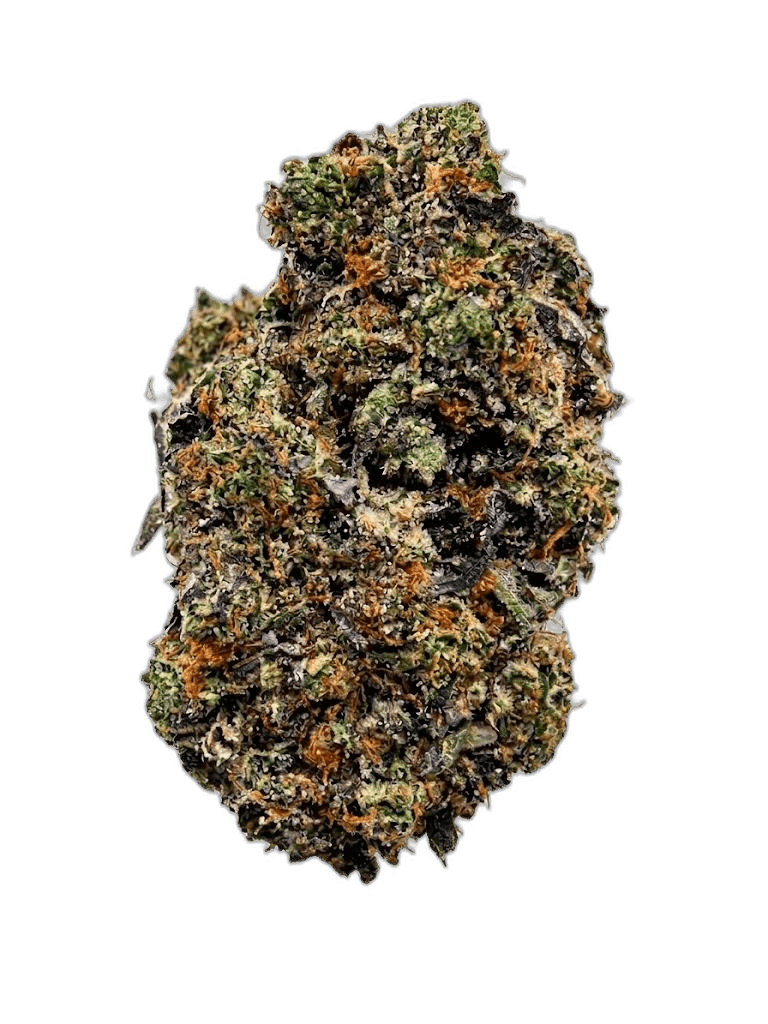
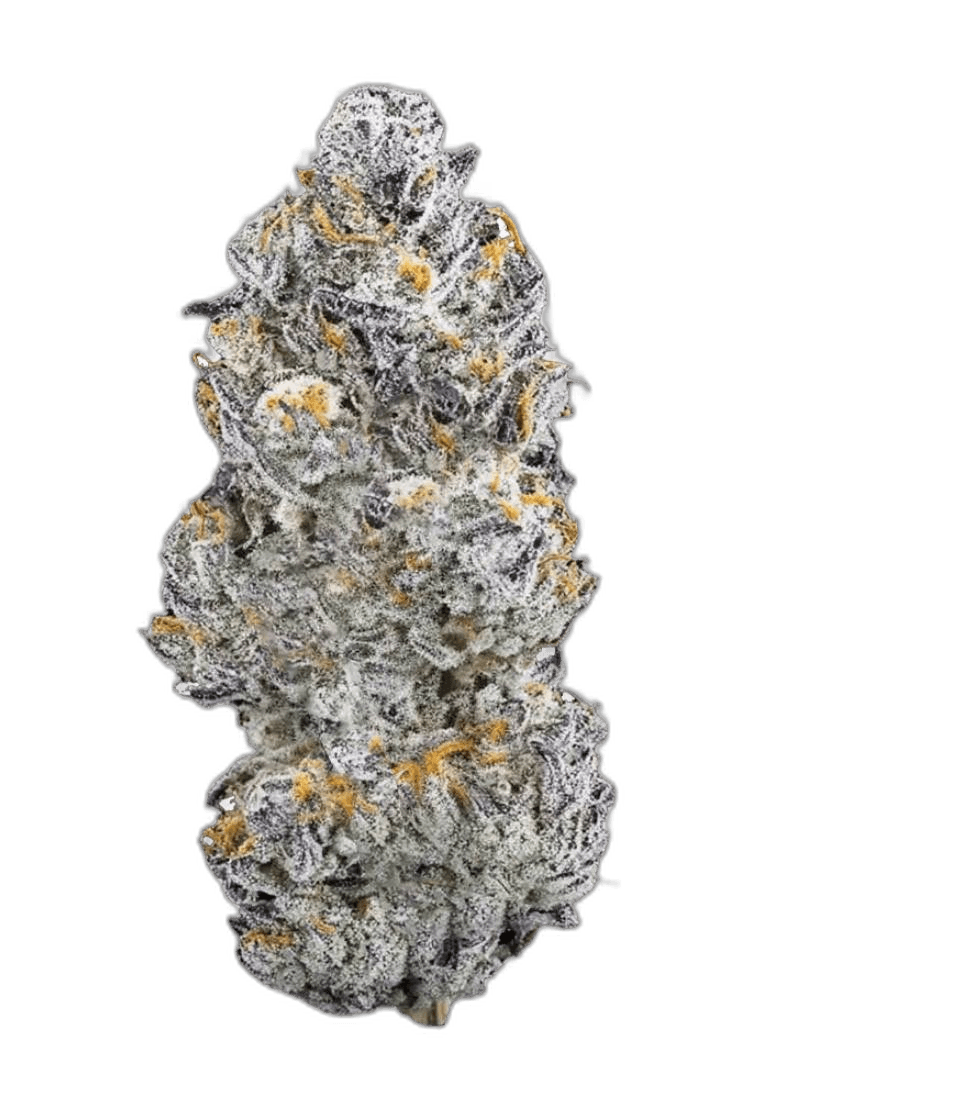
In a 2022 analysis of 89,923 lab-tested flower samples from 6 US states, one of the 3 main terpene groups was defined by high beta-caryophyllene and limonene. Some strain names were strongly tied to it: 96% of products sold as Purple Punch and 100% of those sold as Dogwalker OG fell into that group (Smith et al., PLOS One).
Even so, strain names were far from a perfect guide to chemistry in that study, and genetics and growing conditions both affect terpene content (Tanney et al., 2021). The complete guide to cannabis terpenes covers the other major terpenes, and the trichome guide explains where they are made.
Does a citrus smell mean limonene?
Not always. A 2023 study of 31 cannabis rosin extracts found that terpene profiles were fairly similar across strains with very different aromas, and that a newly identified group of sulfur compounds was responsible for citrus aromas (American Chemical Society).
Limonene is one of the terpenes that product labelling and classification schemes already use (American Chemical Society), so a lab result is the reliable way to know how much a batch contains.
What research does and doesn't show
Online charts often call limonene uplifting. That has not been established. A 2023 review describes research on whether terpenes shape cannabis effects as still in its infancy and found the evidence contradictory and inconclusive (Christensen et al., 2023).
In one cell study, limonene and 5 other common terpenes did not activate the CB1 or CB2 cannabinoid receptors and did not change how THC acted at them (Santiago et al.). Research on terpenes in cannabis has been mostly pre-clinical, with few double-blind trials in people (Christensen et al.), so animal and cell findings about limonene that circulate online do not show what it does in people.
THC, not limonene, is what causes the high, and higher THC doses can bring anxiety, paranoia or panic (CAMH). For medical questions about cannabis, talk to a doctor or pharmacist.
Safety notes
Limonene is listed as a fragrance allergen under EU cosmetics rules, which matters mainly for people with fragrance allergies (PubChem).
Like other terpenes, it can break down into harmful compounds such as benzene when concentrates are heated to very high temperatures, as in some dabbing (American Chemical Society). Terpenes also evaporate easily at room temperature (American Chemical Society), so see the weed storage guide for keeping flower fresh.
Buying citrus-forward flower
If you like a citrus aroma, lab results that list terpenes are a better guide than an indica or sativa label (Smith et al.). GasDank delivers same day across Toronto and the GTA, usually within 1 to 2 hours, and ships mail order across Canada. The menu carries lab-tested products; browse all flower. Customers must be 19 or older (21 in Quebec), with ID checked at the door.