What Cannabis Pollen Actually Is
Pollen is the cannabis plant's version of male reproductive material. Male plants produce it in small sacs, and its whole job is to fertilize female flowers so they produce seeds. For most people smoking weed, pollen is the enemy, because seeded flower is lower quality. But for anyone interested in breeding their own strains, pollen is the most valuable thing in the garden.
It looks like a fine, pale yellow dust, almost like flour or a very light powder. A single male plant can produce a huge amount of it, enough to fertilize many female plants. That tiny dust is packed with the genetic information of the male, which is exactly what makes it the key ingredient in creating new seeds and new combinations of traits.
Understanding pollen is really the gateway to understanding breeding. Once you grasp that pollen carries the male's genetics and that pairing it with a chosen female creates seeds blending both parents, the whole process of making your own strains starts to make sense. Everything in breeding revolves around collecting that dust and getting it onto the right flowers.
Why Growers Want to Collect Pollen
The main reason to collect pollen is to breed. If you have a male plant with traits you like and a female you want to cross it with, pollen is how you make that pairing happen and turn it into seeds. Home breeders use this to create their own strains, preserve genetics they love, and produce a steady supply of seeds for future grows.
Collecting and storing pollen also lets you breed across time. Male and female plants do not always mature at the same moment, and you might want to use a particular male months after it finished. Stored pollen solves that. You capture it when the male is ready and save it to fertilize a female later, even in a completely different growing cycle.
There is also the preservation angle. A standout male is just as genetically important as a great female, but males get far less love and are often thrown out early. Saving the pollen from an exceptional male means you keep that half of the genetics alive. For a serious breeder, a well stored pollen collection is a genetic library worth protecting.
Spotting and Choosing a Male Plant
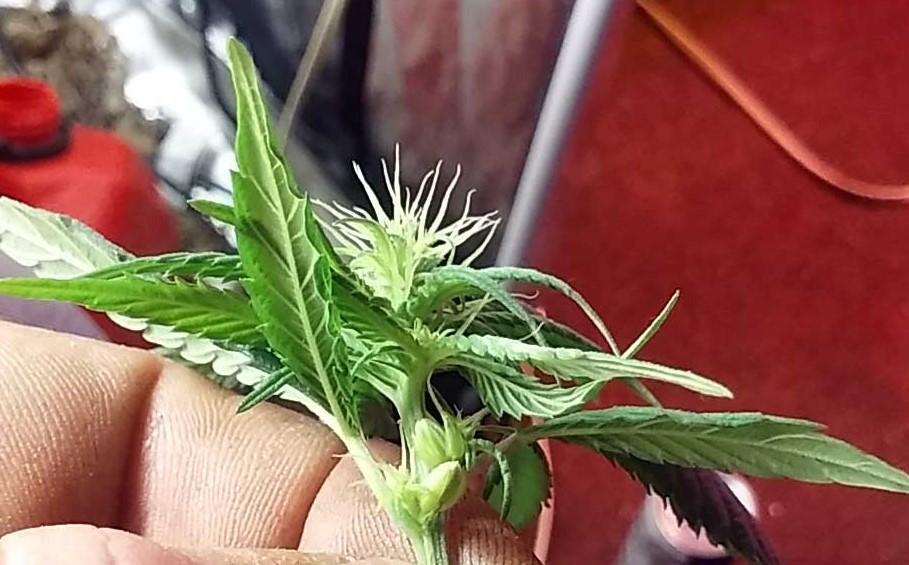
Before you can collect pollen, you need a male, and you need to identify it correctly. Males show their sex by developing small, round pollen sacs at the nodes, where branches meet the stem. These look like tiny balls or clusters, quite different from the wispy white hairs that mark a female. Learning to tell them apart early is a basic breeding skill.
Not just any male will do if you care about quality. The best breeders choose males with desirable traits, things like vigour, sturdy structure, good resin production on the leaves, and a pleasant aroma. Since a male does not grow the buds you smoke, judging it is harder, but its genetics still shape half of every seed it produces, so selection matters.
One practical tip is to watch for the earliest signs and act fast. Males tend to show their sex a little ahead of females, and once you confirm a plant is male, you can decide whether to keep it for breeding or remove it before it pollinates anything. Acting early gives you control over what gets fertilized and what stays seedless.
Timing the Collection
Timing is everything with pollen. You want to collect it when the male's pollen sacs are mature and just beginning to open, but before they burst and release everywhere. Collect too early and the pollen is not viable. Wait too long and the sacs split open on their own, scattering pollen all over your grow space, which is the last thing you want.
As the sacs ripen, they swell and their colour shifts, and eventually they start to crack open at the bottom. That moment, right as they begin to open, is the sweet spot. Some growers gently tap a branch and watch for a light dusting to fall, which tells them the pollen is ready and willing to release without forcing anything.
Patience and daily checking pay off here. In the days leading up to ripeness, inspect your male regularly so you catch that narrow window. Missing it by even a day or two can mean either unripe, useless pollen or sacs that have already exploded. Watching closely as the male matures is the difference between a clean harvest and a messy accident.
How to Collect Pollen Cleanly
The simplest collection method is to isolate the male and let it do the work. Once the sacs are opening, you can place a clean sheet of paper, or a small bag, beneath or around the flowering branches and gently shake or tap them. The ripe pollen falls as a fine dust onto the paper, ready for you to gather up carefully.
Some growers cut whole mature branches and hang them upside down over a collection surface, letting the pollen drop as the sacs continue to open over a day or two. Either way, you want a clean, dry surface and still air, because pollen is so light that the slightest breeze sends it flying. Working in a calm, enclosed space keeps your harvest intact.
Once you have your dust, you can refine it by passing it through a fine micron screen to separate the pure pollen from bits of plant matter. Cleaner pollen stores better and is easier to apply precisely. This step is optional for casual breeding, but if you plan to store pollen long term, a little sifting goes a long way toward keeping it pure.
Containing the Chaos
Here is the warning every breeder learns, sometimes the hard way. Pollen gets everywhere. It is so fine that it drifts on air currents, sticks to clothing and skin, and can travel surprising distances. A careless pollen session can accidentally fertilize every female plant in your grow, ruining a whole crop of flower you meant to keep seedless.
Because of this, serious growers treat pollen like a contaminant to be contained. Work in a separate, enclosed area away from your flowering females, ideally with the air still and the door closed. Change or cover your clothes afterward, wash your hands, and clean surfaces, because stray pollen on your sleeve can pollinate a plant in the next room without you noticing.
It is also smart to plan your whole breeding setup around containment from the start. If you know you will be working with pollen, keep your males physically separate from your flowering females well before collection day. A bit of planning up front saves you from the heartbreak of discovering seeds in flower you spent months growing to smoke.
Drying Pollen Before Storage
Fresh pollen carries a little moisture, and moisture is the enemy of storage. Before you store it, you want it as dry as possible, because any dampness encourages mould and quickly kills the pollen's viability. Letting freshly collected pollen sit out briefly in a dry, still spot helps shed surface moisture before you seal it away for the long term.
Many breeders mix their pollen with a dry filler like flour to help absorb moisture and make the pollen easier to apply later in small amounts. The filler also stretches a small quantity of pollen further. If you do this, the flour must be thoroughly dry first, since adding any moisture back in defeats the entire purpose of the drying step.
The goal at this stage is simple. Get the pollen bone dry, keep it away from humidity, and prepare it for cold storage. Pollen that goes into the freezer even slightly damp tends to clump and lose potency. A few minutes of care drying it properly is what makes the difference between pollen that lasts and pollen that fails when you need it.
Storing Pollen for the Long Haul
Stored properly, cannabis pollen can stay viable for many months, and longer in ideal conditions. The recipe for good storage is cold, dark, dry, and airtight. Put your dried pollen in a sealed, airtight container, add a desiccant packet to soak up any stray moisture, and keep it in the freezer. Those four conditions together preserve viability far better than any one alone.
Temperature is the big lever. Pollen kept at room temperature degrades within days to weeks, while frozen pollen can last through seasons. The catch is that you must protect it from moisture and condensation, which is why the airtight container and desiccant matter so much. When you take frozen pollen out, let the sealed container reach room temperature before opening it, so condensation forms on the outside rather than ruining your pollen inside.
Label everything clearly with the strain and the date you collected it. A pollen collection is only useful if you know what each batch is, and pollen all looks like the same yellow dust. Good labelling turns a freezer drawer of mystery powder into an organized genetic library you can actually breed from with confidence months or even years down the road.
Using Pollen to Fertilize a Female
When you are ready to breed, you apply your pollen to a flowering female that has been in bloom for a few weeks and has developed plenty of those white hairs, which are the parts that catch the pollen. You do not need much. A small amount of pollen on a brush, or a gentle dab, applied directly to the chosen flowers is enough to do the job.
A popular technique is to pollinate just one branch rather than the whole plant. You apply pollen to a single lower branch, which produces seeds there, while the rest of the plant keeps growing seedless smokable flower. This way one female gives you both a batch of seeds for the future and a harvest of buds for now, which is efficient and practical.
After applying, it helps to mist the area lightly with water a little while later to deactivate any stray pollen and stop it from spreading further, then isolate the plant for a day or two. Over the following weeks, the pollinated flowers swell as seeds form inside. Once those seeds mature and darken, you can harvest them for your next grow.
Knowing When Seeds Are Ready
After successful pollination, it takes several weeks for seeds to fully develop, and patience is required again. The pollinated flowers will fatten as the seeds grow inside them. Rushing to harvest gives you immature seeds that may not sprout, so you want to let them ripen fully on the plant before collecting, even though the wait can feel long.
Mature, viable seeds have a firm, hard shell and usually a darker colour, often brown or grey, sometimes with tiger stripe markings. Pale, soft, white or green seeds are immature and unlikely to grow. When most of the seeds in the pollinated flowers look dark and feel hard, they are ready to harvest, dry briefly, and store for your next round.
Once harvested, give the seeds a short dry in a cool, dark spot, then store them somewhere cool and dry until you are ready to plant. Like pollen, seeds keep best away from heat, light, and moisture. Labelled and stored well, a batch of seeds from a good cross can supply your grows for a long time, which is the whole payoff of breeding.
Common Mistakes in Pollen Work
The most common mistake is poor containment, letting pollen drift and accidentally seeding flower you wanted to keep smokable. Right behind it is bad storage, sealing pollen away damp or leaving it at room temperature, then finding it dead when you go to use it. Both come down to not respecting how delicate and easily ruined pollen really is.
Another frequent error is timing. Collecting too early gives unviable pollen, and waiting too long lets the sacs burst on their own. Mislabelling is a quieter mistake, ending up with batches of identical looking dust and no idea which strain is which. And some breeders skip selecting their male carefully, forgetting that its genetics shape half of every seed.
All of these are avoidable with care and patience. Pollen work rewards the methodical grower who watches timing closely, contains the dust strictly, dries and stores properly, and labels everything. Get those basics right and breeding becomes a reliable, rewarding part of growing. Treat pollen carelessly and you will be disappointed more often than not.
Is Breeding Worth the Effort
Breeding with pollen is genuinely fascinating, and for the right grower it is deeply rewarding. Creating your own strains, preserving genetics you love, and producing your own seeds gives you a level of control and connection to the plant that buying never will. Hobby breeders often find it the most engaging part of the whole growing experience.
That said, it is an advanced project. It adds steps, space, time, and the constant risk of pollen ruining your smokable flower. For someone who just wants good weed to enjoy, breeding is far more than they need. There is a big difference between growing for buds and breeding for seeds, and not everyone wants to take that second step.
Most cannabis users never touch pollen at all, and that is completely fine. You can have a great relationship with cannabis and never breed a single seed. Pollen work is for the hobbyist who loves the craft of it. If that is you, it is a wonderful skill to develop. If it is not, there is a much simpler path to enjoying weed.
Pollen Versus Feminized Seeds
It is worth understanding how pollen breeding relates to feminized seeds, since the two come up together a lot. Regular breeding with pollen from a male produces seeds that can grow into either male or female plants, roughly a mix of both. That is natural, but it means you have to sex your plants later and cull the males if you want only buds.
Feminized seeds are made through different techniques that avoid using a normal male, so the resulting seeds grow almost entirely into female plants. For a grower who only wants smokable flower, feminized seeds save the hassle of sorting out males. But they are a more advanced process and not what you get from simply collecting pollen the traditional way.
For a home breeder learning the ropes, working with pollen and regular seeds is the natural starting point. You learn to sex plants, select parents, and understand the genetics first hand. Feminized breeding is a further step some hobbyists grow into later. Both have their place, and pollen work is the foundation that makes the rest easier to understand.
Keeping a Pollen and Seed Library
Once you get into breeding, you quickly accumulate pollen batches and seed stock, and organization becomes essential. A serious hobbyist treats their freezer drawer like a small archive, with every pollen container and seed packet labelled by strain and date. Without that, it all becomes anonymous dust and look alike seeds within a season or two.
Good record keeping is part of the craft. Noting which male crossed with which female, when, and how the offspring turned out lets you make smarter pairings over time and actually develop a line rather than making random crosses. The breeders who create something special are the ones who keep track and learn from each generation they grow out.
The Simple Alternative
If reading about containing rogue pollen and freezing dust with desiccants sounds like a lot, that is because it is. Breeding is a craft hobby, not a shortcut to good weed. For the vast majority of people, the goal is simply to enjoy quality flower without managing a genetic library in the freezer or guarding females from stray pollen.
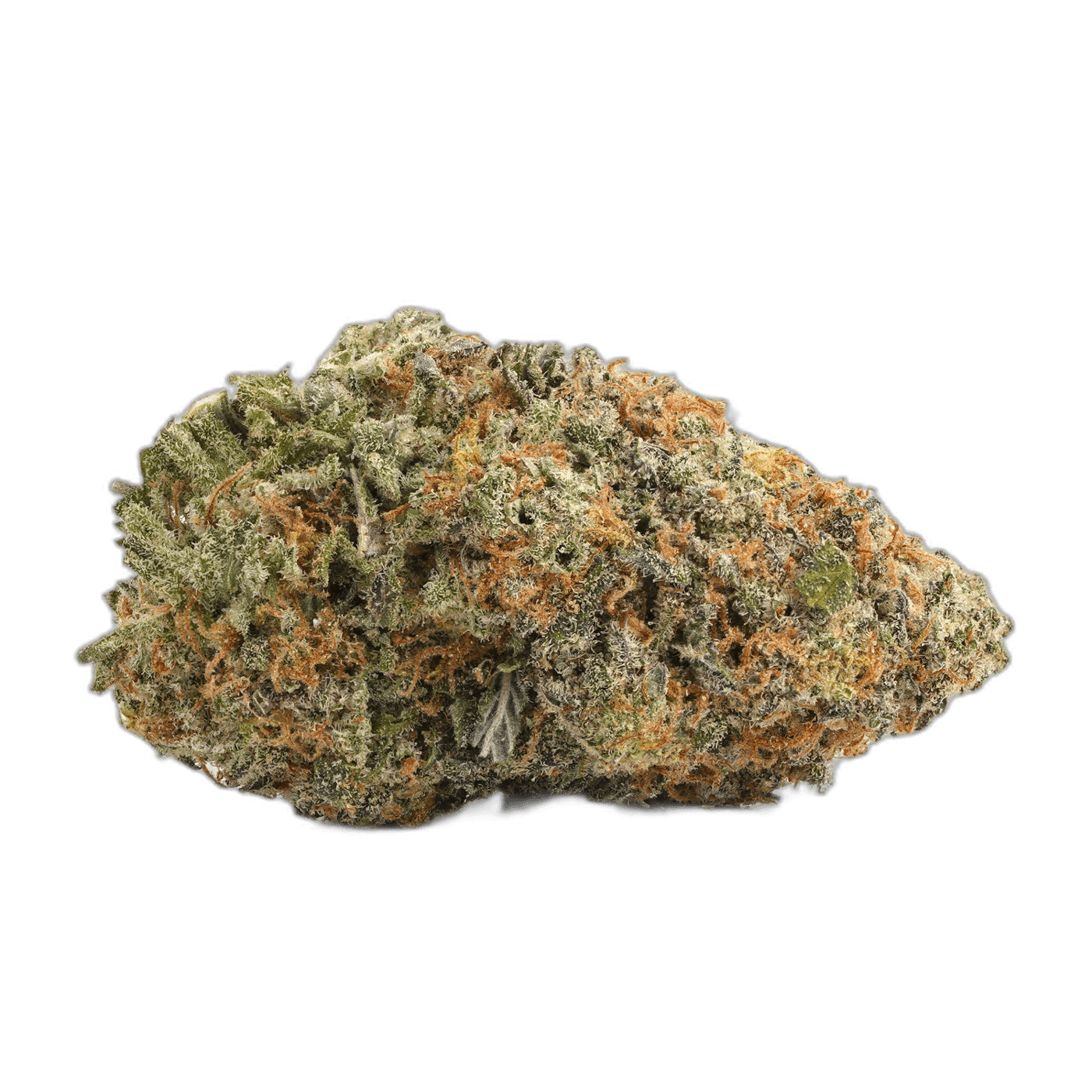
That is where buying wins easily. There is no breeding, no seeds to raise, no months of waiting, and no risk of a ruined crop. You browse tested, finished flower and have it delivered, in the strain you feel like, whenever you want it. All the genetics work has already been done by the people who grew it.
It is the same logic as anything else. Some people love baking bread from scratch, and some people just want a good loaf. Breeding cannabis is the from scratch version, rewarding for those who enjoy the craft and unnecessary for everyone else. There is no wrong choice, only what fits how much you want to be involved with the plant.
Order Finished Flower in Toronto and the GTA
Whether you breed as a hobby or just want great weed without the work, GasDank keeps finished flower within easy reach across Toronto and the GTA. That covers downtown, Scarborough, North York, Etobicoke, Mississauga, Brampton, Vaughan, Markham, and beyond. Most same day orders arrive within one to two hours, with no breeding project required.
Ordering is quick. Browse the menu, build an order of at least $60, and delivery is free once you pass $80. Pay with cash when the driver arrives or send an Interac e-Transfer ahead of time, whichever is easier. First time customers just need valid ID showing they are 19+, and reordering after that takes a minute.
Live outside the same day zone? GasDank also ships across Canada by mail order, so tested, quality flower is reachable wherever you are. Pollen and breeding are a great rabbit hole for the dedicated hobbyist, but they are not the only way to enjoy cannabis. Browse the menu, pick your strain, and skip straight to the good part.