What makes an edible vegan, or not
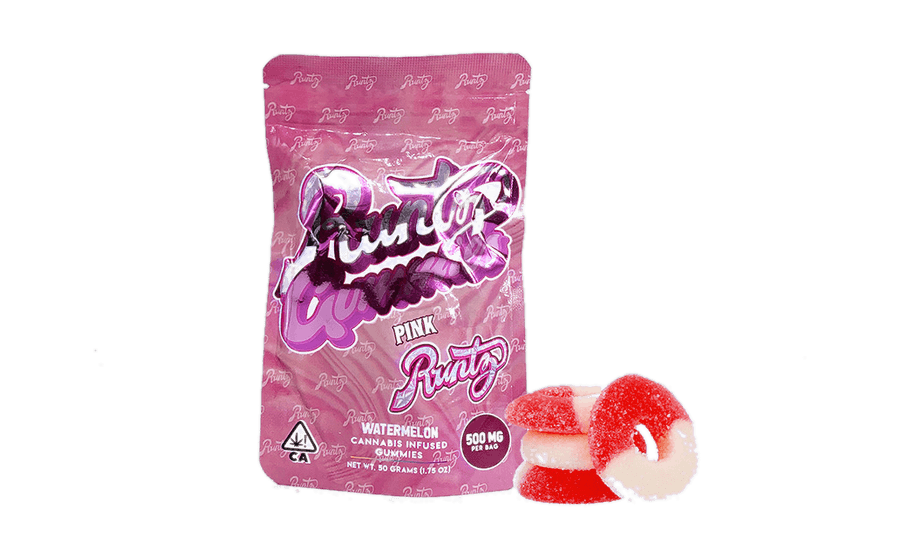
THC is a plant compound, so it is naturally vegan; the rest of the recipe is what counts. VegNews gives the obvious example: a gelatin-based THC gummy is not vegan. At home, that means swapping dairy butter for a plant fat and leaving out eggs and honey.
For bought edibles, read the ingredient list and allergen information before you buy, and choose a seller that shows them. For non-vegan basics and more recipe ideas, see the guide to cooking with cannabis.
Step 1: Decarb the flower
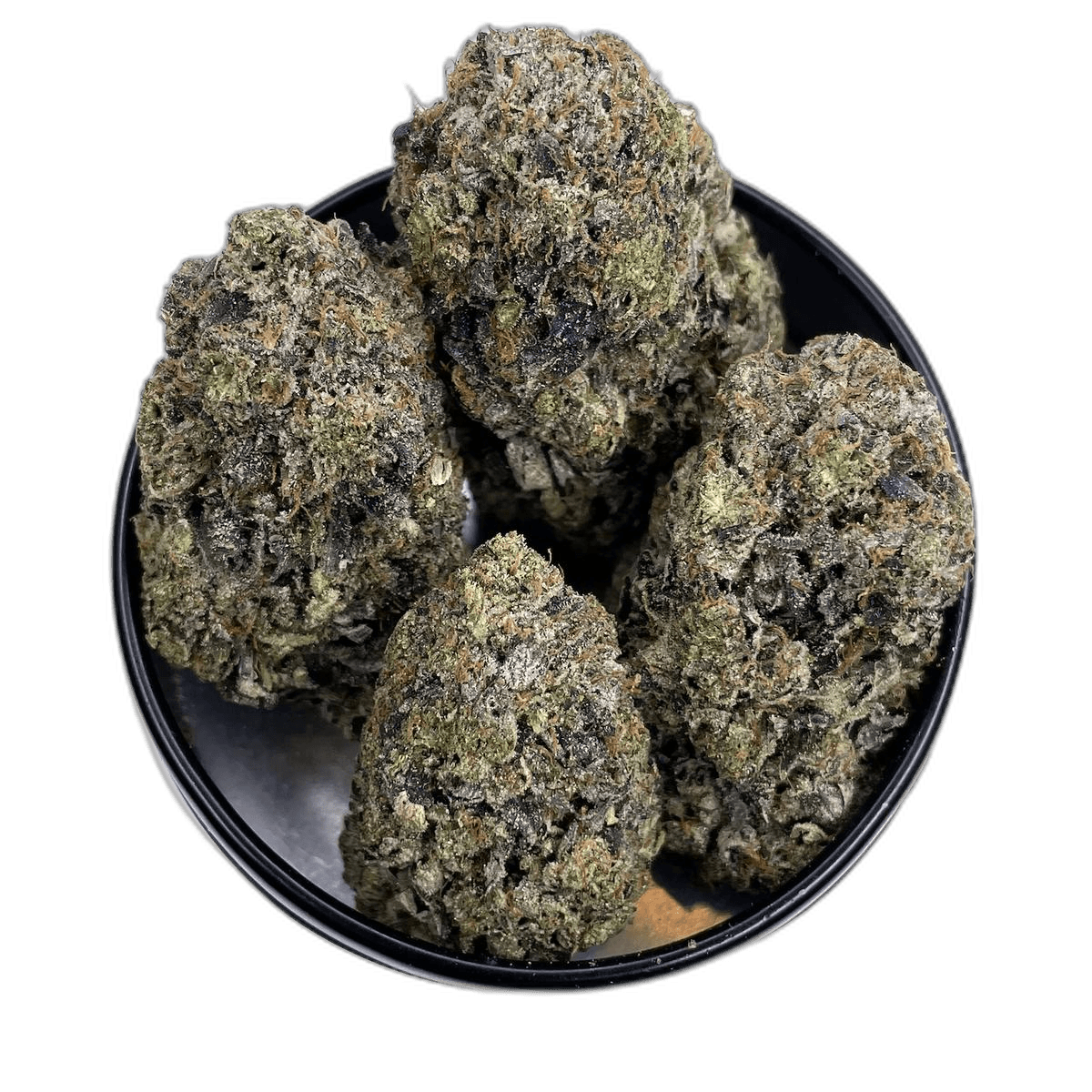
Dried flower has to be heated before its THCA turns into THC (Leafly). Leafly's method bakes loosely broken-up flower on a parchment-lined sheet at 245°F (118°C) for 30 to 40 minutes, stirring every 10 to 15 minutes, until it turns from green to light brown; the decarb guide covers the details. Let it cool before infusing.
Step 2: Infuse a plant fat
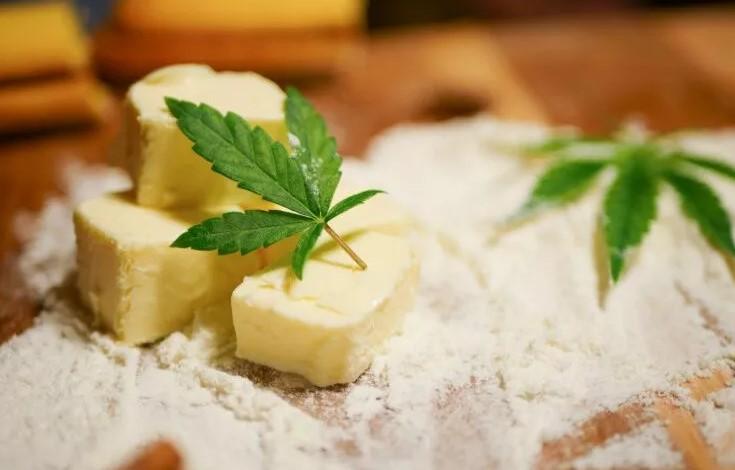
Cannabinoids bind to fats, so oils and butter are the best carriers: Leafly notes that THC needs to bind to fat molecules, which butter and oils such as coconut, olive and vegetable oil have in abundance. In an Italian study, oil extracted cannabinoids significantly better than water (Clinical Chemistry and Laboratory Medicine). Pick the fat that suits what you are making:
- Coconut oil sets firm in the fridge, which suits chocolate, no-bake bites and baking.
- Olive or avocado oil stays pourable, so it suits dressings, pasta and toast.
- Plant-based butter is the simplest swap in recipes written for dairy butter.
How to infuse it
For how coconut oil compares with butter, see cannabis coconut oil versus cannabutter. To make a modest batch:
- Melt 125 mL (1/2 cup) of coconut oil or plant-based butter with 125 mL of water on the lowest heat or in a slow cooker. Leafly advises staying at or below 200°F (93°C), since going higher may burn out the cannabinoids.
- Stir in 1 g of decarbed flower and keep it just below a simmer for 2 to 3 hours, stirring now and then. Do not let it boil.
- Strain through a fine sieve or cheesecloth, pressing gently, then chill until the fat sets on top. Lift it off and discard the water.
- For olive oil, skip the water, keep the heat as low as it goes and strain the oil straight into a jar.
- Measure what you end up with, label it, and keep it covered in the fridge; Leafly gives infused butter 1 to 3 months in the fridge and up to 6 months in the freezer.
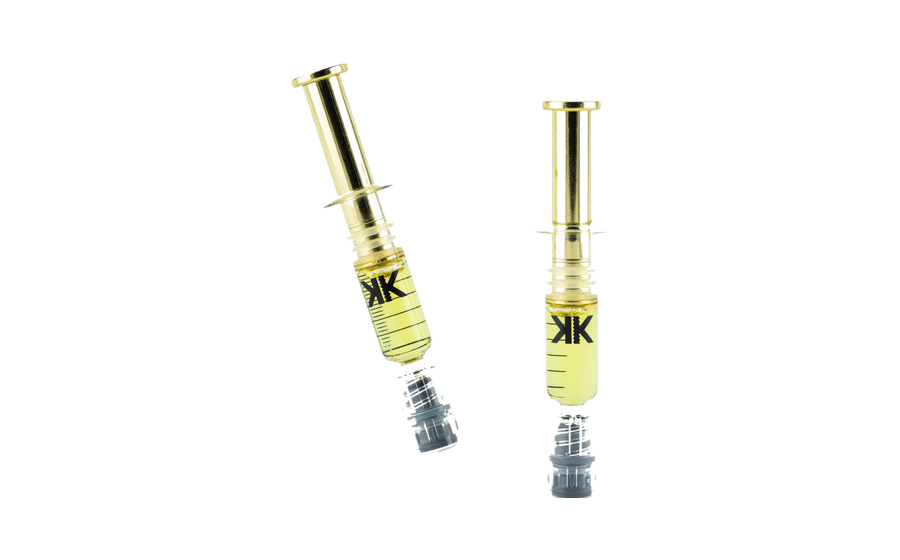
- Shortcut: a measured amount of bottled cannabis oil can go into a recipe in place of homemade infused oil, and a label with clear THC numbers makes dosing much easier; check its ingredient list too.
Dosing math, in plain numbers
You cannot test a homemade batch: Health Canada says there is no convenient way to test homemade extracts and that they may be extra potent. You can still work out the most THC a batch could hold. If your flower's label or lab results give Total THC in mg per gram, multiply it by the grams you used, the way Health Canada's label guide works out a package total, then divide.
- 1 g of flower at 150 mg/g Total THC: up to 150 mg of THC in the batch.
- About 125 mL of strained oil is 25 teaspoons, so up to 6 mg per teaspoon (150 ÷ 25). If you have less oil, divide by what you actually have.
- A recipe that uses 2 teaspoons holds up to 12 mg; cut into 12 pieces, that is up to 1 mg each.
What a sensible serving looks like
The real amount will be lower, because temperature and cooking time affect how much THC ends up in the food, but you cannot know by how much, so plan around the ceiling. Health Canada suggests new consumers look for 2.5 mg of THC or less, and says eaten cannabis can take 30 minutes to 2 hours to start working and up to 4 hours to reach full effect, so eating more within that time raises the risk of adverse effects. A legal edible package holds no more than 10 mg of THC (Health Canada). More examples are in the edibles dosage guide.
Recipe 1: No-bake dark chocolate coconut bites
Makes 12 bites, each with up to about 1 mg of THC if your oil matches the example above.
- Melt 100 g of dairy-free dark chocolate in a heatproof bowl over barely simmering water, stirring, then take it off the heat.
- Stir in 2 teaspoons of infused coconut oil until no streaks remain, then 2 tablespoons of unsweetened shredded coconut and a pinch of salt.
- Divide evenly between 12 mini paper cups or a 12-cavity mould.
- Chill for about 30 minutes until set, then store them in a labelled container in the fridge.
Recipe 2: Lemon-garlic oil for pasta or avocado toast
Serves 4, each with up to about 2 mg of THC if your olive oil matches the example above.
- Whisk 1 1/2 teaspoons of infused olive oil with 2 tablespoons of plain olive oil, the zest and juice of half a lemon, 1 small grated garlic clove, salt and pepper.
- Spoon it over 4 portions of cooked pasta or 4 slices of avocado toast after cooking, since Leafly warns that heat above 200°F (93°C) may burn out cannabinoids.
- Plate each portion separately rather than serving from a shared bowl, so everyone gets an equal share.
Storing vegan edibles safely
Homemade edibles look exactly like ordinary food. Health Canada advises storing cannabis locked away and out of sight and reach of children and pets, keeping edibles separate from regular food and labelling homemade edibles clearly. Keep them in airtight containers, and freeze baked goods you will not finish within a few days.
If you suspect a child has eaten one, call 1-844-POISON-X (1-800-463-5060 in Quebec) or 911 (Health Canada); for a pet, call your veterinarian. If you have a health condition or take medication, ask a doctor or pharmacist before using cannabis.
Prefer to buy?
GasDank offers same-day delivery across Toronto and the GTA, usually within 1 to 2 hours, and mail order across Canada, and the menu carries lab-tested products: browse edibles and check each ingredient list for animal products, or pick up flower to infuse yourself. Customers must be 19 or older (21 in Quebec), with ID checked at the door.