What CBD oil is
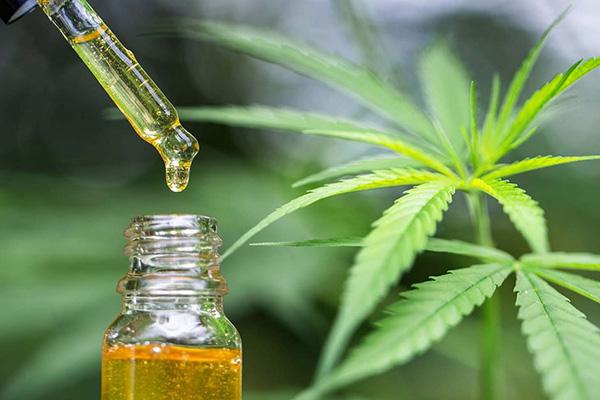
CBD, short for cannabidiol, is one of more than 100 cannabinoids in cannabis, and it is found in different varieties of the plant, including hemp (Health Canada). CBD oil is a cannabis extract dissolved in a neutral oil such as sunflower, olive or medium-chain triglyceride (MCT) oil, usually sold with a dropper or spray top and taken by mouth. Some oils also contain THC or minor cannabinoids such as CBG; a 1:1 label means similar amounts of THC and CBD.
CBD vs THC
Health Canada's consumer information says THC causes the intoxicating and impairing effects of cannabis and has addictive potential, while CBD is not intoxicating or addictive but still has effects. Health Canada also says CBD may reduce some of THC's effects, although its science advisory committee described the evidence for that as not substantial. CBD products can still contain some THC, which Health Canada says can cause side effects, so check both numbers on the label. There is more in CBD vs THC: the key differences.
What the evidence shows, and what it does not
The clearest regulatory decision concerns one prescription drug. The U.S. Food and Drug Administration has approved Epidiolex, which contains purified CBD, for seizures associated with Lennox-Gastaut syndrome, Dravet syndrome and tuberous sclerosis complex in patients 1 year of age and older. It is prescription-only, the FDA has approved no other drug products containing CBD, and it stresses that CBD products that have not been through its review have not been evaluated for whether they work, the proper dose, drug interactions or side effects. Health Canada's committee describes Epidiolex as authorized in jurisdictions outside Canada, and the prescription drugs containing cannabis that Health Canada has approved include Sativex, which contains THC and CBD.
Everyday CBD is a different matter. Phytocannabinoids, with a few exceptions, are on Health Canada's Prescription Drug List, so a CBD health product that makes a health claim needs approval as a prescription drug. Legal cannabis products get no pre-market review of safety, efficacy and quality, so they cannot make health claims (Health Canada advisory committee).
Mayo Clinic says research on CBD's other possible uses is still limited, and Harvard Health notes that effective doses cannot be pinned down without more high-quality human studies. Health Canada's committee found little evidence on the safety of long-term use. Labels are another concern: in a study of 84 CBD products bought online, cited by Mayo Clinic, more than a quarter held less CBD than labelled and 18 contained THC. For any medical question, ask a doctor or pharmacist.
Side effects and drug interactions
Mayo Clinic describes CBD as often well tolerated, but Health Canada's committee notes that side effects can occur even at very low doses. Effects reported by the committee, Mayo Clinic and the U.S. CDC include:
- drowsiness, excess sleeping and fatigue
- dry mouth and dry eyes
- nausea, reduced appetite and diarrhea
- confused thinking, mood changes such as irritability, and effects on driving
- abnormal liver test results; the CDC lists liver damage among possible risks
Who needs extra caution
Interactions are the bigger issue for many people. CBD competes for the liver enzymes that break down many medicines, which can raise blood levels of drugs such as blood thinners, much as grapefruit does; Harvard Health singles out blood thinners, anti-epileptics and immunosuppressants. Health Canada says to tell your health care practitioner about any drugs or natural health products you take, and to avoid mixing cannabis with alcohol.
The CDC does not recommend CBD during pregnancy and encourages people who are breastfeeding to avoid it, and Health Canada's committee recommended warnings against use while pregnant, planning a pregnancy or breastfeeding. It also flagged people with liver disease, who may not clear CBD easily, and older adults, who are more likely to take several medications. The NCCIH, part of the U.S. National Institutes of Health, notes that CBD may cause psychotic effects or cognitive impairment in people who also regularly use THC. If you take any medication, ask a pharmacist before trying CBD.
How CBD oil is made
Cannabinoids are extracted from the plant's flowering heads and leaves, often with supercritical carbon dioxide or ethanol, which a 2024 Penn State study in the journal Plants lists among the most common extraction methods in the hemp industry, and the extract is then mixed into a carrier oil. Health Canada gives olive, canola, grape seed and hemp-seed oil as examples of the oil base and notes the extract can come from industrial hemp.
A federal processing licence is needed to make any CBD product for sale, whatever the source. Hemp farmers cannot extract CBD themselves unless they also hold a processing or research licence; they sell the flowering heads, branches and leaves to licensed processors instead (Health Canada).
Full spectrum, broad spectrum and isolate
These terms describe how much of the rest of the plant stays in the extract:
- Full-spectrum: a wide variety of cannabinoids, terpenes and other plant compounds, and the terpenes add aroma and taste (Healthline).
- Broad-spectrum: Healthline describes it as having fewer plant compounds than full-spectrum, with only trace amounts of THC or none.
- Isolate and distillate: refined to contain only specific cannabinoids; Healthline describes CBD isolate as pure CBD with no other compounds from the plant, which leaves the taste mostly to the carrier oil.
Reading the label
None of these terms is one of the classes of cannabis in Canada's regulations, so the label is the better guide. Health Canada's label guide says the front of a cannabis label must show Total THC and Total CBD, by weight, per unit, per package or per spray, which lets you compare products directly.
How people take CBD oil
Drops are held under the tongue or in the cheek for a few seconds so the cannabinoids absorb through the lining of the mouth, or the oil is added to food or drink, where digestion can slow the onset. Health Canada's consumer information says effects of cannabis taken this way can begin 30 minutes to 2 hours after use and last 4 to 8 hours, sometimes lingering for 12 to 24 hours.
Shake the bottle, measure with the dropper or spray provided, and never vape, dab or smoke an oil made for oral use. Health Canada's science advisory committee does not recommend smoking or vaping as ways to take CBD.
Is CBD legal in Canada?
Yes, when it is sold in line with the Cannabis Act, in force since October 17, 2018. Health Canada says CBD, including CBD from industrial hemp, is subject to all the rules that apply to cannabis. In Ontario, as with any recreational cannabis, you must be 19 or older to buy, use or possess CBD products (Government of Ontario).
U.S. rules differ: a 2018 U.S. law effectively legalized hemp-derived CBD there (CDC), but Canada makes no such distinction. Because CBD is controlled under United Nations drug conventions, only licence holders with a Health Canada permit can import it, and only for scientific or medical purposes. The hemp vs weed guide explains why hemp CBD gets no special treatment.
CBD product types at a glance
CBD comes in most of the formats THC does:
- Oils and oral sprays: extract in a carrier oil, taken by mouth (Health Canada).
- Capsules and soft gels: extract and carrier oil in a capsule, often gelatin, that is swallowed.
- Sublingual strips: thin films that dissolve quickly in the mouth, which Health Canada's guidance treats as cannabis extracts rather than edibles. See the guide to CBD strips.
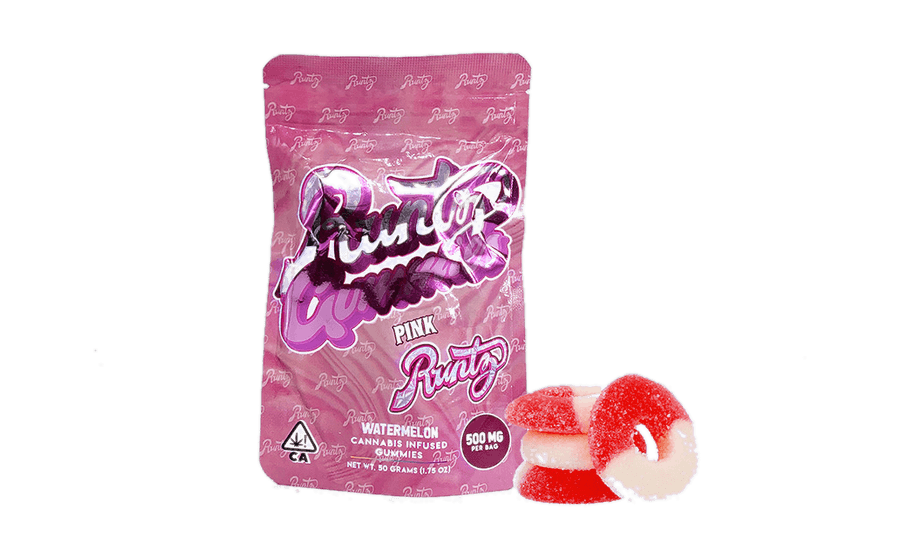
- Edibles and drinks: food formats, from gummies to bottled drinks, dairy products and syrups, generally count as edible cannabis, capped at 10 mg of THC per container (Health Canada). CBD water, ice cream or honey sold in Canada would fall under the same rules.
- Topicals and bath products: lotions, balms, gels, bath salts and bath bombs for the skin, hair or nails. Very little CBD from a cream gets past the outermost layers of skin (Health Canada committee). See the cannabis topicals guide and the CBD bath bomb guide.
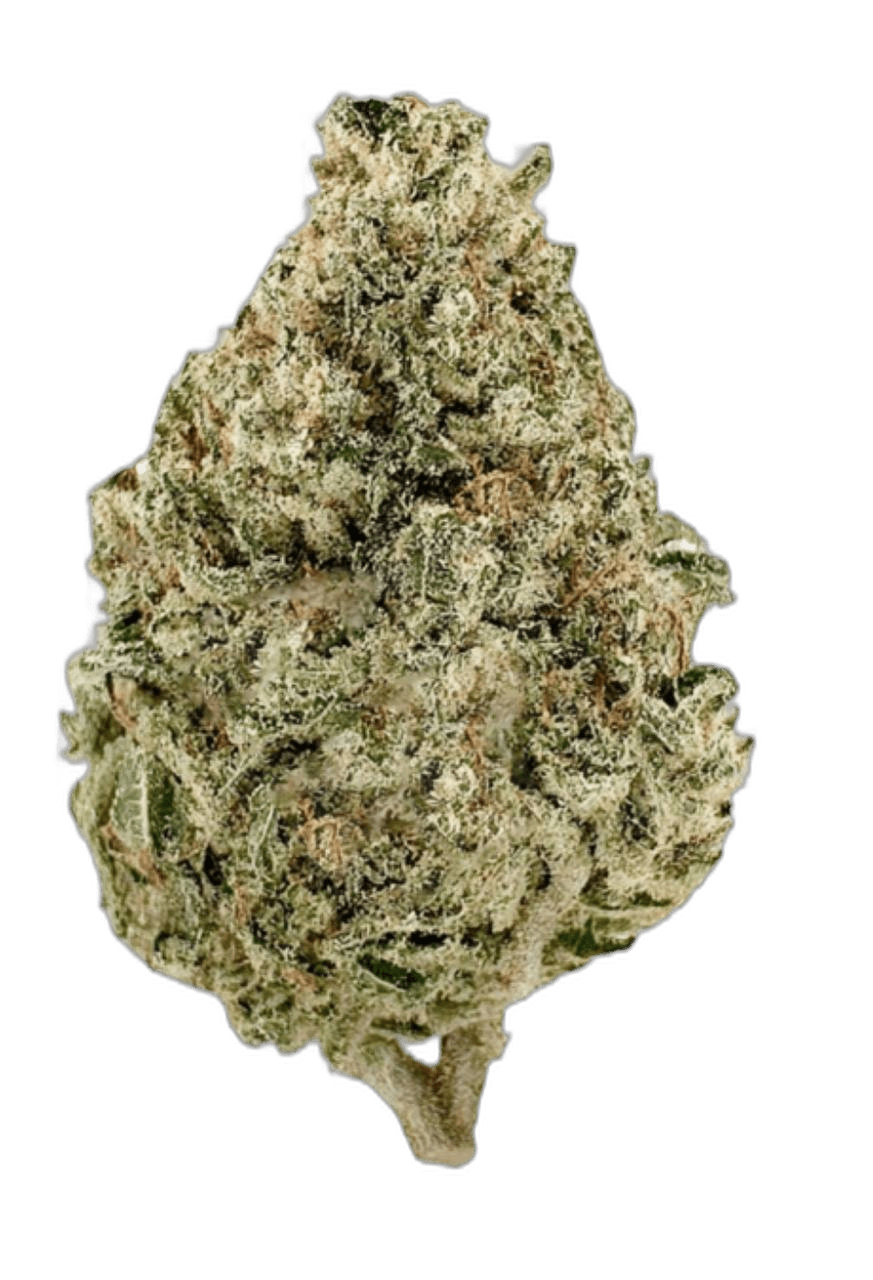
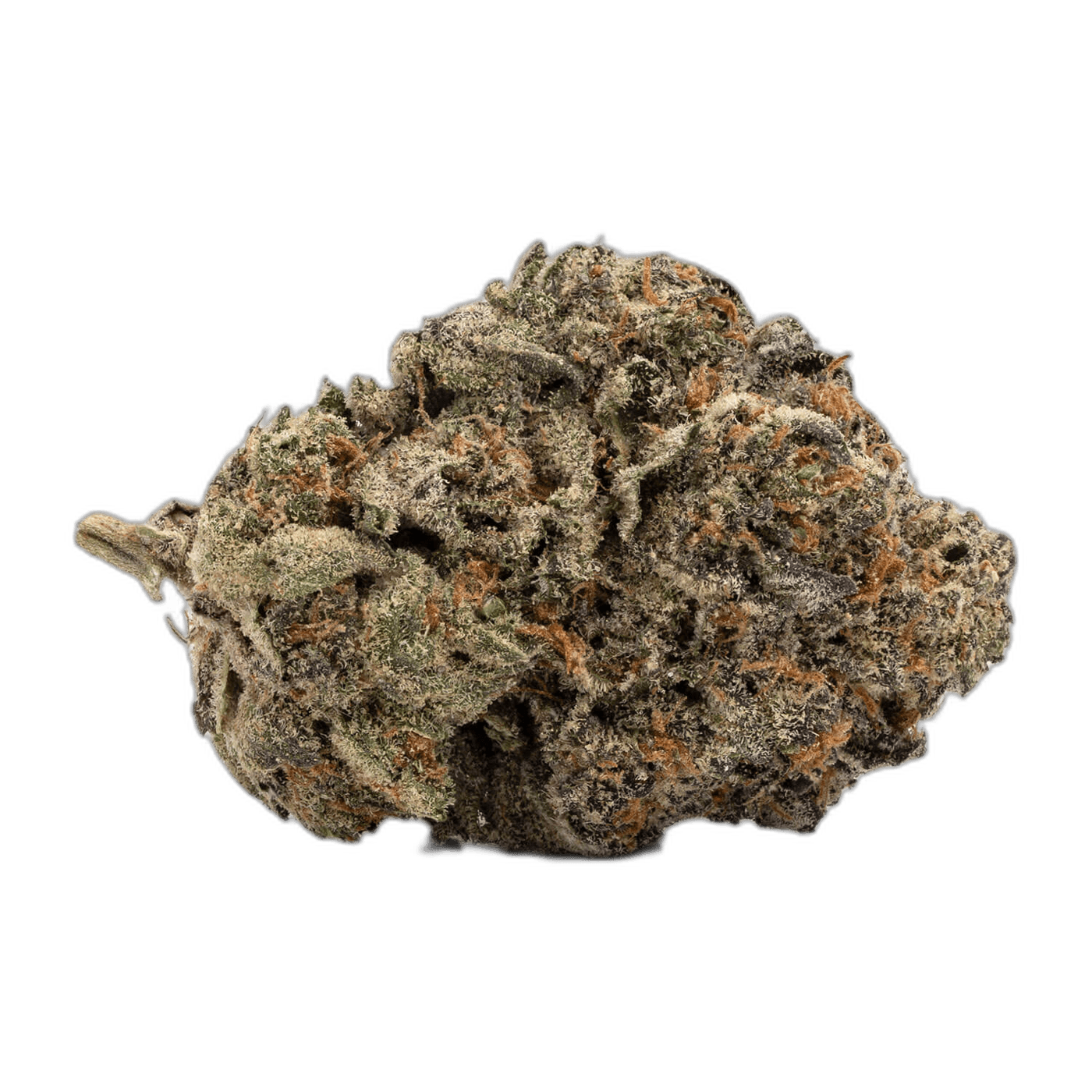
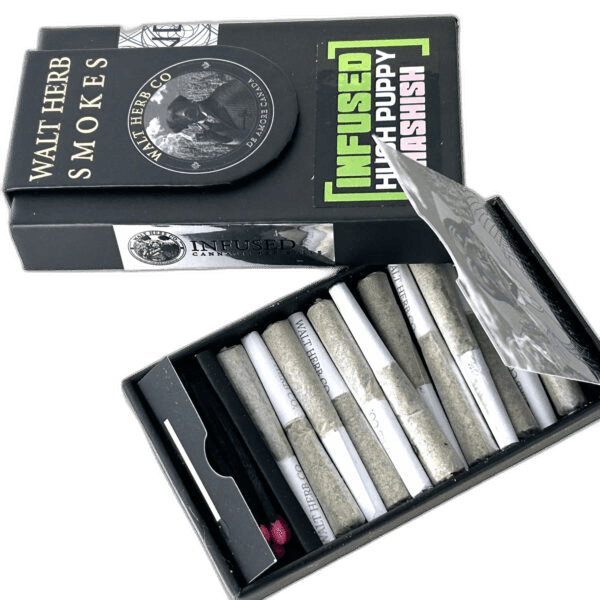
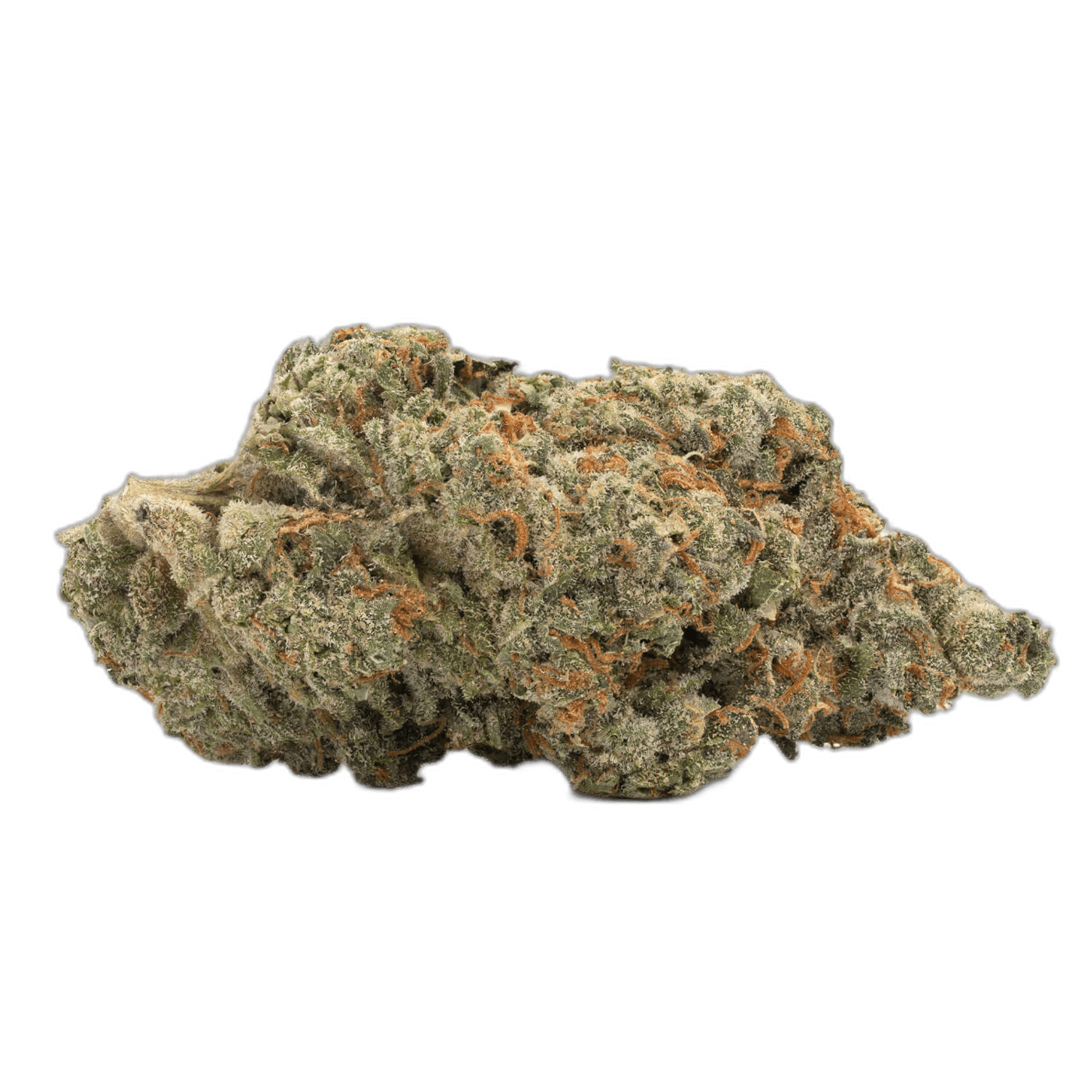
- Dried flower: hemp grows buds just like cannabis, and CBD-rich flower is sold dried or in pre-rolls.
- Hemp seed oil: not CBD oil. It is pressed from hemp grain, can contain no more than 10 parts per million THC, and cannot have CBD or other cannabinoids added or concentrated (Health Canada).
- Products for pets: Health Canada's definition of a cannabis product excludes cannabis intended for an animal, cannabinoids may not be added to veterinary health products, and edible cannabis is for human consumption only. Its committee found little information on CBD side effects in animals and said pet owners should consult a veterinarian before giving CBD to a pet.
Buying CBD oil
GasDank delivers same day across Toronto and the GTA, usually within 1 to 2 hours, and ships across Canada by mail order. Browse the CBD section and check each label for its CBD and THC content; the menu carries lab-tested products. Customers must be 19 or older (21 in Quebec), with ID checked at the door.