Same-day weed delivery · 1 to 2 hours across the GTAFree delivery over $80 in core areasCash or Interac e-Transfer19+ ID verifiedCustomer service 8AM to 2AM ESTCanada-wide mail order · free shipping over $150Same-day weed delivery · 1 to 2 hours across the GTAFree delivery over $80 in core areasCash or Interac e-Transfer19+ ID verifiedCustomer service 8AM to 2AM ESTCanada-wide mail order · free shipping over $150
GasDank
Delivery

CBG in Weed: The Mother Cannabinoid Explained

By GasDank Team

CBG in Weed: The Mother Cannabinoid Fully Explained

Meet CBG, the Lesser Known Cannabinoid

Most people know cannabis through two famous compounds, THC and CBD. But the plant actually makes dozens of cannabinoids, and one that has been quietly building a following is CBG, short for cannabigerol. If you have started seeing it pop up on menus and labels and wondered what the fuss is, you are in the right place.

CBG is non intoxicating, which is the first thing worth knowing. Like CBD, it will not get you high, so it sits in the same gentle, clear headed corner of the cannabis family rather than the THC corner. People drawn to it are usually after something subtle and functional rather than a buzz.

For a long time CBG flew under the radar, mostly because cannabis plants typically contain only small amounts of it. That scarcity made it harder and pricier to produce, so it never got the spotlight THC and CBD enjoyed. As growers and producers have started paying it more attention, it has finally begun to step out of the shadows.

It helps to think of CBG as part of a wider trend. As cannabis has matured as a legal product, people have grown curious about the lesser known cannabinoids beyond the big two, and producers have answered by making them available. CBG is one of the first of those minor cannabinoids to break through into the mainstream, which is why you are suddenly seeing it everywhere.

Why It Is Called the Mother Cannabinoid

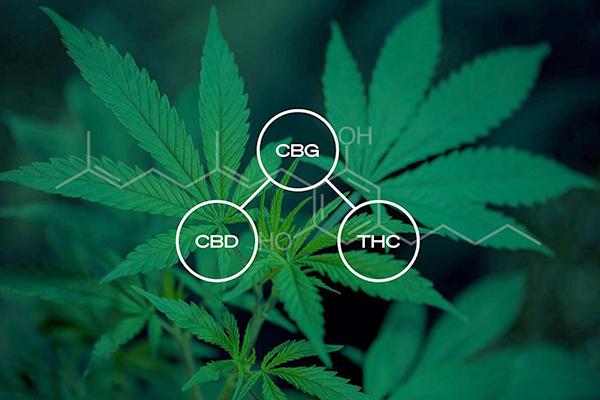
CBG has a genuinely cool nickname, the mother cannabinoid, and there is real science behind it. In the living plant, CBG starts life as an acidic form called CBGA, and CBGA is the chemical starting point from which the plant builds its other major cannabinoids. In other words, THC and CBD both begin as CBG before the plant converts them.

Think of CBGA as the raw material on a production line. As the cannabis plant matures, enzymes transform that starting compound into the acidic forms of THC, CBD, and others. By the time most plants are harvested, the great majority of the original CBG has already been converted into something else, which is exactly why so little is usually left over.

That parent role is what makes CBG so interesting to nerds and producers alike. It is not just another cannabinoid sitting alongside the rest, it is the source they all spring from. Understanding that helps explain both why it is rare in finished flower and why growers have to work specifically to capture more of it.

Why CBG Is Relatively Rare

If CBG is the building block for everything else, you might expect plenty of it to stick around, but the opposite is true. Because the plant busily converts CBGA into other cannabinoids as it grows, a typical mature plant ends up with only a small percentage of CBG remaining. The very thing that makes it important also makes it scarce.

To get more CBG, producers have a couple of options. Some grow plants bred specifically to be high in CBG, varieties selected so that more of the compound survives to harvest. Others harvest plants earlier, before as much of the CBGA has been converted, capturing more of it at the cost of the other cannabinoids that would have formed later.

Both approaches take deliberate effort, which is the main reason CBG products have historically cost more than CBD ones. You are paying for a compound the plant naturally tries to use up. As demand has grown and growing techniques have improved, availability has gotten better, but CBG is still the boutique member of the family rather than the everyday staple.

CBG Versus CBD

Since both CBG and CBD are non intoxicating, people naturally ask how they differ, and it is a fair question. The short answer is that they are distinct compounds that interact with the body in their own ways. They share that gentle, no high character, but they are not interchangeable, and some people genuinely prefer the feel of one over the other.

CBD is the established, widely available option with a huge range of products and a decade of mainstream popularity behind it. CBG is the newer, rarer arrival, often described by enthusiasts as feeling clear and focused, though as with all cannabinoids the experience is personal and subtle. The two are sometimes blended together in products that aim to combine their qualities.

If you already enjoy CBD and are curious, trying CBG is a low stakes experiment, since neither will get you high. Some people add CBG to their routine alongside CBD, others swap to it to see if they like it better. There is no wrong answer, and the only way to know how it suits you is to try a quality version for yourself.

CBG Versus THC

Against THC, the contrast is sharper. THC is the compound that gets you high, with all the noticeable changes in mood, perception, and body feel that come with it. CBG does none of that. It is non intoxicating, so where THC announces itself loudly, CBG stays quiet, offering a gentle influence rather than an obvious experience.

They also work differently in the body. THC binds strongly to certain receptors in the endocannabinoid system, which is what produces its powerful effects. CBG interacts with that system too, but in its own gentler fashion, which fits with why it does not produce a high. Same underlying system, very different outcomes.

In practice, this means CBG and THC suit completely different goals. If you want the classic cannabis high, CBG is not your compound, full stop. If you want to stay clear headed and functional while still engaging with cannabis, CBG sits comfortably alongside CBD as a non intoxicating choice. Some products even pair a little CBG with THC, much as they do with CBD, aiming for a more rounded blend.

The Entourage Effect and CBG

CBG fits neatly into one of the most discussed ideas in cannabis, the entourage effect. This is the theory that the plant's compounds work better together than any single one does in isolation. THC, CBD, CBG, and the aromatic terpenes are all thought to interact, shaping and rounding the overall experience in ways a lone compound cannot.

Within that picture, CBG is one more voice in the choir. Even in the small amounts found in full spectrum products, it may contribute to the character of the whole. This is part of why many people favour full spectrum extracts that keep the natural range of compounds intact, rather than isolated single cannabinoids stripped of their companions.

It also explains why you increasingly see CBG listed alongside other cannabinoids on quality products. Producers are recognising that the supporting cast matters, and that including CBG can add something to a blend. Whether you notice it directly or not, its presence is part of the fuller, more natural cannabis experience that full spectrum fans chase.

If the entourage idea sounds a bit hand wavy, that is fair, since it is still being studied rather than settled. But it lines up with what a lot of experienced users report, which is that whole plant products tend to feel rounder and more pleasant than isolated single compounds. CBG is one more piece of that fuller picture, whether or not the science has fully pinned down its role.

What CBG Might Feel Like

Let us be honest and careful here. Because CBG is non intoxicating, the experience is subtle, and we are not going to make health claims about it. What we can pass along is how enthusiasts tend to describe it, which is calm, clear, and focused, without the high of THC or the heaviness some associate with strong indica flower.

Many people who like CBG say it feels a touch more alert or clear than they expect, which is part of its appeal for daytime use among those who want a cannabinoid that does not slow them down. But subtle really does mean subtle. If you are expecting a dramatic shift, you will be underwhelmed, because that is simply not what non intoxicating cannabinoids do.

As with everything in cannabis, individual response varies, and the only reliable way to know how CBG sits with you is to try a good version and pay attention. Go in expecting something gentle and exploratory rather than a big event, and you are far more likely to appreciate what it offers.

How CBG Products Show Up

CBG appears in a growing range of formats, much like CBD. You will find CBG oils taken as drops, capsules with a fixed amount, and increasingly CBG flower bred to be rich in the compound. You will also see it blended into products with CBD or other cannabinoids, aiming to combine their qualities into one experience.

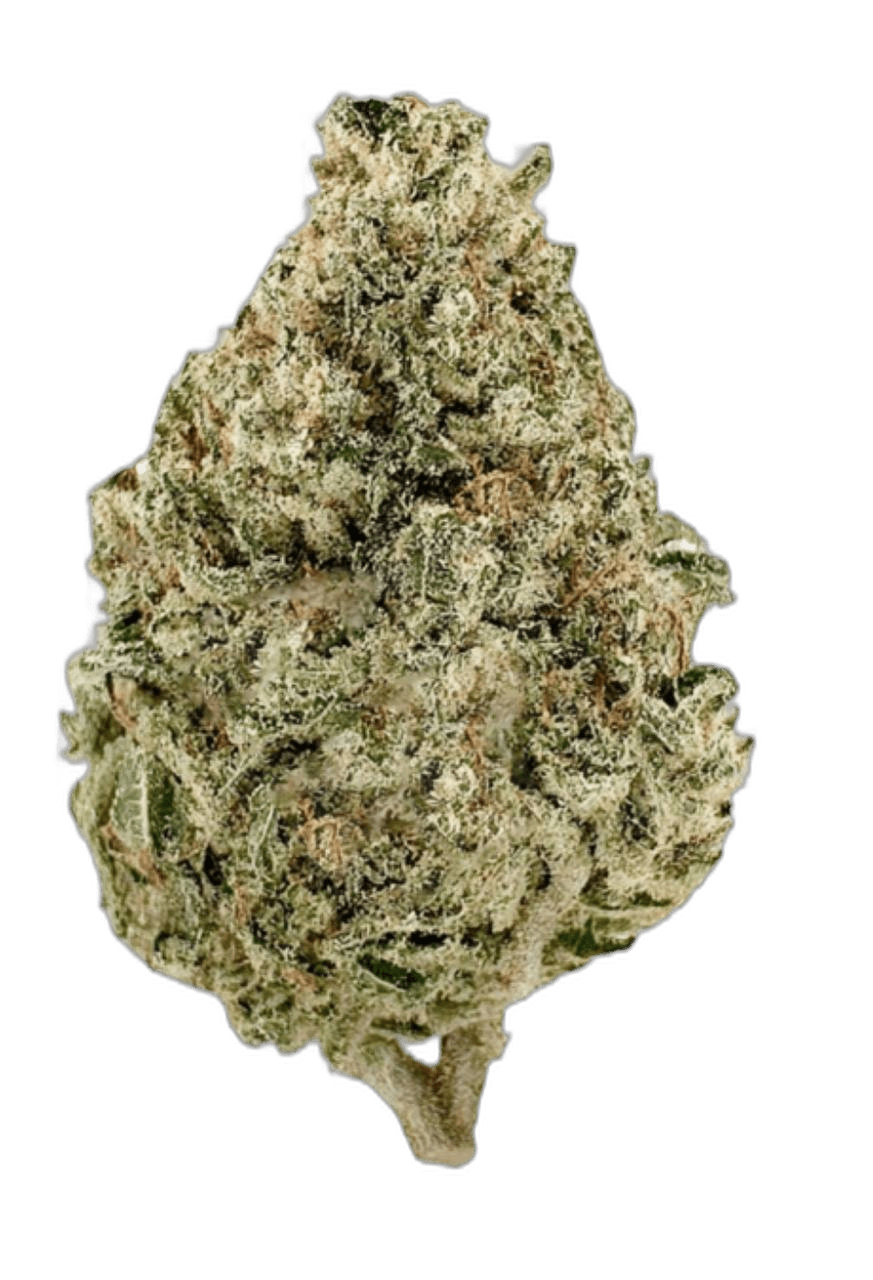
CBG flower is a particularly interesting development. It looks and smells much like regular cannabis flower, but it is grown specifically so that more CBG survives to harvest. For people who enjoy the ritual of flower but want a non intoxicating option, it offers the familiar experience without the high, which is a niche but real appeal.

Oils and capsules suit people who want convenience and a measured amount, while flower suits those who like the traditional approach. Blended products are great for anyone who wants to explore the entourage effect rather than a single compound in isolation. Whichever format you choose, the usual quality rules apply, which brings us to the next point.

Choosing Quality CBG

Because CBG is rarer and pricier, quality and honesty matter even more than usual. The non negotiable marker is third party testing. A trustworthy CBG product comes with independent lab results confirming how much CBG it actually contains and that it is clean. With a premium, less common cannabinoid, you really do want proof of what you are paying for.

Read the label for a clear CBG amount, whether per bottle, per capsule, or as a percentage for flower. Given that CBG is sometimes blended with other cannabinoids, a good label tells you the full breakdown so you know exactly what is in the mix. Vague packaging that leans on buzzwords without numbers is a reason to walk away.

Buy from a reputable source too. The relative scarcity of CBG unfortunately invites overpriced or mislabelled products from less scrupulous sellers, so where you shop is part of your protection. A seller who stocks properly tested products and can explain what they carry is worth far more than a bargain bottle with no paperwork behind it.

Is CBG Worth Trying?

So, should you bother with CBG? If you already enjoy non intoxicating cannabinoids like CBD and you are curious about something a little different, it is a genuinely interesting thing to explore. It carries that same gentle, no high character while offering its own subtle feel, and trying it is low stakes precisely because it will not get you high.

It makes less sense if you are chasing strong effects or working to a tight budget, since CBG tends to cost more and delivers something deliberately subtle. Nobody should approach CBG expecting fireworks. It is for the curious and the calm, not for anyone after a big experience, and being clear about that up front saves disappointment.

Our honest take is that CBG is a worthwhile experiment for the cannabis curious who like gentle compounds, and an easy pass for anyone who wants to feel something dramatic. As ever, this is general information rather than health advice, and if you are exploring any cannabinoid for a health related reason, a word with a professional is the sensible starting point.

A Short History of CBG

CBG is not actually a new discovery, even though it feels like one. It was first identified by researchers decades ago, back when scientists were just beginning to map out the many compounds in cannabis. For a long time it sat quietly in the background, overshadowed by THC and later by CBD, simply because there was so little of it in typical plants to work with.

What changed was the combination of legalisation, consumer curiosity, and better growing techniques. As the legal market grew, there was suddenly both demand for novelty and the means to breed plants that hold onto more CBG. That turned a long known but neglected compound into a product people could actually find and try, which is why its moment has arrived now rather than years ago.

So when CBG is described as new, what people really mean is newly available. The compound has been understood for a long time, but the ability to get it into your hands as oil, capsules, or flower is recent. That gap between discovery and availability is common in cannabis, where the plant's chemistry was charted long before the market caught up.

CBG in Full Spectrum Products

Even if you have never bought a dedicated CBG product, you may have consumed a little CBG without realising it. Full spectrum cannabis products keep the natural range of the plant's compounds intact, and that range usually includes trace amounts of CBG alongside the THC, CBD, and terpenes. It rides along quietly as part of the whole plant profile.

This is part of the case enthusiasts make for full spectrum over isolated single compounds. The argument is that the supporting cast, CBG included, contributes to a rounder, more complete experience through the entourage effect. Whether or not you can consciously feel CBG's small contribution, its presence is one of the things that distinguishes a whole plant extract from a stripped down isolate.

For someone simply curious about CBG, this means full spectrum products are an easy, low effort way to encounter it in its natural context. Dedicated high CBG products let you experience more of it directly, but the trace amounts in full spectrum extracts are where most people first cross paths with the mother cannabinoid, usually without even knowing it was there.

Who Tends to Reach for CBG

CBG appeals to a fairly specific crowd, and recognising whether you are part of it saves you money and disappointment. The typical CBG fan is someone already comfortable with non intoxicating cannabinoids, who enjoys CBD and is curious to explore further into the plant's chemistry. For that person, CBG is a natural next step and a genuinely interesting one.

It also tends to attract people who like the idea of a clear, daytime friendly option. Because CBG is non intoxicating and often described as clear and focused, it suits those who want to engage with cannabis without any impairment, perhaps as part of a calm daytime routine. The novelty factor draws in the cannabis curious who simply like trying new things too.

Who it does not suit is anyone chasing strong effects or shopping on a tight budget. CBG is subtle and tends to cost more, so it makes a poor choice for someone who wants to feel a big shift or get the most cannabinoid for their dollar. Knowing which camp you fall into is the quickest way to decide whether CBG is worth your time.

Trying CBG for the First Time

If you decide to give CBG a go, approach it the way you would any new cannabinoid, with patience and modest expectations. Start with a small amount, give it time, and pay attention to how you feel rather than expecting an obvious event. Because the effects are gentle, the experience reveals itself quietly, and rushing only makes it harder to notice anything at all.

It also helps to try it when you can actually observe yourself, rather than in the middle of a chaotic day. A calm window where you can notice subtle shifts gives CBG a fair chance to show you what, if anything, it does for you. Keep a loose mental note of your impressions so you can decide whether it earns a place in your routine.

And remember the honest framing that runs through all of this. CBG is general interest territory, not medicine, and this is not health advice. If you are exploring it for a specific health reason, talk to a professional first. Approached as a low stakes, curiosity driven experiment with a gentle compound, trying CBG can be a genuinely enjoyable bit of exploration.

Order CBG and Cannabis in Toronto and the GTA

Curious to give CBG a go? GasDank can help across Toronto and the wider GTA. We carry properly tested cannabis products with clear cannabinoid content on the label, so you always know what you are getting, and our team can help you weigh CBG against CBD and other options to find something that genuinely fits what you are after.

If you are new to CBG, just ask. Tell us how you like to take things, whether that is oil, capsules, flower, or a blend, and what kind of experience you want, and we will steer you toward a sensible choice without any pressure. Exploring a newer cannabinoid is easier with a bit of friendly guidance.

Ordering is simple. Browse the menu, place your order, and we deliver same day across Toronto and the GTA. The minimum starts at $40, delivery is free once you spend over $80, and we accept cash or Interac e-Transfer. You must be 19 or older to order, and we check age on delivery.

CBG in Weed: The Mother Cannabinoid Fully Explained, FAQ

Q.Does CBG get you high?

No. CBG is non intoxicating, just like CBD, so it will not get you high. The compound responsible for the cannabis high is THC. People drawn to CBG are usually after something gentle and clear headed rather than a buzz, often for daytime use where they do not want to feel impaired.

Q.Why is CBG called the mother cannabinoid?

Because other cannabinoids start out as CBG. In the plant, an acidic form called CBGA is the chemical starting point that gets converted into the acidic forms of THC, CBD, and others as the plant matures. By harvest, most of that original CBG has already become something else, which is why it is usually scarce.

Q.What is the difference between CBG and CBD?

Both are non intoxicating, but they are distinct compounds that interact with the body in their own ways. CBD is the established, widely available option, while CBG is rarer, newer, and often described by fans as clear and focused. Some products blend the two, and trying CBG is low stakes since neither gets you high.

Q.Why does CBG cost more than CBD?

Because the plant naturally converts most of its CBG into other cannabinoids as it grows, finished flower usually contains only a small amount. Producers must grow special high CBG varieties or harvest early to capture more, which takes deliberate effort. That scarcity and extra work is why CBG products tend to be pricier.

Q.Can I get CBG products delivered in Toronto?

Yes. GasDank delivers CBG products and other cannabis same day across Toronto and the GTA, with a $40 minimum, free delivery over $80, and payment by cash or Interac e-Transfer. You must be 19 or older. If CBG is new to you, our team is happy to help you pick a properly tested option.

Related