How a Bong Actually Works
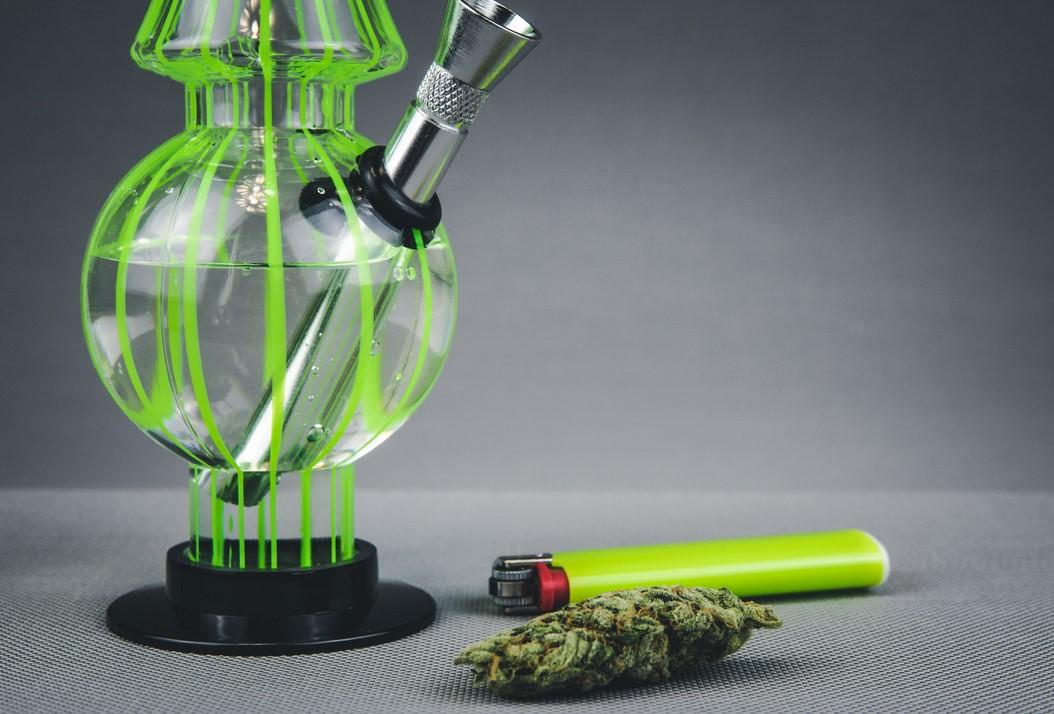
Before you build anything, it helps to understand what a bong does. Every bong has the same basic parts. There is a chamber that holds water, a bowl that holds your flower, and a downstem that carries the smoke from the bowl down below the waterline. When you light the bowl and inhale, smoke bubbles up through the water, which cools it and filters out some of the heavier particles before it reaches your lungs.
That water filtration is the whole point. Hot, harsh smoke is unpleasant and can make you cough hard, while smoke that has passed through water feels noticeably smoother and cooler. Most bongs also have a carb, which is either a small hole you cover with your finger or a removable bowl that lets fresh air clear the chamber when you are ready to take the hit. Understanding these pieces makes any homemade build far easier.
Once you know the parts, almost any sealed container can become a bong. You need something to hold water, a way to get smoke into that water below the surface, and a spot to pack your flower. The ten methods below all use those same principles with different household items. Keep the concept in mind as you build, and you will be able to improvise a working piece out of almost anything in a pinch.
A Word on Safe Materials First
Safety comes before fun, so a quick reality check on materials. The biggest rule is simple. Never inhale smoke that has passed over burning or melting plastic, painted surfaces, or anything coated in chemicals. Heating those materials can release fumes you really do not want in your lungs. When you use a plastic bottle, the flame should only ever touch the flower in the bowl, never the plastic itself.
For the bowl and downstem, the parts that actually get hot, the safest choices are glass, stainless steel, or aluminum foil used carefully. A glass or metal socket makes a great bowl. If you use foil, fold it into several thick layers and try not to let the flame sit directly on it for long. Many people prefer to keep a proper glass bowl and downstem on hand so the heated parts are always safe.
Avoid materials like soft plastics near the flame, anything with a non stick or painted coating, and rubber that is not heat rated. Glass containers like mason jars are excellent because they handle heat well and do not leach anything. The takeaway is straightforward. Keep flame away from plastic and coatings, use glass or metal for the hot parts, and a quick homemade bong can be perfectly reasonable for occasional use.
1. The Classic Plastic Bottle Bong
The plastic bottle bong is the most famous homemade method for a reason. Grab an empty water or soda bottle, fill it about a third of the way with water, and poke a hole near the top for the downstem. Push a metal or glass downstem through the hole at an angle so the tip sits below the waterline, then seal the gap around it with a little tape or putty so it is airtight.
Pop a bowl on the top of the downstem, which can be a metal socket or a small glass piece, and pack it with ground flower. For the carb, poke a small hole on the opposite side of the bottle and cover it with your finger while you light up. Light the bowl, let the chamber fill with smoke, then release the carb and inhale. The water bubbles and cools the smoke nicely.
The key safety note bears repeating. The flame touches only the flower, never the plastic. As long as you keep it that way, a bottle bong is a quick, easy build that almost anyone can manage with stuff already in the recycling bin. It is not a forever piece, but for a one off session it does the job and shows the core principles of how a bong works in action.
2. The Mason Jar Bong
A mason jar makes one of the best homemade bongs because glass handles heat safely and seals well. Take a jar with a two piece lid and punch two holes in the metal lid. One hole is for the downstem, angled so it reaches below the water, and the other acts as your carb. A sturdy metal or glass downstem with a bowl on top completes the build, sealed airtight around the holes.
Fill the jar with enough water to submerge the bottom of the downstem, screw the lid on tight, and you have a reusable, easy to clean piece. Because the body is glass, you never have to worry about fumes from the chamber, and the wide mouth makes it simple to rinse out between sessions. Many people are surprised how smooth a jar bong hits once the water is doing its job.
The mason jar method is a great step up from a bottle because it is durable and far cleaner. If you make homemade pieces often, keeping a dedicated jar, a glass downstem, and a bowl together turns this into a reliable go to. It looks tidy, it lasts, and it filters smoke just as well as many store bought bongs while using parts you probably already own.
3. The Fruit Bong
Fruit bongs are a fun, all natural option, and an apple is the classic choice. Push a chopstick or pen straight down through the top of the apple to bore a channel, stopping before you reach the bottom. Then bore a second channel from the side that meets the first, forming an L shaped path inside the fruit. Widen the top of the vertical channel slightly to form a small bowl.
For an apple bong you do not even need a separate bowl piece, since the fruit holds the flower in the carved out top. Pack a little ground flower into that shallow well, put your mouth on the side channel, and light up while you inhale. The smoke travels through the carved tunnels and into your lungs. It is simple, biodegradable, and adds a faintly sweet note to the smoke.
You can make this version even better by adding a small carb hole on the back, or by using a metal socket as a bowl for a cleaner pull. Other firm fruits and even vegetables work too, with watermelons being a popular party sized option. Fruit pieces are best for novelty and one time use, but they are genuinely fun, easy, and a nice trick to know when you are caught without gear.
4. The Gravity Bong
The gravity bong uses water pressure to pull a big, milky hit, and it is a longtime favourite for its potency. The bucket version uses a large container of water and a smaller plastic bottle with the bottom cut off. Fit a bowl into the bottle cap, submerge most of the bottle in the water, then light the flower while slowly lifting the bottle so the rising water pulls smoke into the chamber.
Once the bottle is nearly out of the water and full of smoke, remove the cap, put your mouth to the opening, and push the bottle back down. The water forces all that built up smoke into your lungs in one go. It is a strong method, so go easy, especially if your tolerance is modest. A single gravity hit can be the equivalent of several normal pulls.
Because this method uses a plastic bottle, the usual rule applies. Keep the flame on the flower only and never let it touch the plastic. The waterfall version is a variation where you drain water out of a bottle through a hole at the bottom, pulling smoke in as the water leaves. Both deliver a powerful hit and are a memorable way to use simple materials creatively.
5. The Aluminum Can Bong
The can bong is one of the quickest builds out there, though it comes with a couple of caveats. Take an empty aluminum can, dent in one side to create a small flat bowl area, and poke several tiny holes in that dented spot using a pin. Those little holes hold your ground flower and act as a built in bowl screen, no separate piece required.
Poke a carb hole on the side of the can, then sip from the existing drinking hole at the top. Pack a small amount of flower over the perforated dent, light it, cover and release the carb, and inhale through the top opening. It takes about a minute to make, which is why it is such a common improvised method when nothing else is around.
Two honest notes here. A can bong has no water, so the smoke is not filtered or cooled, and the painted exterior and aluminum mean it is best treated as a rare backup rather than a regular piece. If you want a smoother, safer experience, the bottle or jar methods are better. Still, the can trick is worth knowing for those moments when it is genuinely all you have.
6. The Cup and Straw Bong
This minimalist method turns a sturdy cup and a straw into a simple water pipe. Use a heat safe cup, fill it partway with water, and make a lid out of foil or a plastic top with two holes. One hole holds a straw that reaches down into the water and serves as the downstem, and the other hole is for a straw you sip from that stays above the waterline.
Place a small bowl, such as a metal socket, at the top of the submerged straw and pack it with flower. Light the bowl while you draw on the upper straw. The smoke is pulled down the first straw, bubbles through the water, and rises up the second straw into your mouth. It is a basic setup but it genuinely filters the smoke through water, which is the whole goal.
For a heat safe build, glass or stainless steel straws are ideal, since they will not warp or melt and they keep the flame area safe. This method is great for showing how the water chamber concept works with almost nothing. It is fiddly compared to a jar bong, but it proves you can rig up a working water pipe with a cup, a couple of straws, and a few minutes.
7. The Honey Bear Bottle Bong
A squeezable honey bear bottle makes a surprisingly handy little bong, and people love it for the novelty. Rinse the bottle out thoroughly, then fit a downstem through a hole near the base so the tip sits below the water you add inside. The soft plastic makes it easy to insert the downstem snugly, and a bit of putty seals any gaps to keep the chamber airtight.
Add a bowl to the top of the downstem, pack your flower, and use the bear's existing nozzle or a carb hole to control airflow. Because the bottle is small, the chamber fills quickly and the hits are easy to manage. Fill it with water through the top opening, screw the cap back on, and the playful shape makes it a fun conversation piece on any shelf.
The same plastic rule applies as with any bottle build. Keep the flame strictly on the flower and never let it touch the plastic bear. This is a light hearted, easy method that reuses a container most people would otherwise toss. It is best for occasional fun rather than heavy daily use, but it is genuinely effective, and the cute factor makes it a favourite for casual sessions with friends.
8. The Ceramic Mug Bong
For a sturdier homemade option, a ceramic mug works well as a water chamber. Ceramic handles heat safely and feels solid in the hand, which makes this a comfortable choice. Use a lid of foil or a fitted cover with two holes, one for a downstem that reaches into the water and one to act as your carb or mouth hole, sealing the edges so the chamber holds suction.
Fit a glass or metal downstem and bowl through the downstem hole, fill the mug with enough water to cover the tip, and you have a stable little water pipe. The weight and wide base mean it is far less likely to tip over than a flimsy bottle, and the ceramic body adds no fumes. Pack the bowl, light up, cover the carb, and inhale a smooth, cooled hit.
A mug bong sits nicely between the throwaway methods and a real piece. It is reusable, easy to clean, and made from a safe material. If you have a mug you do not mind dedicating to the job and a spare downstem and bowl, this is one of the more practical and comfortable homemade builds, especially for a relaxed session at home where stability and smoothness matter.
9. The PVC or Pipe Bong
For a more permanent do it yourself project, some people build a bong from a length of food grade or properly rated tubing or pipe used as the main body. Cap one end to hold water, drill a hole for the downstem, and add a carb. With a glass downstem and bowl, this can become a large, durable piece that handles big chambers and serious airflow for smooth hits.
The catch is materials. Standard hardware store PVC and some plastics are not ideal for repeated heat and airflow, so this method is only worth it if you use safe, suitable tubing and keep all flame far from the body. Many builders line or fit the hot areas with glass or metal so nothing questionable ever heats up. If you are unsure about a material, do not use it.
Done thoughtfully with the right parts, a pipe style build can be a fun weekend project and a big, sturdy piece. Done carelessly with random plastics, it is not worth the risk. This is the most advanced method on the list and the one that most rewards research. When in doubt, a mason jar bong gives you safe, reliable results with none of the material guesswork.
10. The Lego or Block Bong
For the truly creative, building blocks can form a playful homemade bong body, and it is a fun project for tinkerers. The idea is to construct a watertight box from interlocking blocks, sealing the inner seams so it holds water without leaking. Then you fit a glass or metal downstem and bowl through one wall so the tip sits beneath the waterline, with a carb hole for airflow.
Getting it watertight is the real challenge, so most builders line the inside with a sealant or a plastic bag rated as safe, or simply place a small waterproof container inside the block shell. The blocks become a decorative housing while a safe inner vessel actually holds the water. It looks impressive and turns a homemade bong into a genuine display piece on the shelf.
This method is more about fun and craft than practicality, but it shows how far the basic bong concept can stretch. As always, keep the heated bowl and downstem made of glass or metal, and keep flame nowhere near the blocks themselves. It is a novelty build, but a memorable one, and a nice reminder that with the core principles in mind, almost any shape can become a working piece.
Keeping Your Homemade Bong Clean and Safe
Whatever you build, cleanliness matters. Change the water after every session, because stale bong water smells terrible and makes your hits taste foul. For reusable pieces like a mason jar or mug bong, rinse them out regularly and give them a deeper clean with warm water, a little salt, and rubbing alcohol to cut through resin. Clean gear simply tastes better and is healthier to use.
Inspect your build before each use, especially the seals and the bowl area. Make sure nothing has loosened, that the downstem still sits below the water, and that no plastic has been scorched. If a throwaway piece like a bottle or can shows any sign of melting or damage, retire it. The safe material rules never change. Glass and metal for the hot parts, no flame on plastic or coatings, ever.
Think of homemade bongs as handy improvisation rather than a long term replacement for proper glass. They are perfect for a spontaneous session, a camping trip, or a night when your usual piece is out of reach. For regular use, a real glass bong is smoother, safer, and easier to maintain. But knowing these ten tricks means you will always be able to put together something that works.
Get Fresh Flower Delivered in Toronto
A homemade bong is only as good as what you pack in it, and that is where GasDank comes in. We deliver fresh, properly cured flower same day across Toronto and the GTA, covering downtown, Scarborough, North York, Etobicoke, Mississauga, Brampton, Vaughan, Markham, and beyond. Most orders land within one to two hours, so you can build your piece and have quality bud ready to go in the same afternoon.
Ordering is easy. The minimum starts at $40, and delivery is free once you pass $80 ($160 in the outer GTA). Pay with cash on delivery or send an Interac e-Transfer, whichever suits you. First time customers just need valid ID showing you are 19 or older. After that, restocking your favourite strains is quick and painless, so your homemade sessions never have to run dry when inspiration strikes.
If you are outside our delivery zone, we also ship across the rest of Canada by mail order, so you can stock up no matter where you are. Whether your flower arrives by driver in a couple of hours or by mail across the country, you get the same fresh, well stored bud. Browse our menu, pick your strains, and pair great flower with whatever creative piece you decide to build.