Start with the risks
The lowest-risk choice is not to use cannabis at all, a point both Health Canada and Canada's Lower-Risk Cannabis Use Guidelines (LRCUG) make first. If you do use it, how you use it matters.
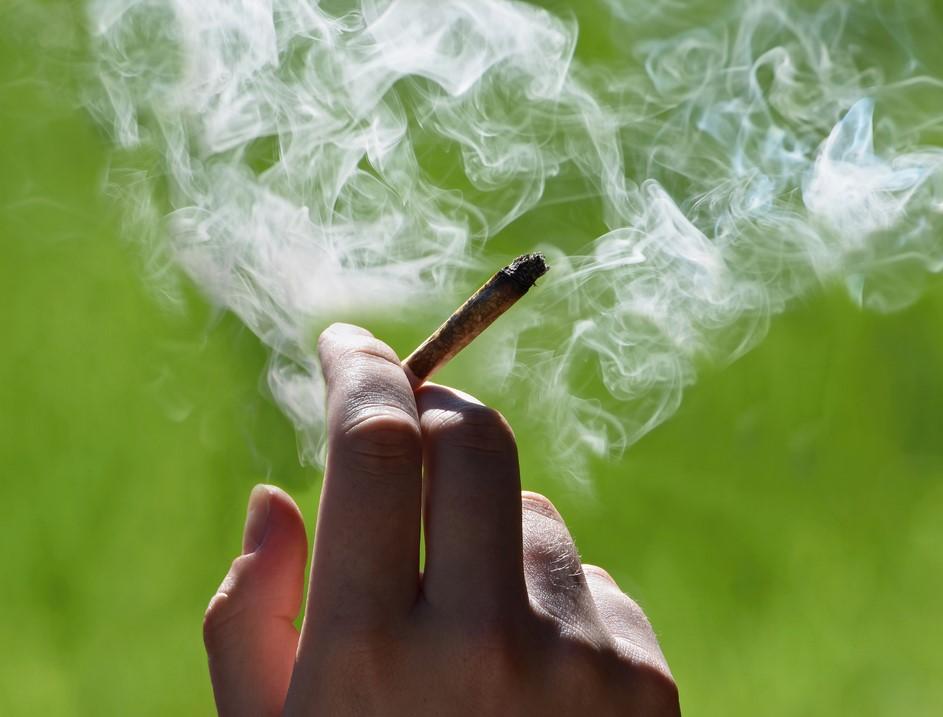
The LRCUG, endorsed by groups including the Canadian Medical Association and the Canadian Pharmacists Association, call smoking likely the most hazardous way to use cannabis: smoking burnt cannabis, especially with tobacco, can cause respiratory problems. Health Canada adds that cannabis smoke has many of the same harmful chemicals as cigarette smoke, which raise the risk of heart and lung disease, and the American Lung Association says cannabis smoking causes chronic bronchitis, with symptoms such as cough, phlegm and wheeze.
If you have a health condition, take other medications, or are pregnant or breastfeeding, talk to a doctor or pharmacist before using cannabis.
Ways to smoke weed, compared
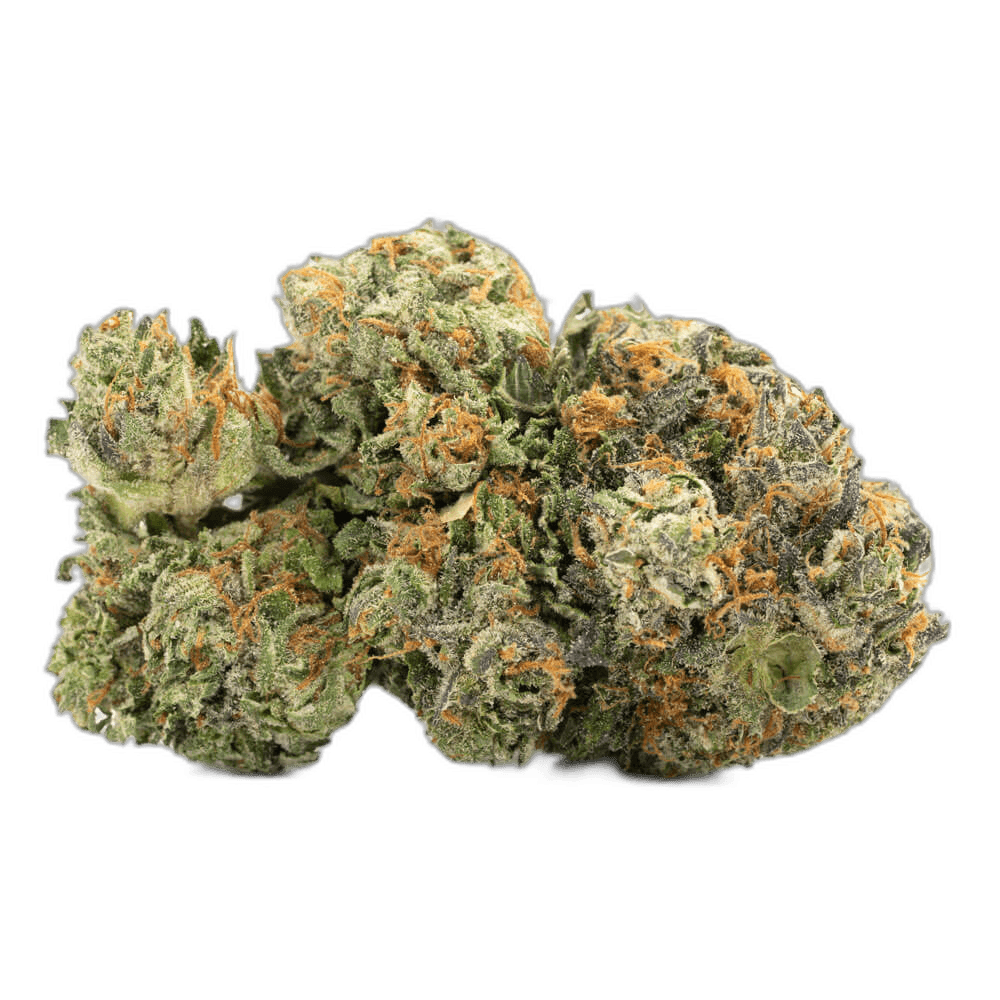
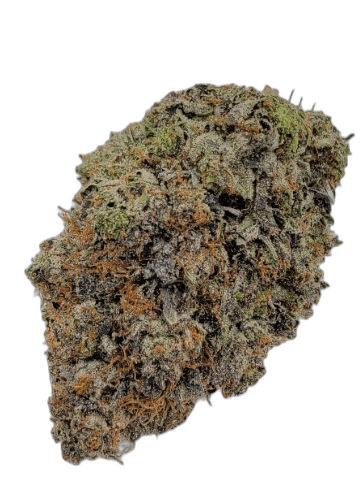
Health Canada lists the main ways to inhale cannabis as smoking it in joints, pipes, bongs or blunts, vaporizing or vaping it, and dabbing concentrates. Here is how they differ:
- Joint: ground flower rolled in paper. It is portable, but you burn paper along with the flower. See how to roll a joint if you are making your own.
- Hand pipe or one-hitter: you pack a small bowl and light one edge while drawing gently.
- Bong (water pipe): smoke bubbles through water, which cools it. Cooler is not cleaner: a small 1996 test summarized in the U.S. Justice Department's NCJRS library found water pipes filtered out more THC than tar, so people may smoke more for the same effect. More on types of bongs.
- Spliffs and blunts: a spliff mixes tobacco into a joint, and a blunt is rolled in a cigar-style wrap. The LRCUG single out smoking cannabis with tobacco as a respiratory risk, and Health Canada advises against consuming cannabis with nicotine. Read more on mixing cannabis and tobacco.
- Dry-herb vaporizer: heats flower to just below the point of combustion, producing vapour rather than smoke. The LRCUG list vaporizers among the safer alternatives to smoking, though not risk-free, and Health Canada says vaping may be less harmful to your lungs than smoking, although its long-term health effects are still unknown.
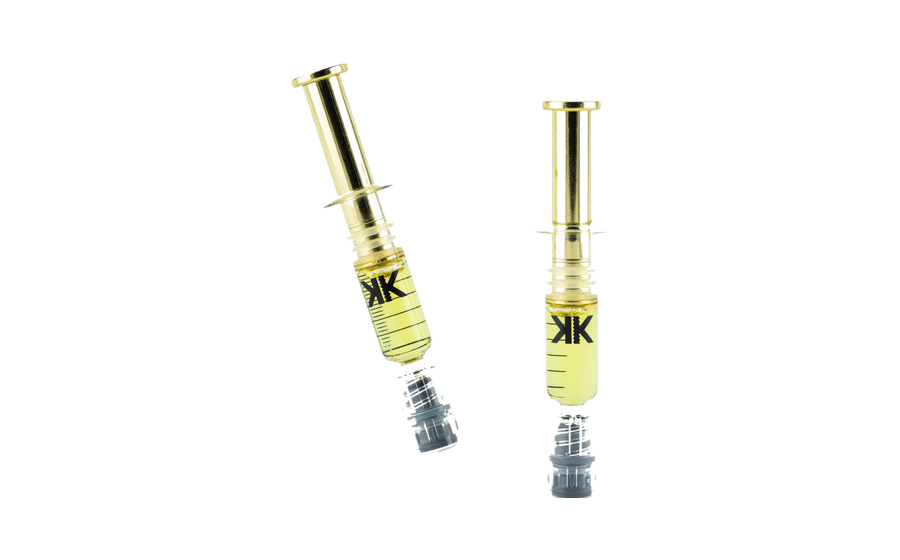
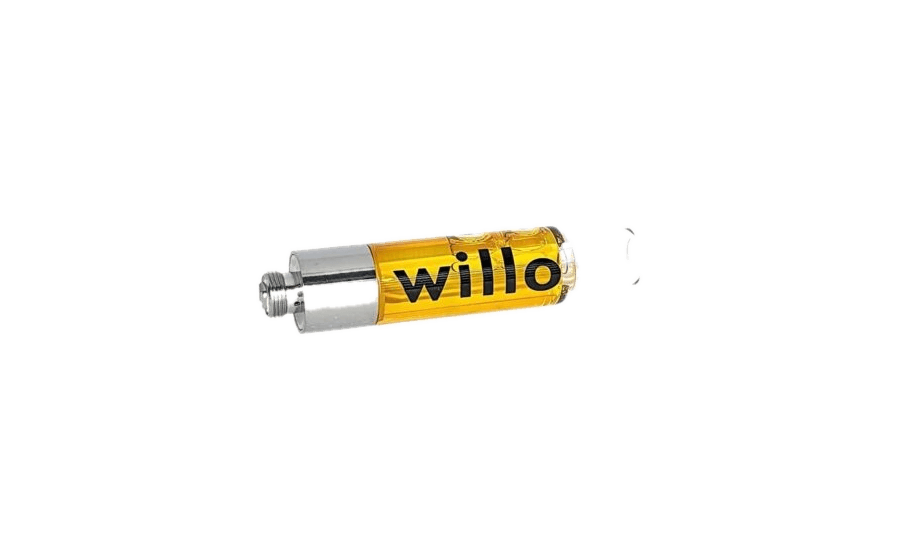
- Vape pens and concentrates: cartridges and dabs are made from extracts. Health Canada advises avoiding higher-THC products like vapes and concentrates, and taking the most care with products over 20% THC, such as shatter, wax or distillates.
How much to take: start low, go slow
For new users, Health Canada suggests a product with less than 10% THC (100 mg/g) and equal or higher CBD. Take 1 puff and wait. Inhaled cannabis starts working within seconds to minutes, but it can take up to 30 minutes to feel the full effect, and taking more in that window raises the risk of unpleasant effects.
Effects can last up to 6 hours, with some residual effects up to 24 hours. Health Canada lists possible adverse effects including a rapid heart rate, dizziness, anxiety, nausea and vomiting, and, more seriously, psychotic episodes and seizures. Responses vary from person to person, and the same person can react differently from one time to the next.
How to inhale: shallow puffs, no breath-holding
Holding smoke in is a habit worth dropping. The LRCUG say deep inhalation, breath-holding and forced exhaling pull more toxic material into your lungs, and advise against them. It doesn't buy a stronger high either: in a small controlled study of regular smokers, holding each puff for 20 seconds did not substantially enhance the effects compared with not holding it at all (Zacny and Chait, 1991).
- Light the edge of the bowl or the tip of the joint while drawing gently, and rotate a joint so it burns evenly. Some people light with a hemp wick instead of a lighter.
- Take a small puff into your mouth, breathe in a little air, and breathe out. There is no need to hold it.
- Wait between puffs, especially with a product you have not tried before.
Ground rules that matter more than technique
These come from Canada's lower-risk guidelines and Health Canada.
- Do not drive. The LRCUG say not to drive or operate machinery for at least 6 hours after using cannabis. Health Canada notes that impairment can last more than 24 hours, well after other effects fade, and cannabis-impaired driving is illegal.
- Do not mix with alcohol. Combining the two increases impairment, according to both the LRCUG and Health Canada.
- Keep it occasional. The LRCUG name daily or near-daily use as one of the strongest predictors of serious long-term problems and suggest limiting use to occasional, such as 1 day a week or weekends, or less.
- Skip it if you are at higher risk. The LRCUG say people with a personal or family history of psychosis or substance use disorder, and pregnant women, should not use cannabis at all.
- Lock it up. Health Canada advises storing cannabis securely, out of reach of children, youth and pets.
Not into smoke? Edibles are slower
Edibles skip smoke entirely, and the LRCUG note that they bypass inhalation-related risks. The trade-off is timing: Health Canada says eaten cannabis takes 30 minutes to 2 hours to start working, up to 4 hours to reach full effect, and can last up to 12 hours. The LRCUG warn that this delay can lead people to take higher doses.
If you try edibles, Health Canada suggests starting with a product containing 2.5 mg of THC or less and allowing up to 4 hours before deciding whether to take more.
Buying flower in Toronto
GasDank delivers same day across Toronto and the GTA, usually within 1 to 2 hours, and ships mail order across Canada. The menu carries lab-tested products, and you can browse flower online. Customers must be 19 or older (21 in Quebec), and ID is checked at the door.