Why Bong Material Matters
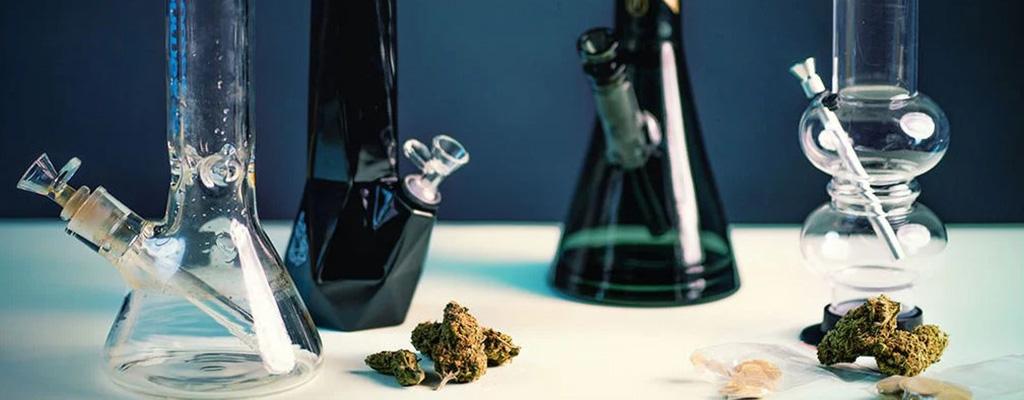
When people shop for a bong, they usually focus on the shape, the percolators, and the look, but the material it is made from shapes the experience just as much. The material affects how clean the smoke tastes, how easy the piece is to clean, how well it survives being knocked around, and of course how much it costs. Getting the material right is the difference between a piece you love and one that disappoints.
Each of the four common materials, glass, silicone, ceramic, and acrylic, has a distinct personality with real strengths and real weaknesses. There is no single best option, because the right choice depends entirely on what you value most. A collector chasing the purest flavour wants something very different from a festival goer who needs a piece that can take a beating, and both are valid.
This guide walks through all four materials so you can match one to how and where you actually smoke. We will cover flavour, durability, cleaning, price, and the kind of smoker each material suits best. By the end you should have a clear sense of which material fits your habits, whether you want a centrepiece for your shelf or a rugged daily driver for the road.
It also helps to know that none of these materials is objectively superior. The cannabis community is split for good reason, with flavour purists swearing by glass and ceramic while practical, on the go smokers happily reach for silicone. Once you stop looking for a single winner and start asking which trade offs you are willing to make, the decision gets a lot easier and a lot more personal.
Glass: The Classic Choice
Glass is the gold standard for a reason, and it is what most serious smokers reach for. The biggest advantage is flavour. Good borosilicate glass is inert, meaning it does not add any taste of its own to the smoke, so you get the cleanest, purest expression of your flower's flavour and terpenes. For anyone who cares about taste, nothing else quite matches it.
Glass also wins on cleaning and clarity. Because it is smooth and non porous, residue wipes away easily with a simple alcohol and salt soak, and you can see exactly how dirty the piece is getting through the clear walls. That transparency makes it easy to keep a glass bong fresh, which in turn keeps every hit tasting good. Glass also shows off the percolators and the bubbling action beautifully.
The obvious downside is fragility. Glass breaks, and a single bad knock or a drop onto a hard floor can end a piece instantly. Quality glass is thicker and more durable than cheap glass, but it is never truly safe from an accident. It also tends to cost more than silicone or acrylic, especially for well made, artistic, or heavily percolated pieces. Glass is the connoisseur's pick, but it asks for care.
If you smoke mostly at home, value flavour above all, and can be trusted to handle a piece carefully, glass is almost always the right answer. It delivers the best taste, the easiest deep cleaning, and the most satisfying visual experience. Just keep it on a stable surface, store it somewhere safe, and accept that you are trading a little durability for the best hits you can get.
Silicone: The Indestructible Option
Silicone bongs have exploded in popularity, and it is easy to see why. The headline feature is durability. Food grade silicone is flexible and nearly indestructible, so you can drop it, squish it, even toss it in a bag, and it bounces back unharmed. For travel, camping, festivals, or anyone who is simply accident prone, that toughness is a genuine game changer.
Portability is the other big draw. Many silicone bongs are foldable or collapsible, which makes them incredibly easy to pack and transport without worrying about breakage. They are also lightweight, so they are comfortable to carry around. If your smoking life happens on the move rather than parked on a coffee table, silicone is built exactly for that lifestyle.
The trade offs are flavour and cleaning. Silicone is not as neutral as glass, and some smokers notice a very slight difference in taste, though quality food grade silicone keeps this minimal. Cleaning can be a bit more involved, since you cannot simply do an alcohol soak the way you can with glass, and the flexible, sometimes opaque material makes it harder to see and scrub every nook. Many silicone pieces are dishwasher safe, which helps.
Silicone is the practical, worry free choice. It will not give you the absolute purest flavour or the prettiest display, but it will survive almost anything and go anywhere. For a rugged daily driver, a travel piece, or a first bong you do not have to baby, silicone is hard to beat, and it has made a durable, affordable option available to everyone.
Ceramic: Smooth Hits and Style
Ceramic bongs occupy a special place, prized as much for their looks as their function. Ceramic can be moulded and glazed into almost any shape, colour, or design, which makes these pieces some of the most artistic and decorative on the market. If you want a bong that doubles as a piece of art or a conversation starter on your shelf, ceramic offers options nothing else can match.
On the function side, ceramic delivers wonderfully smooth, cool hits. The material has a bit of natural heft and density that many smokers feel mellows the smoke nicely, and like glass it is inert, so it does not add any flavour of its own. The result is a clean, smooth, comfortable hit that holds up well against glass on taste, which surprises people who assume ceramic is purely about looks.
The downsides are weight and fragility, plus visibility. Ceramic is heavy, which makes it less suited to travel, and it is breakable, so it needs the same careful handling as glass, arguably more given the weight. Because it is opaque, you also cannot see inside to gauge how dirty it is getting, which makes it a little harder to know when it needs a clean. You have to clean it on a schedule rather than by sight.
Ceramic suits the smoker who wants style and a smooth hit and plans to keep the piece mostly at home. It is a fantastic centrepiece and a genuine pleasure to smoke from, as long as you are happy to handle it with care and clean it on a regular routine. For a decorative, smooth hitting home bong with real character, ceramic is a standout choice.
Acrylic: The Budget Pick
Acrylic, a type of hard plastic, is the entry level material, and its single biggest selling point is price. Acrylic bongs are by far the cheapest option, which makes them an easy starting point for a first time buyer or anyone who wants a functional piece without spending much. They are also fairly durable, since plastic does not shatter like glass, so they can take a tumble reasonably well.
That affordability and toughness make acrylic genuinely useful in certain situations. If you need a cheap backup, a piece for a setting where something might get damaged or lost, or simply a no pressure way to try a bong before investing in glass, acrylic does the job. It is lightweight and inexpensive enough that losing or breaking one is not a big deal, which has its own kind of appeal.
The major downside is the smoking experience. Acrylic is not inert the way glass and ceramic are, and many smokers find it produces a noticeably harsher hit with a faint plastic taste, especially as the piece ages. It can also be harder to clean thoroughly, and the material can scratch and cloud over time. For flavour purists, acrylic is the least satisfying material by a clear margin.
Acrylic is best understood as a budget or beginner option rather than a long term piece. It gets you a working bong cheaply and survives rough handling, which is exactly what some people need. But most smokers who stick with the hobby eventually move up to glass or silicone for a cleaner, better tasting hit. As a starting point or a disposable backup, though, acrylic has its place.
Flavour: Which Material Tastes Cleanest
If flavour is your top priority, the ranking is fairly clear. Glass sits at the top, since borosilicate is completely inert and adds nothing of its own to the smoke, letting your flower's terpenes come through cleanly. Ceramic is right there with it, also inert and smooth, delivering a clean, cool hit that flavour lovers genuinely appreciate. These two are the choices for taste.
Silicone sits a step below for purity. Quality food grade silicone keeps any difference minimal, and plenty of people never notice it at all, but it is not quite as neutral as glass or ceramic. For most casual smokers this is a non issue, and the trade off is well worth it for the durability, but dedicated flavour chasers tend to notice the gap when comparing side by side.
Acrylic comes in last on flavour by a wide margin. Because the plastic is not inert, it can impart a faint taste and produce a harsher hit, and this tends to get worse as the piece ages and accumulates residue. If a clean, pure flavour is what you are after, acrylic is the material to avoid, and you would be far happier with even an inexpensive glass piece instead.
Durability: What Survives a Drop
Durability flips the flavour ranking almost completely on its head. Silicone is the undisputed champion here, since it is flexible and practically unbreakable. You can drop it, step on it, or pack it carelessly and it simply does not care. For anyone hard on their gear or constantly on the move, nothing else comes close to this kind of peace of mind.
Acrylic takes a solid second place. As a hard plastic, it will not shatter the way glass does, so it survives drops and knocks reasonably well, even if it can scratch and crack under enough abuse. That toughness, combined with its low price, is a big part of why acrylic remains a practical choice for rough settings where breakage is a real concern.
Glass and ceramic bring up the rear, and both demand careful handling. Glass breaks from a bad knock or drop, and while thicker glass holds up better, it is never drop proof. Ceramic is breakable too, and its weight can make a fall even more punishing. Both are best kept on stable surfaces at home, away from the chaos that silicone and acrylic shrug off without a second thought.
Cleaning and Maintenance Compared
Keeping a bong clean is essential for good flavour and smooth hits, and the material makes a real difference in how easy that is. Glass is the easiest to clean and maintain, since a simple soak in isopropyl alcohol and coarse salt dissolves residue quickly, and the clear walls let you see exactly when it needs attention. That visibility and ease are a quiet but major advantage of glass.
Ceramic cleans reasonably well with the same alcohol and salt method, but because it is opaque you cannot see inside to judge how dirty it is. That means cleaning it on a regular schedule rather than waiting until it looks grimy. Silicone is a different story, since the flexible material does not always play nicely with alcohol soaks, though many silicone pieces are dishwasher safe, which makes maintenance convenient in its own way.
Acrylic is the trickiest to keep truly clean. The plastic can hold onto residue, scratch easily, and cloud over time, and you cannot use the same aggressive cleaning methods you would on glass without risking damage. Regular gentle cleaning helps, but acrylic rarely comes back to a like new state the way glass does. For low maintenance and the best long term results, glass is the clear winner here.
Whatever material you choose, the habit that matters most is cleaning regularly rather than letting grime build up. Stale residue ruins flavour and makes hits harsher no matter how good the piece is, so a quick clean on a routine keeps any bong performing at its best. Changing your water often is the simplest single thing you can do, and it costs nothing.
Price: What to Expect at Each Level
Budget often drives the decision, and the four materials line up neatly from cheapest to priciest. Acrylic is the most affordable by far, making it the natural entry point for anyone who wants a working bong without much outlay. Silicone sits in the affordable to mid range, offering excellent value given how durable and travel friendly it is, which makes it a smart buy for a lot of people.
Glass spans the widest range of all. You can find simple, inexpensive glass pieces that already outperform acrylic on flavour, all the way up to elaborate, heavily percolated, or artist made bongs that cost a great deal. That range is part of glass's appeal, since there is a quality glass option at almost any budget if you shop carefully and prioritize what matters to you.
Ceramic tends to sit in the mid to higher range, reflecting the craftsmanship and artistry that go into many ceramic pieces. You are often paying for a decorative, handmade quality as much as for function. The takeaway is simple: acrylic for the tightest budget, silicone for value and durability, glass for flavour at any price point, and ceramic when you want art and a smooth hit together.
Matching a Material to Your Lifestyle
The best way to choose is to think honestly about how and where you smoke. If you are a homebody who values flavour above everything and will treat a piece with care, glass is the obvious pick. It gives you the cleanest taste, the easiest cleaning, and the most satisfying visuals, and the fragility matters less when the piece rarely leaves a stable shelf.
If your smoking happens on the move, at festivals, camping, travelling, or just bouncing around with a clumsy crowd, silicone is built for you. It survives anything, packs down small, and frees you from worrying about breakage. Acrylic serves a similar rough and ready role on a tighter budget, and works well as a cheap backup or a low stakes first bong to learn on.
And if you want a piece with personality that doubles as decor while still hitting smooth and clean, ceramic is the one, provided you are happy to keep it home and handle it carefully. Many smokers end up owning more than one, a glass piece for serious home sessions and a silicone piece for travel, which honestly might be the smartest approach of all.
Other Factors Beyond Material
Material is the foundation, but a few other things shape how a bong performs. Size plays a big role, since larger bongs hold more smoke and often deliver bigger hits, while smaller pieces are easier to handle and store. Percolation matters too, as percs and other filtration features cool and smooth the smoke regardless of the material, which can make a real difference to comfort.
The joint size and accessories are worth a thought as well. Making sure your bowl and any accessories fit the joint properly keeps everything working smoothly, and having a spare bowl on hand is never a bad idea. These details apply across all four materials, so once you have picked your material, matching the right size, filtration, and fittings to your preferences rounds out the choice.
Finally, think about how the piece feels to actually use day to day. A bong that is the right height for your space, easy to fill and light, and comfortable to hold will get used far more than one that looks impressive but is awkward in practice. The best bong is the one that fits your habits, and material is the starting point for getting there, not the whole story.
Common Mistakes When Buying a Bong
The most common mistake is buying purely on looks without thinking about how you will actually use the piece. A stunning glass bong is a poor choice for someone who travels constantly and is hard on their gear, just as a rugged silicone piece will disappoint a flavour purist who smokes at home. Matching the material to your real habits beats falling for the prettiest option on the shelf every time.
Another frequent slip is going too cheap and being let down, or overspending before you know what you like. A bargain acrylic piece can sour someone on bongs entirely with harsh, plasticky hits, while a beginner does not necessarily need a top tier artist made glass piece right away. Aiming for the right material at a sensible price for your experience level tends to leave people happiest.
Finally, people often overlook the practical details that make a piece pleasant to live with, like size, weight, and how easy it is to clean. A bong that is awkward to fill, too big for your space, or a pain to keep clean will gather dust no matter how good it looked in the listing. Think about the whole experience of owning and using the piece, not just the moment you buy it.
Where to Buy a Bong in Toronto
Whatever material suits you best, having the right gear makes every session better. GasDank stocks a range of smoking accessories alongside our flower, concentrates, and edibles, so you can pick up a piece that matches how you smoke. Our team is happy to talk through the trade offs between glass, silicone, ceramic, and acrylic and help you choose something that fits your habits and your budget.
Ordering is easy. We deliver same day across Toronto and the GTA, usually within one to two hours, so you can get set up quickly. For anyone outside the local delivery zone, we ship Canada wide by mail order, packaged discreetly and securely, so good gear is within reach wherever you happen to be in the country.
The basics are simple. The minimum order is $40, delivery is free once you spend $80, and we accept cash or Interac e-Transfer. You just need to be 19 or older. Whether you want a flavour first glass piece, a rugged silicone travel bong, a stylish ceramic centrepiece, or a budget acrylic to start with, we can help you find the right fit and get it to your door fast.