Why Mould Shows Up on Cannabis in the First Place
Cannabis is a plant, and like any plant material it can grow mould when the conditions are right. Mould spores float around in the air pretty much everywhere, all the time, and they only need a few things to take hold and start spreading. Give them moisture, a bit of warmth, poor airflow, and some organic material to feed on, and they will happily set up shop on a bud. Weed checks every one of those boxes if it is handled carelessly, which is why this is worth understanding rather than ignoring.
The most common culprit is moisture. Flower that was not dried and cured properly after harvest holds onto too much water inside the dense parts of the bud, and that trapped moisture is exactly what mould loves. The same thing happens when good flower gets stored in a humid spot, sealed up while still a little damp, or left somewhere warm with no air movement. The bud might look fine on the outside while mould quietly develops deeper in, where you cannot see it at a glance.
Dense, chunky buds are a little more prone to it than airy ones, simply because the tight structure holds moisture in the centre and keeps air from circulating through. That does not mean dense flower is bad, far from it, it just means proper drying and storage matter even more with thick nugs. The takeaway is simple. Mould is not some rare freak event, it is a normal risk with any plant material, and the way weed is dried, cured, and stored is what decides whether it ever becomes a problem.
What Moldy Weed Actually Looks Like
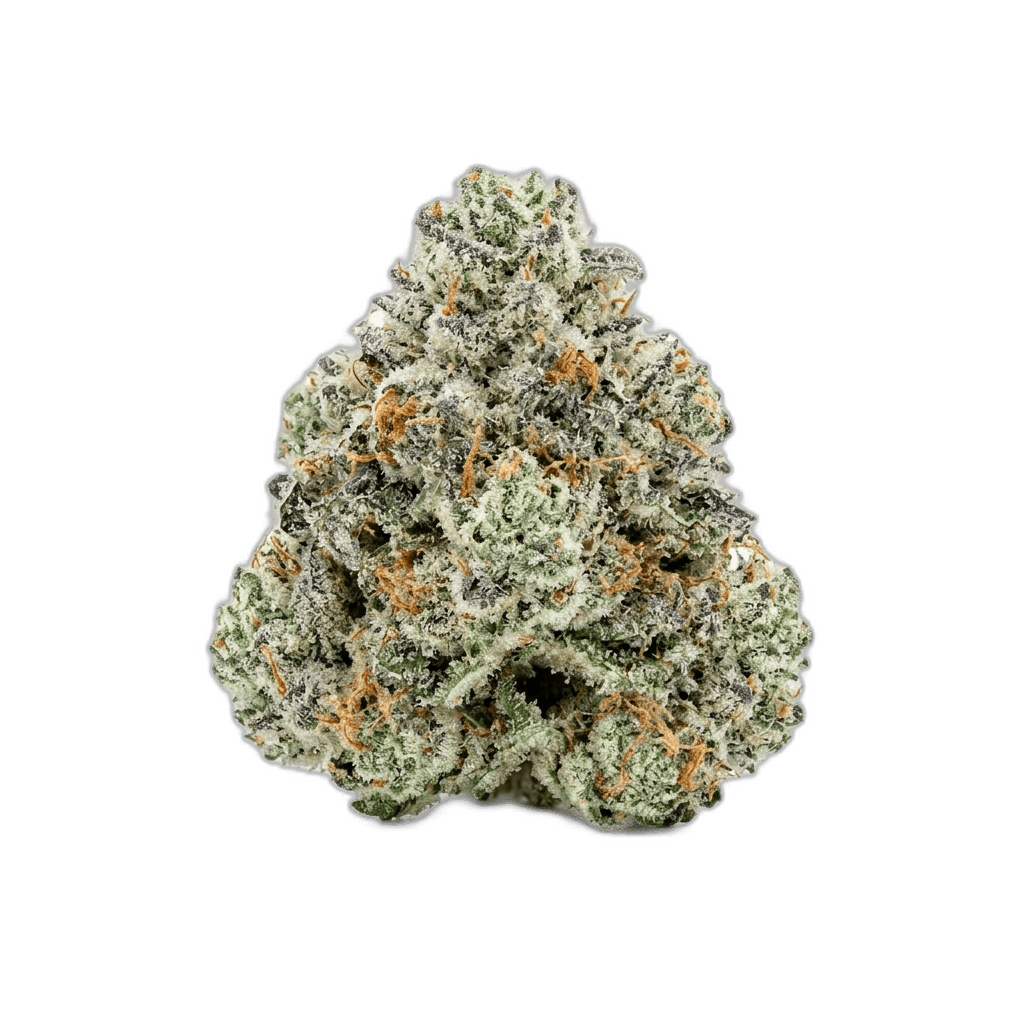
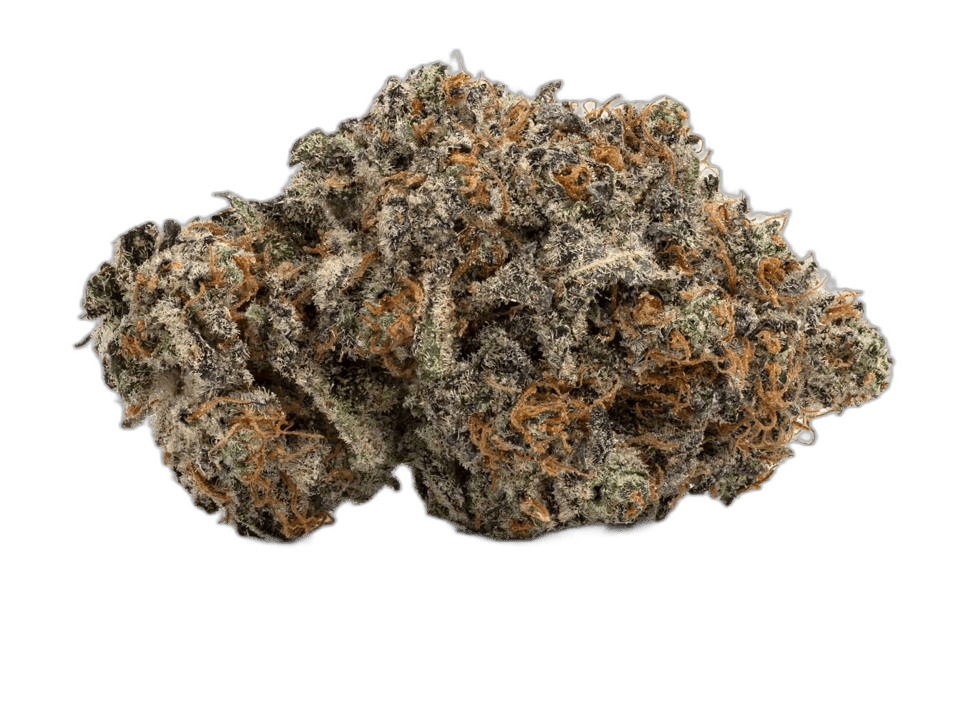
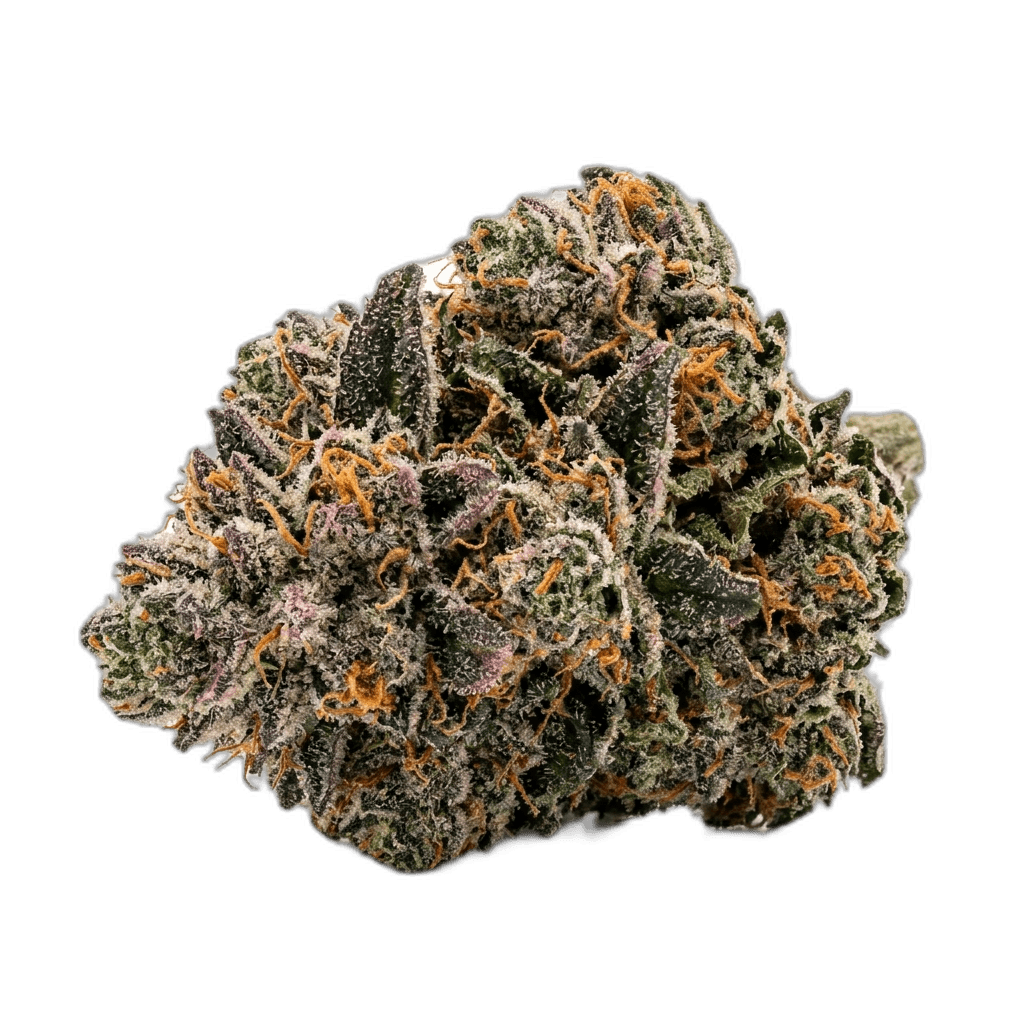
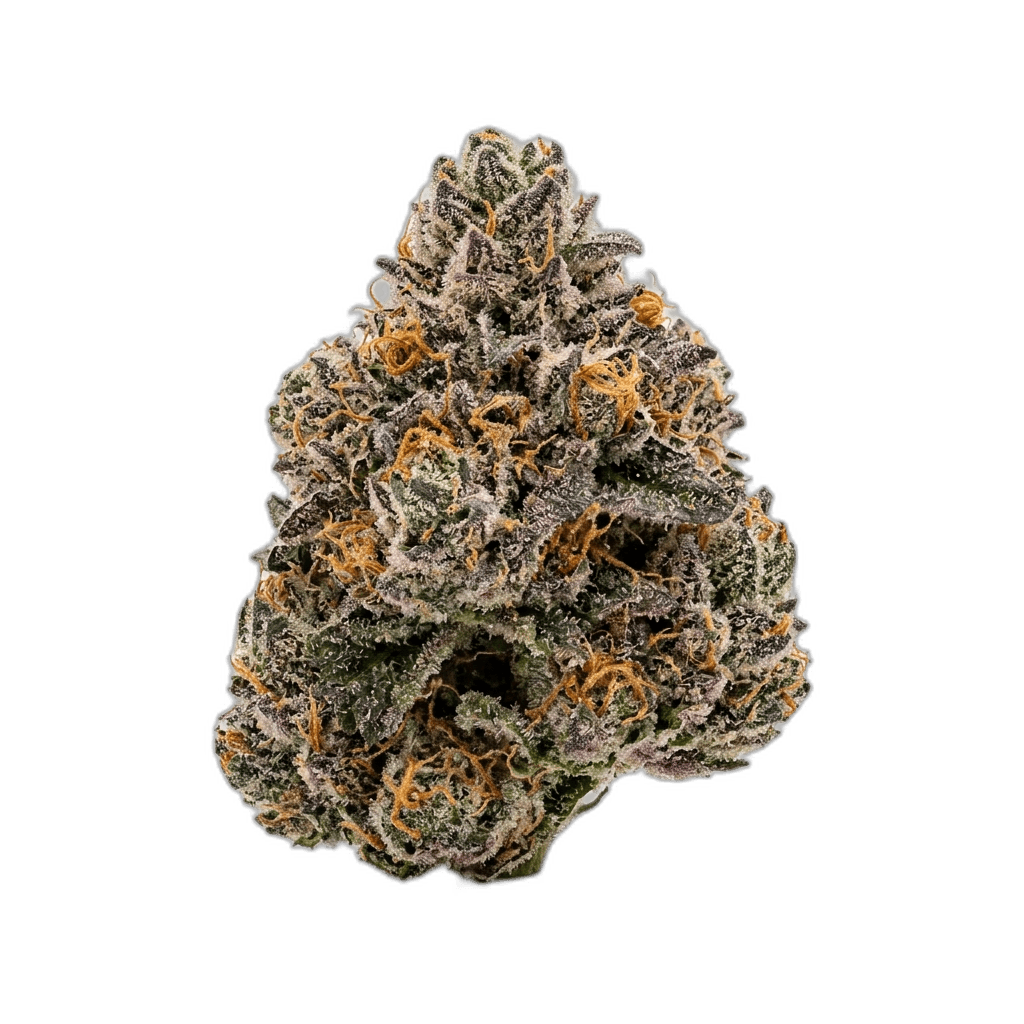
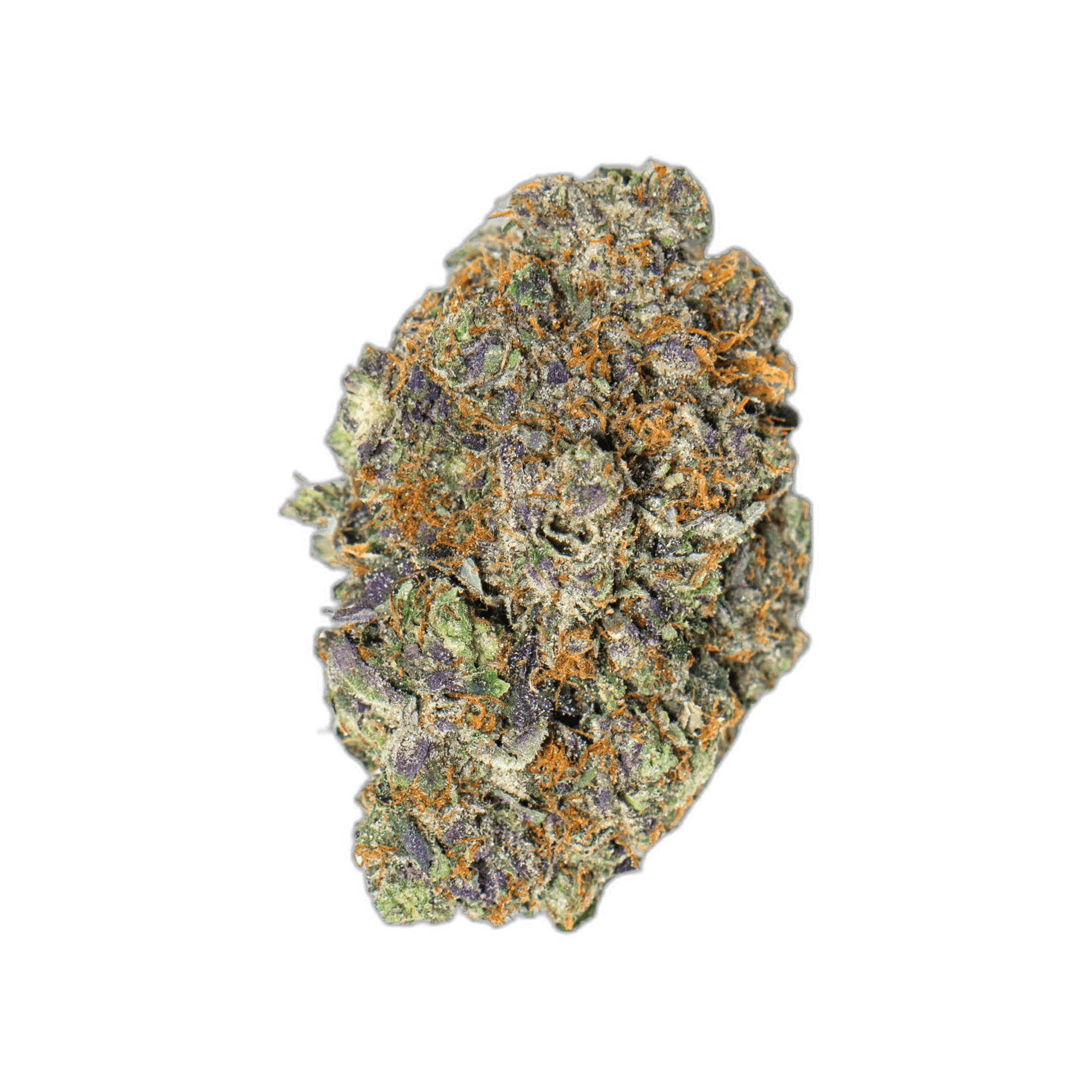
The tricky part is that mould on cannabis can be easy to miss if you are not paying attention, because healthy flower is already covered in fuzzy looking trichomes that sparkle under light. Those trichomes are a good thing, they are where a lot of the potency and aroma live, and they give frosty flower that crystalline sheen people love. Mould is different. It tends to look like a dull, dusty, cobweb like film, often grey, white, or sometimes with a faint blue or greenish tinge, and it sits on the surface in patches rather than coating the bud evenly the way trichomes do.
A good trick is to look closely in bright light, or better yet with a cheap jeweller loupe or your phone camera zoomed all the way in. Trichomes look like tiny clear or milky glass stalks with little heads, almost like microscopic mushrooms, neatly spread across the flower. Mould looks fuzzy, stringy, or powdery, more like lint or dust caught in the bud, and it often clusters in the denser spots where moisture hides. If you see something that looks like grey fuzz, white powder, or spider web strands tucked into the nooks of a nug, that is a red flag, not frost.
Colour helps too. Healthy cured flower runs through greens, sometimes with purple, orange, or brown accents from pistils and phenotype, and the trichomes read as clear, cloudy, or amber. Mould brings in colours that just look wrong for weed, that chalky grey white or a sickly blue green that does not belong. When you are genuinely unsure whether you are looking at trichomes or mould, zoom in and compare against the rest of the bud and against flower you know is clean. Trust your eyes, and when in doubt, lean toward caution.
Use Your Nose: The Smell Test
Your nose is honestly one of the best tools you have for catching bad flower, and it is worth using every single time before you grind anything up. Good cannabis smells alive. Depending on the strain you get earthy, piney, fuel like, fruity, sweet, citrusy, or skunky notes, and even when a strain is loud and pungent, it smells fresh and plant like in a way that is pleasant to people who enjoy weed. That bright, complex aroma is a sign the flower was dried and stored properly and the terpenes are intact.
Moldy weed smells off, and once you have caught it you do not forget it. The classic warning signs are a musty, damp, basement like smell, a whiff of stale hay or wet cardboard, or a sour, mildewy note that reminds you of a gym bag left wet or a towel that never dried. It is the same family of smells you get from mouldy bread or a damp old room. If you open your jar and get hit with anything musty, dank in the bad sense, or just plain wrong, that is your nose doing its job. Listen to it.
One important note, a strong smell on its own is not bad. Plenty of excellent strains are extremely pungent, and loud weed is often a sign of quality, not spoilage. The difference is the character of the smell. Fresh loud weed smells like intense, vivid plant, fuel, fruit, or skunk. Mould smells like damp, decay, and mildew. If the aroma makes you want to keep sniffing, you are probably fine. If it makes you wrinkle your nose and pull back, take that seriously and inspect the flower closely before you decide to do anything with it.
Texture and Other Warning Signs
Beyond sight and smell, how the flower feels in your fingers tells you a lot. Properly cured cannabis has a specific feel to it. It is dry on the outside but not bone dry, springy enough that a bud gives a little when you squeeze it and then bounces back, and the smaller stems snap rather than bend. When you break a nug open it should feel slightly sticky from resin, never wet, slimy, or soggy. That balance of a dry surface with a touch of moisture inside is the sweet spot a good cure aims for.
Flower that feels damp, spongy, or wet in the middle is a warning sign, because that lingering moisture is exactly what mould needs to grow. If a bud feels heavier and wetter than it should, refuses to dry out, or leaves your fingers feeling moist rather than tacky with resin, be cautious. The same goes for flower that has gone the opposite way and turned to dust, that just means it is old and harsh, which is a quality issue rather than a safety one, but still not what you paid for.
There are a few other tells worth knowing. A faint white powder that brushes off and reappears is more concerning than the embedded sparkle of trichomes. Buds stuck together in a clump with a webby film between them are suspicious. And if a single nug in an otherwise clean batch looks or smells off, do not assume the rest is automatically fine, give everything a careful look, since mould can spread from one bad bud to its neighbours in a sealed container.
What Can Happen If You Smoke It
We are going to keep this honest and practical rather than dramatic, and we are not doctors, so nothing here is medical advice. The simple reality is that inhaling mould is not good for you. When you burn mouldy flower, you are pulling smoke that carries mould and its byproducts straight into your lungs and throat, and your body generally does not appreciate that. The most common complaints people report are throat irritation, coughing, a scratchy or sore throat, headaches, and a smoke that just feels harsher and nastier than clean flower.
How much it affects you depends a lot on the person. Someone healthy might smoke a bit of slightly off flower and mostly notice that it tasted bad and made them cough more than usual. Someone with asthma, allergies, a weaker immune system, or any kind of respiratory sensitivity could have a rougher time of it, because their lungs and airways are already more reactive. This is the whole reason harm reduction matters. The downside ranges from unpleasant to genuinely worth avoiding, and you cannot always predict where you personally will land.
The bottom line is that there is no real upside to smoking mouldy weed and a clear downside, so it is not a gamble worth taking. It will not get you noticeably higher, it tends to taste bad, it can make you feel rough, and at best you are inhaling something you would rather not. If you ever feel unwell after smoking and you suspect the flower was the cause, stop using it, and if symptoms are serious or stick around, talk to a healthcare professional. Better flower exists, and it is not worth risking your comfort over a bud you already had doubts about.
Can You Just Cut the Mould Off?
This question comes up a lot, usually because nobody wants to throw out weed they paid for, and the honest answer is no, do not try to salvage it. With food, you sometimes hear that you can cut the mouldy part off a hard cheese or trim a spot off a vegetable, but cannabis is not the same situation and that logic does not carry over. Flower is light, porous, and full of nooks and crannies, and mould spreads through it in ways you cannot fully see, so cutting away the visible patch does not mean you have removed the problem.
By the time mould is visible on the outside of a bud, it has very likely worked its way into the denser interior where you cannot spot it, and spores can be present throughout the container even on flower that still looks clean. Picking off the fuzzy bit and smoking the rest just means you are inhaling the parts you could not see. There is no reliable home method to make mouldy weed safe again, no amount of drying it out, freezing it, or microwaving it that undoes the contamination, despite what you might read online.
We know it stings to toss flower, but the math is simple. The cost of throwing out a bit of weed is small. The cost of forcing down harsh, contaminated smoke that might make you feel rough is not. Cut your losses, bin the bad batch, and put your attention into storing your next pickup properly so it does not happen again. Treat a mould discovery as a storage lesson rather than a salvage project, and you will come out ahead.
How to Store Weed So It Never Gets Moldy
Almost every mould problem after the point of purchase comes down to storage, which is good news, because storage is completely within your control. The goal is to keep your flower dry, cool, dark, and sealed, since those four conditions starve mould of what it needs while also protecting the terpenes that give your weed its flavour and smell. Get storage right and properly cured flower will stay fresh and clean for a long time without any drama.
An airtight glass jar is the gold standard. Glass does not hold odours or leach anything, and a good seal keeps humidity stable and air out. Stash that jar somewhere cool and dark, like a cupboard or drawer away from heat, sunlight, and damp. Avoid leaving weed in a hot car, on a sunny windowsill, near a stove, or in a steamy bathroom, since heat and humidity are exactly what you are trying to avoid. A consistent, room temperature, dark spot is ideal.
Two habits make a big difference. First, only seal flower that is properly dried in the first place, because trapping even slightly damp weed in an airtight container is asking for trouble. If a fresh batch feels a touch moist, give it a little air before you seal it tight. Second, consider a small two way humidity pack made for cannabis, which holds the humidity in the jar at a steady, sensible level so your flower neither dries to dust nor gets damp enough to grow mould. It is a cheap bit of insurance that keeps a stash in great shape.
Finally, do not store way more than you will get through in a reasonable time, and check on your jars now and then. Buying in sensible amounts means your flower spends less time sitting around waiting to go off, and a quick look and sniff every so often lets you catch any issue early. Storage really is the whole game here. Treat your weed a little like you would treat good coffee or tea, dry, sealed, cool, and dark, and mould simply will not get a foothold.
Buying Fresh Flower Is the Best Prevention
The single best way to avoid mouldy weed is to start with flower that was dried, cured, and stored correctly before it ever reached you, and then keep it that way at home. Most serious mould issues trace back either to poorly handled product or to bad storage after the fact, so buying from somewhere that takes proper handling seriously removes a huge chunk of the risk before you even open the bag. Fresh, well kept flower that comes to you clean and sealed is already most of the battle won.
At GasDank we care about the flower being fresh, properly cured, and well stored, because nobody wants to open their order and find something musty or damp. We move product so it is not sitting around forever, and we keep it sealed so it arrives the way good weed should, dry on the outside, sticky inside, loud in the jar, and clean. When you get your order, give it the same quick checks we have talked about, a look, a sniff, a gentle squeeze, so you know exactly what you have and can enjoy it with confidence.
If anything about a pickup ever seems off to you, do not just push through and smoke it anyway. Trust the checks, trust your nose, and reach out. Good cannabis is fresh, fragrant, and clean, and that is the standard you should expect every time. Pair that with smart storage at home and mouldy weed becomes a non issue rather than something you have to worry about.
Quick Checklist Before You Smoke
It helps to have a simple routine you run every time you open a fresh batch, especially if you have ever had a questionable bud before. None of this takes more than a few seconds, and once it becomes a habit you will do it automatically. Look at the flower in good light first, ideally with your phone camera zoomed in or a loupe, and confirm you are seeing glassy trichomes spread across the bud rather than dull grey fuzz, white powder, or webby strands tucked into the dense spots.
Next, give it a proper smell. Fresh weed should smell bright, complex, and alive, whatever the specific strain notes are, and it should make you want to keep sniffing rather than pull away. If you catch anything musty, damp, sour, or like wet hay or a basement, stop and inspect more closely before going further. Then feel it. A good bud is dry on the surface, springy, and slightly sticky inside when you break it open, never wet, slimy, or soggy.
If the flower passes all three checks, look, smell, and feel, you are good to go and can enjoy it. If anything fails, take it seriously rather than talking yourself into it. The few seconds this routine costs you are nothing next to choking down harsh, off tasting smoke or feeling rough afterward. Make the checklist second nature and you will rarely, if ever, end up smoking something you should not.
Where Mould Usually Comes From
It helps to know where bad flower tends to come from, because that tells you how to dodge it. The first source is product that was never handled properly to begin with. Weed that gets rushed, packed up while still damp, or stored badly somewhere along the way can already carry the problem before it ever reaches you. This is why where you buy matters so much. Flower that was dried slow, cured with care, and kept sealed and cool is far less likely to give you trouble than something that was thrown together quickly.
The second source is your own storage after you get it home, and this one is fully on you. Even perfect flower can go off if you toss it in a damp drawer, leave it open to humid air, or seal it up while it is still a touch moist. A surprising number of mould complaints are really storage mistakes in disguise, where the weed was fine on arrival and then got ruined by where it sat. The good news is that this is the easiest part to control once you know the basics.
There is also a seasonal angle worth a mention. Humid summer air and damp spaces make mould more likely, so the warmer, stickier months are when you want to be a little more careful about sealing jars tight and keeping them somewhere with stable, dry air. None of this is complicated, it just rewards a bit of attention. Buy from somewhere that handles flower well, store it properly, and stay aware of damp conditions, and you remove almost every common path to mouldy weed.
Common Myths About Moldy Weed
There is a lot of bad advice floating around online about how to deal with mouldy flower, and most of it does not hold up. The biggest myth is that burning weed gets hot enough to make mould harmless, the idea being that fire kills everything so the smoke must be fine. That logic does not work the way people hope. Burning contaminated flower still sends mould and its byproducts into the smoke you inhale, and heat does not magically erase the issue. A lighter is not a decontamination tool.
Another common one is that you can dry mouldy weed back out, or freeze it, or run it through a microwave, and somehow reset it to safe. Drying or freezing might stop mould from spreading further, but it does not undo contamination that is already there, and microwaving flower is just a good way to wreck it without solving anything. Once mould has set in, there is no home trick that turns the bud back into clean weed. The damage is done.
People also sometimes assume that a tiny spot of mould on one bud is no big deal and the rest of the batch is automatically fine. As we covered, mould can spread through a sealed container and work into the interior of buds where you cannot see it, so one visibly bad nug is a reason to inspect everything carefully, not to shrug it off. When in doubt, the safe call is always the same. Do not smoke it, and do not trust a shortcut that promises to save it.
When to Talk to a Professional
Most of the time, catching mouldy flower before you smoke it means the only cost is tossing some weed, which is annoying but harmless. Sometimes, though, people smoke flower before they realise it was off, or they react to something they inhaled. We are not medical professionals and this is not medical advice, but the sensible rule is straightforward. If you smoke and then feel genuinely unwell, the first move is to stop using that flower and set it aside so you are not adding to whatever you took in.
Mild, short lived throat irritation or a bit of extra coughing from harsh smoke usually settles on its own once you stop. What is worth taking more seriously is anything that feels significant or sticks around, things like trouble breathing, a tight chest, an ongoing reaction, or symptoms that get worse rather than better. People with asthma, allergies, or weaker immune systems have more reason to be cautious, since their lungs and airways tend to react more strongly to irritants in the first place.
If you are ever worried about how you feel after smoking, the right people to ask are doctors and pharmacists, not a strain guide or a forum. A quick call to a health line or a visit to a professional costs you very little and gives you a real answer. The whole point of harm reduction is to keep the risks low and know when to get proper help, and there is no downside to checking in with someone qualified if something feels wrong.
Get Fresh, Properly Stored Flower Delivered in Toronto
The easiest way to keep mould out of your routine is to start with flower you can trust and then store it well, and that is exactly what we are set up for. GasDank delivers fresh, properly cured, well sealed cannabis same day across Toronto and the GTA, usually within a couple of hours, so you are getting flower that has been handled with care rather than something that has been sitting around in poor conditions. Order minimum starts at $40, delivery is free once you pass $80, and we take cash or Interac e-Transfer. You do need to be 19 or older.
When your order lands, run the quick checks we covered, a look, a sniff, a gentle squeeze, then transfer your flower into an airtight glass jar and tuck it somewhere cool, dark, and dry. Do that and a properly cured batch will stay fresh, fragrant, and clean for a long time, no mould, no musty smell, no harsh surprises. Browse the menu, place an order, and enjoy weed that is fresh from the moment it reaches your door.