
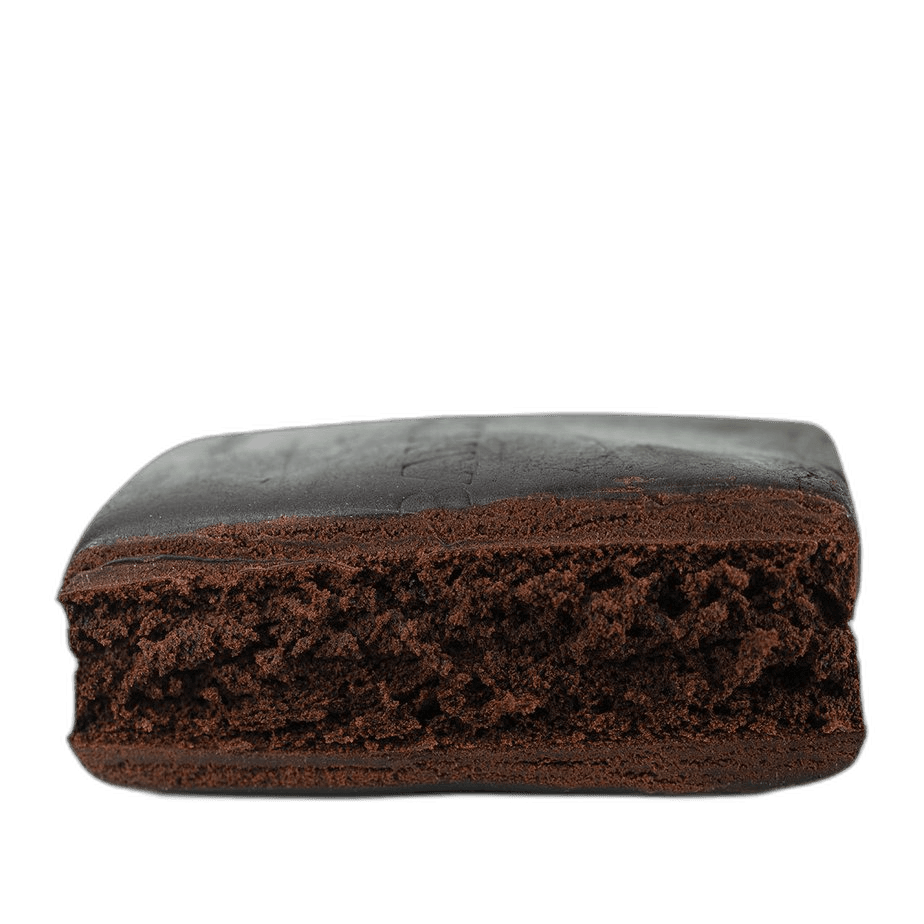
Red Lebanese Hash (Bulk)
Currently unavailable. Get notified the moment Red Lebanese Hash (Bulk) is back in stock.
Get notified the moment it is back. No spam, just this restock.
1 to 2 hour GTA delivery . Cash or e-Transfer . 19+ . Free over $80
In stock now: similar to Red Lebanese Hash (Bulk)
Red Lebanese Hash (Bulk) is sold out. These are available today, from our Hash range.
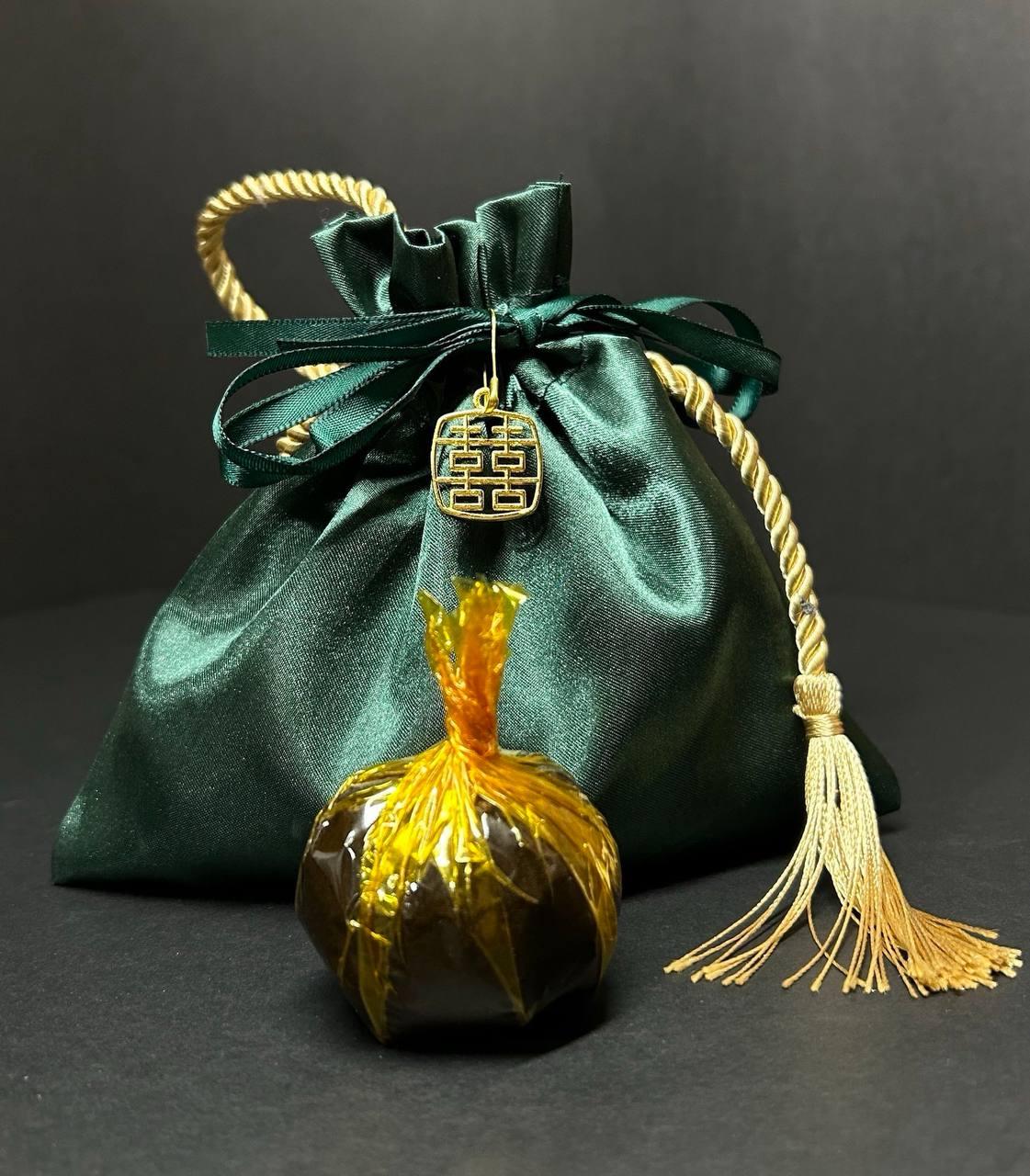 Sale
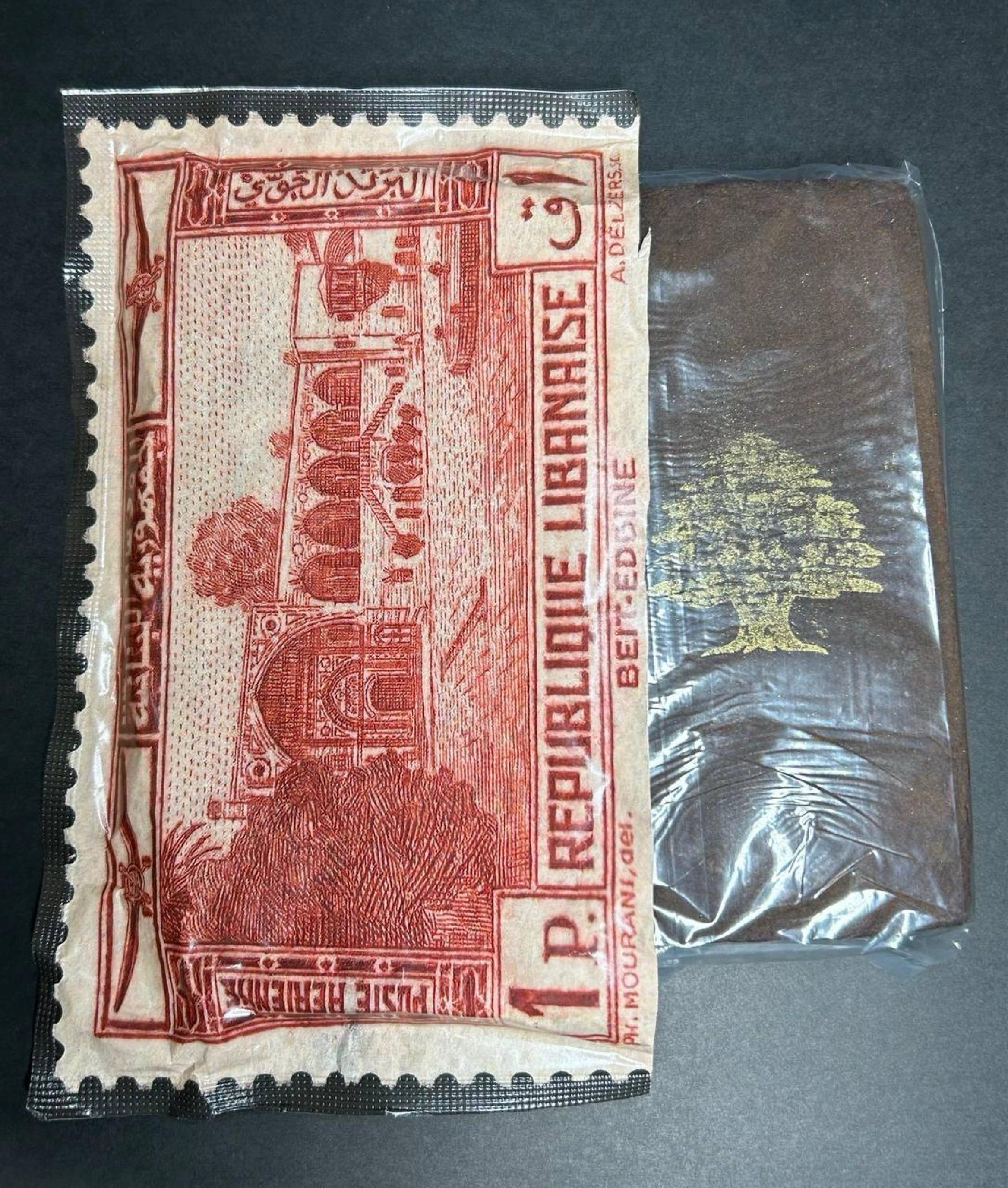
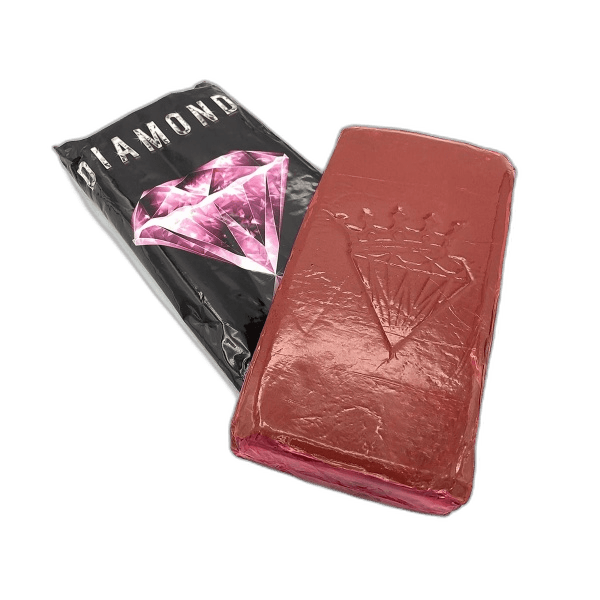 Sale
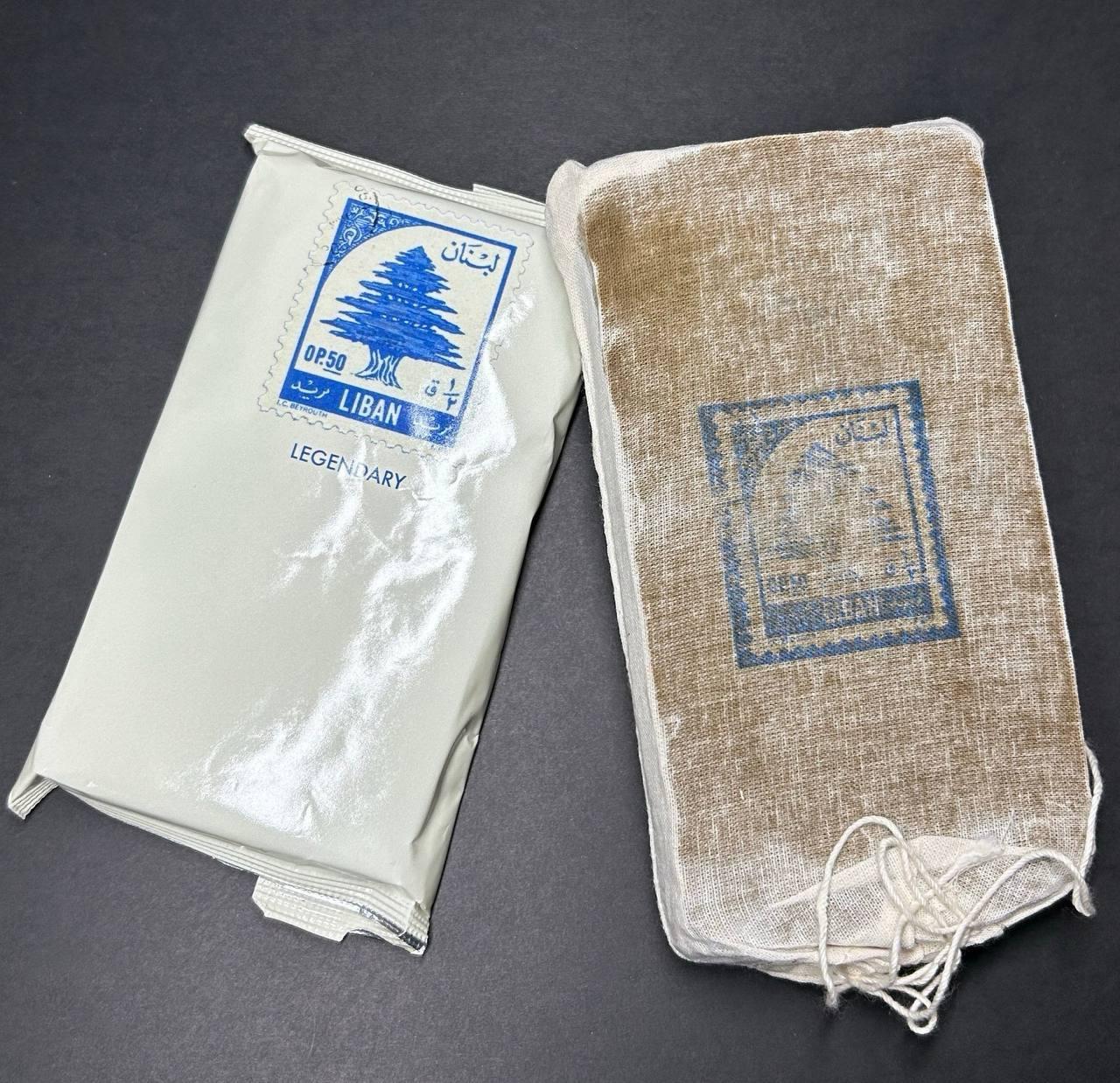
Listed as bulk, this is Red Lebanese hash: the cannabis plant’s trichomes, or resin glands, collected and pressed together. Kief is the loose form of that same resin, like the dust that settles at the base of a grinder. Sensi Seeds places Red Lebanese hash among the dry-sift varieties.
Late-September fields and rooftop drying
The traditional Lebanese method, as Sensi Seeds lays it out, starts in late September, the usual time of harvest. The plants are left upright in the field until they are close to dry, then spread out on a rooftop so the sun can finish the job. Curing then takes two or three weeks, indoors, somewhere cool and dry.
Three shakes over silk
In Sensi Seeds’ account, once the stems and outer leaves are off, workers pass the female flowers over silk screens, several of them, all fine but each with a different mesh, shaking and rubbing as they go. The first pass gives the finest powder and the best quality, which is the kief; the second and third passes give powder of a lower grade.
Winter pressing in cotton or linen
Rather than going straight to the press, Sensi Seeds says, the sifted powder waits in bags until winter. Then it goes into cotton or linen sacks, and industrial presses squeeze it into soft, pliable blocks of hashish.
Al-Mabroukeh and the Bekaa soil
Sensi Seeds credits the dry Bekaa soil with suiting cannabis so well that it grows without irrigation or fertilizer, and it puts a hectare’s yield at 40 to 100 kilograms of hashish. In the valley, where cannabis has been in use for centuries, the local name for it is Al-Mabroukeh, meaning “the blessed plant”; by the same account it was traded in place of money, formed part of dowries at weddings, and guests were given it freely.
Hash, THC and Health Canada’s cautions
Hash shares a line in Health Canada’s lower-risk advice with kief, wax and shatter: all four are named as THC-heavy, and the advice for beginners and occasional users is to keep away from them. Smoked, it notes, cannabis makes itself felt in seconds to minutes and may keep strengthening for half an hour, and its guidelines for lower-risk use say the wait before driving should be 6 hours at the least. For other hash traditions, see our guide to hash types.
Customer reviews
Be the first to review Red Lebanese Hash (Bulk).
More Cannabis
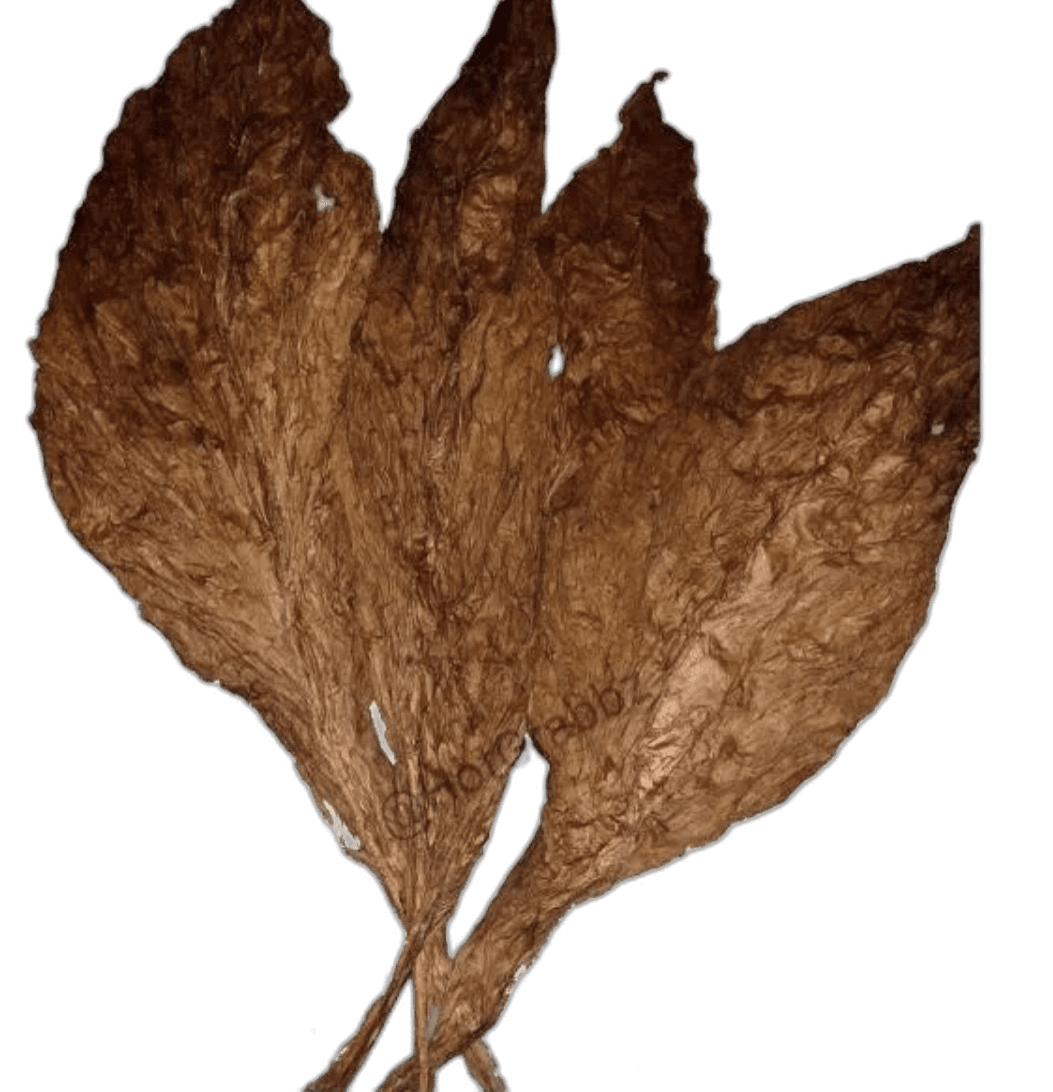
 Indica
Red Lebanese Hash (Bulk) — Frequently Asked Questions
Q.How is the crop dried before sifting?
Sensi Seeds says the plants stay in the field until almost dry, go up to a rooftop for the sun to finish them and then spend two or three weeks curing somewhere cool and dry.
Q.Is the first sift better than the later ones?
In the traditional method, yes. Sensi Seeds says the opening shake produces the top-quality powder, and the second and third produce lower grades.
Q.What texture does traditionally pressed Lebanese hash have?
Soft and pliable, in Sensi Seeds’ account of powder pressed in cotton or linen bags during the winter.
Q.What do Bekaa locals call cannabis?
Al-Mabroukeh, which Sensi Seeds translates as “the blessed plant”.