What the Afghani strain is
Afghani, also known as Afghan, is an indica landrace rather than a cross made by a breeder. Wikipedia's landrace entry defines a landrace as a traditional variety that adapted to its local environment over time, in isolation from other populations. Strainpedia lists Afghani's original breeder as not clearly documented, and Leafly says the strain is named after its geographic origin.
That origin is the Hindu Kush, an 800 km mountain range running from Afghanistan into northwestern Pakistan and southeastern Tajikistan, according to Wikipedia. Cannabis has been cultivated in Afghanistan for centuries, and Wikipedia's article on cannabis in Afghanistan notes that Cannabis indica is native there. Sensi Seeds explains that Hindu Kush indicas are called hash plants because of their heavy resin, which is rolled by hand into balls sold as charas.
Afghan seed reached Western growers from the 1970s: Wikipedia's Kush entry says pre-Soviet Afghan strains were taken to California in the early 1970s, and in a Sensi Seeds interview Sam the Skunkman said his Afghani #1 came from Mel Frank; the same article traces his Skunk #1 to an Afghan indica crossed with Colombian Gold. In the Netherlands, Nevil Schoenmakers crossed equatorial sativas with Afghani indicas to suit temperate climates and indoor growing.
Strainpedia notes that Afghani is a landrace-style name rather than one locked clone, so seed lines differ, and names can mislead. A 2015 PLOS ONE study led by Dalhousie University researchers found a Jamaican Lambs Bread sample, reported as 100% sativa, nearly identical to a reported 100% indica strain from Afghanistan, though the authors could not rule out a sample mix-up. Our Lamb's Bread strain guide covers that case.
Look, smell and taste
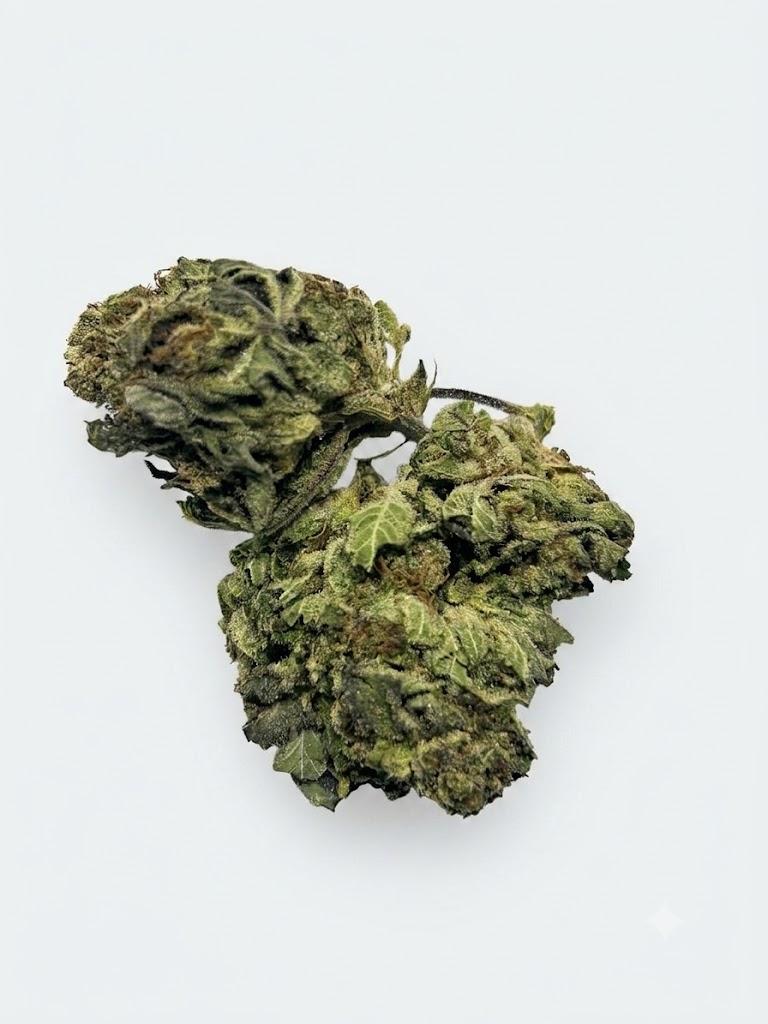
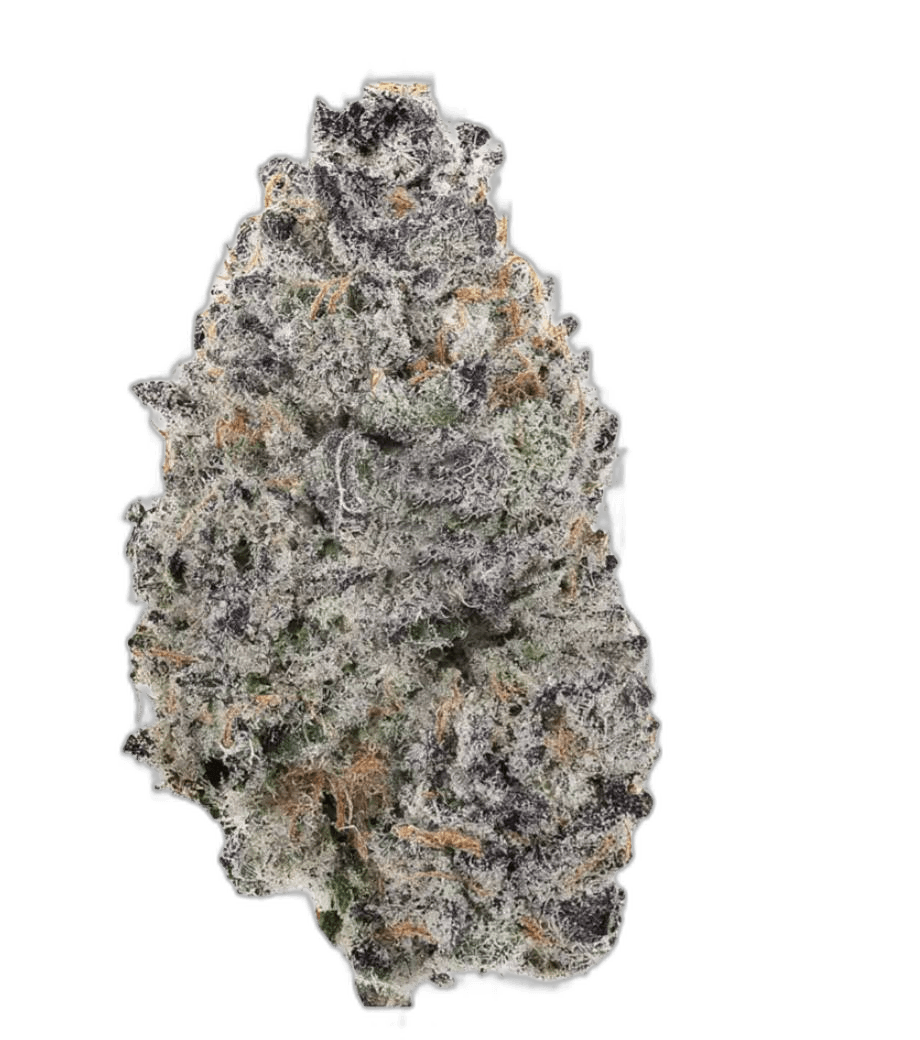
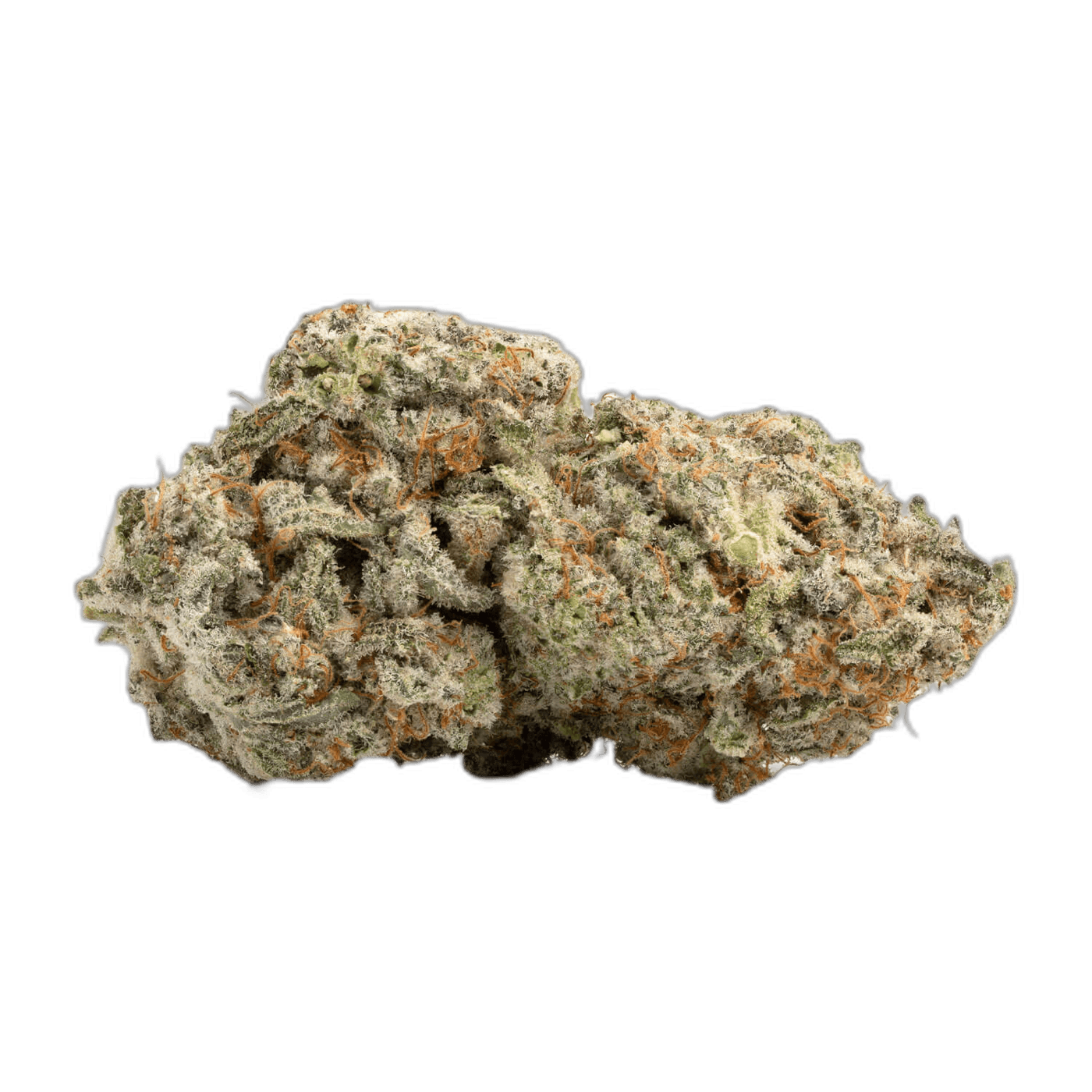
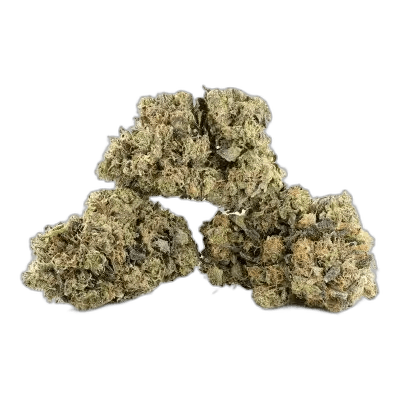
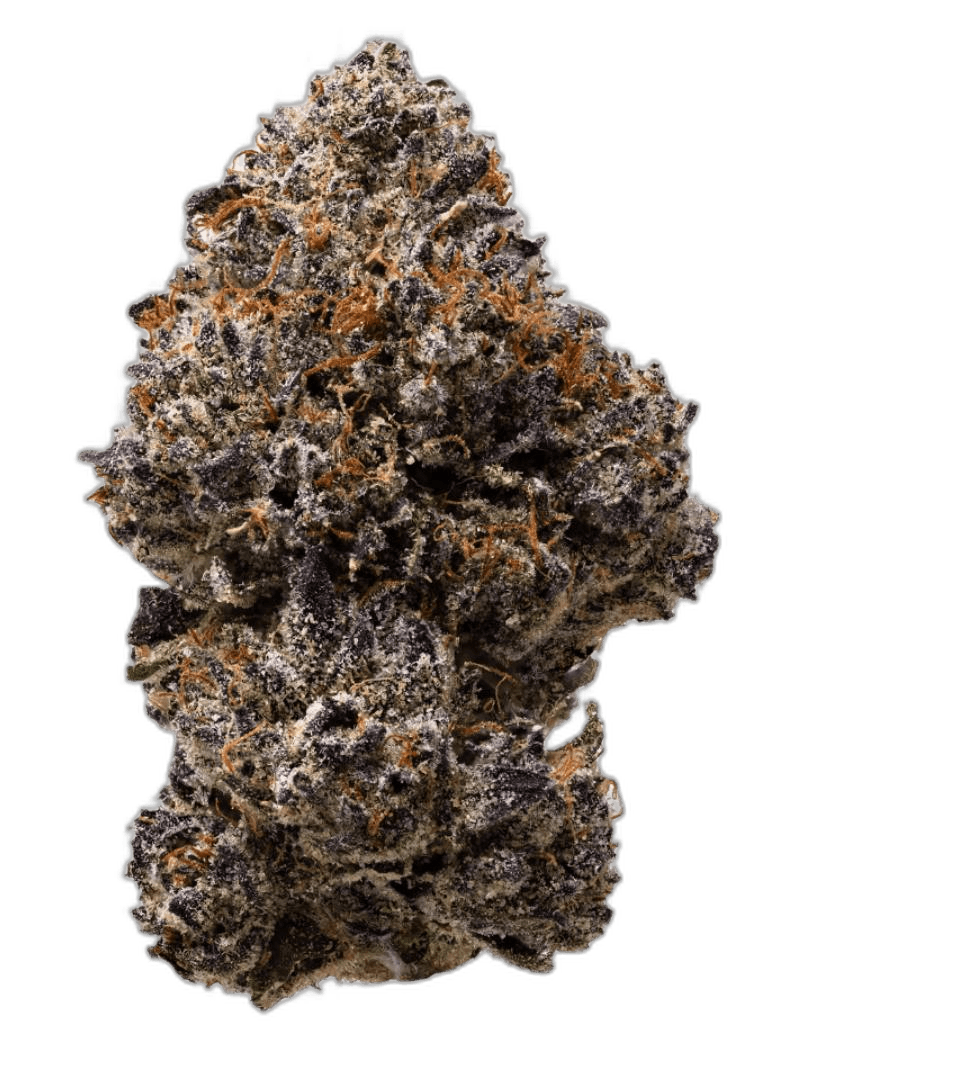
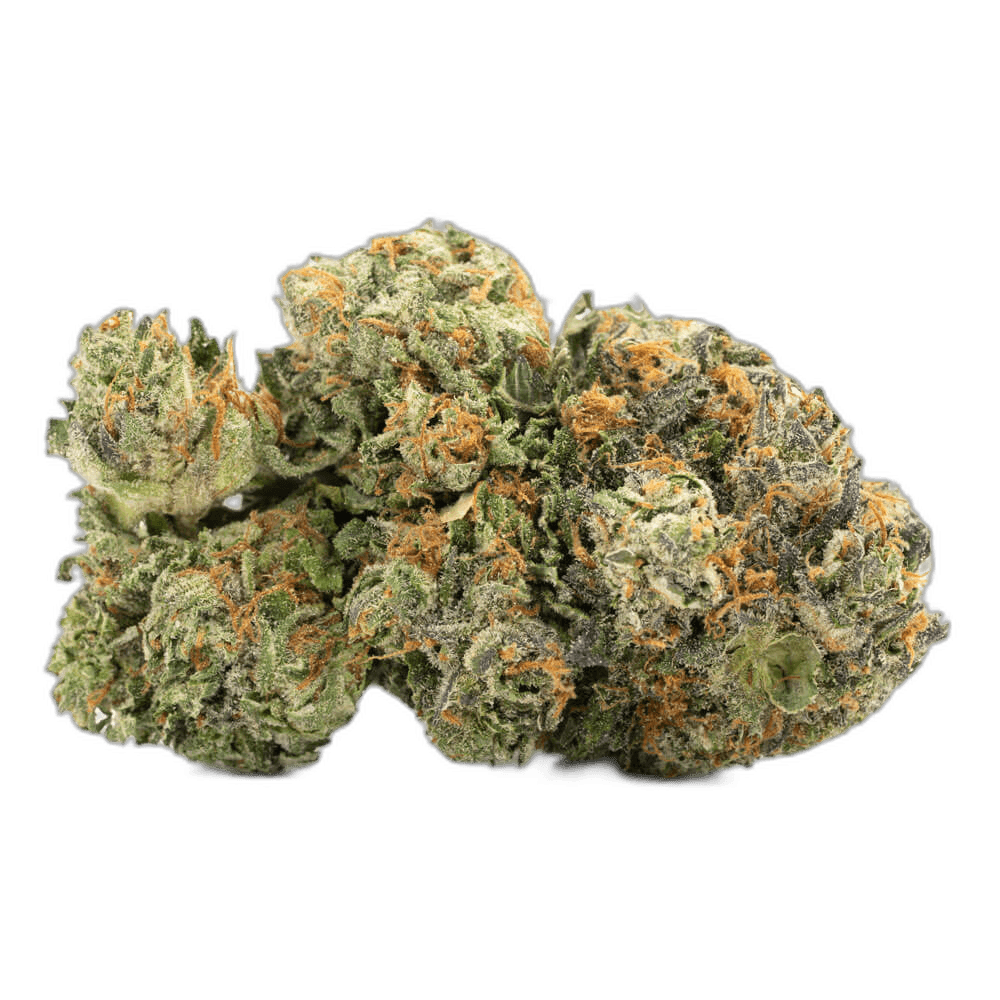
Afghani buds are usually dense and compact. Strainpedia describes tight, chunky flowers in dark green with rust-coloured pistils and a heavy layer of trichomes. Sensi Seeds says its Afghani #1 buds are covered in a thick layer of these resin glands, which hold more THC and CBD than any other part of the plant.
The aroma is earthy and sweet with a hash-like edge. Leafly calls the flavour sweet and earthy; its reviewers most often pick earthy, woody and pine. DNA Genetics adds spicy, herbal notes and a sweet, hash-like taste, and Sensi Seeds calls it resinous and very spicy. Sources disagree on terpenes: Leafly's lab data puts terpinolene first, then myrcene and pinene, while DNA Genetics lists myrcene, caryophyllene and pinene. Our cannabis terpenes guide explains what each one smells like.
Effects people report
Leafly says Afghani delivers deep relaxation and euphoria, and its reviewers most often report feeling sleepy, relaxed and hungry. The most common negatives they list are dry mouth, dry eyes and dizziness, and AllBud adds headaches.
These are reports, not predictions. Health Canada notes that everyone's response to cannabis differs and can vary from one time to the next, and lists anxiety, panic and paranoia among possible immediate effects. For medical questions, talk to a doctor or pharmacist.
How strong is Afghani?
AllBud lists 16% to 20% THC with CBD well under 1%, Strainpedia gives a similar estimate, and Leafly rates Afghani above average for THC. With so many seed lines carrying the name, go by the label on your batch. Potency can also vary from one batch to the next, and Health Canada advises starting low and going slow.
Similar strains
AllBud treats Afghan Kush as another name for Afghani; our Afghan Kush guide covers it. Sensi Seeds says its Hash Plant is based on a very sticky Afghan strain backcrossed with Northern Lights #1, which our Hash Plant review describes. Cherry OG carries Afghan genetics as well: Leafly lists Afghani as one of its parents. Leafly also lists Northern Lights among Afghani's offspring.
Buying Afghani
GasDank offers same-day delivery across Toronto and the GTA, usually within one to two hours, and mail order across Canada. In Toronto and Mississauga the minimum order is $40, with free delivery from $80 ($15 below that). Browse indica flower to see what is on the menu now; the menu carries lab-tested products.