What Terpenes Are
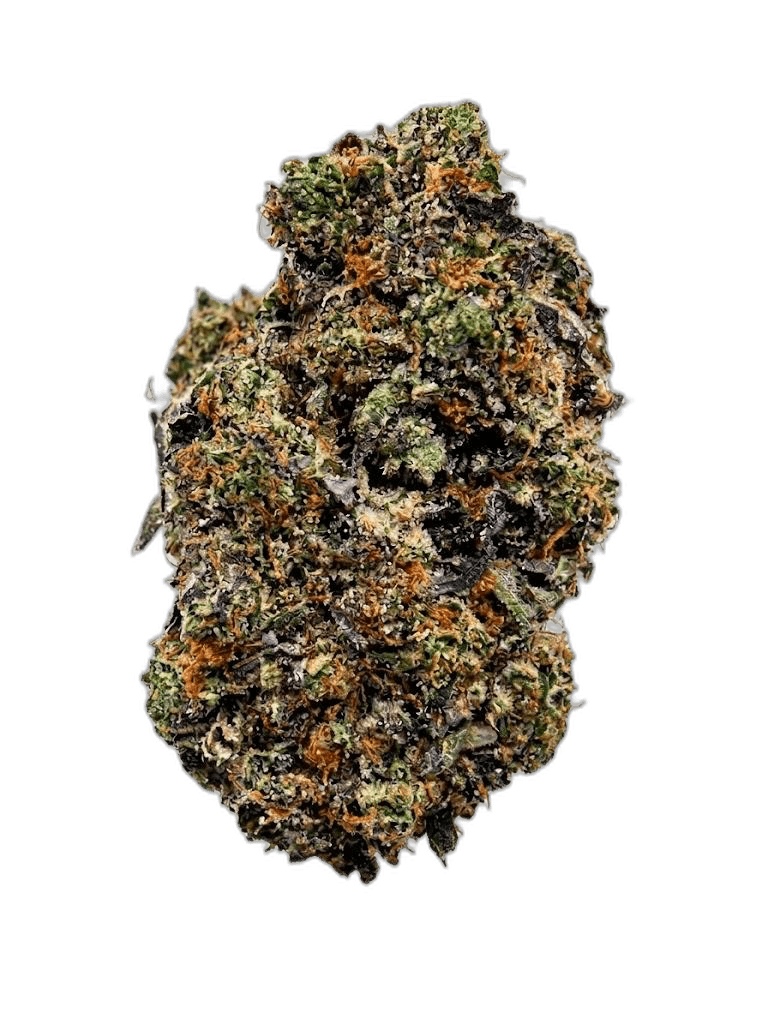
Terpenes are aromatic compounds produced by plants, and cannabis is especially rich in them. They are the reason one strain smells like fresh citrus while another smells like pine, diesel, or sweet berries. If a strain has a distinctive smell, and they all do, terpenes are behind it. They are produced in the same trichomes that hold the cannabinoids, sitting right alongside the THC and CBD.
These compounds are not unique to cannabis at all. The very same terpenes show up throughout the natural world, in citrus peels, pine needles, lavender, black pepper, hops, and countless herbs and flowers. That is exactly why weed can remind you of so many familiar scents, because it literally shares the aromatic building blocks with all of those everyday things.
For the plant, terpenes serve practical purposes like deterring pests and attracting helpful insects. For us, they are one of the most useful and interesting parts of cannabis. Beyond making each strain smell and taste the way it does, terpenes are widely believed to influence how a strain actually feels, which is what makes understanding them so valuable for choosing flower.
There are well over a hundred different terpenes identified in cannabis, though only a handful appear in large enough amounts to really define a strain. Those are the ones worth getting to know, because they are the ones doing most of the work on aroma, flavour, and character that you can actually notice in a session.
Terpenes Versus Cannabinoids
It helps to be clear on how terpenes differ from cannabinoids like THC and CBD. Cannabinoids are the compounds most directly responsible for the core effects of cannabis. THC drives the high and the potency, while CBD is non intoxicating and gets discussed for its more subtle character. They are the heavy hitters that determine how strong a strain is.
Terpenes, by contrast, are the aromatic compounds. On their own they are what you smell and taste, and they do not get you high the way THC does. But they are thought to shape and colour the experience that the cannabinoids produce, nudging it in one direction or another. Think of cannabinoids as the engine and terpenes as the steering and the flavour.
This is why two strains with similar THC levels can feel quite different. The cannabinoid content might be in the same ballpark, but the terpene profiles can be worlds apart, and many people believe that is a big part of why one strain relaxes you while another with the same THC keeps you bright and alert. The terpenes are doing a lot of the character work.
The Entourage Effect
The idea that terpenes and cannabinoids work together is often called the entourage effect. The theory is that the various compounds in cannabis do not act in isolation but instead interact with one another, so the combined effect of the whole plant is different from what any single compound would produce on its own. The whole is, in a sense, more than the sum of its parts.
Under this idea, terpenes help modulate and direct the effects of THC and the other cannabinoids. A relaxing terpene profile might steer a high toward calm and couch lock, while a bright, energetic profile might push it toward an uplifting, social feel, even at similar THC levels. It is a way of explaining why whole flower often feels more nuanced than isolated THC.
It is worth being honest that the entourage effect is still an area of ongoing research rather than fully settled science. Plenty of people, including many in the cannabis community, find it a compelling and useful way to think about strains, and it lines up well with real world experience. But it is best treated as a strong, widely held idea rather than a proven law.
In practical terms, the entourage effect is why a lot of experienced smokers prefer whole flower over products that isolate a single compound. They feel the full profile gives a richer, more rounded experience. Whether or not every detail is proven, it is a useful lens for understanding why strains with similar THC can feel so different from one another.
How Terpenes Shape Aroma and Flavour
The most obvious thing terpenes do is give cannabis its smell and taste. When you open a jar and get a wave of citrus, pine, fuel, berry, or spice, you are smelling the terpene profile of that strain. A loud, complex aroma usually points to a rich terpene content, which is one reason a strong smell is often a good sign of quality flower.
On the inhale, those same terpenes shape the flavour. The sweet, the sour, the gassy, the earthy, the floral notes you taste all come from terpenes, layered together in different proportions for each strain. How you consume it can shift the balance too, with a vaporizer often highlighting brighter, more delicate notes and combustion bringing out heavier, earthier ones.
Because terpenes are delicate, they are also a key reason proper handling matters so much. Heat, light, and time break terpenes down, which is why a fresh, well cured, properly stored batch smells and tastes so much better than old or mishandled flower. When people talk about flower being loud or flavourful, they are really praising its terpene content.
Reading the Main Aroma Families
It can help to group the smells you encounter into a few broad families, because that makes a jar easier to read at a glance. Earthy and musky aromas usually point toward myrcene and a relaxing, body heavy direction. These are the deep, dank scents that often signal a calming, evening type strain before you even break the bud apart.
Citrus and fruit aromas tend to mean limonene and other bright terpenes, and they generally line up with uplifting, cheerful, daytime energy. If a jar smells like lemon, orange, or sweet berries, there is a good chance the strain leans toward a lift in mood rather than a heavy sink into the couch, though the cannabinoids and other terpenes still matter.
Pine and woody aromas point toward pinene and related terpenes, often tied to a clearer, more alert headspace. Spicy and peppery notes suggest caryophyllene, with its grounding, comforting character. Floral, lavender like scents hint at linalool and a gentle, calming quality. Each family gives you a useful first guess about how a strain will feel.
None of these are hard rules, since real strains blend several families together, but they are a genuinely helpful starting framework. Once you can sort a smell into one of these broad groups, you are already most of the way to predicting the general direction of a strain, which is exactly the kind of practical skill that makes choosing flower easier.
Myrcene, the Relaxing Heavyweight
Myrcene is the most common terpene in cannabis and the one most associated with that classic, heavy, relaxing feel. It carries an earthy, musky, slightly fruity aroma, often compared to ripe mango or cloves. If a strain has that deep, dank, earthy scent that seems to promise relaxation before you even spark it, myrcene is very likely leading the profile.
Myrcene tends to dominate in the most sedating, body heavy strains, and it is the terpene people point to when explaining why certain indicas feel so physically heavy and couch friendly. For anyone who wants deep relaxation and help winding down at the end of the day, myrcene rich flower is a reliable thing to look for, and it underpins a huge number of classic calming strains.
It also appears in many hybrids in smaller amounts, where it adds a relaxing undertone without taking over. If you have ever noticed a strain that lifts you at first then settles you into the couch later, a healthy dose of myrcene in the profile is often part of why that shift happens the way it does.
Limonene, the Mood Lifter
Limonene is the bright, zesty citrus terpene, and its name says it all. It smells like fresh lemon, orange, and citrus peel, the same compound that makes those fruits so fragrant. When a jar hits you with a clean, sharp, mouthwatering citrus aroma, limonene is almost always why, and it is one of the most pleasant and recognizable scents in cannabis.
This terpene is widely linked to uplifting, mood boosting effects and a clear, positive headspace. Strains high in limonene often feel bright and energizing, which is why it shows up so frequently in cheerful daytime sativas and hybrids. If you want a strain to lift your mood and keep you upbeat and social, that zesty citrus smell is a great sign to follow.
Limonene is also one of the easiest terpenes for newcomers to recognize, since almost everyone knows the smell of fresh citrus. That makes it a great starting point for training your nose. Once you can reliably pick out the limonene in a jar, identifying the other major terpenes starts to feel a lot more approachable.
Caryophyllene, the Spicy One
Caryophyllene is the spicy, peppery terpene, with an aroma of black pepper, cloves, and warm spice, the same scent you get from a peppercorn. It adds a grounding, warming depth to a strain's profile that balances out sweeter or brighter notes, and it is responsible for the peppery kick you find in a lot of gassy, earthy strains.
What makes caryophyllene special is that it interacts with the body in a way most terpenes do not, which is part of why it is so often associated with calming, comforting, stress easing effects. It tends to appear in strains that feel grounding and relaxing without being purely sedating. If you enjoy a peppery edge and a soothing, settled feel, caryophyllene is one to seek out.
You will find caryophyllene in many gassy, diesel forward strains as well as in plenty of sweet and earthy ones, where its peppery bite cuts through and adds complexity. It pairs especially well with myrcene, and that combination shows up in a lot of relaxing evening strains that still have an interesting, layered flavour.
Pinene, Limonene's Clear Headed Cousin
Pinene smells exactly like it sounds, fresh pine trees and clean forest air. It is one of the most common terpenes in nature, found in pine needles, rosemary, and basil, and it gives certain strains a crisp, sharp, woodsy aroma. There are two forms, alpha and beta pinene, and both carry that unmistakable evergreen scent that feels clean and refreshing.
Pinene is often associated with alertness, clarity, and a clear headed feel, which is why it tends to show up in more energetic, focus friendly strains. Some people find it helps keep a high feeling sharp rather than foggy. If you want flower that smells like a walk through a pine forest and keeps your head reasonably clear, pinene is the terpene behind that character.
It frequently teams up with limonene in bright, uplifting strains, where the pine and citrus play off each other nicely. That pairing is common in daytime hybrids, and it is a good example of how two terpenes together can create a feel that neither would quite produce on its own, which is the entourage idea in everyday action.
Linalool, Terpinolene, and Humulene
A few other terpenes round out the ones you will run into most. Linalool is the floral, lavender terpene, bringing a soft, calming, slightly sweet aroma and a soothing character, much like the way lavender is associated with relaxation. A strongly floral strain often owes that gentle quality to linalool, and it tends to soften a strain's overall feel.
Terpinolene is more complex, blending floral, herbal, piney, and slightly citrusy notes into a fresh, zesty scent. It often appears in classic uplifting sativas and is generally tied to bright, energetic, heady effects. If a strain smells fresh and lively in a way that is hard to pin down but clearly energetic, terpinolene is frequently the terpene at work.
Humulene is the earthy, hoppy terpene that beer lovers recognize from hops. It lends a woody, earthy, subtly spicy character and often appears alongside caryophyllene, since the two share a similar structure. It is rarely the loudest note in the jar, but it anchors many profiles with a deep, grounded, earthy warmth that adds real balance to a strain.
Why Terpene Levels Vary So Much
One thing that surprises people is how much terpene content can vary, even within the same strain. Genetics set the broad profile, but the way a plant is grown, when it is harvested, and how it is dried and cured all have a huge impact on how much terpene survives into the final flower. Two batches of the same strain can smell noticeably different as a result.
This is why growing and curing skill matters so much for flavour and aroma. Terpenes are volatile and fragile, so a rushed, hot dry or careless handling strips them away, leaving flower that smells faint and tastes flat. A slow, careful cure preserves that loud, complex aroma and keeps the smoke smoother, which is a big part of what separates top shelf flower from mediocre bud.
For buyers, the practical lesson is to trust your nose on the batch in front of you rather than relying only on the strain name. A genuinely fragrant, loud smelling jar is a strong sign of healthy terpene content and quality, while a weak, faint smell often means the terpenes have faded, whether from poor curing, age, or bad storage along the way.
Using Your Nose to Pick Flower
The real payoff of understanding terpenes is that you can use your sense of smell as a tool. Once you know the main aromas and the feelings they tend to line up with, a quick sniff of a jar tells you a lot. An earthy, musky smell points toward myrcene and relaxation, bright citrus toward limonene and an uplifting mood, sharp pine toward pinene and a clearer head.
It also helps to remember that terpenes work as a team rather than alone. Most strains feature several layered together, and that combination, along with the cannabinoids, shapes the whole experience. So while one dominant terpene gives you a strong clue, the full profile matters, which is the heart of the entourage effect idea applied to everyday choosing.
The more you pay attention to aroma, the better you get at predicting how a strain will feel. Over time you build a kind of personal map between smells and effects, and you start reaching for the right jar almost instinctively. It turns shopping for flower from guesswork into something far more reliable and genuinely enjoyable.
It is a skill that rewards a little practice. Each time you try a new strain, take a moment to really smell it first and note what stands out, then see how the session lines up with that aroma. After a few rounds of this, your nose becomes one of the most useful tools you have for choosing flower you will actually like.
Talking Terpenes With a Budtender
Knowing terpene language makes talking to a good budtender far more productive. Instead of only asking for an indica or a sativa, you can ask for something myrcene heavy for sleep, limonene rich for a daytime lift, or peppery and grounding if you like caryophyllene. That precision helps a budtender point you toward flower that actually matches what you want.
A knowledgeable budtender lives in this world and can often tell you how a current batch is smelling and hitting, which is information you cannot get from a label alone. They can steer you toward the loudest, freshest jars and away from anything that has faded, and they can suggest strains with profiles similar to ones you have enjoyed before.
This is exactly the kind of help that makes a real difference to your sessions. The combination of your own growing nose for terpenes and a budtender who knows the stock means you end up with flower suited to your taste and the effect you are after far more often. It is one of the underrated perks of buying from people who actually know their product.
Get Terpene Rich Flower Delivered in Toronto
Now that you understand how terpenes shape everything from aroma to effect, it helps to have fresh, fragrant flower to put that knowledge to use. GasDank delivers terpene rich bud same day across Toronto and the GTA, covering downtown, Scarborough, North York, Etobicoke, Mississauga, Brampton, Vaughan, Markham, and more, usually within one to two hours, so you can pick a profile that fits your mood and have it fast.
Ordering is easy. The minimum starts at $40, and delivery is free once you pass $80. Pay with cash on delivery or send an Interac e-Transfer, whichever suits you, and first time customers just need valid ID showing you are 19 or older. After that, exploring new terpene profiles is quick and painless, citrus and energy one week, earthy relaxation the next.
If you are outside our delivery zone, we also ship Canada wide by mail order, so distance is no barrier to finding flower with the aromas and effects you want. However your bud arrives, it comes fresh and properly stored to keep those delicate terpenes intact. Browse our menu, trust your nose, and let the terpenes lead the way.