Same-day weed delivery · 1 to 2 hours across the GTAFree delivery over $80 in core areasCash or Interac e-Transfer19+ ID verifiedCustomer service 8AM to 2AM ESTCanada-wide mail order · free shipping over $150Same-day weed delivery · 1 to 2 hours across the GTAFree delivery over $80 in core areasCash or Interac e-Transfer19+ ID verifiedCustomer service 8AM to 2AM ESTCanada-wide mail order · free shipping over $150
GasDank
Delivery

Best CBD Oil for Pain Relief: A Practical Buying Guide

By GasDank Team

Best CBD Oil for Pain Relief: How to Choose Well

What CBD Oil Actually Is

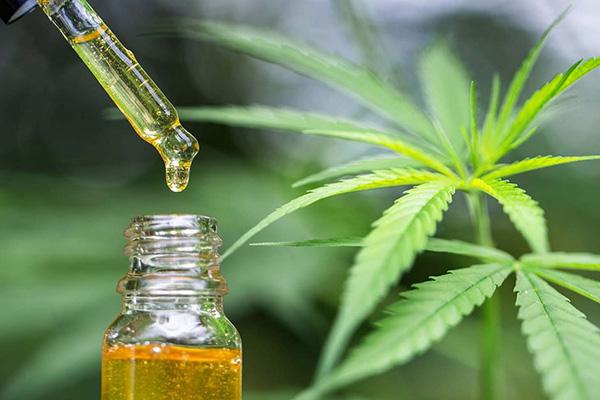
CBD oil is a cannabis extract that has been blended into a carrier oil so you can take it by mouth, usually as drops under the tongue. The active ingredient is CBD, short for cannabidiol, one of the main compounds in the cannabis plant. The important thing to understand right away is that CBD is non intoxicating. It does not produce the high that THC does, so it will not make you feel stoned.

That single fact is why CBD has become so popular with people who want some of the qualities of cannabis without the buzz. You can take it during the day, before work, or whenever, without worrying about feeling impaired. It is a very different experience from smoking a high THC strain, and it appeals to a much wider group of people, including plenty who would never get high.

We want to be clear and honest throughout this guide. We are not going to tell you CBD cures or treats anything, because that would not be accurate or responsible. What we can tell you is how people commonly use it, what makes one oil better than another, and how to choose and dose a quality product. The wellness claims you may have seen elsewhere are often overblown, so we will keep it grounded.

CBD oil is also one of the more flexible ways to take CBD, which is part of why it is so popular. You can adjust your dose drop by drop, take it under the tongue for faster absorption, or add it to food. That control, combined with the non intoxicating nature of CBD, makes it an easy product for people to experiment with and fit into their own routine at their own pace.

Why People Reach for CBD Oil

People use CBD oil for a lot of general wellness reasons. Many take it as part of a recovery routine after exercise, or simply to feel more relaxed and settled. Others like it as a daily supplement the way they might take any other wellness product, valuing the calm, balanced feeling they associate with it. It has become a regular part of a lot of people's routines.

Because it is non intoxicating, CBD fits into daily life easily. You can take a few drops in the morning and carry on with your day, or use it in the evening to unwind. That flexibility is a big part of the appeal. It does not lock you into a couch or cloud your head, so people weave it into their schedule without it getting in the way.

It is worth setting realistic expectations. CBD is not a miracle and it does not work like a strong painkiller or a sedative. People who use it tend to describe a subtle, gradual sense of relaxation and balance rather than a dramatic effect. If you go in expecting something gentle and cumulative rather than instant and powerful, you are far more likely to be satisfied with it.

Consistency tends to matter more than dose size with CBD. Many people who feel they get something out of it take it daily for a while rather than reaching for it only now and then. Like a lot of wellness habits, the effect seems to be about steady use over time, so building it into a routine usually gives a clearer sense of whether it works for you than a single try.

A Quick, Honest Word on CBD and Pain

Let us be straightforward here, since this is what brought you to the page. A lot of people use CBD as part of how they manage everyday aches, soreness, and recovery, and many feel it helps them relax and feel more comfortable. That is a common reason people buy it. What we cannot and will not do is claim CBD treats or cures any medical condition. The research is still developing, individual responses vary a great deal, and we are not doctors. If you are dealing with significant or ongoing pain, the responsible move is to talk to a healthcare professional rather than relying on a wellness product alone.

With that honest framing in place, the rest of this guide focuses on what we can actually help with, which is choosing a quality CBD oil and using it sensibly. If you decide CBD fits into your routine, knowing how to pick a good one and how to dose it makes all the difference between a product that does something for you and one that does not.

Full Spectrum, Broad Spectrum, and Isolate

This is the first real choice when buying CBD oil, and it matters. Full spectrum means the oil contains the full range of compounds from the cannabis plant, including a trace amount of THC, plus other cannabinoids and terpenes. The idea is that these compounds work together, often called the entourage effect, which many people feel makes full spectrum oils more effective overall.

Broad spectrum is similar but with the THC removed, so you still get the other cannabinoids and terpenes working together, just without any THC at all. This is a popular middle ground for people who want the whole plant benefit but prefer to avoid THC entirely, whether for personal preference, drug testing concerns, or simple peace of mind about staying completely clear headed.

Isolate is pure CBD with everything else stripped out. It contains no THC and no other compounds, just CBD. It is the most basic form and is fine if you specifically want only CBD and nothing else, but many people find full or broad spectrum more satisfying because of that entourage effect. For most people seeking the fuller experience, spectrum products are the better pick.

The Single Most Important Thing: Third Party Testing

If you remember one buying tip from this entire guide, make it this. A quality CBD oil comes with third party lab testing, where an independent lab verifies what is actually in the bottle. This confirms the CBD content is what the label says and checks for contaminants. Reputable brands make these results available, and a brand that hides or skips testing is a brand to avoid.

Why does this matter so much? Because the CBD market has a real problem with mislabelled products. Studies over the years have found plenty of CBD oils that contained far less CBD than claimed, or in some cases more THC than expected. Without independent testing, you genuinely have no way to know whether you are getting what you paid for. The lab report is your proof.

When you shop, look for brands that clearly reference third party testing and can show their results. This is the clearest signal that a company takes quality seriously. It protects you from wasting money on a weak or inaccurate product, and it protects you from contaminants. No matter how nice the packaging is, skip any CBD oil that cannot back up its claims with testing.

A test report, often called a certificate of analysis, will typically confirm the CBD content, the THC content, and screen for things like pesticides, heavy metals, and residual solvents. You do not need to be a chemist to use it. The main thing is that an independent lab checked the product and the numbers line up with the label. That alone separates serious brands from the rest.

Reading the Label and Doing the Math

CBD oil labels can be confusing on purpose, so learn to read them. The key number is the total CBD content of the bottle, usually given in milligrams, for example 1000 mg or 1500 mg. From the total and the bottle size, you can work out the strength per millilitre and per drop, which is what tells you how much CBD you are actually taking in each dose.

Watch out for a common trick. Some products advertise a big number on the front that refers to total hemp oil or total extract, not the actual CBD content. Those are not the same thing. You want the CBD amount specifically. If a bottle is vague about how much CBD it contains, or only lists hemp oil, treat that as a red flag and look for something clearer.

Once you know the milligrams per drop or per dropper, dosing becomes simple math. A higher total CBD number in the same size bottle means a stronger oil, so you need fewer drops for the same dose. Stronger oils often cost more per bottle but can be better value per milligram of CBD, so compare on price per milligram rather than just the sticker price.

If the label only gives you the total and the bottle size, you can still work out the strength yourself. Divide the total CBD by the number of millilitres to get the CBD per millilitre, and most droppers hold about one millilitre when full. That quick bit of math tells you roughly how much CBD is in a full dropper, which is all most people need to dose sensibly.

Carrier Oils and Ingredients

CBD is mixed into a carrier oil so your body can absorb it, and the quality of that carrier matters. Common ones include MCT oil, which comes from coconut and is popular for good absorption, as well as hemp seed oil and olive oil. A clean, simple carrier with good absorption is what you want, and MCT is a reliable, widely used choice.

Check the full ingredient list while you are at it. The best CBD oils keep it simple, just the CBD extract, a quality carrier oil, and maybe a natural flavour. Be a little cautious with products packed with artificial flavours, sweeteners, or a long list of additives you do not recognize. Simpler is usually better, and fewer ingredients means fewer things that can irritate you.

Flavour is a matter of preference. Natural, unflavoured CBD oil has an earthy, slightly grassy taste that some people do not love, which is why flavoured versions like mint or citrus exist. There is nothing wrong with a flavoured oil if it uses natural flavouring and helps you actually take it consistently. The best oil is one you will keep using, so pick a taste you can live with.

How to Take CBD Oil Properly

The standard way to take CBD oil is sublingually, which simply means under the tongue. You place your dose under your tongue, hold it there for 30 to 60 seconds before swallowing, and let it absorb through the tissue in your mouth. This method gets the CBD into your system faster and more efficiently than just swallowing it straight down, so it is worth doing properly.

If you swallow CBD oil immediately, it has to go through your digestive system, which is slower and means less of it actually makes it into your bloodstream. Holding it under your tongue first lets a good portion absorb directly. The taste during those 30 to 60 seconds is the main reason people choose flavoured oils, but the technique is the same either way.

You can also add CBD oil to food or drinks if you really dislike taking it directly, though you lose some of the efficiency of the sublingual method. For most people, the under the tongue approach is the best balance of effectiveness and convenience. Take it consistently, ideally at the same time each day, since CBD tends to work best as a steady routine rather than a one off.

Finding Your Dose

There is no universal CBD dose, because it depends on your body, the strength of the oil, and what you are using it for. The smart approach is to start low and go slow. Begin with a small dose, give it time, and increase gradually over days or weeks until you find the amount that feels right for you. Rushing to a high dose is unnecessary and wasteful.

A common starting point is a low dose once or twice a day, then adjusting from there based on how you feel. Because CBD is non intoxicating, you do not have to worry about getting too high the way you would with THC, but more is not automatically better. Many people find a moderate, consistent dose works better for them than constantly piling on more.

Give any dose a fair trial before changing it. CBD often works gradually, so taking it consistently for a couple of weeks gives you a clearer picture than judging it after a single dose. Keep a simple note of how much you take and how you feel if you want to dial it in properly. Once you find your amount, sticking to a routine tends to give the most reliable results.

Resist the temptation to jump straight to a big dose because you want to feel something fast. With CBD, piling on more does not necessarily do more, and you can waste a lot of product chasing an effect that a moderate, steady dose would give you anyway. Slow and consistent is genuinely the more effective and economical approach for most people.

What Separates a Good Brand From a Bad One

Since this topic is about choosing well, here is what actually separates the good brands from the rest. Transparency is number one. Good brands tell you exactly how much CBD is in the product, what kind of extract it is, and they back it with third party lab results you can actually see. Vague labelling and missing test data are the clearest warning signs to walk away.

Sourcing and quality come next. Better brands are clear about where their hemp comes from and how the extract is made, and they use clean carrier oils and simple ingredient lists. A company that is proud of its process tends to talk about it openly. One that stays silent on sourcing, testing, and CBD content is usually hoping you will not ask the obvious questions.

Reputation and honesty matter too. The best brands set realistic expectations and do not make wild medical claims, because making big promises about curing things is both irresponsible and often illegal. Be wary of any company that talks like its oil is a miracle cure. A trustworthy brand sells you a quality product and lets you decide how it fits into your routine.

Red Flags to Watch Out For

Some warning signs should send you looking elsewhere. The biggest is the absence of third party testing, since without it you cannot verify what is in the bottle. Close behind is vague labelling, especially products that advertise total hemp oil instead of actual CBD content, which is a classic way to make a weak product look strong on the front of the bottle.

Be deeply skeptical of bold medical claims. Any brand promising that its oil cures, treats, or eliminates a specific condition is overstepping what the evidence supports and what they are allowed to say. Real, reputable companies are careful with their language. Over the top promises are a sign of a brand more interested in marketing than in selling you something that actually works.

Suspiciously cheap prices can also be a red flag, since quality extraction and proper testing cost money. If an oil is far cheaper than everything comparable, ask why. It might contain very little CBD, a poor quality extract, or skip testing entirely. You do not need the most expensive oil on the shelf, but rock bottom pricing on CBD usually means corners were cut somewhere.

Is CBD Oil Safe?

CBD is generally considered well tolerated by most people, and because it is non intoxicating, you cannot get high from it no matter how much you take. That said, some people do notice mild effects like tiredness, dry mouth, or a change in appetite, especially at higher doses. These are usually minor, but they are worth being aware of so nothing catches you off guard.

One genuinely important point is that CBD can interact with certain medications. If you take prescription drugs, particularly anything where your doctor has warned you about grapefruit, it is wise to check with a healthcare professional before adding CBD, since it can affect how some medications are processed. This is not us being dramatic, it is a real and sensible precaution worth taking seriously.

Beyond that, sticking to tested products from transparent brands is the best way to keep CBD use safe, because you know what you are actually taking. Avoid untested, mystery oils. Start with a low dose, see how your body responds, and increase slowly. Used sensibly and sourced carefully, CBD oil is a low risk product for most healthy adults to add to a routine.

CBD Oil Versus Other CBD Products

CBD oil is the most flexible CBD format, but it is not the only one. Capsules offer the same CBD in a pre measured pill, which some people prefer because there is no taste and no measuring drops, just swallow and go. The tradeoff is that capsules go through digestion, so they tend to take longer to kick in than oil held under the tongue.

CBD gummies and other edibles are another popular option, tasty and easy, though again they go through the digestive system. Topicals like creams and balms are made to be rubbed onto a specific area of the body rather than taken internally, and a lot of people who are focused on a particular sore spot like using a topical alongside or instead of an oil.

Oil sits in a nice middle ground. It is more flexible than a fixed dose capsule, since you can adjust drops easily, and it absorbs faster than swallowed products when taken under the tongue. If you want control over your dose and a relatively quick onset, oil is a strong default choice. Plenty of people end up using a couple of formats for different situations.

Storing Your CBD Oil

CBD oil keeps well when you store it right. The main things to protect it from are heat, light, and air, the same enemies as most cannabis products. Keep the bottle tightly capped and store it somewhere cool and dark, like a cupboard or a drawer away from windows and heat sources. That keeps the CBD and the carrier oil fresh for as long as possible.

Avoid leaving it in hot places like a sunny windowsill or a hot car, since heat and light can degrade the CBD over time and shorten the oil's shelf life. Most CBD oils come in dark glass bottles specifically to help block light, which is a small sign of a brand that cares about preserving its product. Keep it upright and sealed between uses.

Stored properly, a bottle of CBD oil generally stays good for a year or more, though it is always worth checking any best before date on the label. If the oil ever smells or tastes noticeably off, or the texture changes, it is time to replace it. Good storage protects both the potency you paid for and the taste, so your routine stays consistent.

A Sensible Way to Start With CBD

If you are new to CBD oil and want a sensible plan, here it is. Pick a tested oil from a transparent brand, choose a full spectrum or broad spectrum extract if you want the fuller effect, and go for a moderate strength so you have room to adjust. Start with a low dose under the tongue once or twice a day and hold it there before swallowing.

Give it a fair trial of a couple of weeks at a steady dose before deciding whether it does anything for you, since CBD tends to build up its effect gradually rather than hitting all at once. Keep your expectations realistic, a gentle sense of relaxation and balance rather than a dramatic change, and increase slowly only if you feel you need to.

Pay attention to how your own body responds, because individual reactions vary so much. Some people settle on a low dose and stay there, others work up to more. There is no single right answer, only the amount that suits you. Approached this way, with a quality product and a bit of patience, CBD oil is an easy and low risk thing to try.

Order CBD Oil in Toronto

GasDank carries quality CBD oil and other CBD products, and we deliver same day across Toronto and the GTA. That covers downtown, Scarborough, North York, Etobicoke, Mississauga, Brampton, Vaughan, Markham, and beyond. Most orders arrive within one to two hours, so if you have decided to add CBD to your routine, you can have a bottle in hand the same day rather than waiting on a shipment.

Ordering is straightforward. The minimum starts at $40, and delivery is free once your order passes $80. Pay with cash on delivery or send an Interac e-Transfer, whichever is easier for you. First time customers just need valid ID showing you are 19 or older. After that, reordering your CBD oil or trying a different strength or format takes only a minute whenever you run low.

If you live outside our delivery zone, we also ship CBD products across the rest of Canada by mail order, so you can get quality, tested CBD no matter where you are. Whether it arrives by driver in a couple of hours or by mail across the country, you get products from brands that stand behind their quality. Browse our CBD menu, pick an oil, and we will take care of the rest.

Best CBD Oil for Pain Relief: How to Choose Well, FAQ

Q.Does CBD oil get you high?

No. CBD is non intoxicating, so it does not produce the high that THC does. You can take it during the day without feeling impaired. That non intoxicating quality is a big reason it appeals to people who want some qualities of cannabis without the buzz.

Q.What should I look for when choosing CBD oil?

Look for a clear CBD amount per bottle and per drop, third party lab testing, a clean carrier oil like MCT, and a full or broad spectrum extract if you want the whole plant effect. Avoid vague labels, missing test results, and bold medical claims.

Q.How do I take CBD oil for the best effect?

Take it under the tongue and hold it there for 30 to 60 seconds before swallowing, which absorbs better than swallowing straight down. Start with a low dose once or twice a day, take it consistently, and adjust gradually over a couple of weeks.

Q.Is full spectrum or isolate CBD oil better?

Many people prefer full or broad spectrum because the range of plant compounds works together, often called the entourage effect. Isolate is pure CBD with nothing else, which is fine if you want only CBD. Broad spectrum is a popular middle ground with no THC.

Q.Can I get CBD oil delivered in Toronto?

Yes. GasDank delivers CBD oil and other CBD products same day across Toronto and the GTA, usually within one to two hours, and ships Canada wide by mail order. The minimum starts at $40, free over $80, cash or Interac e-Transfer, 19 and up.

Related