What cannabis distillate is
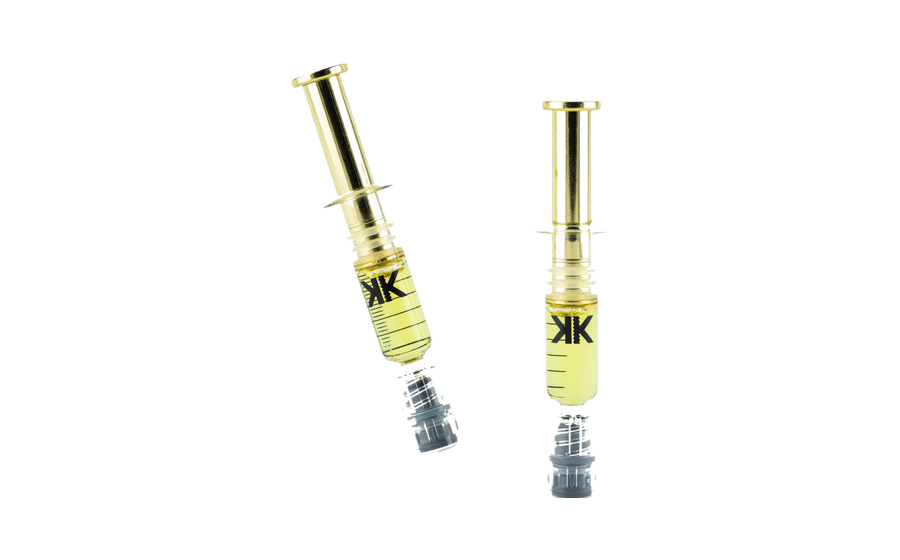
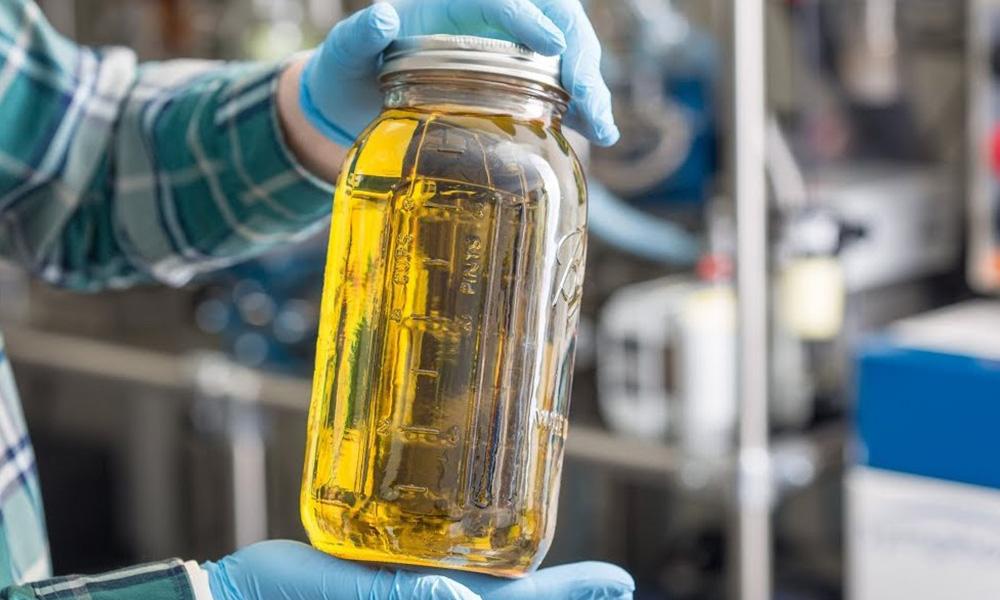
Distillate is a cannabis extract refined until it is mostly a single cannabinoid, usually THC. Technology Networks describes it as a highly purified product, often a golden liquid, that is commonly vaporized in vape devices. The Canadian Centre on Substance Use and Addiction (CCSA) puts high-THC vape cartridges and disposable pens at 70 to 95% THC.
Two things set distillate apart. Its THC is already in the neutral, decarboxylated form: a 2019 study in ACS Omega notes that vacuum distillation yields purified neutral cannabinoids. And distillation separates out most of the terpenes, the compounds Health Canada says give cannabis its distinctive smell, so distillate loses much of the plant's aroma and taste until terpenes are added back.
How distillate is made
Methods vary between producers, but published processes follow the same broad steps:
- Extraction. A solvent pulls the cannabinoids out of the plant. A 2022 review in Frontiers in Natural Products names ethanol as the most widely used, with butane, propane, hexane and CO2 among the others. The ACS Omega paper notes that solvents such as butane and CO2 pull out an oil that also carries terpenes, waxes and fatty acids.
- Winterization. A filtering step removes waxes and fats (Technology Networks). The Frontiers review notes ethanol extracts may need it too, since ethanol dissolves some plant lipids.
- Decarboxylation. Heat converts THCA, the acid form the plant makes, into THC. Technology Networks gives about 104°C for this step.
- Vacuum distillation. Short-path or wiped-film equipment heats the oil under low pressure. Leftover solvent evaporates first, taking terpenes with it, and the cannabinoids are collected separately at roughly 160 to 180°C (Technology Networks).
- Terpenes added back. The ACS Omega paper notes that distillates are often blended with 5 to 15% terpenes. A 2021 study in RSC Advances describes these blends as cannabis-derived, botanical or synthetic, and says that besides adding flavour they thin the oil, which ACS Omega explains cartridges need because they rely on wicking.
Distillate vs live resin vs full-spectrum oil
The difference is how much of the original plant survives processing. Our cannabis terpenes guide covers the aroma compounds involved.
- Distillate: refined toward one cannabinoid, with flavour from added terpenes. In one patented process described in the Frontiers review, the oil held 50 to 90% cannabinoids and up to 20% terpenes before distillation and 80 to 99.99% cannabinoids after it.
- Live resin: extracted the same way as wax, but from plants frozen immediately after harvest, which CCSA says gives it a more intense and complex smell and taste; CCSA lists live resin concentrates at 40 to 50% THC. See what live resin is.
- Full-spectrum oil: aims to keep the plant's major and minor cannabinoids and its terpene profile rather than isolating one compound, as a 2025 study of full-spectrum oil production in Pharmaceutics describes.
- Butane hash oil: the opposite of distillate in one respect. RSC Advances notes it is made without high heat, contains mostly cannabinoid acids, is solid and is typically dabbed rather than vaped. Our honey oil guide covers it.
What a distillate pen is
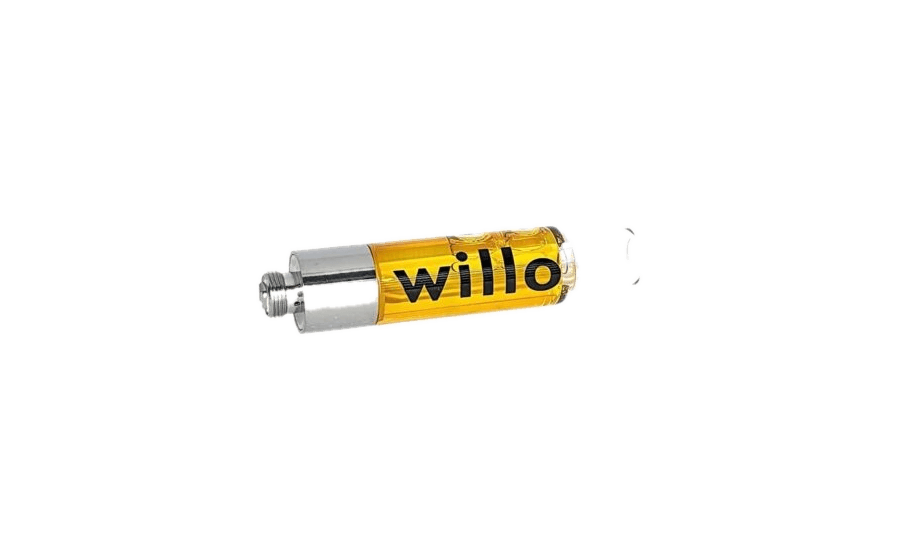
A distillate pen is a small battery-powered vaporizer for distillate. The RSC Advances study describes these oil pens as a single-use or refillable cartridge, holding 0.3 to 1.0 g of oil, attached to a fixed- or variable-voltage battery, and Health Canada lists the parts of any vaping accessory as a battery, a mouthpiece, a heating element and a chamber or cartridge.
That gives two formats: a cartridge on a battery you keep, covered in our 510 cartridge guide, or a disposable with oil and battery sealed in one unit, covered in the disposable vape pen guide. A dab pen is a different tool: Health Canada notes it melts solid and semi-solid extracts rather than oil.
Risks to weigh before buying
Distillate is a high-THC product. Canada's Lower-Risk Cannabis Use Guidelines note that concentrates contain extremely high THC levels and advise choosing lower-THC products, and Health Canada suggests that new or occasional users avoid extracts. Health Canada also says cannabis vaping aerosol has been shown to contain harmful substances and that heavy metals may leach into the extract and be inhaled, although vaping is less harmful to the lungs than smoking.
The 2019 outbreak of vaping lung injuries in the United States, which caused thousands of hospitalizations and dozens of deaths, was associated with vitamin E acetate, an unregulated cutting agent used in illegal THC vaping products, according to Health Canada. Canada had a small number of cases and no deaths reported. Health Canada's advice is not to use vaping products of unknown content or origin, even from someone you know.
How to choose a distillate pen
Check these before you buy:
- Total THC. Health Canada's label guide says the front of the package must show it; given by weight, 850 mg/g means 85%. That is far above the 100 mg/g (10%) Health Canada suggests as a starting point for smoking or vaping.
- Ingredients. Cannabis extracts must list ingredients, heaviest first. Canada's rules allow only carrier substances, flavouring agents and substances needed for quality or stability, and ban vitamins, including vitamin E acetate (Health Canada). Distillate plus terpenes is the list to expect. RSC Advances reports black-market pens containing additives such as MCT oil, triethyl citrate and phytol.
- Terpene source. Labels may say cannabis-derived or botanical terpenes; RSC Advances notes both, along with synthetic terpenes, are used in commercial blends.
- CBD content. The Lower-Risk Cannabis Use Guidelines suggest products with a higher CBD-to-THC ratio. CBD is not intoxicating and may reduce some effects of THC, though it does have an effect on the brain (Health Canada).
- Lab results and hardware. Ask for the lot's certificate of analysis, which Health Canada calls the most accurate estimate of its cannabinoid content, and look for a device certified to a safety standard such as ANSI/CAN/UL 8139, which Health Canada recommends.
How to use a distillate pen
With oil this strong, a few habits matter:
- Take one short puff, then wait. CCSA suggests five minutes before another, and Health Canada says inhaled effects come on within seconds to minutes and can take up to 30 minutes to peak.
- Use the lowest power setting your battery has: in the RSC Advances study, more power meant more harmful by-products in the vapour, and the authors advise running these devices at the lowest setting possible.
- Don't drive for at least 6 hours after using cannabis, as the Lower-Risk Cannabis Use Guidelines advise.
- For medical questions, including interactions with medication, ask a doctor or pharmacist.
Buying distillate pens
GasDank offers same-day delivery across Toronto and the GTA, usually within one to two hours, and mail order across Canada. Hours are 8 AM to 2 AM Sunday to Wednesday and 8 AM to 3 AM Thursday to Saturday. Customers must be 19 or older (21 in Quebec), with ID checked at the door. The menu carries lab-tested products; browse cartridges and pens.