What Honey Oil Actually Is
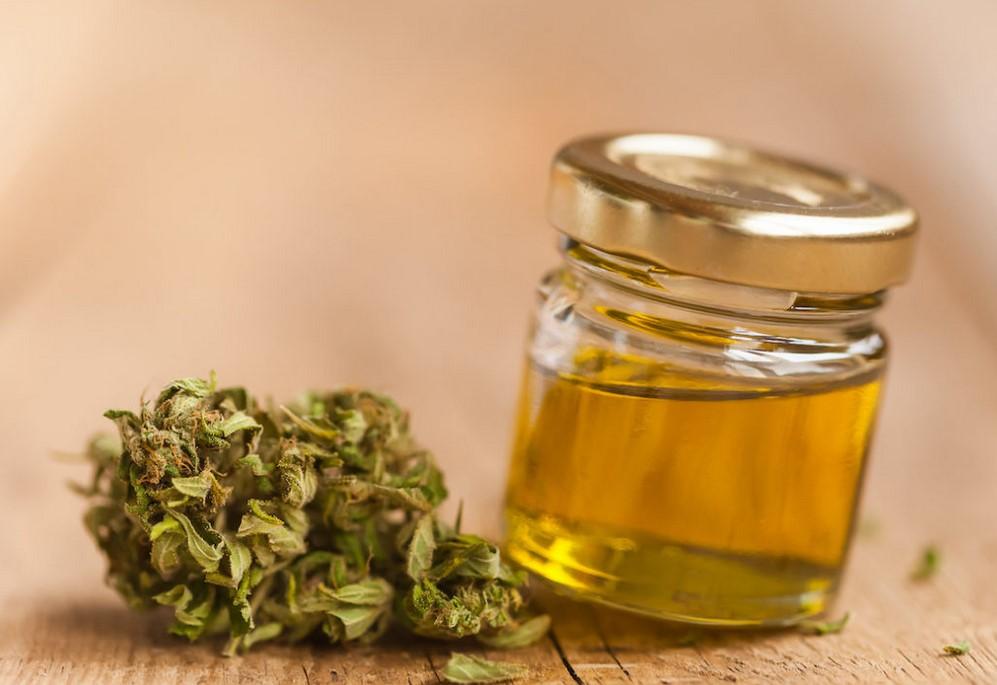
Honey oil is one of the older names for a cannabis concentrate, and it earned the name the obvious way. The finished product is a thick, sticky, golden liquid that looks a lot like runny honey. It is a concentrated form of cannabis, meaning the good stuff, the cannabinoids and terpenes, has been pulled out of the plant and packed into a far more potent product than raw flower.
Concentrates like honey oil exist because flower can only get you so far in terms of potency and convenience. By extracting and concentrating the resin, you end up with a product that is dramatically stronger by weight and easier to use in formats like vape cartridges and dabs. Honey oil specifically refers to the gooey, oily texture, as opposed to harder concentrates like shatter or crumblier ones like wax.
It is worth saying up front that honey oil is potent, often much higher in THC than flower. That is the whole appeal for experienced users, but it also means newcomers should treat it with respect. This is not a starter product for someone who has only had a couple of edibles. It is concentrated cannabis, and it hits accordingly.
It is also helpful to think of honey oil as one member of a larger concentrate family rather than a single fixed thing. The exact texture and colour can vary from batch to batch and producer to producer, but the defining idea is constant. You are getting the essence of the cannabis plant, its cannabinoids and aromatic terpenes, concentrated into a small, potent, golden package. That concentration is both the appeal and the reason to handle it with a bit more care than ordinary flower.
Where the Name Comes From
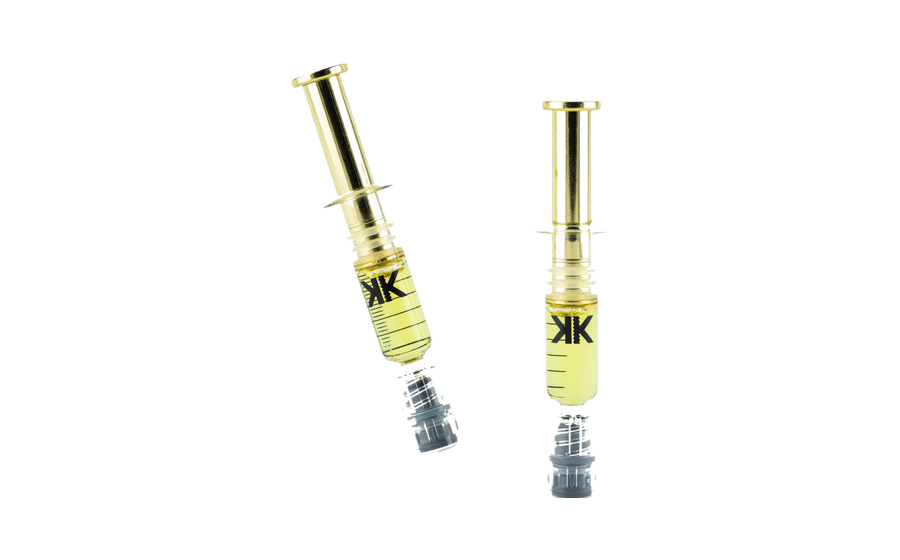
The name honey oil is pure description. Good quality oil ranges from pale gold to a deep amber, and at room temperature it tends to be thick and viscous, oozing slowly the way real honey does. Hold a jar of it up to the light and the resemblance is obvious, which is exactly how the name stuck decades ago.
It is one of several old school terms for cannabis oil that predate the more technical language used today. You might also hear it called hash oil or, in some circles, just oil. These names overlap and get used loosely, but honey oil specifically conjures that golden, syrupy image that longtime smokers recognize instantly.
The colour itself can tell you a little about the product. Lighter, clearer gold oils are often associated with cleaner extraction and good starting material, while darker, murkier oils may come from lower quality input or less refined processing. Colour is not the only quality marker, but the honey comparison is not just poetic. It reflects what good oil actually looks like.
How Honey Oil Is Made: The Basics
At its core, making honey oil means using a solvent to strip the resin off the cannabis plant, then removing that solvent to leave behind a concentrated oil. The solvent dissolves the cannabinoids and terpenes, separating them from the plant material. Once you filter out the plant matter, you are left with a solution of solvent plus all the good compounds.
The next critical step is purging, which means carefully removing the solvent from that solution, usually with gentle heat and sometimes vacuum, until only the oil remains. This step is what separates a safe, quality product from a dangerous one. Properly purged honey oil should have almost no residual solvent left in it, which is something regulated, lab tested products are checked for.
Different solvents and methods produce slightly different results in colour, texture, and flavour, but the basic principle is always the same. Dissolve the goodness off the plant, then drive off the solvent. Done right, you get clean, potent, golden oil. Done wrong, you get a product that is either weak, contaminated, or genuinely unsafe, which is exactly why this is not a good DIY project.
Solvent Based Versus Solventless
Honey oil traditionally refers to solvent based extraction, where something like a hydrocarbon or alcohol is used to pull the resin. These methods are efficient and can produce very high yields of potent oil, which is why they became popular. The catch is that they require proper equipment and expertise to purge the solvent safely.
There is also a whole category of solventless concentrates, like rosin, which use heat and pressure rather than chemicals to squeeze the resin out. These are not honey oil in the strict sense, but they aim for a similar result, a concentrated, potent product, without any solvent involved. Many people prefer solventless options precisely because there is no chemical to purge.
For the average consumer, the practical point is to buy from a reputable, regulated source regardless of method. Lab tested products from licensed producers are checked for residual solvents and contaminants. That testing is the real safety net. Whether the oil is solvent based or solventless matters less than whether someone competent made it and verified it is clean.
Why You Should Never Make It at Home
This deserves its own section because people genuinely get hurt. Solvent based extraction, especially with flammable hydrocarbons, is dangerous to attempt at home. The solvents involved are highly flammable, and the vapours can ignite from something as small as a spark, a pilot light, or static electricity. Amateur extraction has caused serious fires, explosions, and severe injuries.
Beyond the explosion risk, homemade oil is almost always poorly purged, meaning it can contain leftover solvent that you then inhale. That is bad for you and completely defeats the point. Without proper equipment and lab testing, you have no way to know how much solvent is left in your product, which is a gamble with your health.
The bottom line could not be simpler. Leave extraction to licensed professionals with proper equipment, ventilation, and lab verification. The finished product is widely available from regulated sources, so there is no good reason to risk your safety. Buying clean, tested honey oil is cheaper than a hospital visit and infinitely safer. This is one corner you absolutely should not cut.
How Strong Is Honey Oil
Honey oil is potent, plain and simple. Where good flower might sit somewhere in the high teens to mid twenties for THC percentage, concentrates like honey oil are dramatically higher, often well above what flower can reach. That concentration is the entire reason people use it, but it also means the margin for going overboard is much smaller.
What this means in practice is that a tiny amount delivers a strong effect. A dab the size of a crumb, or a few pulls from a quality cart, can be plenty, especially for anyone who is not a daily heavy user. The same person who happily smokes a joint might find a big dab of honey oil far more intense than they expected.
We are not going to throw around fake lab numbers, since potency varies by product and you should always check the actual test results on what you buy. The honest guidance is this. Assume honey oil is much stronger than flower, start small, and scale up slowly. Respecting the potency is the difference between a great experience and an uncomfortable one.
A Short History of Cannabis Oil
Honey oil is not a new invention, even if concentrates feel very modern right now. Cannabis oils and hashes have existed for a very long time, and the gooey golden oil people called honey oil has been around for decades, well before vape carts and dab rigs became common. It was a way to make a stronger, more portable product back when options were limited and everything was made underground.
In those earlier days, oil was often produced with crude methods and minimal safety, which is part of why it earned a slightly dangerous reputation. There were no labs checking for residual solvents, no standardized processes, and a lot of trial and error. The product could be excellent or could be sketchy, with no easy way for a buyer to tell the difference.
What has changed dramatically is the professionalism around extraction. Today, in regulated markets, concentrates are made with proper equipment and verified by lab testing, which has transformed honey oil from a risky homemade curiosity into a clean, consistent, high quality product. The name is old, but the modern version is far safer and better than what people were making in basements years ago.
Ways to Use Honey Oil
There are a few main ways people enjoy honey oil. Dabbing is the classic method, where a small amount is vaporized on a heated surface and the vapour inhaled through a dab rig. It is fast, potent, and flavourful, but it requires some gear and a bit of a learning curve, so it is more of an experienced user format.
Vape cartridges are the most convenient option for a lot of people. Honey oil, sometimes formulated for the purpose, is loaded into a cart that screws onto a battery, and you just inhale. It is discreet, portable, and easy, which is why carts have become so popular. The potency is still high, so go easy even though it feels casual.
You can also add honey oil to flower, for example by drizzling a little onto a packed bowl or working it into a joint, sometimes called twaxing. This boosts the potency of a regular smoke and adds flavour. However you use it, the same rule applies. Start with a small amount, because honey oil is far stronger than the flower most people are used to.
Dosing Honey Oil Without Overdoing It
Because honey oil is so much stronger than flower, dosing it well is the most important skill for enjoying it. The golden rule is to start absurdly small, smaller than you think you need, and work up only if you genuinely want more. A dab the size of a grain of rice, or a single short pull from a cart, is plenty for many people, especially anyone who is not a daily heavy user.
The reason caution matters so much is timing and intensity. The effects of inhaled concentrate come on quickly and can be far more intense than the same person is used to from flower. It is very easy to take a confident dab on the assumption that it will feel like a big puff of weed, only to find yourself far more lifted than planned. There is no undo button, so erring small is always the wise move.
If you do go too far, the discomfort is temporary and not dangerous, but it is genuinely unpleasant, think racing heart, anxiety, dizziness, and a strong urge to lie down. The way to avoid it is simple. Take a small amount, wait a solid few minutes to feel the full effect, and only then decide whether to add more. Patience costs you nothing and saves you from the kind of overwhelming experience that sours people on concentrates entirely.
Storing Honey Oil Properly
Like most concentrates, honey oil keeps best when protected from heat, light, and air, all of which degrade it over time. Heat is especially troublesome because it makes the oil runnier and harder to handle, and prolonged heat can break down the cannabinoids and terpenes that make it worth having.
The standard approach is to store it in an airtight container, often a small silicone or glass jar, kept somewhere cool and dark. A drawer or cupboard away from windows and appliances works well. Some people refrigerate concentrates for long term storage, though that can make them stiff and tricky to scoop until they warm up a bit.
Handling is easier when the oil is at a sensible temperature. Too warm and it is a sticky mess, too cold and it is rock hard. Room temperature or slightly cool is usually the sweet spot for working with it. Treat your honey oil well and it will keep its potency and flavour far longer than if you leave it baking on a sunny shelf.
Honey Oil Versus Shatter, Wax, and Rosin
The concentrate aisle is full of names, and they mostly describe texture and method rather than completely different things. Honey oil is the gooey, golden, oily one. Shatter is harder and glassy, snapping like brittle candy. Wax and budder are softer and creamier, somewhere between the two. They can all start from similar extraction and just end up with different consistencies.
Rosin stands a little apart because it is solventless, made with heat and pressure instead of chemicals, but in the jar it can look quite similar to honey oil, sometimes thick and golden. Many people seek out rosin specifically because no solvent was involved, while others prefer the texture or price of solvent based oils.
For most users, the choice comes down to how you want to use it and what is available. Carts often use oil, dabbers might prefer the texture of wax or the purity of rosin, and so on. They are all potent concentrates, all much stronger than flower, and all best bought from a tested, regulated source. Pick the format that fits your setup and your preference.
Common Mistakes With Honey Oil
The biggest mistake by far is treating honey oil like flower. People who are comfortable smoking a joint sometimes take a big dab on the same logic and end up far more lifted than they bargained for. Honey oil is in a different potency league, so dose it like the concentrate it is, with small amounts and patience.
Another common error is buying from sketchy, untested sources to save a few dollars. With concentrates, that is a real risk, because you have no way to know about residual solvents or contaminants. The whole safety case for honey oil rests on it being made and tested properly, so cheaping out on a dodgy source undermines the one thing that keeps it safe.
Finally, people overheat it, both in storage and in use. Letting carts and jars sit in a hot car or sunny window degrades the product, and cranking a dab rig too hot scorches the oil, wasting it and producing a harsh, less flavourful vapour. Keep it cool, use moderate heat, and you will get far more enjoyment out of every gram.
Is Honey Oil Right for You
Honey oil is best suited to experienced users who already know their tolerance and want a stronger, more efficient, often more flavourful experience than flower offers. If you are a regular smoker looking to step up in potency or convenience, especially through a vape cart, honey oil can be a great fit.
It is not the right starting point for newcomers. If you are new to cannabis or only occasionally indulge, flower or low dose edibles are a much friendlier place to begin. Honey oil potency can easily overwhelm someone without much tolerance, and there is no rush to jump into concentrates before you are ready.
If you do decide to try it, ease in carefully. Use a tiny amount, wait to feel the effect, and only add more if you genuinely want it. Buy from a regulated, tested source, store it properly, and respect the strength. Approached that way, honey oil is a potent, enjoyable, and surprisingly versatile part of the cannabis world, just one that rewards a little caution and know how.
If you are brand new to concentrates and want to try honey oil, a vape cart is honestly the gentlest entry point. There is no rig to heat, no torch, and no guesswork about temperature, you just take a small pull and wait. Start with a single short draw, give it several minutes to register, and only go back for more once you genuinely know how that first hit landed. That patience is the whole secret to enjoying concentrates without overdoing it.
Reading a Honey Oil Label
When you buy honey oil from a regulated source, the packaging carries useful information, and learning to read it makes you a smarter shopper. The most obvious figure is the THC content, which tells you just how potent the product is. With concentrates this number is high, so use it as a guide for how cautiously to dose, especially if you are not a daily user.
Many products also list terpene information or at least name the strain or profile the oil came from, which gives you a sense of the flavour and character you can expect. Some oils are prized as much for their rich terpene content and taste as for sheer potency, so this is worth paying attention to if flavour matters to you. A well made oil can be remarkably aromatic.
Most importantly, regulated products are tested for residual solvents and contaminants, and that testing is the whole safety foundation of buying oil rather than making it. When you choose a reputable, tested product, you are paying for the assurance that competent people made it correctly and verified it is clean. That peace of mind is worth far more than the few dollars you might save on an untested mystery product.
All of that said, do not let the cautions scare you off if you are an experienced user. Honey oil is genuinely one of the more rewarding ways to enjoy cannabis once you respect its strength. The flavour from a well made oil can be outstanding, the efficiency means a little goes a long way, and formats like carts make it about as convenient as cannabis gets. Treat it with the same common sense you would bring to anything potent, buy it tested and store it well, and it earns its place in the lineup.