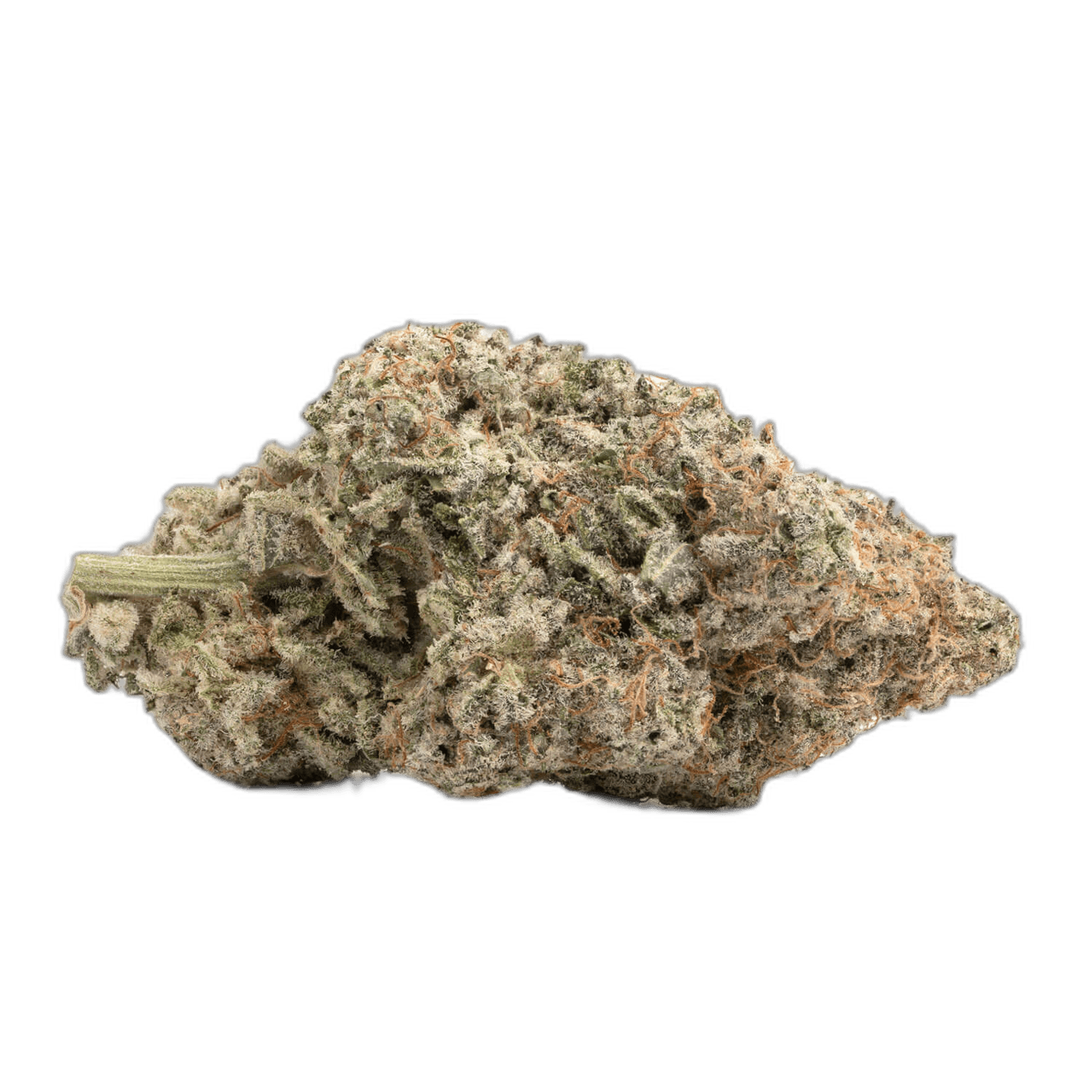

What People Actually Mean by Licensed Cannabis
The word licensed gets used loosely in cannabis marketing, so it helps to pin down what it really means in Canada. At the federal level, cannabis is cultivated and processed by companies that hold licences issued under national rules. Those licences cover how the plant is grown, tested, and packaged. At the provincial level, the actual selling to customers is handled through an authorized retail framework. So when someone says a product is licensed, they are usually pointing at this two part system of federal production and provincial sale.
This structure exists for a few practical reasons that matter to you as a buyer. It is meant to keep products tested and traceable, to standardize how things are labelled, and to give consumers a baseline of consistency. The idea is that you should be able to know what you are buying and where it came from. For an everyday shopper, the takeaway is simple. Licensing is a signal that a product has moved through a regulated path rather than appearing out of nowhere.
It also helps to know what licensing does not promise. A licence is not a guarantee that every gram is the best you will ever smoke, and it is not a quality ranking between brands. Plenty of variation in freshness and grade exists within the legal system, just as it does anywhere. Licensing is about the framework around the product, not a personal taste rating. Knowing that keeps your expectations realistic and your shopping smarter.
How Cannabis Is Grown and Brought to Market
Before flower reaches any shelf, it goes through a long chain of steps. It starts with cultivation, where the plant is grown either indoors, in a greenhouse, or outdoors depending on the operation. After harvest comes drying and curing, which is where a lot of the final quality is decided. Rushed curing produces harsh, hay like flower, while patient curing brings out aroma and smoothness. Then there is trimming, testing, and packaging before anything is ready to sell.
Each of those steps adds time and handling. The more hands and warehouses a product passes through, the longer it can sit before it reaches you. That is the core reason freshness varies so much across the market even among perfectly legitimate products. A bag that was cured well but then stored for many months will not smoke like one that moved quickly from cure to customer. Understanding this chain helps you ask better questions about what you are buying.
Pricing is shaped by this chain too. Every step, every test, and every layer of distribution adds cost somewhere along the line. That is part of why the same broad category of flower can range so widely in price. None of this is sinister. It is just the reality of moving a perishable agricultural product through a regulated system. When you see a price, you are seeing the sum of growing, processing, handling, and selling, not just the plant itself.
What Farm Direct Usually Means
Farm direct is a phrase you will see more and more, and it generally points at flower that comes more directly from the people who grew it, with fewer middle steps in between. The appeal is intuitive. Fewer hands and shorter storage often mean fresher flower with more of its smell and stickiness intact. When a grower has a closer line to the customer, there is less time for product to sit in a warehouse losing its best qualities. That freshness is the main draw.
It is worth being precise, though, because farm direct is a marketing description rather than a strict legal category on its own. Different sellers use it to mean slightly different things. For some it signals a tight relationship with a specific cultivator. For others it is more of a vibe than a verified supply chain. That does not make it meaningless, but it does mean you should treat the phrase as a starting question rather than a finished answer about quality or sourcing.
The practical value of farm direct, when it is real, shows up in the bag. You tend to notice it as flower that smells louder, feels stickier, and burns cleaner because it has not aged on a shelf for months. Whether a given seller actually delivers that is something you confirm by buying a little and judging the product, not by trusting the label alone. Use the term to prompt your questions, then let the flower itself settle the matter.
Why Provenance Matters for Freshness and Flavour
Provenance is just a fancy word for where something came from and how it got to you, and in cannabis it matters more than most people expect. Flower is perishable. Its terpenes, the compounds that carry smell and a big part of the experience, fade over time and with poor storage. So the path a product takes, and how long it spent in transit and on shelves, directly affects what you actually get to enjoy when you open the bag at home.
This is why two products with similar descriptions can feel completely different. One may have been handled carefully and moved quickly, keeping its aroma loud and its effect full. The other may have sat too long in the wrong conditions, leaving it dry and flat even though the original genetics were identical. Provenance explains that gap. The story of how flower reached you is not trivia, it is a real predictor of quality in your hands.
For a buyer, the lesson is to care about freshness signals as much as strain names. Ask how recent the batch is when you can. Pay attention to smell and stickiness when it arrives. A seller who can speak credibly about where their flower comes from and how fresh it is tends to be a seller worth keeping. Provenance is not about snobbery. It is about getting the experience you actually paid for instead of a faded version of it.
How to Verify a Seller Before You Buy
Verifying a seller does not require any special tools. Start with transparency. A trustworthy operation is clear about what it sells, how it prices, how delivery works, and how to reach a human if something goes wrong. When those basics are stated openly and consistently, you are dealing with a business that expects you to check on it. When you have to dig for every detail, that opacity is itself a warning worth heeding.
Next, look at consistency over time. Read recent customer feedback rather than old praise, and watch for patterns rather than single comments. A seller whose quality, pricing, and communication stay steady across many orders has earned a measure of trust. One whose experience swings wildly from week to week is harder to rely on, no matter how good the best day looked. Consistency is the closest thing to a guarantee you will find in this market.
Finally, test the relationship cheaply. Send a question and see how they answer. Place a small first order and judge what actually arrives against what was promised. Did the strain match? Was it fresh? Did it come on time and packaged with care? Those simple checks tell you more than any slogan. If the answers are good, you can scale up. If not, you have spent very little to learn what you needed to know.
Indoor, Greenhouse, and Outdoor Flower
Growers use different environments, and each leaves its mark on the final flower. Indoor cultivation gives the most control over light, temperature, and humidity, and it often produces dense, frosty buds with strong aroma. That control comes at a higher cost, which is part of why indoor flower usually sits at the premium end. If you care most about appearance and a loud terpene profile, indoor is frequently where you will find it.
Greenhouse growing blends natural sunlight with some environmental control. It can produce excellent flower at a more moderate cost, splitting the difference between full indoor and open outdoor methods. Many strong value options come from greenhouse operations, and the quality can be very good when the grower knows what they are doing. It is a sensible middle ground that does not automatically mean a compromise on the experience you get.
Outdoor flower is grown in natural conditions and is usually the most affordable to produce. It can still be very enjoyable, though it tends to vary more with the season and the grower. None of these methods is simply better than the others. They serve different priorities and price points. Knowing which environment a flower came from helps you set the right expectations before you buy, rather than being surprised by density, look, or smell.
Reading Labels and Product Information
Labels carry more useful information than most shoppers actually use. Beyond the strain name, you can often find the type, the broad potency, and sometimes packaging or batch information. Learning to read these details turns a label from decoration into a decision tool. The more a seller tells you on the label, the easier it is to compare options honestly and pick the one that fits what you are after that day.
Pay attention to how potency is framed. A single big THC number is only part of the picture, and a seller who leans entirely on it is selling a headline. The more informative listings mention aroma, effect, or terpene notes alongside the number, because those are what actually shape the experience. When you compare products, weight that richer information over the raw percentage, especially once you know which effects you tend to prefer.
Storage cues matter too. Flower kept properly stays fresher, so a seller who packages in a way that protects aroma and prevents crushing is showing care. When your order arrives, the label and packaging together should make it obvious what you have and how to keep it well. If the information is thin or the packaging is careless, treat that as a small but real signal about how the whole operation is run.
Common Myths About Licensing and Sourcing
One common myth is that a higher price always means a more legitimate or better product. Price reflects many things, including grow method, handling, and branding, but it is not a reliability score by itself. Plenty of fairly priced flower is excellent, and plenty of expensive flower is just expensive. Judge by what shows up in the bag and by the seller's track record, not by the assumption that costlier automatically means better or more trustworthy.
Another myth is that any single label or buzzword settles the question of quality. Terms like premium, top shelf, or farm direct describe an intention or a category, not a guarantee. They are useful as starting points for your own questions, but they are not proof. The only real proof is freshness and consistency that you verify yourself across a few orders. Treat marketing language as a prompt, never as the final word.
A third myth is that you cannot tell anything until you have already spent a lot. In reality, a small first order tells you most of what you need to know. Freshness, accuracy, packaging, and timing all reveal themselves on a modest purchase. You do not have to gamble big to learn whether a seller is solid. The smart play is always to test cheaply first, then commit once a seller has shown you they are worth it.
Testing and What It Does and Does Not Tell You
Testing is one of the pillars of the regulated system, and it is worth understanding what it actually covers. In broad terms, testing in the legal framework checks products for safety and confirms basic contents before they reach customers. That is a real benefit, because it means a baseline of screening has happened rather than nothing at all. For a buyer, this is part of the peace of mind that comes with products that moved through a proper path.
What testing does not do is rank flavour or guarantee how a strain will feel for you personally. Two products can both pass and still smoke very differently, because curing, freshness, and storage all happen after any lab work is done. So while testing supports safety and consistency, it is not a substitute for your own judgement about aroma, stickiness, and effect. Think of it as a floor, not a ceiling, for what you are getting.
The practical takeaway is to value testing for what it is while still trusting your senses. A product that moved through a regulated path has a baseline behind it, which is genuinely worth something. But once it is in your hands, freshness and quality are still yours to judge. Combining the assurance of a regulated path with your own checks on the actual flower gives you the best of both worlds.
How Delivery Fits Into the Picture
Delivery has become a normal way to buy cannabis, and it changes how provenance and freshness reach you. With delivery, the last leg of the journey is short and direct, which can actually help freshness compared to product that lingers on a shelf. A well run delivery service moves flower from storage to your door quickly, giving terpenes less time to fade. That speed is part of why many buyers prefer it.
Of course, delivery only helps if the service behind it is organized. A service that quotes a window and hits it, packages flower to prevent crushing, and labels everything clearly is protecting the quality you paid for. One that is chaotic about timing or careless with packaging can undo the freshness advantage. So when you judge a delivery seller, the logistics are part of the product, not a separate concern you can ignore.
Treat delivery the same way you treat any sourcing question. Ask how it works, confirm they serve your area, and test it with a small order before relying on it. If the flower arrives fresh, on time, and exactly as described, the delivery model is working in your favour. That combination of a short final leg and a careful operation is often where freshness and convenience meet most cleanly.
Questions Worth Asking Any Seller
A few simple questions can quickly tell you whether a seller is solid. Ask how fresh the current batch is, or how recently it arrived. A seller who can speak to that openly is paying attention to the thing that matters most for your experience. One who deflects or has no idea is telling you that freshness is not a priority for them, which is useful to know before you spend.
Ask about the basics of how things work, too. What is the minimum, how does delivery work, what payment is accepted, and how do you reach someone if there is a problem? Clear, quick answers signal a business that has its act together and expects you to check. Vague or shifting answers are a quiet warning. The way a seller handles simple questions usually mirrors how they will handle your actual order.
Finally, ask yourself a question after the order arrives. Did reality match the promises? If the strain, freshness, weight, and timing all lined up with what you were told, you have found a seller worth returning to. If they did not, you have learned that cheaply and can move on. Asking good questions before and after an order is the simplest, most reliable habit a cannabis buyer can build.
Putting It All Together as a Buyer
When you step back, the whole picture is simpler than the jargon suggests. Licensed cannabis moves through a regulated path of federal production and provincial sale, which gives you a baseline of testing and traceability. Farm direct, when it is genuine, is about freshness from a shorter path between grower and customer. Both ideas point at the same thing you actually care about, which is getting fresh, accurate, honest product without surprises.
Your job as a buyer is to turn those concepts into a few habits. Care about freshness signals, not just strain names. Read labels for real information rather than headlines. Verify sellers through transparency, consistency, and a small first order before you commit. None of this is complicated once you do it a couple of times, and it quickly pays you back in better bags and less wasted money over the long run.
Above all, let the product and the track record be the judge. Marketing language and category labels are useful conversation starters, but they never replace what actually arrives at your door. A seller who is open, consistent, and able to back up their claims with fresh flower is the one to keep. Everything in this guide is really just a way of helping you find that seller faster and trust them with confidence.
Where GasDank Fits In
GasDank is a same day cannabis delivery option for Toronto and the GTA, and it is the kind of seller you can run through everything in this guide. The menu spans flower, edibles, vapes, and concentrates across a range of price points, with details laid out so you can compare options and judge freshness for yourself. The delivery terms are stated plainly up front, which is exactly the transparency this guide tells you to look for.
The specifics are easy to verify before you order. There is a $40 minimum, free delivery over your area's threshold, and payment by cash or Interac e-Transfer, with service for adults 19 and over. Clear, checkable terms like these let you do the full cost math in advance and place a small first order with confidence, rather than guessing about how things work until something goes wrong.
Whether you choose GasDank or another seller, apply the same standards either way. Look for openness, consistency, and flower that actually arrives fresh and matches its description. Use a small first order to confirm the claims before you commit to more. A good seller will hold up under that scrutiny without any trouble, and the habit of checking will serve you well no matter where you end up buying.