Quick answer: what actually determines your high
Walk into any conversation about cannabis and within thirty seconds someone will say it: “Indica gets you stoned and sleepy, sativa gets you up and going, and hybrids are somewhere in the middle.” It’s the first thing most people learn, it’s printed on menus and packaging across Canada, and it’s the language nearly everyone uses when they order. It’s also, according to the researchers who have actually sequenced the plant’s genome and measured what’s inside it, mostly a myth — or at least a very leaky rule of thumb.
That doesn’t mean the words are useless. It means you should understand what they really tell you (and what they don’t), so you stop ordering by folklore and start ordering by the things that genuinely shape your experience. This is a long guide because we wanted to cover everything: the history, the science, the chemistry, the practical buying advice, and the questions people actually ask. Grab a coffee. By the end you’ll be able to read a cannabis product like a pro.
If you only remember one section, make it this one. The character and intensity of a cannabis experience is driven mainly by:
Notice what isn’t on that list as a primary driver: the word “indica” or “sativa” printed on the jar. Those words correlate loosely with some of the factors above, but they are downstream of the real chemistry — not the cause of it. Let’s unpack why.
Want to skip the theory and just order well? Every product in the GasDank shop lists its type and details so you can apply what’s below. Same-day delivery across the GTA in 1–2 hours.
- Cannabinoids — especially the ratio and amount of THC (the intoxicating compound) and CBD (non-intoxicating, tends to soften THC’s edge). This is the single biggest lever on how strong and how “heady” versus “mellow” a product feels.
- Terpenes — the aromatic compounds that give cannabis its smell and flavour, and which many researchers believe nudge the texture of the effect (relaxed, clear, giggly, couch-locked).
- Dose and format — how much you take and how you take it. A “sativa” edible at 20 mg will flatten most people; a couple of puffs of a “heavy indica” flower is gentle. Format changes onset and duration dramatically.
- You — your tolerance, body chemistry, mindset, setting, and whether you’ve eaten. The same product can feel different on different days.
Where the indica / sativa idea came from
The split is centuries old and rooted in botany, not pharmacology. In 1753, Carl Linnaeus classified the cannabis he knew in Europe as Cannabis sativa. Decades later, in 1785, the naturalist Jean-Baptiste Lamarck described a different-looking plant from India as Cannabis indica, noting its shorter, bushier form and broader leaves compared with the tall, narrow-leafed European hemp.
Crucially, those early naturalists were describing how the plants looked and where they grew — plant morphology and geography — not how they made people feel. “Sativa” plants were the tall, thin-leafed types associated with equatorial regions; “indica” plants were the short, broad-leafed types associated with the Hindu Kush region of Central Asia. That’s the entire original basis of the distinction. The idea that indica = sedating and sativa = energizing came much later, popularized through cannabis culture and the commercial market in the late twentieth century.
Here’s the problem: almost every cannabis product sold today is a hybrid — the result of decades of intensive crossbreeding. The “pure” landrace indicas and sativas that the labels once described barely exist in the commercial supply anymore. When a modern grower labels a strain “indica,” they’re usually making a call based on lineage, look, and expected effect, not on a botanical fact you could verify in a lab. And as we’ll see, when scientists do take it to the lab, the labels frequently don’t hold up.
What the science actually says
The genetics don’t match the labels
The most cited modern study on this comes from Dalhousie University in Nova Scotia. In 2021, researchers led by Sophie Watts published “Cannabis labelling is associated with genetic variation in terpene synthase genes” in the journal Nature Plants. The team analyzed around 300 samples, measuring THC and CBD, terpene content, and more than 100,000 genetic markers, then compared all of that against how each sample was labelled — indica, sativa, or hybrid.
Their headline finding, as summarized by Dalhousie University: “strains labelled indica were just as closely related to strains labelled sativa as they were to other strains labelled indica.” In other words, at the genome-wide level, the labels are close to meaningless. A jar marked “indica” is not reliably more related to another “indica” than it is to a “sativa.” The genetic structure of the plants explained only a modest share of how they were labelled.
What the study did find is more interesting and more useful. The label distinction lined up with a small number of aromatic compounds — terpenes — controlled by specific genes. Samples labelled “indica” tended to have more myrcene (an earthy, musky terpene), while “sativa”-labelled samples leaned toward terpenes like farnesene and bergamotene (fruitier, tea-like aromas). So the labels aren’t tracking a deep genetic lineage; they’re loosely tracking smell. The researchers’ recommendation was blunt: move away from indica/sativa terminology and toward labelling that lists the actual compounds — cannabinoids and key terpenes — that shape a product’s effect.
The labels don’t reliably predict effects, either
Maybe the genetics are messy but the labels still “work” for predicting how you’ll feel? Researchers have tested that too. A 2023 study, “An Ecological Examination of Indica Versus Sativa and Primary Terpenes on the Subjective Effects of Smoked Cannabis” by Okey and colleagues, published in Cannabis and Cannabinoid Research, looked at real-world cannabis use and how people rated their experiences. The broad takeaway across this body of work is consistent: the indica/sativa label is a weak predictor of subjective effects once you account for cannabinoid and terpene content and dose.
Earlier large-scale work pointed the same way. A 2020 analysis in the Journal of Cannabis Research examined subjective responses, flavour, and chemical composition across more than 800 commercial cannabis varieties and found that the commercial “indica/sativa/hybrid” framework doesn’t map cleanly onto either the chemistry or how people report feeling.
The scientific consensus emerging from this research is not “indica and sativa are fake.” It’s more precise than that: the labels are a crude proxy for aroma and expected effect, but the underlying chemistry — cannabinoids and terpenes — is what you should actually be reading. The good news is that once you know that, cannabis shopping gets easier, not harder.
The three things that actually matter
1. Cannabinoids: THC, CBD, and the ratio between them
Cannabinoids are the compounds that interact with your body’s endocannabinoid system, and they’re the primary drivers of what cannabis does. The two you’ll see on almost every label:
Why this matters more than the label: a “sativa” at 28% THC with negligible CBD will feel intense and heady to almost anyone, while a “sativa” at 12% THC with 8% CBD will feel mild and clear. Same label, completely different experience — and the difference is written right there in the cannabinoid numbers. When you’re deciding how strong you want your session to be, read the THC percentage first and the CBD second. That single habit will improve your ordering more than memorizing strain names ever could.
A rough intensity guide for flower, by THC content: under 10% is mild and beginner-friendly; 10–20% is the everyday middle where most people are comfortable; 20%+ is strong and better suited to experienced users or small amounts. Concentrates and vapes run much higher (often 60–90%+ THC), which is why a little goes a long way.
2. Terpenes: the aroma compounds that shape the texture of your high
Terpenes are the aromatic oils found throughout the plant world — they’re why pine smells like pine and lemons smell like lemons — and cannabis is loaded with them. They’re the real reason one “indica” smells like diesel and gas while another smells like blueberry muffins. Beyond aroma, many researchers believe terpenes modulate the effects of cannabinoids, a proposed interaction often called the “entourage effect.” The idea was laid out influentially by Dr. Ethan Russo in his 2011 British Journal of Pharmacology paper, “Taming THC: potential cannabis synergy and phytocannabinoid-terpenoid entourage effects.”
The entourage effect is still an area of active debate — some studies support terpene-cannabinoid synergy, others question how much terpenes contribute at the concentrations found in cannabis — so treat it as a promising framework rather than settled fact. But even setting the debate aside, terpenes are a better guide to the “vibe” of a strain than the indica/sativa label, because the Dalhousie research showed the labels are essentially tracking terpene aroma anyway. Here are the ones worth knowing:
A practical tip: when you can, sniff or read the terpene notes before you buy. If a strain smells like bright citrus and pine and you want to stay productive, that aroma is a better bet than the word “sativa.” If it smells deep, musky, and earthy and you want to unwind, that’s your evening choice regardless of what the menu calls it. Your nose is doing real chemistry.
3. Dose and format: the lever people underestimate
You can take the exact same strain and have a wildly different night depending on how much you consume and how. This is where a lot of “the indica knocked me out” stories really come from — it wasn’t only the strain, it was the amount.
Format matters because it changes onset (how fast it hits) and duration (how long it lasts). According to Health Canada:
A sensible starting dose of THC for someone new or returning after a break is around 2.5–5 mg for edibles, and a puff or two for flower or vape, then waiting to feel the effect before taking more. Tolerance builds with regular use, so experienced consumers may need considerably more for the same effect. The key point: dose and format will change your experience more than the indica/sativa label will. A gentle “indica” flower in a small amount is a mild experience; a strong “sativa” edible at a high dose is not.
New to edibles or coming back after a break? Browse lower-dose options in the GasDank edibles collection and start with 2.5–5 mg. Prefer to keep it classic? The flower shop lets you filter by type and THC. Not sure? Message us — we’ll help you pick.
- THC (tetrahydrocannabinol) — the main intoxicating compound. It’s responsible for the “high”: euphoria, altered perception, appetite, and, at higher doses, anxiety or racing thoughts in some people. Health Canada notes the short-term effects of cannabis can include euphoria and a sense of well-being, but also confusion, fatigue, and impaired memory and concentration. Higher THC generally means a stronger, more intense experience.
- CBD (cannabidiol) — non-intoxicating on its own. It won’t get you “high,” and there’s good evidence it can take the edge off THC, making a product feel gentler and less anxiety-provoking. Products with meaningful CBD alongside THC (say a 1:1 ratio) tend to feel more balanced and functional to many users.
- Myrcene — earthy, musky, herbal (think mango and cloves). The most common terpene in cannabis and the one most associated with “indica”-style, relaxing, couch-friendly effects. If a strain is heavy on myrcene, expect it to lean mellow.
- Limonene — bright citrus. Associated with uplifted, positive mood. Common in strains people describe as energizing or happy.
- Caryophyllene — peppery, spicy. Unique among terpenes because it interacts directly with cannabinoid receptors; often linked with relaxation and a “body” character.
- Pinene — sharp pine. Associated with alertness and mental clarity; some believe it counteracts a bit of the short-term memory fog from THC.
- Linalool — floral lavender. Associated with calm and relaxation.
- Terpinolene — fresh, floral-herbal, a bit of citrus. Common in many strains labelled “sativa” and associated with a more uplifting, heady feel.
- Smoking or vaping (inhaled): effects can be felt within seconds to minutes, and can last up to 24 hours (with the peak much shorter). This makes inhalation easy to titrate — take a puff, wait a few minutes, decide if you want more.
- Edibles (eaten): effects can take 30 minutes to 2 hours to appear and can last up to 24 hours. Because the onset is slow, it’s very easy to overdo it by taking a second dose before the first has kicked in. Health Canada’s guidance for edibles is essentially “start low and go slow.”
So what DO the words indica, sativa, and hybrid still tell you?
Despite everything above, the labels haven’t disappeared — and they still carry some practical signal, as long as you treat them as a starting hint rather than a guarantee. Here’s the honest version of what each term communicates in today’s market.
“Indica” — the shorthand for “relaxing”
When a budtender or menu calls something an indica, the message they’re trying to send is: this one is more relaxing, more physical, better for the evening, good for winding down, unwinding after work, watching a movie, or sleep. Strains commonly sold as indica often (not always) carry more myrcene, which lines up with that mellow reputation. If you want to relax and don’t want to be productive, “indica” is a reasonable filter to start with — then confirm with the THC/CBD numbers and the aroma.
Popular examples you’ll see marketed as indica include Granddaddy Purple, Northern Lights, Bubba Kush, and various “Kush” and “Purple” lineages. Use the name to narrow, not to decide.
“Sativa” — the shorthand for “energizing”
Sativa is marketed as the opposite pole: uplifting, cerebral, energizing, social, better for daytime, creativity, focus, or activity. Strains sold as sativa more often carry terpenes like terpinolene and limonene. If you want to stay functional — a daytime session, a hike, a creative project, a social hangout — “sativa” is a fine place to begin your search. But be aware that a very high-THC “sativa” can absolutely tip into anxiety or racing thoughts for some people, which is the opposite of the productive clarity they were hoping for. If that’s you, look for a lower THC number or a bit of CBD.
Common sativa-labelled examples: Sour Diesel, Jack Herer, Green Crack, Durban Poison, and many “Haze” lineages.
“Hybrid” — the honest majority
Almost everything is a hybrid, so the term on its own tells you the least — but that’s also why it’s the most honest label. Sellers usually qualify it: “indica-dominant hybrid” (leans relaxing), “sativa-dominant hybrid” (leans energizing), or “balanced hybrid” (aims for the middle). Hybrids are where most people actually live, because a well-made balanced hybrid can give you a clear head and a relaxed body at the same time — functional but chilled. If you’re not sure what you want, a balanced or slightly indica-dominant hybrid at a moderate THC level (mid-teens to low-20s percent) is a safe, crowd-pleasing default.
How to actually choose when you order (a practical workflow)
Here’s the exact sequence we’d suggest the next time you’re building a cart. It takes about a minute and beats guessing by name.
Follow that and the indica/sativa debate stops mattering much — because you’re now selecting on the variables that actually drive the outcome.
Order in the next couple of hours and have it tonight
GasDank delivers across Toronto and the GTA the same day, usually within 1–2 hours in core areas. Free delivery over $80, $60 minimum, cash or Interac e-Transfer, 19+ with ID on your first order.
Browse the shop See today’s deals
Not in Toronto? Check the full GTA delivery area list — Mississauga, Brampton, Scarborough, North York, Etobicoke, Vaughan, Markham and 30+ more.
- Start with your goal, not the strain. Ask: do I want to be relaxed or energized? Functional or fully checked out? Solo wind-down or social? Sleep? Your answer sets the direction.
- Use the label as a coarse filter. Relaxed/evening → start in indica or indica-dominant hybrids. Energized/daytime → start in sativa or sativa-dominant hybrids. Unsure → balanced hybrid.
- Set your intensity with THC. New or light user: look under ~15% THC for flower, or a bit of CBD in the mix. Experienced: 20%+ is fair game. Concentrates and vapes: assume strong and dose small.
- Consider CBD if you want it gentler. A little CBD alongside THC tends to soften anxiety and smooth the ride. Great for social settings or lower-key sessions.
- Let aroma break the tie. Between two options, pick the terpene/aroma profile that matches your mood — citrus and pine for up, earthy and musky for down.
- Pick your format for the occasion. Want control and fast onset? Flower or vape. Want long, body-heavy effects and no smoking? Edibles — just respect the slow onset and start low.
- Dose conservatively the first time with anything new. You can always take more; you can’t take less once it’s in you.
Format guide: how flower, vapes, edibles, and concentrates change everything
We keep saying format matters as much as the strain, so it’s worth spelling out how each of the main formats behaves. The same indica or sativa will feel like a different product depending on how it’s made and consumed. Here’s what to expect from each, and who each one suits.
Flower (dried bud)
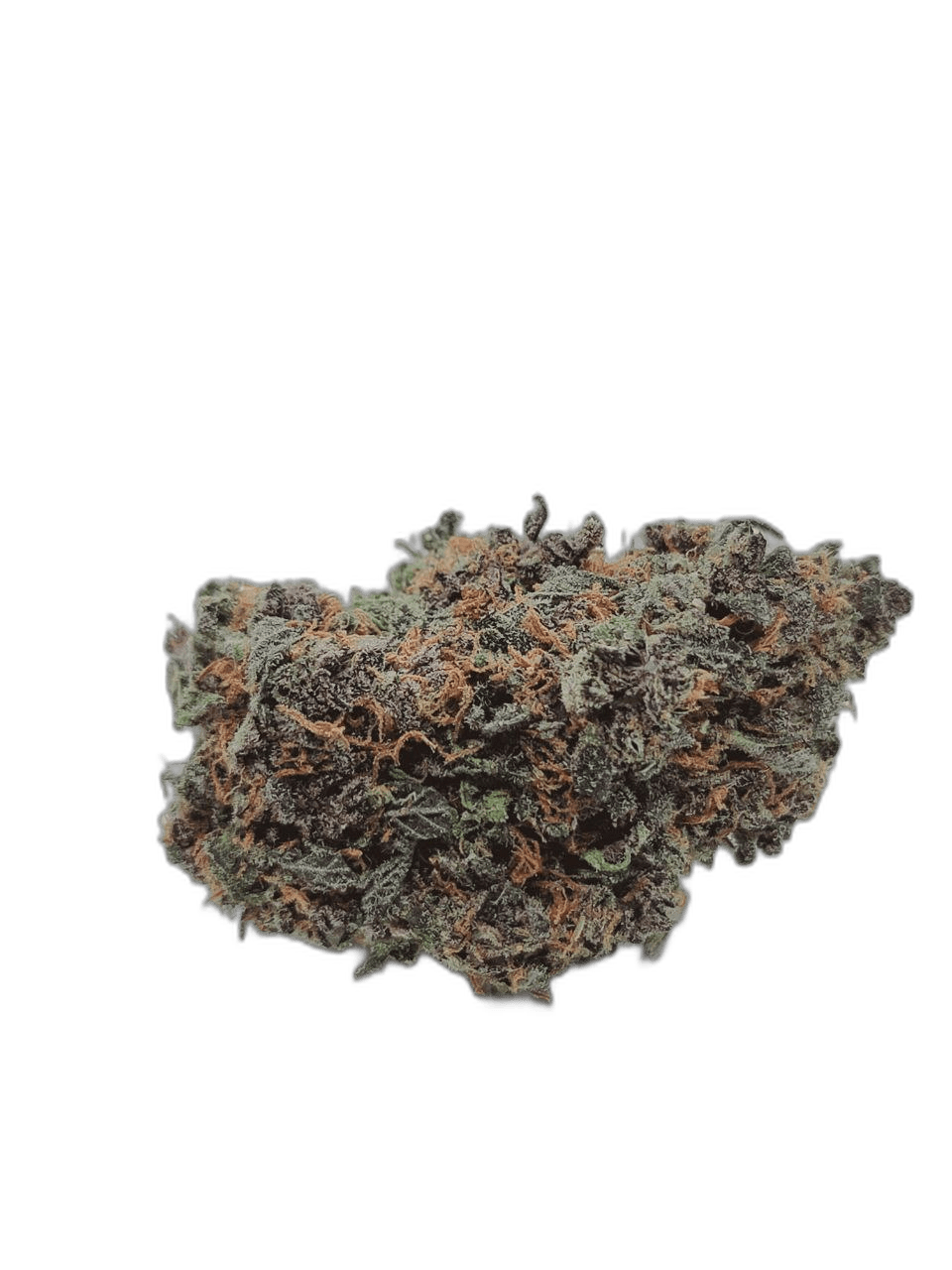
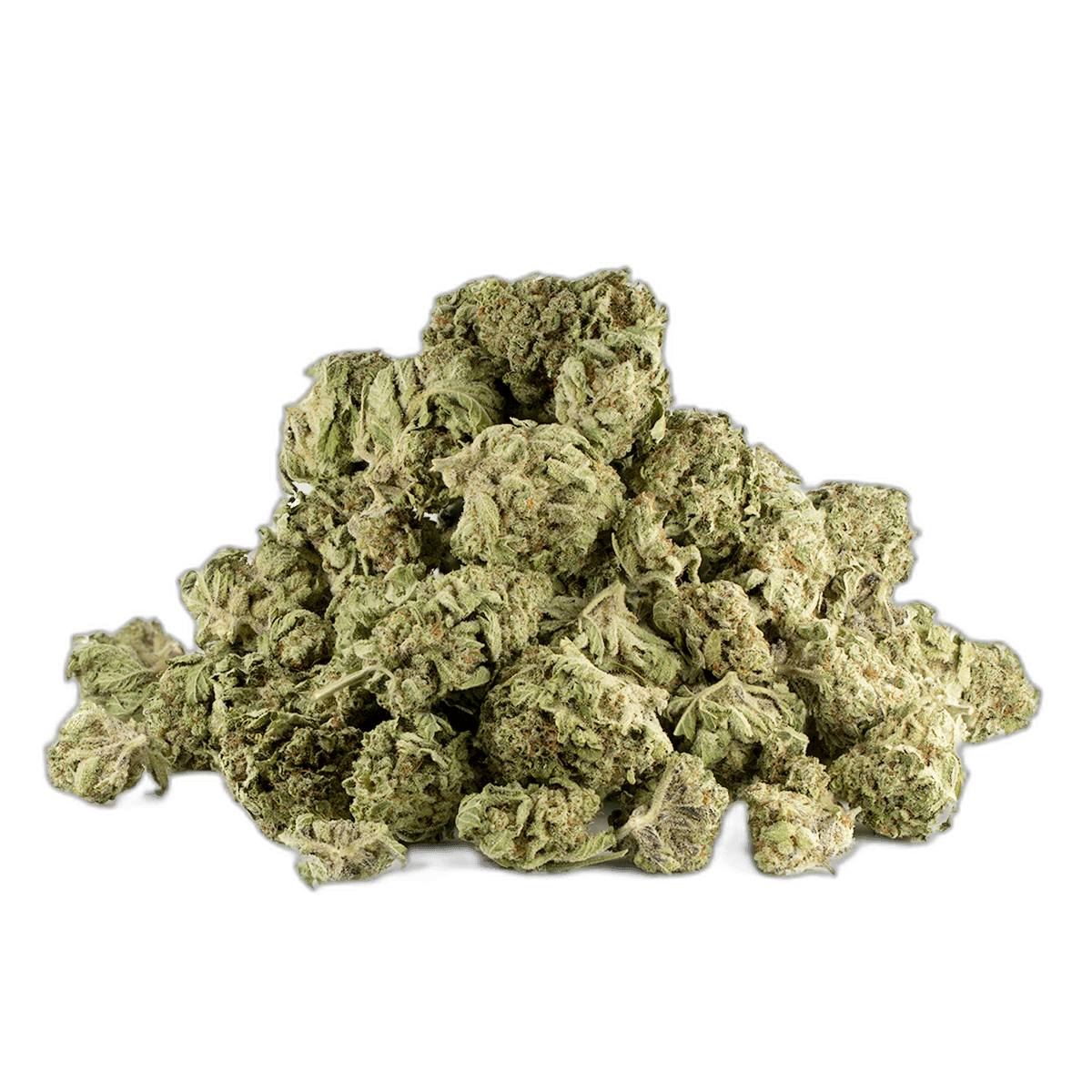
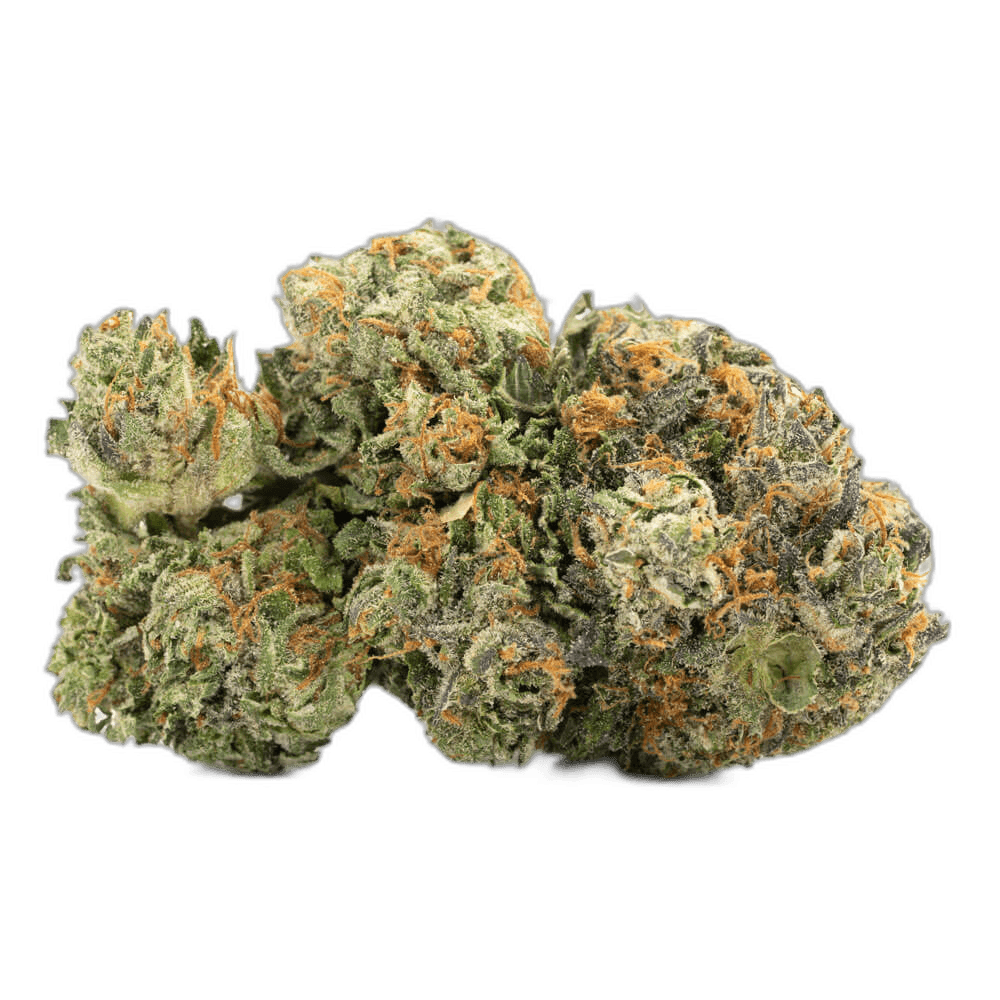
The classic. You grind it and smoke it in a joint, pipe, or bong, or use it in a dry-herb vaporizer. Flower gives you the fullest expression of a strain’s terpene profile — you literally smell and taste the whole plant — and effects arrive within minutes, which makes it the easiest format to control. Take a puff, wait, decide. Typical flower runs roughly 15–30% THC. It’s the best choice if you want that hands-on control, the full aroma, and a familiar experience. Browse the flower selection and filter by indica, sativa, or hybrid, then confirm the THC number.
Pre-rolls
Flower that’s already ground and rolled for you — same effects and onset as flower, just zero effort and no gear required. Great for convenience, sharing, or trying a strain without committing to a bigger quantity. Everything about strain selection above applies identically; you’re just skipping the rolling.
Vapes (cartridges and disposables)
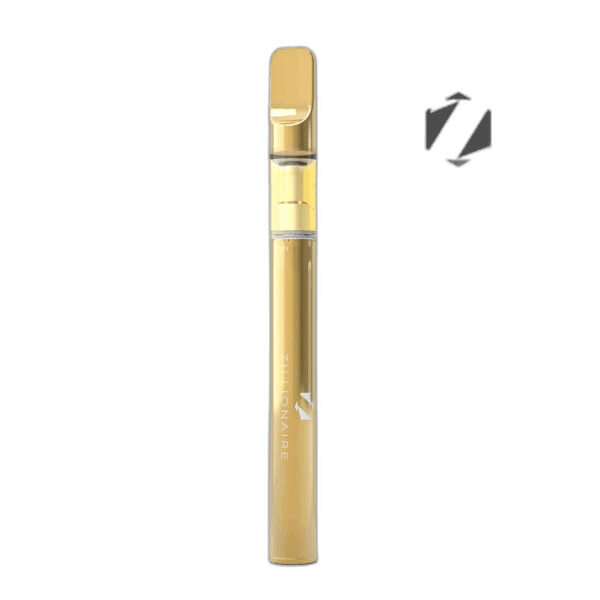
Vape pens heat a concentrated cannabis oil rather than burning plant matter. Onset is fast like flower — within minutes — but the oil is far more potent, often 60–85%+ THC, so a single small puff can equal several puffs of flower. Vapes are discreet, low-odour, and convenient, which makes them popular for daytime and on-the-go use. The trade-off: because they’re so concentrated, they’re easy to over-consume if you puff like it’s flower. Start with one small draw. See the vape selection.
Edibles
Cannabis infused into food or drink — gummies, chocolates, baked goods, beverages. This is the format where everything you learned about dose and onset matters most. As Health Canada notes, edibles take 30 minutes to 2 hours to kick in and can last up to a full day, and the body-heavy, longer-lasting effect is quite different from inhaling. Edibles are ideal if you don’t want to smoke, want long-lasting relief, or prefer a heavier body experience — but they demand patience and respect. Start at 2.5–5 mg, and do not redose until at least two hours have passed. The single most common bad cannabis experience is someone eating a second gummy because “the first one wasn’t working.” It was working; it just hadn’t arrived yet.
Concentrates (shatter, resin, rosin, hash)
These are the most potent products on the menu, frequently 60–90%+ THC, made by extracting the plant’s cannabinoids and terpenes into a wax, oil, or solid. They’re for experienced users who want intensity and efficiency, typically consumed via dabbing or added to flower. If you’re newer, these aren’t your starting point — but for a seasoned consumer, a terpene-rich live resin can be one of the most flavourful ways to enjoy a strain. Explore concentrates here.
How to read a cannabis product page like a pro
Let’s make this concrete. Imagine two products sitting side by side on a menu, both labelled the same way. Here’s how to actually tell them apart in a few seconds.
Product A: “Sativa · 27% THC · <1% CBD · dominant terpene: terpinolene · notes of citrus and pine.” Read that and you can predict a lot: this is a strong, heady, potentially racy daytime strain with bright uplifting aromas. Great for an experienced user who wants energy and focus — and a possible anxiety risk for someone sensitive, precisely because the THC is so high with no CBD to balance it.
Product B: “Sativa · 14% THC · 6% CBD · dominant terpene: myrcene · notes of earth and mango.” Same “sativa” label, totally different product. The moderate THC, meaningful CBD, and earthy myrcene profile mean this will feel gentler, more balanced, and more relaxing than the label suggests — closer to what many people expect from an “indica.” A great pick for a beginner or an anxiety-prone user, even though it’s technically a sativa.
That’s the entire skill. Two “sativas,” and the numbers told you they’ll deliver opposite experiences. Once you start reading product pages this way — THC first, CBD second, dominant terpene third, label last — you’ll never be fooled by a name again. Every product in the GasDank catalogue is organized so you can do exactly this: filter by type to narrow the field, then read the details to make the real decision.
Common myths, corrected
Myth: “Indica always puts you to sleep.”
Not reliably. Sedation tracks more with high THC, high myrcene, and a larger dose than with the word “indica.” Plenty of indica-labelled strains are only mildly relaxing, and some people find certain sativas make them sleepy. Read the chemistry.
Myth: “Sativa is safe for anxiety because it’s ‘up.'”
For anxiety-prone users, high-THC sativas can actually increase anxiety and racing thoughts. If you’re sensitive, a lower THC level and some CBD matters far more than the sativa/indica label.
Myth: “Higher THC always means better weed.”
No. THC percentage measures potency, not quality or enjoyment. A balanced strain with a rich terpene profile at 18% can be a far better experience than a harsh 30% strain that just makes you anxious. Chase the effect you want, not the biggest number.
Myth: “The strain name guarantees the experience.”
Strain names aren’t regulated the way you’d hope, and the same name from two growers can differ in chemistry. Names are a useful shorthand for lineage and reputation, but the lab-tested cannabinoid and terpene details are the source of truth.
Myth: “Indica and sativa are completely fake.”
Also not quite right. The science says the labels are poor at capturing genetics and mediocre at predicting effects — but they do loosely track aroma and marketed effect, so they’re a reasonable starting filter. “Imperfect shorthand” is the accurate framing, not “total nonsense.”
A quick word on legality and safe use in Ontario
If you’re ordering in Toronto or the GTA, a few basics worth knowing. In Ontario you must be 19 or older to buy, use, possess, or grow recreational cannabis, and in public you can carry a maximum of 30 grams of dried cannabis (or its equivalent), per the Government of Ontario. You can consume in a private residence and many outdoor public spaces, but not in enclosed workplaces, indoor common areas of condos and apartments, near schools and playgrounds, or in a moving vehicle.
For your own experience: don’t mix with alcohol if you can help it (it amplifies impairment), never drive impaired, keep edibles away from kids and pets since they look like candy, and if you take too much, the move is simple — find a calm space, hydrate, and wait it out. You can’t fatally overdose on cannabis, but a too-large dose is genuinely unpleasant, which is the whole reason we keep saying start low and go slow. For authoritative health information, Health Canada maintains guidance on the health effects of cannabis.
Putting it all together
The indica/sativa/hybrid framework is the vocabulary the whole industry grew up on, and it isn’t going anywhere. But the research from places like Dalhousie is clear that these words are a loose, aroma-driven shorthand — not a precise map of genetics or effects. The people who consistently get what they want out of cannabis aren’t the ones who’ve memorized which strains are “indicas.” They’re the ones who read three things: the cannabinoids (how strong, how balanced), the terpenes (what vibe and aroma), and the dose and format (how much, how fast, how long).
Do that, and the label becomes what it should have always been — a helpful hint at the top of a smarter decision. You’ll waste less money, have fewer “why did that hit so weird” nights, and dial in exactly the experience you’re after, whether that’s a clear-headed daytime lift or a deep evening unwind.
And when you’re ready to put it into practice, that’s where we come in.
Shop smarter with GasDank — same-day GTA delivery
Filter by indica, sativa, or hybrid, then confirm with THC, CBD, and terpene details on every product. Flower, edibles, vapes, concentrates, pre-rolls and CBD, delivered across Toronto and the Greater Toronto Area in about 1–2 hours.
Shop flowerShop ediblesToday’s deals
$60 minimum · free delivery over $80 in core areas · cash or Interac e-Transfer · 19+ with valid ID on first order.
Sources & further reading
This article is for general educational purposes and is not medical advice. Cannabis affects everyone differently. If you have health concerns or take medication, consult a healthcare professional. Must be 19+ to purchase cannabis in Ontario. Please consume responsibly and never drive impaired.
- Watts, S. et al. (2021). “Cannabis labelling is associated with genetic variation in terpene synthase genes.” Nature Plants.nature.com
- Dalhousie University (2022). “Indica and sativa labels are largely meaningless when it comes to cannabis complexities.” dal.ca
- Okey, S. A. et al. (2023). “An Ecological Examination of Indica Versus Sativa and Primary Terpenes on the Subjective Effects of Smoked Cannabis.” Cannabis and Cannabinoid Research.journals.sagepub.com
- Smith, C. J. et al. (2020). “Relationship among subjective responses, flavor, and chemical composition across more than 800 commercial cannabis varieties.” Journal of Cannabis Research.jcannabisresearch.biomedcentral.com
- Russo, E. B. (2011). “Taming THC: potential cannabis synergy and phytocannabinoid-terpenoid entourage effects.” British Journal of Pharmacology.bpspubs.onlinelibrary.wiley.com
- Health Canada. “Effects of cannabis.” canada.ca
- Government of Ontario. “Cannabis laws.” ontario.ca