Same-day weed delivery · 1 to 2 hours across the GTAFree delivery over $80 in core areasCash or Interac e-Transfer19+ ID verifiedCustomer service 8AM to 2AM ESTCanada-wide mail order · free shipping over $150Same-day weed delivery · 1 to 2 hours across the GTAFree delivery over $80 in core areasCash or Interac e-Transfer19+ ID verifiedCustomer service 8AM to 2AM ESTCanada-wide mail order · free shipping over $150
GasDank
Delivery

Purple Weed: What It Is and Why It Looks That Way

By GasDank Team

Purple Weed Explained: Everything You Need to Know

What Purple Weed Actually Is

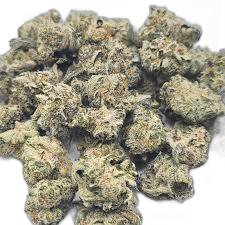
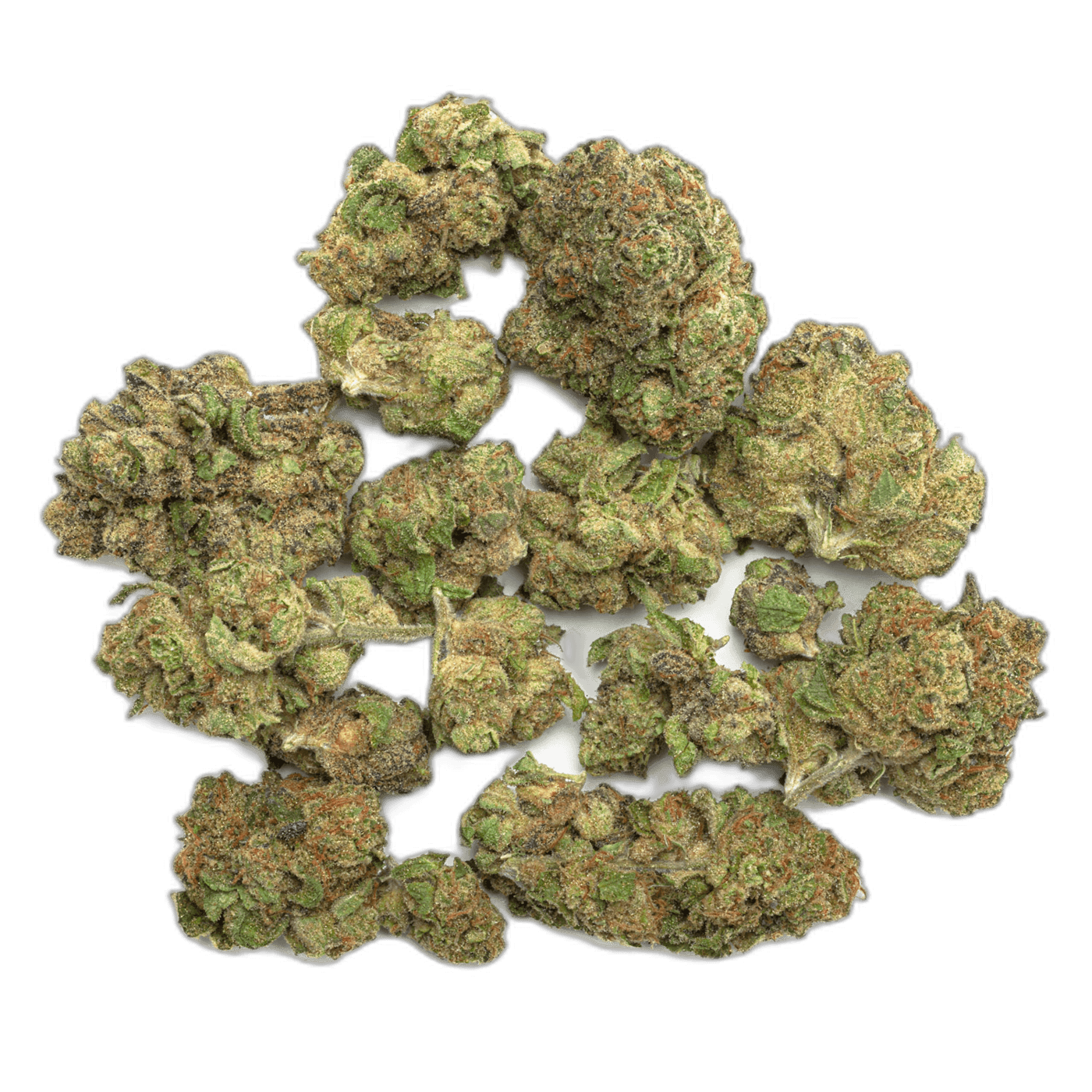
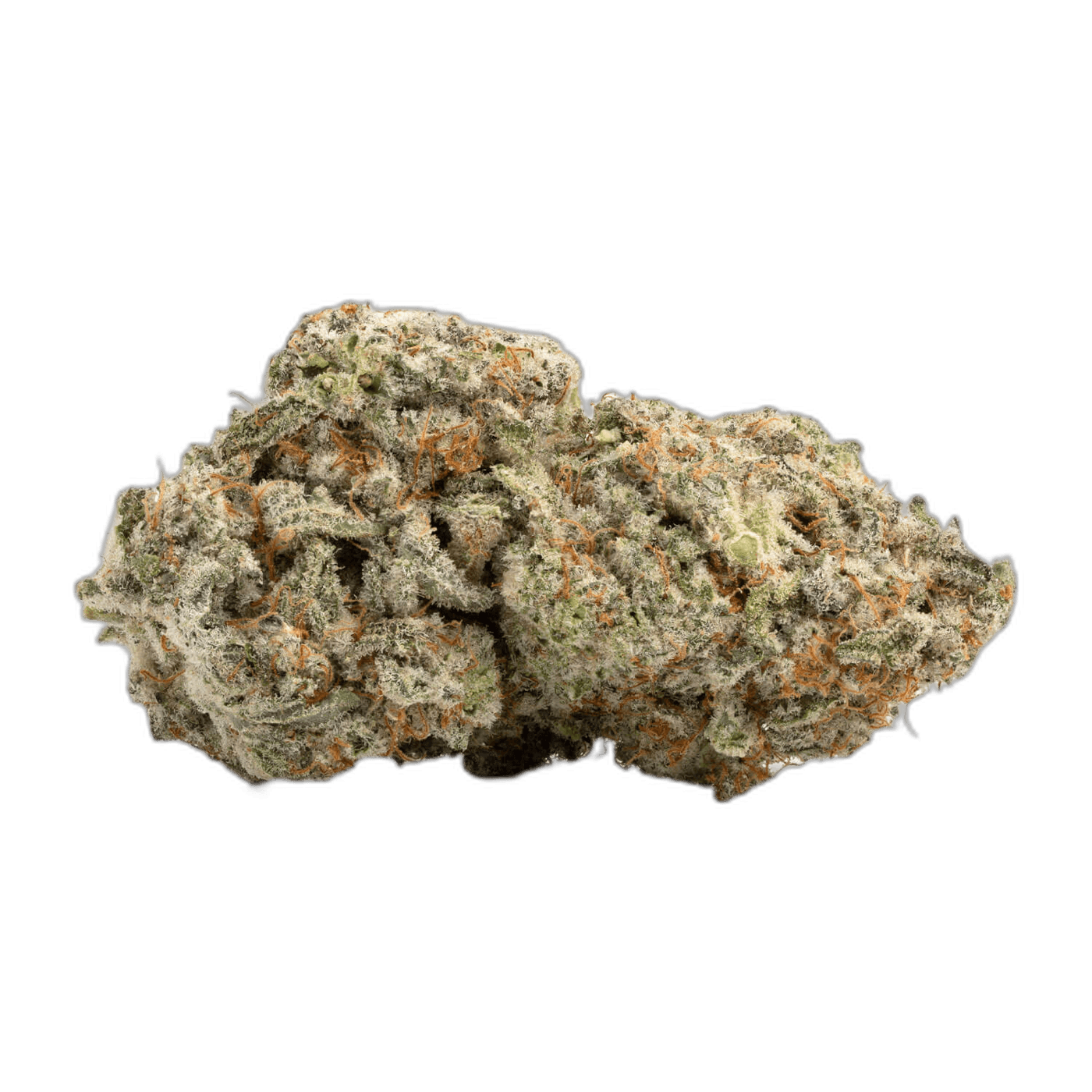
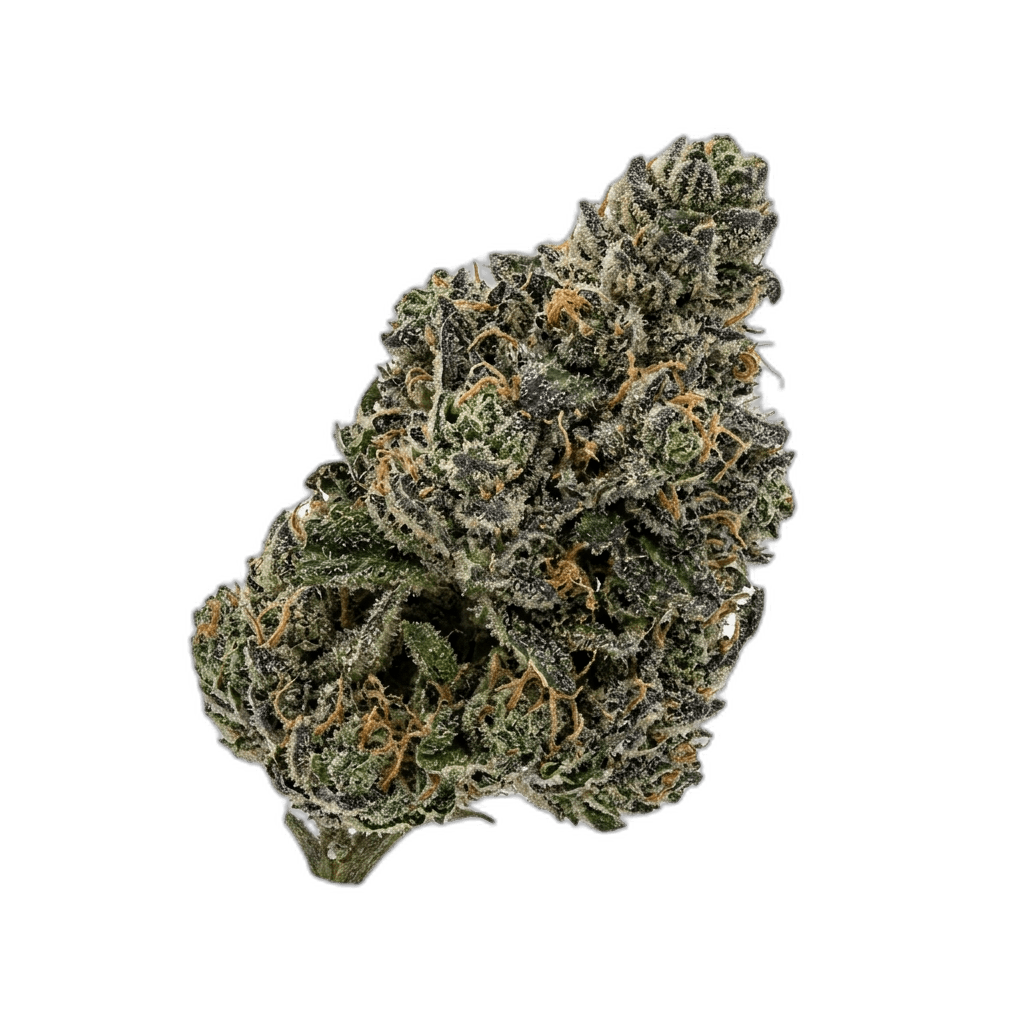
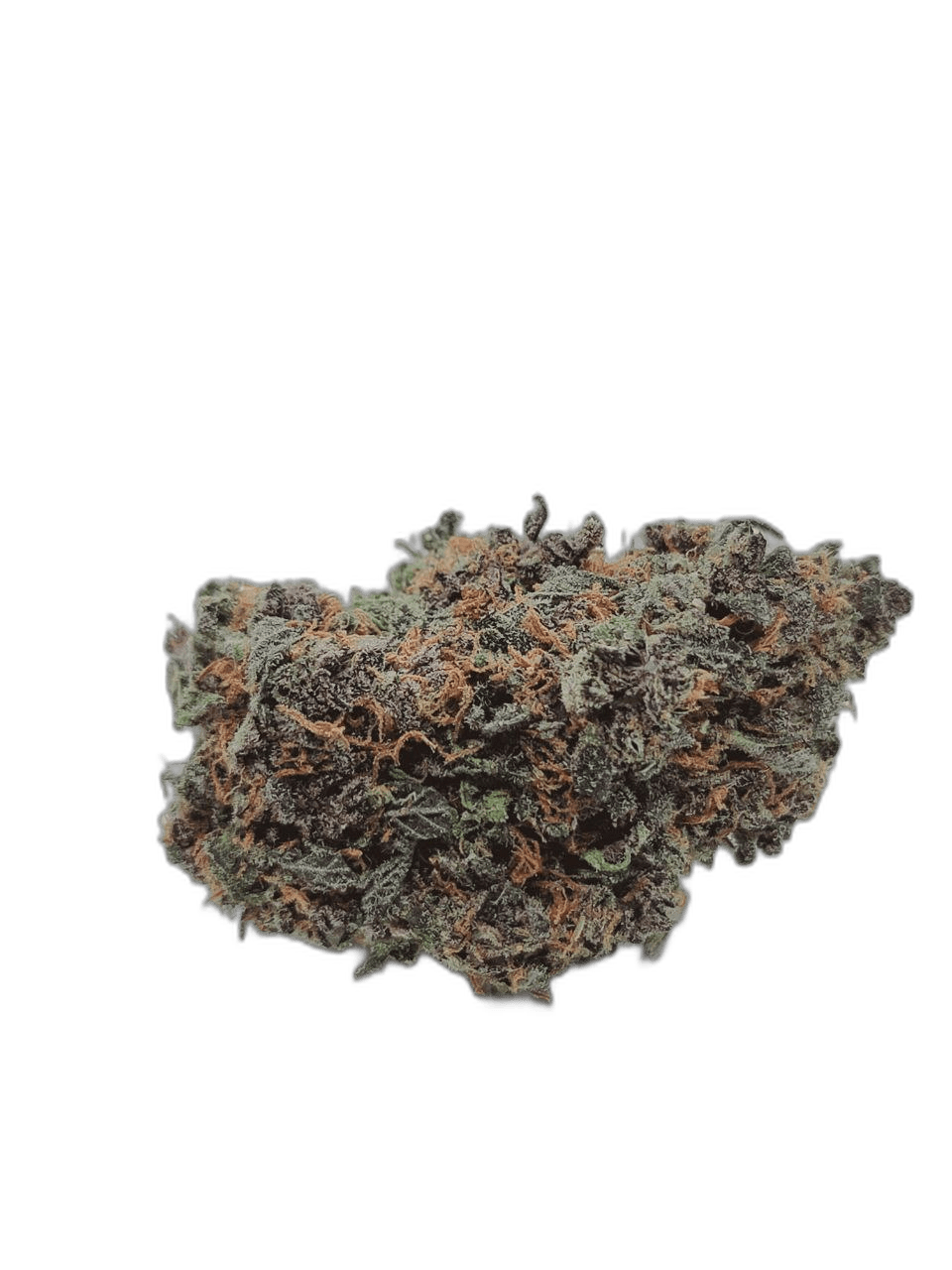
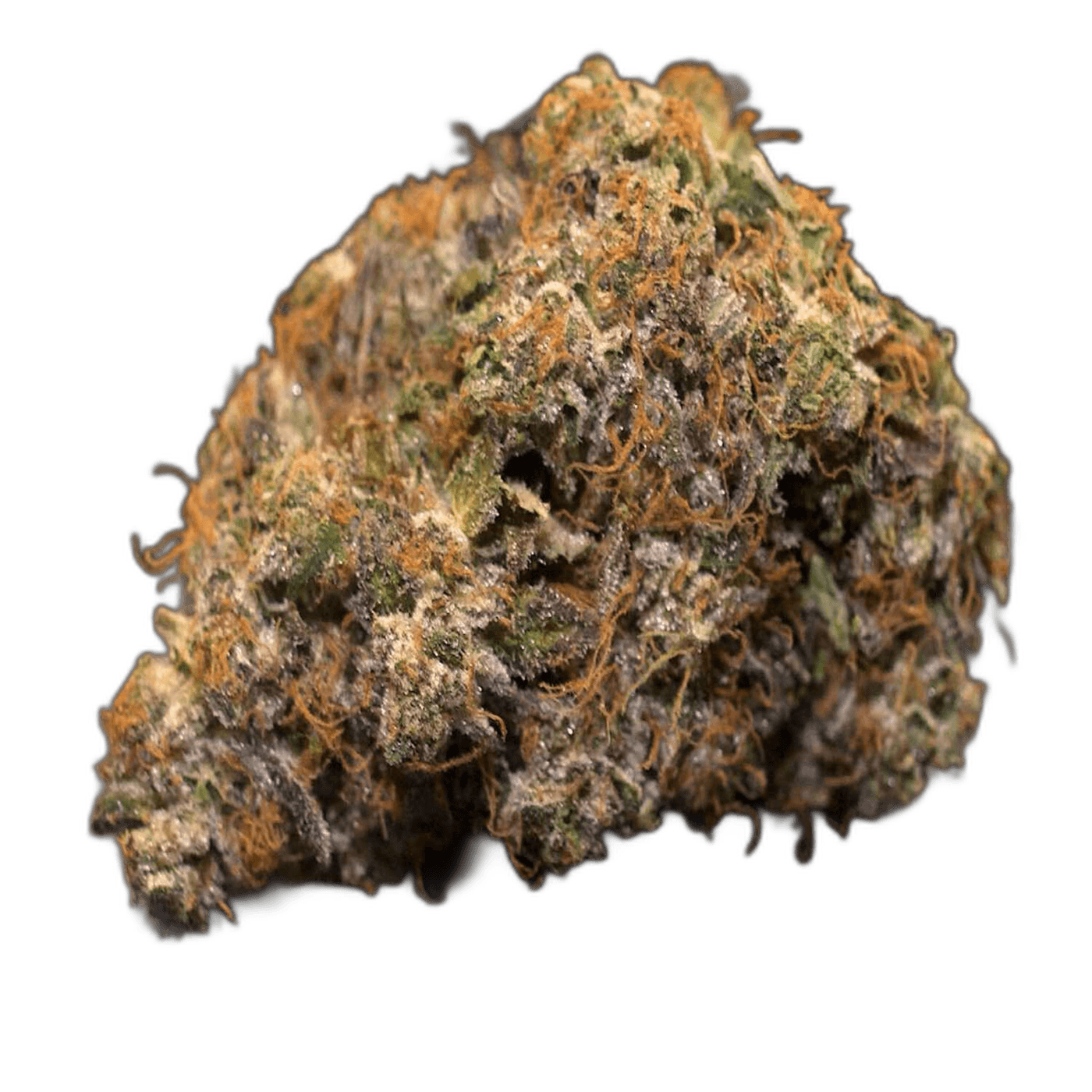
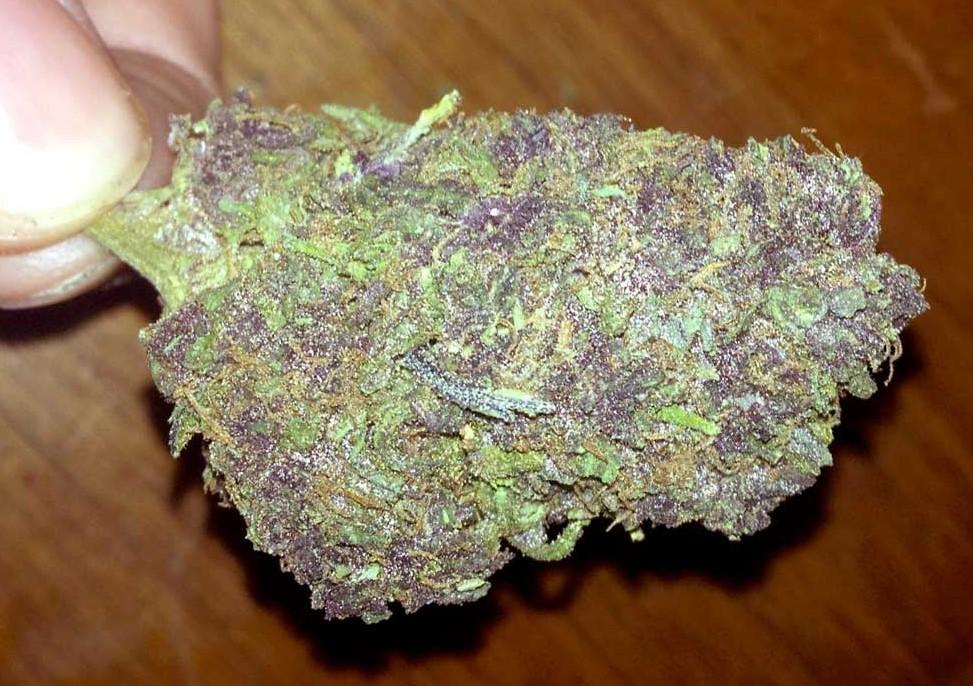
Purple weed is exactly what it sounds like, cannabis flower that displays purple, violet, or deep blue tones instead of the usual green. It has become one of the most eye catching and sought after looks in cannabis, and a striking purple bud tends to grab attention on any shelf. But the colour is more than just good looks, and there is some real science behind why certain strains turn purple while most stay green.

The key thing to understand right away is that purple is a colour, not a strain or a type of high on its own. Plenty of different strains can express purple, and they can be indicas, sativas, or hybrids. So a purple bud does not automatically tell you how it will make you feel. What it does tell you is that the plant has the genetics and the conditions to produce those purple pigments.

Over the years, purple weed has picked up a bit of a mystique, with some people assuming it is automatically stronger or more exotic. The reality is more grounded than the hype. Purple flower can absolutely be excellent, but the colour itself is not a guarantee of quality or potency. Understanding what actually causes it helps you appreciate purple strains for what they really are.

Why Cannabis Turns Purple

The purple colour in cannabis comes from a group of pigments called anthocyanins. These are the same compounds responsible for the colours in blueberries, blackberries, eggplants, and red cabbage. When a cannabis plant has the genetics to produce a lot of anthocyanins, and the conditions are right, those pigments can become dominant and give the flower its purple, blue, or violet appearance.

Most of the year, the green pigment chlorophyll dominates a cannabis plant because the plant relies on it for photosynthesis. As the plant matures and moves through flowering, chlorophyll production can slow down. When that happens in a strain rich in anthocyanins, the green fades enough for the purple pigments to show through, which is when you start to see those colours emerge.

So the purple is not painted on or forced in any artificial way with a quality plant. It is a natural expression of the plant's genetics combined with the right environment. A strain has to have the genetic potential for purple in the first place, and then the conditions during flowering have to encourage the anthocyanins to take over from the green. Both pieces have to line up.

The Role of Temperature

Temperature is one of the biggest environmental factors in bringing out purple colour, and it is the one growers talk about most. In many purple strains, cooler temperatures during the flowering stage, especially cooler nights, help trigger the anthocyanins to express more strongly. The drop in temperature slows chlorophyll production and lets the purple pigments shine through.

This is why you often see more purple in plants grown in climates with cool autumn nights, or in indoor grows where the night time temperature is deliberately lowered toward the end of flowering. The contrast between warmer days and cooler nights can really encourage those rich purple and blue tones to develop across the buds and sometimes the leaves.

That said, temperature alone cannot turn a green strain purple. The genetic potential has to be there first. You can chill a plant that lacks anthocyanin rich genetics all you want and it will simply stay green or, if pushed too far, suffer from the cold. Cooler temperatures are a trigger that helps express purple in strains already built for it, not a magic switch for any plant.

Does Purple Weed Get You Higher?

This is the big question, and the honest answer is no, the purple colour itself does not make weed stronger. Anthocyanins are pigments, and they are not psychoactive. The potency of any strain comes from its cannabinoids like THC, not from the colour of the buds. A purple bud and a green bud with the same THC content will get you equally high.

The reason this myth persists is partly that a lot of famous purple strains happen to be potent, heavy indicas. Strains like Granddaddy Purple and Purple Punch are both genuinely strong and genuinely purple, so people connect the two. But the strength comes from the genetics and cannabinoid content, not from the pigment that gives them their colour.

So when you are judging a purple strain, look past the colour and check the things that actually matter, like the THC content, the terpene profile, and the reputation of the specific strain. A beautiful purple bud can be incredibly potent, or it can be mild, exactly like a green one. The colour is a visual bonus, not a measure of how hard it will hit you.

How Purple Strains Often Taste

While the colour does not affect potency, many purple strains do share some flavour tendencies, largely because of the genetics they tend to come from. A lot of popular purple strains lean toward sweet, fruity, and berry like flavours. Notes of grape, blueberry, and dark berries show up frequently, which fits nicely with the purple, fruit inspired appearance.

This sweet, fruity character is part of why purple strains are so beloved. The look and the taste often reinforce each other, giving you a bud that is purple and berry sweet at the same time. Strains in the Purple family, along with relatives that carry similar genetics, frequently deliver that dessert like flavour profile that so many people enjoy.

It is worth remembering, though, that not every purple strain tastes sweet, and flavour ultimately comes from terpenes rather than colour. Some purple strains carry earthier, gassier, or more herbal profiles depending on their lineage. Still, the broad trend toward sweet and fruity flavours is real enough that many people associate purple weed with a tasty, berry forward experience.

Famous Purple Strains

There are several purple strains that have become genuine legends. Granddaddy Purple, often called GDP, is probably the most iconic. It is a heavy indica known for deep purple buds, a sweet grape and berry flavour, and powerful, relaxing effects. For a lot of people, GDP is the strain that defines what purple weed should look and feel like.

Purple Punch is another standout, a sweet, dessert like indica leaning hybrid with a candy and berry flavour and a relaxing, soothing high. Purple Kush brings classic Kush heaviness with a purple hue and earthy sweet notes, while Purple Haze, made famous by the song, leans sativa and offers a more uplifting, creative experience with a berry edge.

These strains show the range that purple weed can cover. Most of the famous purple names lean indica and relaxing, which reinforces that association in people's minds, but the colour can appear across different effect profiles. Trying a few of these classics is a great way to experience what purple strains have to offer and to see how much the genetics behind them really vary.

Beyond these big names, there are countless newer crosses that carry purple genetics, from candy sweet hybrids to gassy, dessert leaning indicas. Breeders keep working purple lineage into fresh strains because the look is so popular and the flavours that often come with it are crowd pleasers. If you enjoy purple flower, there is always something new in the family to try.

Purple Weed and Indica Effects

Because so many well known purple strains are indicas, purple weed has become loosely associated with relaxing, body heavy effects. Strains like Granddaddy Purple and Purple Kush deliver exactly that kind of deep, soothing, sometimes sleepy high, which is part of why people connect the colour purple with calm, evening focused relaxation.

This association is real in the sense that many of the most popular purple strains genuinely are heavy indicas, so if you grab a random famous purple strain, the odds are decent it will lean relaxing. That makes purple strains a popular choice for winding down, easing tension, and helping with sleep, much like indicas in general.

Even so, it is important not to assume every purple strain will be sedating. The colour and the effects are not directly linked, and purple sativas and balanced hybrids do exist. Purple Haze is a good example of a more energizing purple strain. So treat the indica association as a common pattern rather than a rule, and always check the specific strain to know what you are getting.

Can Growers Force Weed to Turn Purple?

A lot of people wonder whether you can simply force any plant to turn purple, and the short answer is not really, at least not in a healthy way. The genetic potential for anthocyanin production has to be present first. Without those genetics, no amount of environmental manipulation will produce true, healthy purple colour in the buds.

For strains that do carry the right genetics, growers can encourage the purple to come out by managing the environment, especially by allowing cooler night time temperatures during late flowering. This is a legitimate technique that works with the plant's natural tendencies. Done carefully, it can bring out richer, more vivid purple tones in a strain already capable of it.

What you should be wary of are extreme or harmful methods sometimes suggested online, like drastically shocking a plant with cold or depriving it of oxygen. These can stress or damage the plant and hurt your final product rather than improve it. Real, quality purple weed comes from good genetics and sensible growing, not from harsh tricks meant to chase a colour.

Is Purple Weed Better Quality?

It is tempting to assume that because purple weed looks so impressive, it must be higher quality, but that is not necessarily true. The colour is a cosmetic feature driven by pigments and growing conditions. A stunning purple bud can be top shelf, or it can be mediocre, in exactly the same way that a green bud can be either excellent or unremarkable.

What actually determines quality is the same set of factors for any cannabis, regardless of colour. You want to look at the strain's genetics, the THC and terpene content, how well it was grown, and how carefully it was cured and stored. A frosty, fragrant, well cured bud is a sign of quality whether it happens to be purple or green.

So enjoy the look of purple weed for what it is, a beautiful natural feature, but do not let the colour alone drive your buying decision. Judge a purple strain by the same standards you would use for anything else. The best purple weed is excellent because it is well grown quality flower, not simply because it is purple.

How to Spot Good Purple Weed

When you are looking at purple flower, the same signs of quality apply as with any cannabis, plus a couple of colour specific things to keep in mind. First, the purple should look natural and be distributed in a believable way, often concentrated in certain areas with green still showing through, rather than an unnaturally uniform shade that looks artificial.

Beyond colour, check for a healthy coating of trichomes, the frosty crystals that signal resin and potency. The buds should look and feel sticky and fresh, not dry and brittle. A good purple strain should also smell strong and pleasant, whether that is sweet and fruity or something earthier, since a rich aroma is a reliable marker of well preserved flower.

Be a little cautious of any purple weed that seems too good to be true, like buds that are an impossibly even, vivid purple with no other quality markers. Genuine purple comes from genetics and growing conditions, so it usually looks organic rather than perfectly uniform. Trust your nose and eyes, and judge purple flower on freshness, frost, and aroma just as you would any other.

Purple Weed Versus Green Weed

At the most basic level, the difference between purple and green weed is simply pigment. Green weed is dominated by chlorophyll, while purple weed has enough anthocyanins expressing to override that green in places. Beyond the colour, there is no inherent difference in how the two will affect you, since potency and effects come from cannabinoids and terpenes.

This means you cannot judge a strain's strength or type by colour alone. A green bud and a purple bud could be the same strain grown under slightly different conditions, or they could be completely different strains with similar effects. The colour is one visible trait among many, and it sits on top of the genetics rather than defining them.

Where purple weed does have an edge is in appearance and, often, in the kind of sweet, fruity flavours that many purple strains tend to carry. If you enjoy a striking looking bud and a berry forward taste, purple strains are a great place to look. Just remember to evaluate them on the same quality factors you would apply to any green flower.

Storing Purple Weed

Storing purple weed follows the same rules as storing any quality cannabis, and good storage helps preserve both the colour and the potency. Keep your flower in an airtight glass jar, somewhere cool, dark, and dry. Light, heat, and air all degrade cannabis over time, dulling the flavour, weakening the effects, and fading that beautiful purple hue.

Avoid leaving purple flower in plastic bags for long stretches, since plastic can create static that knocks off trichomes and does a poor job of keeping air out. A simple glass jar in a cupboard or drawer is a much better choice. Keeping the jar away from sunny windows and warm spots will also help the buds hold their colour and freshness longer.

If you keep a larger amount, a humidity control pack inside the jar will keep the moisture level steady, stopping the buds from drying out and turning harsh while also guarding against mold. Treat your purple weed with the same care you would give any premium flower, and it will reward you with lasting colour, aroma, and effect.

A Short History of Purple Weed

Purple weed is not a new trend, even though it feels especially popular today. Purple cannabis has been around for a long time, with various landrace and heirloom strains naturally showing purple tones in cooler growing regions. Over the decades, growers noticed these striking plants and began selecting and breeding for the purple trait on purpose.

The strain that really pushed purple into the spotlight for many people was Granddaddy Purple, introduced in the early 2000s. Its deep purple buds, sweet grape flavour, and heavy effects made it an instant favourite and helped cement the connection between purple colour and quality indica genetics in the public imagination. From there, purple strains multiplied.

Today there is a whole family of purple and purple leaning strains, from old classics to newer hybrids. The colour has become a recognizable and beloved part of cannabis culture, prized for its beauty and often tied to those sweet, fruity flavours. That long history is part of why purple weed carries such a strong reputation among growers and smokers alike.

Common Myths About Purple Weed

The most persistent myth is that purple automatically means stronger or better weed. As covered already, that simply is not true, since the colour comes from pigments that have nothing to do with potency. Believing this myth can lead people to overpay for purple flower or to ignore excellent green strains, so it is worth letting go of for good.

Another common misconception is that purple weed is a single strain or type. In reality, purple is a colour that many different strains can express, spanning indicas, sativas, and hybrids with all sorts of effects and flavours. There is no one purple weed, just lots of individual strains that happen to show purple under the right conditions.

A final myth worth busting is that you can turn any weed purple with simple tricks. Without the right genetics, a plant will not produce true, healthy purple no matter what you do to it, and harsh attempts to force colour can actually harm the plant. Genuine purple weed is the result of good genetics and proper growing, not gimmicks or shortcuts.

Where to Buy Purple Weed in Toronto

If you want to try purple weed in Toronto or anywhere across the GTA, GasDank makes it easy to find quality purple strains. We carry well known purple favourites along with other striking, flavourful flower, so you can enjoy that eye catching colour backed by genetics that actually deliver. You can browse our selection online and have it on the way in no time.

We offer same day delivery throughout Toronto and the surrounding GTA, with most orders arriving within a couple of hours. The minimum order is $40, delivery is free once you spend over $80, and we accept cash or Interac e-Transfer. It is a simple, reliable way to get beautiful purple flower delivered right to your door.

If you are curious which purple strain best suits the high you are after, our team is happy to help you compare options based on effects and flavour rather than just looks. Whether you love the deep relaxation of a classic purple indica or want something more uplifting, GasDank has fresh, properly stored purple weed and fast, friendly service.

Purple Weed Explained: Everything You Need to Know, FAQ

Q.What makes weed turn purple?

Purple weed gets its colour from pigments called anthocyanins, the same compounds that make blueberries and eggplants purple. A strain needs the genetics to produce them, and cooler temperatures during flowering often help the purple show through as the green chlorophyll fades.

Q.Does purple weed get you higher?

No. The purple colour comes from pigments that are not psychoactive, so it does not make weed stronger. Potency comes from cannabinoids like THC, not colour. Many famous purple strains happen to be potent indicas, which is why people connect the two, but the colour itself is not the cause.

Q.Does purple weed taste different?

Not because of the colour itself, but many purple strains do tend to carry sweet, fruity, berry like flavours thanks to their genetics. Notes of grape and blueberry are common. Flavour comes from terpenes, so not every purple strain is sweet, but the berry forward trend is real.

Q.Is purple weed better quality than green?

Not automatically. Colour is cosmetic and does not determine quality. A purple bud can be top shelf or mediocre, just like a green one. Judge purple weed by the same factors as any flower, such as trichome coverage, aroma, freshness, and the reputation of the specific strain.

Q.Can I get purple weed delivered in Toronto?

Yes. GasDank delivers purple strains same day across Toronto and the GTA, usually within one to two hours, and ships Canada wide by mail order. The minimum starts at $40, free over $80, cash or Interac e-Transfer, 19 and up.

Related