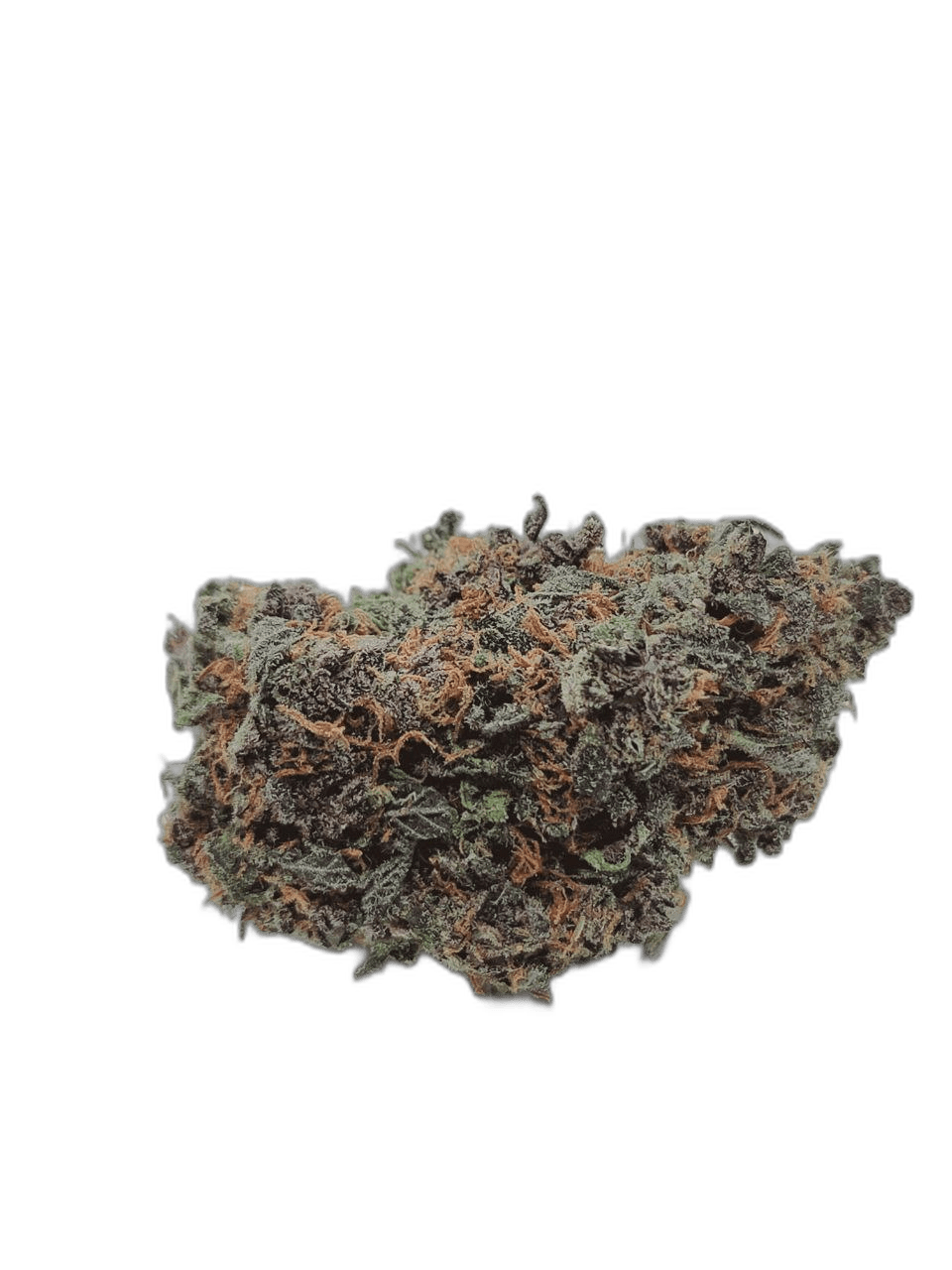

More Than Just a Famous Strain
Plenty has been written about how Original Glue smokes, but the story of how it got its name is just as interesting and far less commonly told. This is a strain with a genuine origin tale, an accidental beginning, a viral rise, and a legal fight that forced it to change names more than once. For anyone who has wondered why the same flower shows up as Gorilla Glue, GG4, and Original Glue, the history explains it all.
The naming saga is not just trivia, it is a window into how the cannabis industry has had to grow up. As legalization spread and businesses formalized, strains that had been named casually in the underground suddenly ran into the rules of trademark law and corporate branding. Original Glue sits right at the centre of that collision, which is what makes its story worth telling on its own terms.
So rather than another rundown of how heavy the high is, this piece focuses on where the strain came from and the dispute that reshaped its identity. The flower itself is a celebrated classic, and we cover that elsewhere, but here the spotlight is on the people, the accident, and the legal pressure that turned one strain into a name with three labels and one fascinating backstory.
A Happy Accident in the Grow Room
The origin of this strain is one of the better known happy accidents in modern cannabis. The short version is that a Chem Sister plant was pollinated unintentionally by a Sour Dubb male that carried Chocolate Diesel genetics. That unplanned cross was not supposed to happen, but the seeds it produced turned out to be something special, which is how a lot of legendary strains have quietly come into the world.
From the resulting plants, a standout phenotype emerged, the one that would become famous as GG4. Its buds were absurdly sticky, caked in resin to the point that they gummed up everything they touched, and that single characteristic ended up defining both the strain and its eventual name. What started as a mistake in the grow room became one of the most influential hybrids of its era.
It is a good reminder that not every great strain is the product of careful, deliberate breeding. Sometimes chance and a sharp eyed grower who recognizes something worth keeping are enough. The people behind this cross had the instinct to nurture that accidental standout rather than discard it, and the whole cannabis community ended up benefiting from that decision for years afterward.
Where the Glue Name Came From
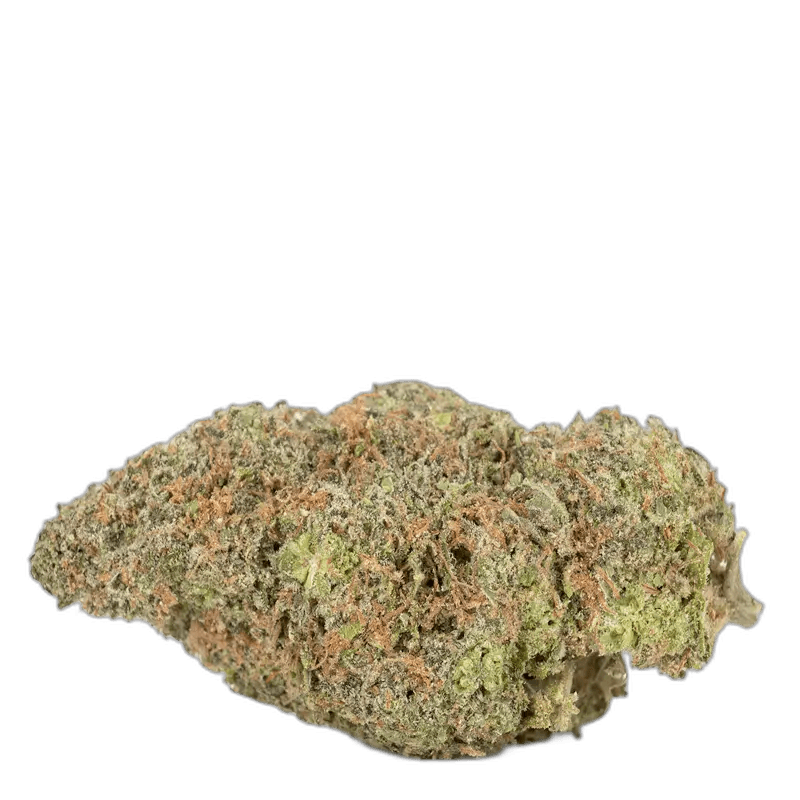
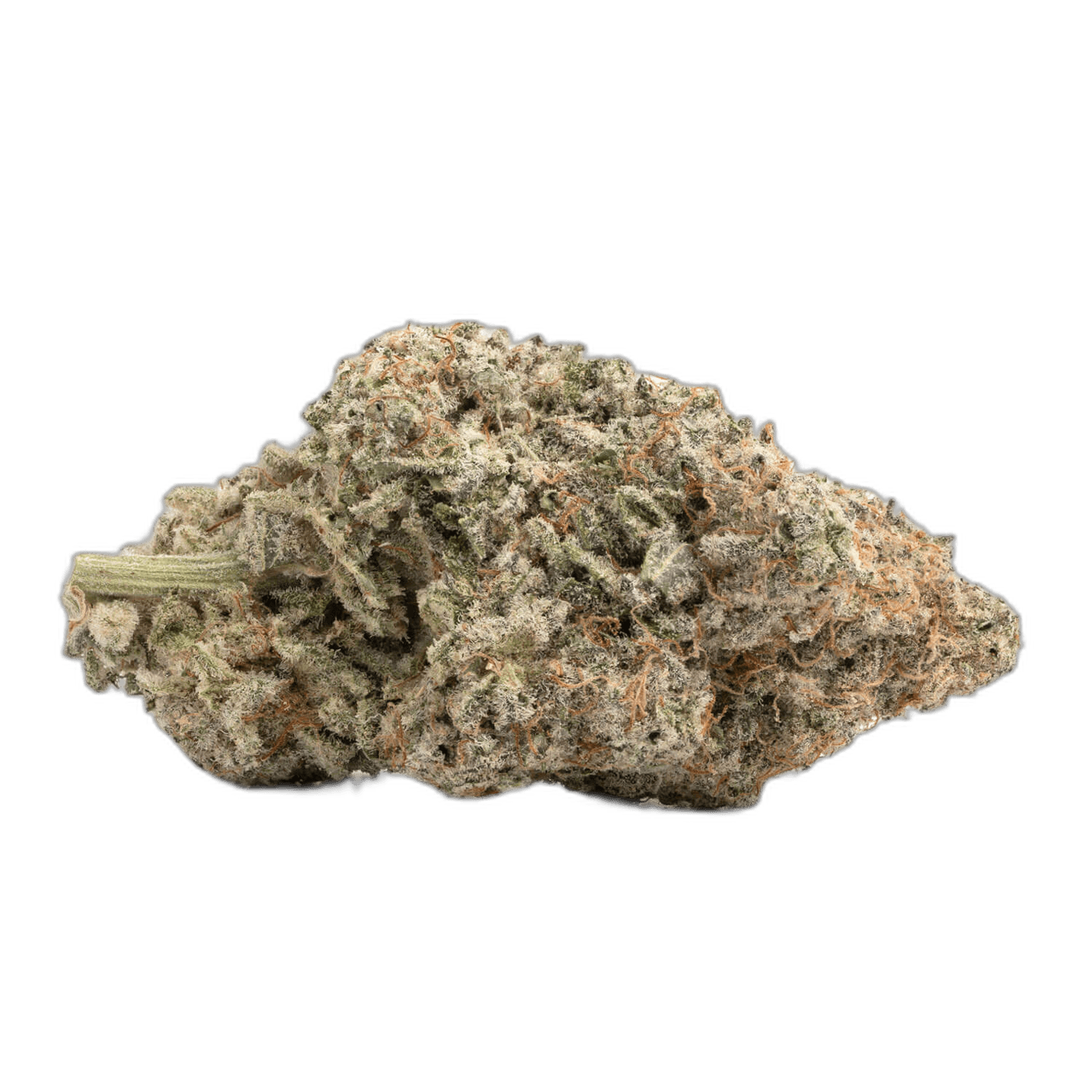
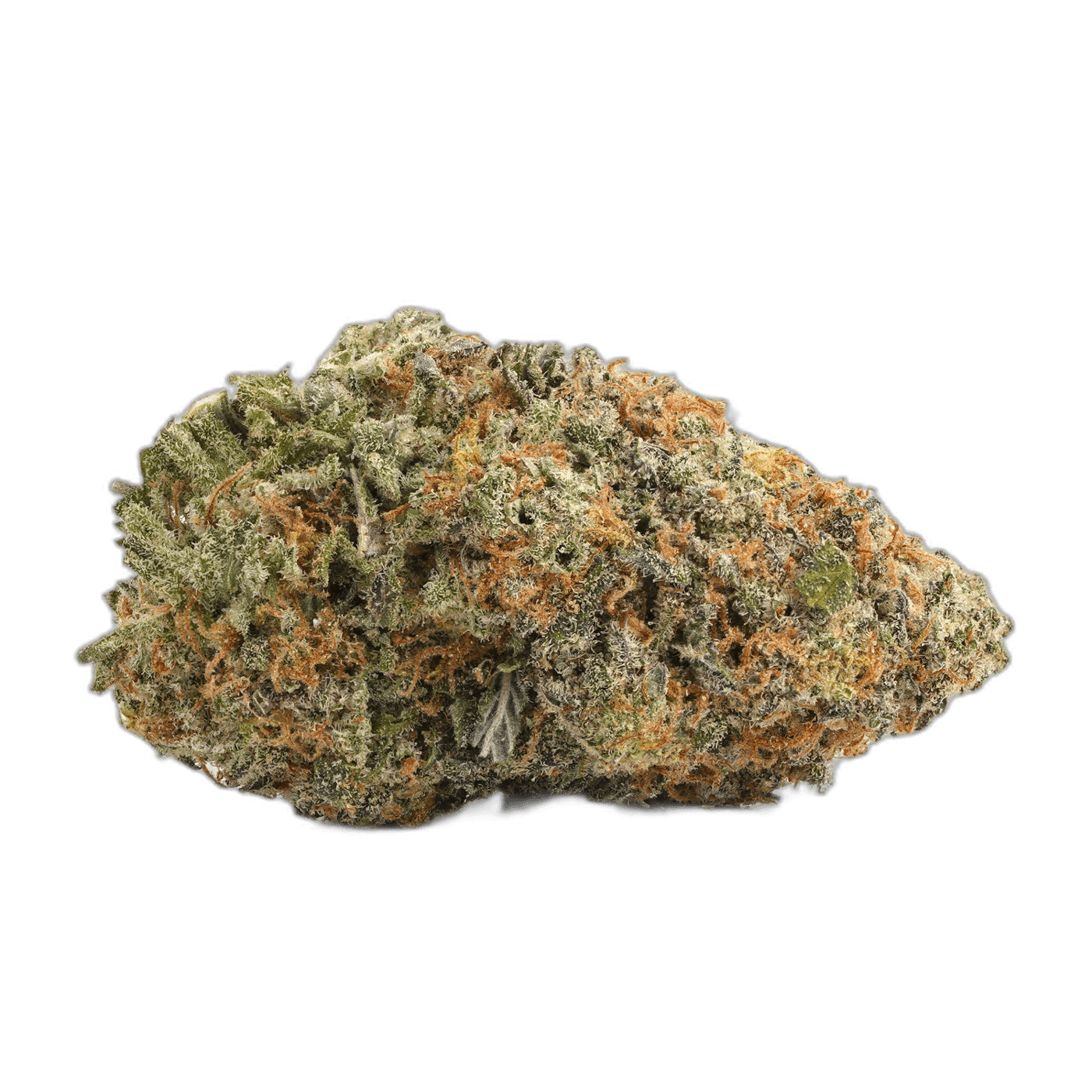
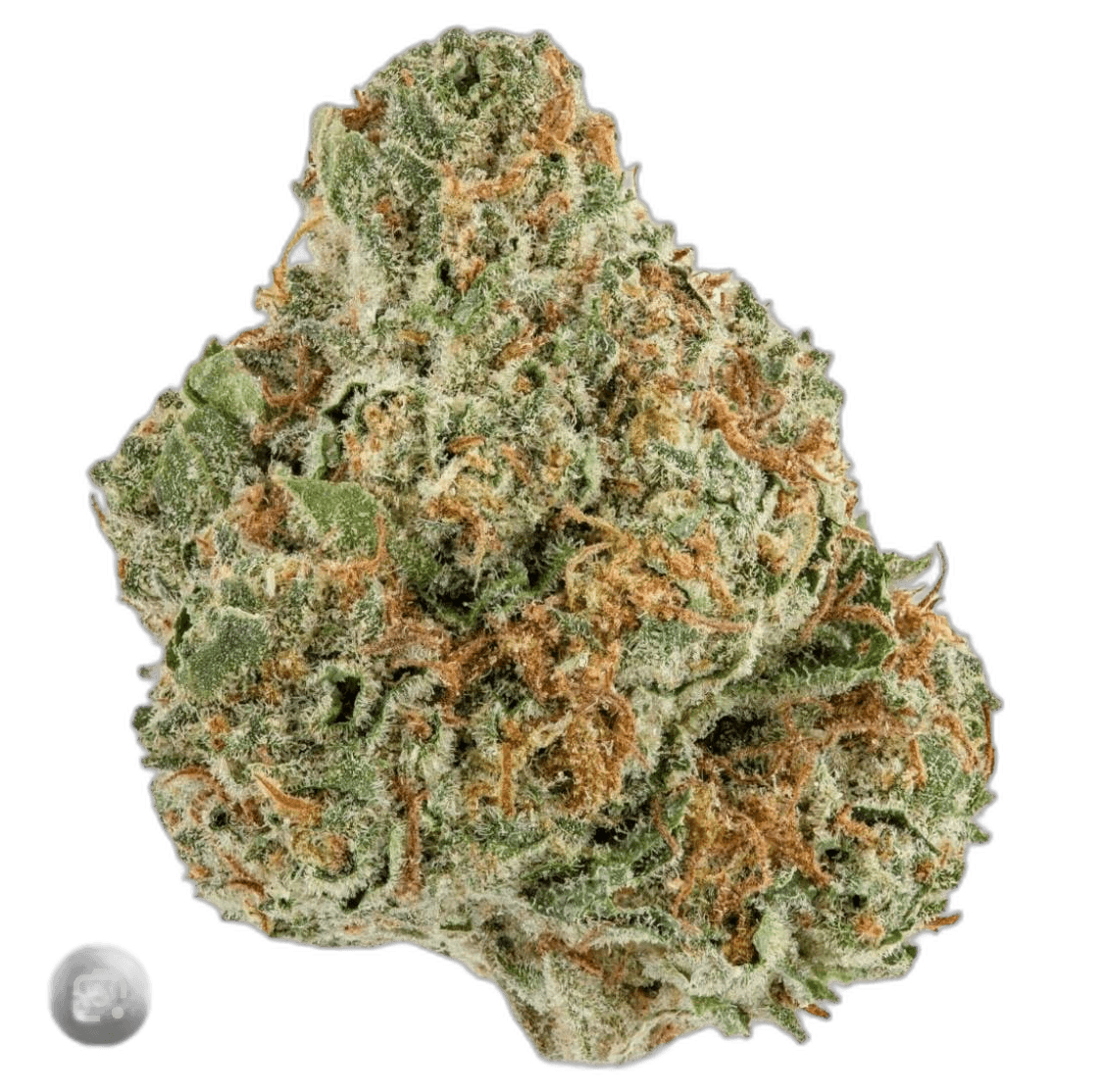
The name came straight from the buds themselves. This strain is so heavily coated in resin that it genuinely sticks to everything, gumming up fingers, grinders, and scissors alike. The growers who first worked with it leaned into that quality, naming it after the stickiest thing they could think of, a well known brand of strong adhesive. The name was vivid, memorable, and completely accurate.
That kind of casual, descriptive naming was the norm in the cannabis underground. Strains got their names from how they looked, smelled, or behaved, often referencing pop culture or familiar products without a second thought about legal implications. In an unregulated market, nobody was checking trademarks, and a catchy name that captured the essence of the flower was all that mattered for word of mouth.
The glue reference worked perfectly because it told you exactly what to expect. Anyone who heard the name and then handled the flower understood immediately why it was called that. The stickiness was not a gimmick, it was a direct signal of the heavy resin load that made the strain so potent and flavourful. The name and the product were a perfect match, which is part of why it caught on so fast.
The Strain Goes Viral
Once it hit the wider scene, this strain spread quickly. It started racking up cannabis cup wins and awards, which put it on the radar of growers and smokers far beyond its origin. The combination of a memorable name, eye catching sticky buds, and genuinely heavy effects made it the kind of strain people talked about and sought out, and its reputation snowballed from there.
Awards mattered a lot in building the legend. Competitive wins gave the strain credibility and visibility, signalling to the community that this was not just hype but a genuinely top tier hybrid. As more people grew it and shared their results, its reputation as a reliably strong, frosty, flavourful strain solidified, and it became a benchmark that other hybrids were measured against.
By the time it was widely known, the strain had achieved something rare, a name that was instantly recognizable across the entire cannabis world. That ubiquity is exactly what would later create problems, because a name that famous, attached to a product that famous, was bound to attract attention from the company whose brand had been borrowed for it in the first place.
Enter the Trademark Dispute
The very thing that made the name so effective, its reference to a famous adhesive brand, became its biggest liability. The glue company behind that brand took notice of a cannabis strain using a name very close to its trademark, and it was not pleased. Using an established brand name on an unrelated product, especially a cannabis one, is exactly the kind of thing trademark law is designed to prevent.
The adhesive manufacturer pursued legal action over the use of its brand name and associated imagery. From the company's perspective, this was about protecting its trademark and not having it associated with cannabis, which made sense from a corporate and legal standpoint. From the cannabis side, it was a wake up call that the casual naming traditions of the underground did not hold up once real businesses and real money were involved.
This kind of clash was becoming more common as cannabis legalized and commercialized. Many beloved strains carried names that borrowed from trademarks, pop culture, and established brands, and as the industry came into the open, those borrowed names started drawing legal scrutiny. Original Glue became one of the most prominent examples of a strain forced to confront that new reality head on.
The Settlement and the Rename
Rather than fight an expensive, unwinnable battle, the people behind the strain reached a settlement with the adhesive company. The terms required them to stop using the full original name and the related branding that referenced the glue company. This is how a strain that had become world famous under one name suddenly needed a new one that would keep it legally clear of the trademark.
The solution was to lean on the abbreviation that fans already used and to adopt a new full name that kept the spirit without the legal problem. The strain became officially known as GG4, with the GG initials preserving the connection to the old name without spelling out the trademarked brand. Alongside that, the name Original Glue came into use as a clean, descriptive full name fans could rally around.
It was a clever resolution to a tricky problem. The new names kept enough continuity that existing fans were not confused, while removing the specific trademark reference that had caused the trouble. The strain got to keep its identity and its hard earned reputation, just under a label that would not land anyone in court. That pragmatic fix is why the strain carries the names it does today.
Why You See Three Different Names
All of this history is the reason the same exact genetics show up under several names. You will see it sold as Gorilla Glue, as GG4, and as Original Glue, and they all refer to the same celebrated hybrid. The variation is not about different cuts or quality levels, it is purely a legacy of the naming dispute and the way different sellers handled the transition to the cleared names.
Some sellers, especially older listings or those slower to update, still use the original glue based name out of habit or because that is what customers search for. Others have fully adopted GG4 or Original Glue to stay on the right side of the trademark issue. The result is a patchwork where the same flower wears different labels depending on who is selling it and how cautious they are.
For a buyer, the practical message is reassuring. Whichever of these names you see, you are looking at the same underlying genetics and the same classic experience. The name on the jar is a product of legal history rather than any difference in the flower itself, so there is no need to hunt for one specific label over another to get the real thing.
The Genetics That Started It All
It is worth giving the parent genetics their due, since they are the foundation of the whole legend. The accidental cross brought together Chem Sister, Sour Dubb, and Chocolate Diesel, and each contributes something essential. Chem Sister, from the Chemdawg family, supplies the sharp, pungent diesel backbone and a large share of the famous potency that put the strain on the map.
Sour Dubb deepens that with a sour, funky fuel character, adding to the loud, gassy nature the strain became known for. Chocolate Diesel completes the trio, though neither Leafly nor Weedmaps lists chocolate among GG4's flavours, which lean earthy, woody and piney. That earthy, piney side is a big part of what made the strain stand out, since plenty of diesel strains are sharp but few carry that woody depth.
Together these three parents created a phenotype that was more than the sum of its parts. The GG4 cut captured the best of all of them, the diesel power, the funky depth, and the earthy pine, wrapped in those absurdly resinous buds. Understanding the lineage helps explain why this particular accidental cross became such a lasting classic rather than just another forgotten happy accident.
A Turning Point for Strain Naming
The dispute over this strain became something of a landmark moment for the cannabis industry. It was a high profile example of what happens when underground naming traditions meet the realities of trademark law in a legal, commercial market. Other strains had borrowed brand names too, and the resolution here signalled that those casual references could not continue unchecked as the industry matured.
In the years since, there has been a broader shift toward more careful, original strain naming, partly because of cautionary tales like this one. Breeders and sellers became more aware that a clever name borrowing from an established brand could create real legal exposure down the line. The era of freely referencing trademarks in strain names started giving way to more thoughtful, defensible branding.
Seen in that light, the Original Glue saga is more than a single strain's story. It marks a point where the cannabis world had to reckon with operating in the open, under the same rules as any other industry. The strain's forced rename was a small but telling sign of legalization's growing pains, and it helped set expectations for how strains would be named going forward.
How the Legend Held Up
What is striking is how little the name change hurt the strain. A lesser product might have faded amid the confusion of multiple names, but this one was strong enough that fans followed it regardless of the label. The quality and reputation carried it through the transition, which is the clearest proof that the legend was built on substance and not just a catchy name.
Years after the dispute, the strain remains one of the most requested hybrids on menus everywhere, under all three of its names. New smokers discover it, longtime fans keep coming back, and it continues to serve as a benchmark for sticky, potent, flavourful flower. The naming drama is now just part of its lore, an interesting chapter rather than a setback that diminished it.
That staying power says a lot. Trends in cannabis come and go quickly, and plenty of once hyped strains have disappeared. The fact that this one survived a legal battle and a forced rename and still thrives is the strongest possible endorsement of the original happy accident. The flower earned its place, and no trademark dispute was ever going to change that fundamental fact.
What the Story Means for Buyers Today
For anyone shopping today, the history boils down to a few practical points. First, do not be thrown by the multiple names, since Gorilla Glue, GG4, and Original Glue are the same genetics with the same classic character. Second, the name on the label tells you nothing about quality, so judge the flower itself rather than which version of the name a particular seller happens to use.
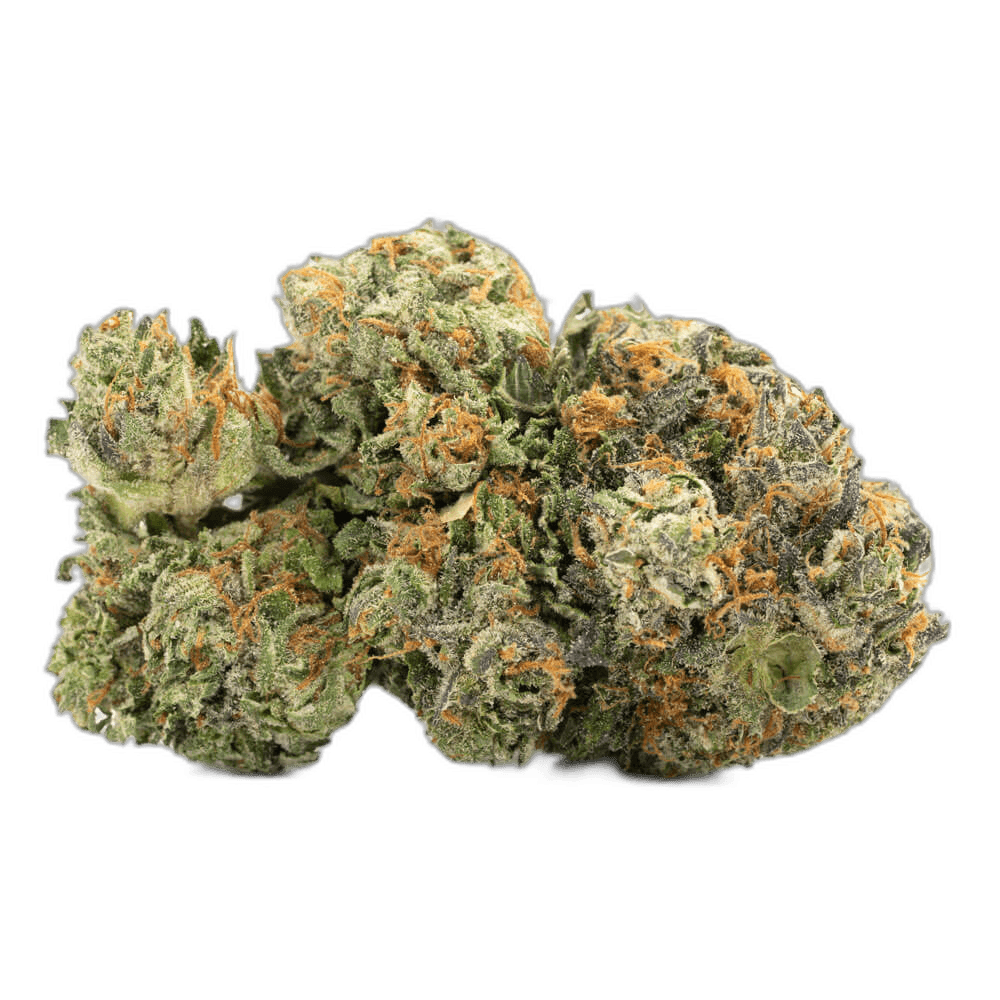
Because the strain is so famous and so widely grown, quality does vary a lot from grower to grower regardless of the name. The smart approach is the same as with any classic, look at the actual flower, check that it is dense, frosty, and sticky with that loud, sour, earthy and piney aroma, and buy from a source you trust to handle and store it well. The legend only delivers when the growing lives up to it.
Knowing the backstory also just makes the strain more enjoyable to smoke. There is something satisfying about understanding that the sticky flower in your hand is the product of a lucky accident, a viral rise, and a legal fight that reshaped how the whole industry names its strains. The history adds context that turns a famous name into a genuinely interesting piece of cannabis culture.
Other Strains Caught in the Same Trap
Original Glue was far from the only strain to run into this kind of trouble, which is part of why its story resonates. As the industry came into the open, a wave of strains discovered that their casual, brand borrowing names were a liability. Anything that leaned on a trademarked product, a celebrity, or a piece of pop culture became a candidate for the same legal pressure that forced the glue rename.
Some strains quietly tweaked their names, swapping a word here or an initial there to keep the recognition without the exposure. Others doubled down on abbreviations the way GG4 did, letting fans keep a familiar shorthand while shedding the problematic full name. The patterns that emerged across these cases show an industry improvising its way toward more defensible branding under real legal scrutiny.
Against that backdrop, the Original Glue resolution stands out as one of the cleaner and better known examples. It managed to preserve the strain's identity and momentum while fully addressing the trademark concern, which is not always how these disputes end. For a lot of people in the industry, it became a reference point for how to handle the awkward transition from underground name to legitimate brand.
The Bigger Picture
Stepping back, the Original Glue story captures a moment of transition for cannabis as a whole. It shows an industry moving from the shadows into the open, learning that the freewheeling habits of the past would have to give way to the structure of legitimate business. The strain's journey from accidental cross to award winner to renamed legend mirrors that larger arc in a single, memorable example.
It also speaks to what makes cannabis culture special, the way a chance discovery and a community's enthusiasm can turn a happy accident into a lasting icon. The strain was not engineered in a lab to be a hit, it simply was one, and people recognized it. That organic path to fame is part of why the strain inspires the loyalty it does, name changes and all.
So while there is plenty to say about how the flower smokes, its real distinction may be the story behind it. Few strains carry a backstory this rich, with a genuine origin tale and a place in the history of how the industry grew up. That is what sets Original Glue apart as much as its famous stickiness, and it is why the name, in all its versions, endures.
Where to Buy Original Glue in Toronto
Whichever name you know it by, a great Original Glue depends entirely on how it was grown and cured, since a rushed batch loses the frost, the stickiness, and that loud, earthy diesel flavour the strain is famous for. GasDank's flower comes from small-batch growers, every batch is checked before it goes on the menu, and it is kept in UV-protected jars until it is packed. Our team is happy to help you choose from what is on the menu.
Ordering is straightforward. We deliver same day across Toronto and the GTA, usually within one to two hours, so you are not stuck waiting around. For anyone outside the local zone, we ship Canada wide by mail order, packaged discreetly and securely, so a heavy, sticky, top shelf classic like this is within reach wherever you happen to be in the country.
The details are simple. The minimum order is $40 ($60 in the outer GTA), delivery is free once you pass your area's threshold, and we take cash or Interac e-Transfer. You just need to be 19 or older. If you want the legendary strain behind one of cannabis culture's best naming stories, look for it under Original Glue, GG4, or Gorilla Glue, and we will get the real thing to your door fast.