
◆Same-day weed delivery · 1 to 2 hours across the GTA◆Free delivery over $80 in core areas◆Cash or Interac e-Transfer◆19+ ID verified◆Customer service 8AM to 2AM ET, 3AM Thu to Sat◆Canada-wide mail order · free shipping over $150◆Same-day weed delivery · 1 to 2 hours across the GTA◆Free delivery over $80 in core areas◆Cash or Interac e-Transfer◆19+ ID verified◆Customer service 8AM to 2AM ET, 3AM Thu to Sat◆Canada-wide mail order · free shipping over $150
GasDank

Craft Weed in Canada: What the Word Means and How to Judge the Flower

Craft Weed in Canada: What the Label Really Means

Is craft an official grade in Canada?

No. Health Canada sorts growers into three cultivation classes: micro-cultivation, nursery and standard. None of them is called craft, and they are defined by size and permitted activities, not by quality.

The micro-cultivation class allows up to 800 square metres of plant canopy, counting every horizontal and vertical surface in use at one time. Health Canada's own guidance pictures that as roughly half of a standard 61 by 26 metre hockey rink. Standard cultivation has no canopy limit at all. Older coverage still quotes 200 square metres; the current figure is 800.

Because the word is not tied to any of those classes, a grower with an unlimited canopy can print craft on a jar too. Definitions vary even among people who use the term seriously: when StratCann looked at the question in 2021, the Craft Cannabis Association of BC capped its own craft designation at 1,000 square metres of indoor canopy, while one provincial craft category accepted producers growing under 10,000 kg a year, as long as the flower was hand-harvested, hang-dried and hand-trimmed.

How do craft and AAAA grades differ?

They answer different questions. Craft describes how and at what scale flower was grown; AA, AAA and AAAA are a seller's verdict on how a lot looks, smells and smokes. Neither is a federal standard, since Health Canada's classes are about size and activity, not quality.

So a small-batch lot can grade AAA, and a large grower's top room can earn AAAA. Our AAAA grading guide explains the tiers; the checks below work on any jar sold as craft.

How can you judge craft flower yourself?

Six checks you can make before trusting the word.

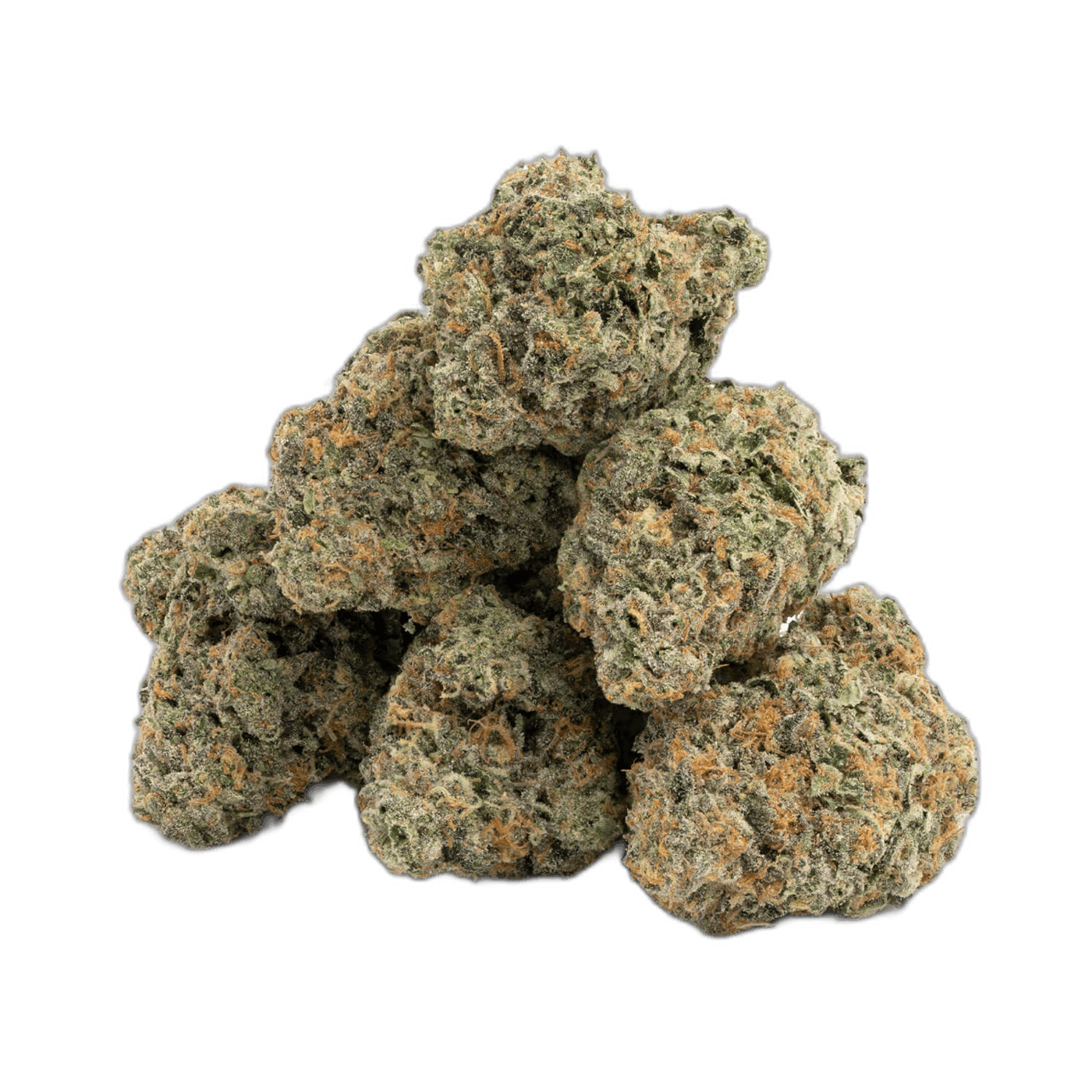
Aroma. Open the jar and expect a smell that is loud and specific, whether citrus, fuel, pine or berry. Researchers at the University of British Columbia found that the largest, mushroom-shaped resin glands, called stalked trichomes, are the richest source of both THC-forming compounds and fragrant terpenes, so a faint smell is a warning sign.

Cure and moisture. Squeeze a bud gently. It should spring back, not crumble to dust or feel damp. A 2022 review of post-harvest research in the journal Molecules names mould growth from uncontrolled drying, along with lost aroma and flavour, among the main drying problems; our drying and curing guide walks through the process.

Trim. Look for a tidy trim, with sugar leaves cut close and stems short. Careful handling is more than cosmetic: a 1976 storage study in the Journal of Pharmacy and Pharmacology found that cannabinoid losses from air oxidation could be reduced by keeping damage to the resin glands to a minimum.

Trichomes. Zoom in with a phone camera or a cheap loupe. The surface should look frosted, with intact mushroom-shaped heads rather than bald patches or smeared resin. Our trichome guide shows what to look for.

Bud structure. Expect whole, consistent buds rather than a jar of crumbs and stem. Size matters less than condition.

Packaging date. Health Canada's labelling rules require regulated cannabis to show the date it was packaged, which tells you how long a lot has been waiting. Ask any seller for that date, and ask how the flower was stored, because in the 1976 study light was the greatest single cause of cannabinoid loss. Our storage guide explains how to keep flower fresh at home.

What small-batch means at GasDank

GasDank buys from small-batch growers and inspects every batch, and flower is kept in UV-protective jars, which matters given the 1976 finding that light did far more damage than temperatures up to 20 °C. The menu carries lab-tested products.

Small-batch describes how we choose growers, not a government category, so hold our jars to the same six checks. Start with the premium flower shelf, the living soil organic range or the full flower menu.

Across Toronto and the GTA, same-day delivery orders usually arrive within 1 to 2 hours. The core zone (Toronto, Mississauga and Malton) has a $40 minimum and free delivery from $80; farther GTA towns need $60, free from $160. Elsewhere in Canada, tracked mail order has no minimum and ships free from $150, and most parcels arrive 24 to 72 hours after dispatch.

Questions? Talk to a real person

GasDank delivers premium cannabis same-day across the GTA. Reach our team from 8 AM to 2 AM, or until 3 AM Thursday to Saturday:

Craft Weed in Canada: What the Label Really Means, FAQ

Q.What does craft weed mean in Canada?

It is a seller's term for flower grown in smaller batches with more hand work, such as hang-drying and hand-trimming. Health Canada's licence classes have no craft category, so treat the word as a claim to check rather than a guarantee.

Q.Is micro-cultivation the same as craft cannabis?

Not exactly. Micro-cultivation is a Health Canada category with an 800 square metre canopy cap, while craft is marketing language that growers of any size can use.

Q.Is craft weed stronger than regular weed?

Not by definition. Craft describes how flower is grown, not how much THC it has. For newer smokers, Health Canada's starting point is a puff or two of something at 10% THC or lower, whatever the label says.

Q.Is craft cannabis the same as organic?

Not necessarily. Craft describes scale and hand work, while organic describes how the plants were fed and grown, so each claim needs checking on its own. GasDank lists living soil organic flower as a separate range.

Related