
Red Kashmir Hash
Currently unavailable. Get notified the moment Red Kashmir Hash is back in stock.
Get notified the moment it is back. No spam, just this restock.
1 to 2 hour GTA delivery . Cash or e-Transfer . 19+ . Free over $80
In stock now: similar to Red Kashmir Hash
Red Kashmir Hash is sold out. These are available today, from our Hash range.
 Sale
 Sale
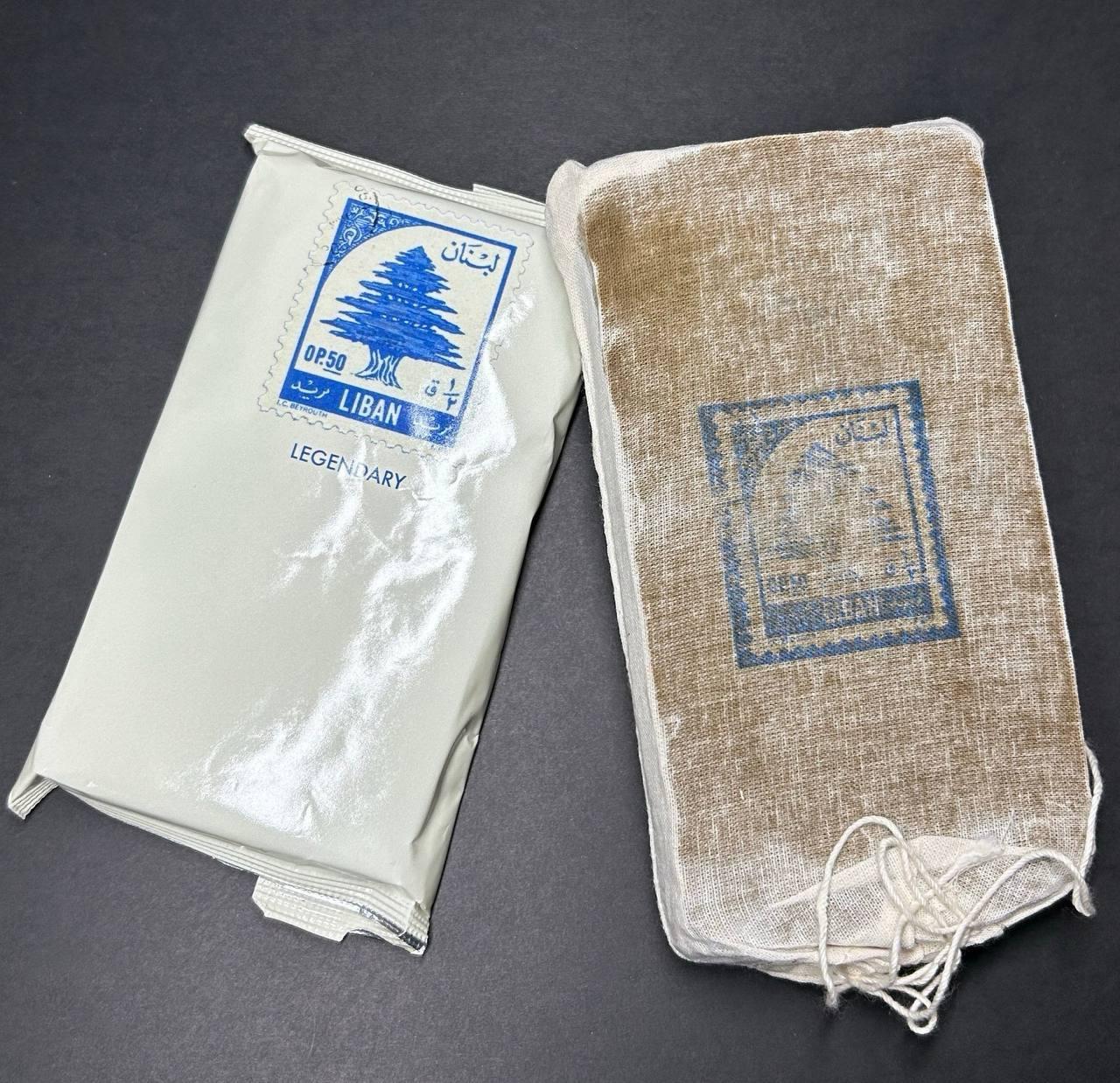
Red Kashmir Hash is named for Kashmir, a region that Wikipedia’s Hashish article counts, with the rest of India, among the main sources of Europe’s hashish around 1900. You can pick 1 g, 1/8 oz, 1/4 oz, 1/2 oz or 1 oz of this hash.
A timeline of Kashmir and charas
- 1800s: Wikipedia’s Hashish article says the hashish India sent abroad in large amounts was called charas.
- Until the 1930s: a 1953 article in the UN’s Bulletin on Narcotics says India historically imported charas from Xinjiang. Yarkand was the hub of that trade, and Leh held an official warehouse.
- 1930s: exports under Chinese control came to a stop.
- 1940 and 1941: Kashmir State officials were still weighing whether to make charas locally, while indigenous Indian hemp was said to give little resin.
- 1940s: some Nepali charas was arriving in India.
The UN article defines charas as India’s name for crude cannabis resin, almost always smoked, and describes garda charas, an inferior grade that reached India mainly from the Gardez area of Afghanistan.
Charas, ganja and bhang
Indian usage separates three preparations, per Wikipedia: ganja is the flowering tops, bhang is the seeds and leaves, and charas alone is the resin. In Sensi Seeds‘ definition, charas is handmade Indian hashish from plants that are still growing, as opposed to hashish from harvested ones, and purists accept only charas from India’s Himalayan region.
Charas is made most often in Himachal Pradesh, in valleys such as the Parvati, and in Kashmir, according to Sensi Seeds, and while it can be found all over India, little of it leaves the country for Europe or anywhere else.
What two old reference books recorded
The 1874 book Pharmacographia, quoted by Sensi Seeds, insisted that charas came only from hemp raised at a certain elevation in the hills, and that hemp grown just anywhere, even in India, would not do. A Victorian reference book quoted in the same article describes another way of gathering resin: men in leather clothing walked through the plants and, from time to time, scraped off what had stuck to them.
Charas also has its own unit, the tola, given by Sensi Seeds as 11.7 g, and in worship of Shiva it is smoked in a chillum, a straight clay pipe.
A careful start with Red Kashmir
Health Canada’s lower-risk advice puts hash among the high-THC extracts and steers new or occasional users away from them.
Customer reviews
Be the first to review Red Kashmir Hash.
More Hash
 Sale
Red Kashmir Hash — Frequently Asked Questions
Q.What is charas?
In Sensi Seeds’ definition, handmade Indian hashish rubbed from living plants. The 1953 UN Bulletin on Narcotics uses the word for India’s crude cannabis resin in general.
Q.Where in India is most charas made?
Sensi Seeds names Himachal Pradesh, including the Parvati Valley, and Kashmir as the places it is made most often.
Q.Where did India’s charas come from before the 1930s?
From Xinjiang, says the 1953 UN article; Yarkand was the trading centre and Leh had an official warehouse.
Q.How do ganja and charas differ?
In India, ganja means the flowering tops of the plant and charas the resin, according to Wikipedia. A third word, bhang, covers the seeds and leaves used in drinks and sweets such as bhang lassi and thandai.