An Honest Starting Point
Let us set the tone before anything else. This article is general information about cannabis and appetite, not medical advice, and nothing here is a promise that cannabis will treat any condition. Appetite problems can be serious and can have many different causes, so the right first step for anyone facing one is a conversation with a doctor or another qualified healthcare professional, not a blog post.
With that said, it is no secret that a lot of people notice cannabis changes how they feel about food. The munchies are practically a cultural joke at this point, and the effect is real enough that almost anyone who has spent time around cannabis has a story about it. So while we will not make medical claims, we can talk honestly and generally about what people commonly experience and why.
The goal here is to be useful without overstepping. We will explain what people typically report, touch on why the effect is associated with THC, and offer some practical, common sense notes. What we will not do is tell you cannabis is a remedy or suggest it should replace proper medical care. If you take one thing from this piece, let it be that serious appetite issues deserve a professional, and cannabis is not a substitute for one.
What People Commonly Notice
The most widely reported effect is simple. After using cannabis, especially THC rich cannabis, a lot of people find that food suddenly seems much more appealing. Flavours can feel more interesting, snacks that were easy to ignore become hard to resist, and the general urge to eat tends to climb. This is the everyday experience people are describing when they talk about the munchies.
It is not just about quantity either. People often say food tastes better or more vivid after cannabis, which can make eating more enjoyable in the moment. That heightened interest in flavour and snacking is one of the most consistent things people mention, and it is a big part of why the connection between cannabis and appetite is so well known in the first place.
None of this is universal, though, and that is worth saying plainly. Responses vary from person to person and strain to strain. Some people get a strong urge to eat, others barely notice a change, and a few find certain strains do not do it for them at all. So while increased interest in food is the common report, it is a tendency, not a guarantee, and your own experience may differ.
It also tends to vary with timing and setting. Some people notice the effect most strongly an hour or two into a session, while others feel it taper off as the high settles. Where you are and what is around matters too. If there is food nearby and you are relaxed, the urge to snack is easy to act on, while if you are busy or out of the house it may barely register. These are everyday observations, not rules, and they line up with how loosely the whole thing works in practice.
Why THC Is Usually the Talking Point
When people discuss cannabis and appetite, they are almost always talking about THC. THC is the main intoxicating compound in cannabis and the one most associated with that classic increase in interest in food. If a strain or product is high in THC, it is the more likely candidate for producing the munchies effect that people describe.
CBD, by contrast, is non intoxicating and is not the compound people typically associate with a big appetite bump. Plenty of people use CBD for a calm, clear feeling rather than for anything to do with food. So if you have read about CBD and appetite and come away confused, the short version is that the appetite talk in cannabis culture is overwhelmingly about THC, not CBD.
We want to be careful here not to drift into medical territory. We are describing a general association that comes up constantly in how people talk about cannabis, not making a claim about how it works in the body or what it does for any condition. The honest, plain language summary is that THC is the part of cannabis people connect with the munchies, and that is why high THC products come up in this conversation more than CBD ones.
The Munchies in Everyday Life
For most recreational users, the munchies are just a fun, familiar part of the experience. You smoke or eat something, settle in, and an hour later a bag of chips or a tub of ice cream looks far more interesting than it did before. People plan for it, joke about it, and build whole snack routines around it. In a casual, recreational sense, it is one of the more enjoyable quirks of cannabis.
That everyday reality is different from a medical situation, and it is important not to blur the two. Enjoying snacks while relaxed on a weekend is not the same as managing a real appetite problem, which is a medical matter for a professional. We mention the lighthearted side because it is genuinely part of the culture, not because a snack craving is in any way a substitute for medical care.
If you are simply someone who enjoys cannabis and finds you get hungry, there is nothing to overthink. Keep some food you like around, enjoy it, and have a good time. The munchies are, for the vast majority of people, just a pleasant side effect of a relaxing evening, and treating them as the casual, fun thing they are is the right frame for recreational use.
Strains People Associate With the Munchies
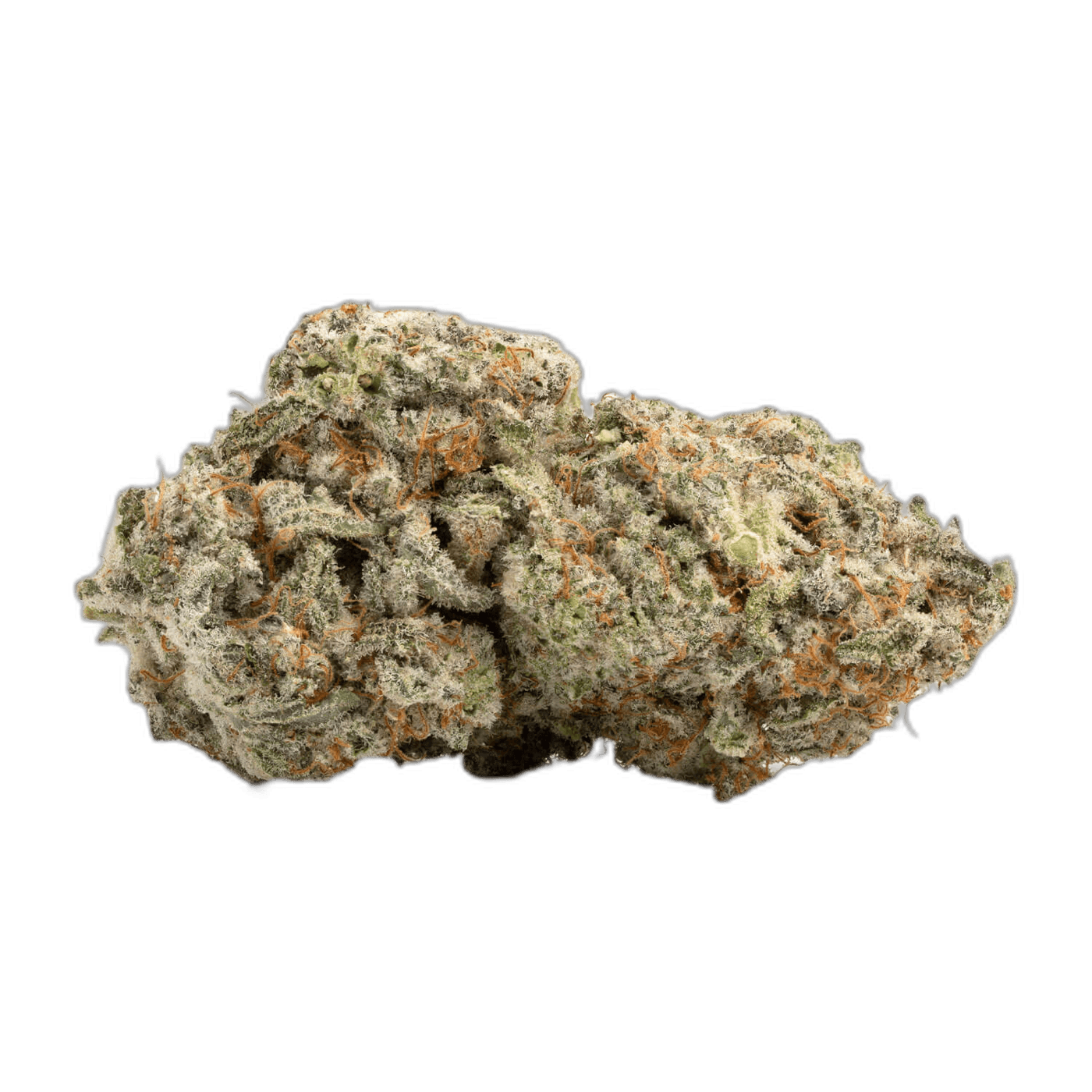
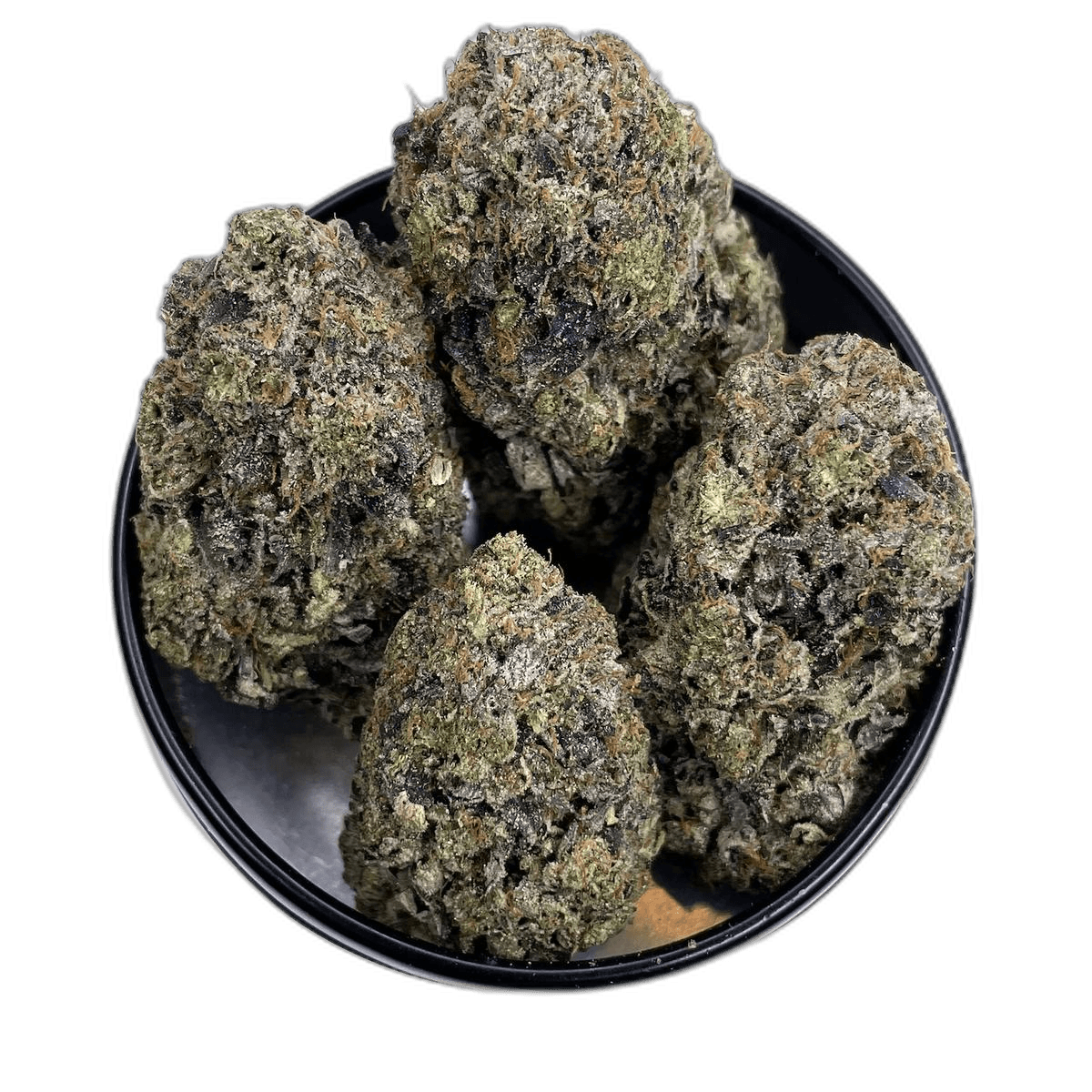
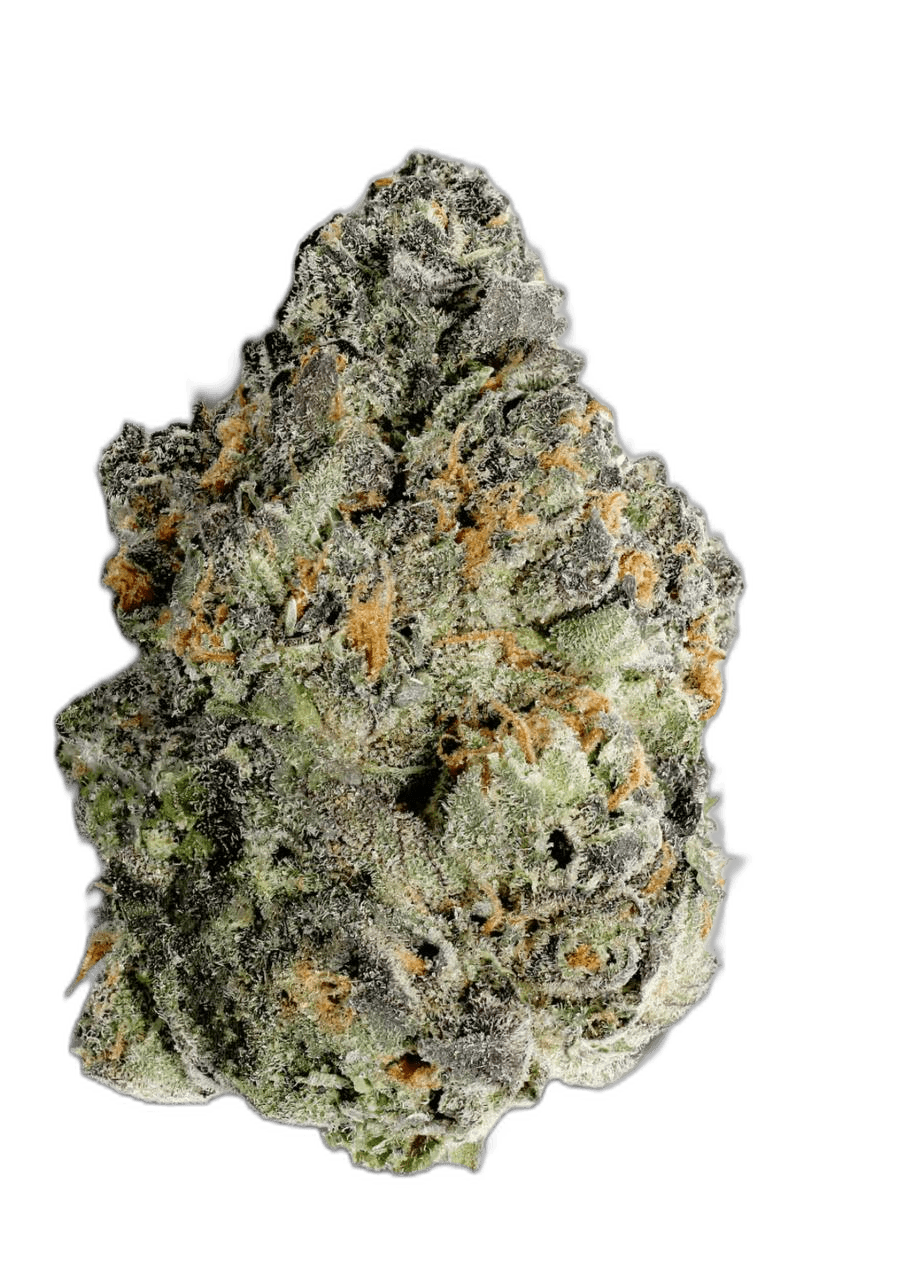
Within cannabis culture, certain strains have a reputation for bringing on a strong appetite, and they tend to be high THC strains. Names that come up often include classics on the indica and hybrid side, since a relaxed, mellow high frequently goes hand in hand with that interest in food. This is folklore and shared experience more than anything precise, so treat it that way.
It is also worth saying that effects are individual. A strain that reliably gives one person the munchies might do little for another. Tolerance, the specific product, how much you take, and your own body all play a role. So while you will hear people swear by particular strains for snacking, the only way to know what a given strain does for you is your own experience with it.
We are deliberately not framing any of this as a recommendation for a medical purpose. If you are choosing a strain purely for recreational enjoyment and you happen to like the snacky, relaxed feel some of them bring, that is your call to make. But picking cannabis to manage a genuine medical appetite issue is not something to sort out from a strain list, it is a conversation to have with a healthcare professional.
Edibles, Flower, and Format Differences
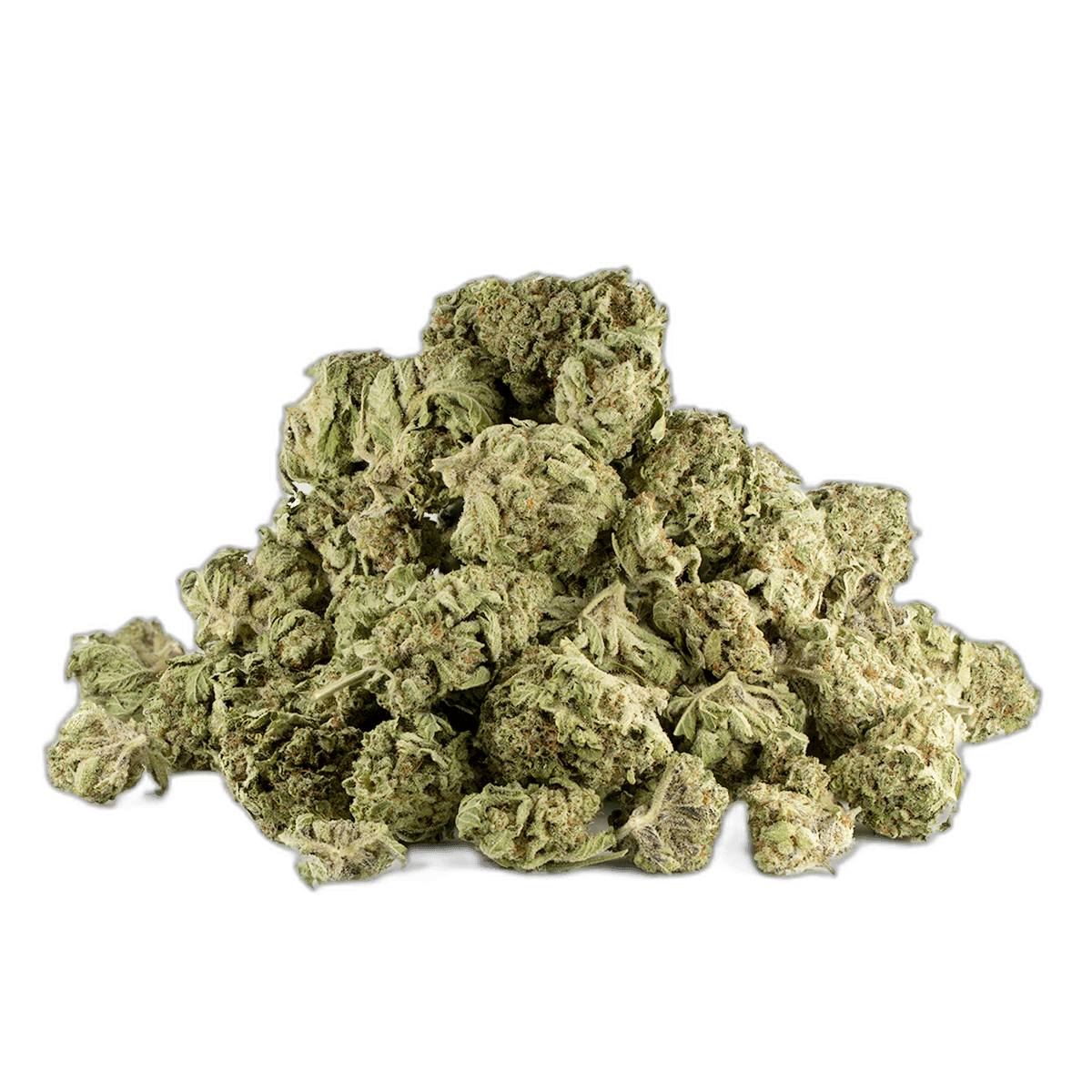
The format you choose changes the overall experience, even if the appetite association mostly tracks with THC across the board. Smoked or vaped flower comes on quickly and fades sooner, so any effects, including increased interest in food, tend to arrive fast and pass within a few hours. For a lot of people that quick, predictable timing is part of the appeal of flower.
Edibles are a different animal. They take longer to come on, often a couple of hours, and the effect lasts much longer and can feel stronger. That slower, heavier curve catches people out constantly, so the golden rule with edibles is to start with a low dose and wait a good while before considering more. Stacking doses because nothing happened in twenty minutes is how people end up far too high.
For the purposes of this article, the practical point is just to know your format. If you are new, flower is more forgiving because the timing is easier to read. Edibles reward patience. Whichever you choose, the same honest framing applies, this is recreational enjoyment, not a treatment, and your own response will shape what works for you more than any general rule will.
Practical, Common Sense Notes
If you enjoy cannabis and the appetite effect that often comes with it, a little planning makes the experience nicer. Having some food you actually like on hand beforehand beats scrambling around later or making a questionable late night decision. It sounds obvious, but a bit of prep turns the munchies from a chaotic scramble into a genuinely pleasant part of the evening.
Staying hydrated is sensible too. Cannabis can leave your mouth dry, so keeping water nearby is an easy win whether or not you end up snacking. And as always, start with a modest amount, especially with a new strain or an edible, so you can see how it treats you before going further. Moderation keeps the whole thing fun and comfortable rather than overwhelming.
Most of this is just common sense, but it is the kind of common sense that makes recreational use better. None of it is medical guidance, and none of it changes the core message of this piece. Enjoy cannabis responsibly if you choose to use it, keep your expectations realistic, and leave any actual medical questions to the professionals who are qualified to answer them.
Where the Line Is: Medical Matters
This is the part we want to be most careful and most clear about. A genuine appetite disorder or any significant, unexplained change in appetite is a medical issue, full stop. It can be tied to many different underlying causes, some of them serious, and it deserves proper evaluation by a healthcare professional. That is not something a cannabis retailer or a blog is equipped to handle, and we will not pretend otherwise.
We are not going to tell you that cannabis treats, cures, or manages any appetite condition, because making that kind of claim would be irresponsible and is not something we are qualified to do. The research around cannabis and various health topics is still developing, individual responses vary widely, and only a doctor who knows your situation can give you real guidance. Please take that seriously.
If appetite changes are affecting your health or your daily life, the right move is to speak with a doctor. They can look at the full picture, rule things in or out, and advise you properly, including on whether cannabis has any place in your situation at all. Treat this article as general, recreational context, and treat a real appetite problem as what it is, a reason to see a professional.
Keeping Expectations Realistic
It helps to hold a clear, honest view of what cannabis is and is not in this context. For many recreational users, it is something that makes food more appealing and an evening more relaxed, and that is a perfectly nice thing to enjoy. What it is not is a reliable tool for solving a medical problem, and going in with that understanding keeps you on solid ground.
Expectations also matter because responses are so individual. You might find a strain that consistently gives you a pleasant case of the munchies, or you might notice very little change. Both are normal. Cannabis affects everyone a bit differently, and the only way to learn your own pattern is to pay attention to how different products and amounts actually treat you over time.
The bottom line is balance. Enjoy the lighthearted side of cannabis and appetite if it appeals to you, stay sensible about dosing and hydration, and keep medical questions where they belong, with healthcare professionals. Approached that way, with honesty and realistic expectations, cannabis can be an enjoyable part of recreational life without anyone overstating what it does.
Why Responses Vary So Much
One of the most honest things anyone can say about cannabis and appetite is that people simply respond differently, and there is no single experience that applies to everyone. Two people can use the exact same product and come away with completely different impressions, one ravenous and one barely changed. That variability is normal and worth keeping front of mind, because it means general statements only go so far and your own experience is the only one that actually describes you.
A lot of factors feed into this. Tolerance plays a big role, since regular users often notice effects differently than occasional ones. The specific product matters, as does the amount taken and even the time of day or your mood going in. None of these are things we can pin down precisely for any individual, and we are not going to pretend otherwise. They simply combine in ways that make each person's response their own.
The practical takeaway is to hold loosely to anything you read, including this article. Treat general information as a rough sketch of common experiences, not a prediction of yours. If you use cannabis recreationally and want to understand how it affects you, the only real method is to notice your own patterns over time rather than assuming you will match what someone else describes. Curiosity about your own response is far more useful than any blanket claim.
Setting and Context Matter
Beyond the cannabis itself, the situation you are in shapes a lot of the experience, appetite included. Being relaxed at home with food nearby is a very different context than being out and occupied, and people often notice their interest in snacking tracks with that as much as anything. A comfortable, low key setting tends to make the casual, snacky side of a session easy to lean into, simply because the food is right there and there is nothing else to do.
Mood going in matters too. Cannabis has a way of amplifying whatever headspace you arrive with, so a calm, easy mood tends to lead to a calm, easy session. This is a general observation about the recreational experience rather than a claim about anything medical, but it is a useful one. If you want a pleasant time, starting from a relaxed place and a comfortable environment stacks the odds in your favour far more than any particular strain choice.
This is also why we keep steering away from medical framing. Context, mood, and setting all influence a casual recreational experience in ways that have nothing to do with treating a condition. For someone simply enjoying cannabis on a quiet evening, paying attention to where and how they use it is part of having a good time. For anyone dealing with a genuine medical issue, none of this substitutes for a professional, which remains the consistent message of this piece.
The Difference Between Recreational and Medical
This distinction sits at the heart of the whole article, so it is worth spelling out clearly. Recreational use is someone choosing to enjoy cannabis for relaxation or fun, fully aware it is not medicine. A medical situation is something else entirely, an actual health problem that needs proper evaluation and care. The two can look superficially similar, since both might involve cannabis, but they are worlds apart in what they require, and conflating them does real harm.
We mention the lighthearted, snacky side of cannabis because it is a genuine part of the recreational culture and people enjoy it. What we will not do is let that slide into suggesting cannabis is a fix for a medical appetite problem. Those are completely different things. Enjoying a snack while relaxed on a weekend has nothing to do with managing a serious health condition, and treating the former as if it informs the latter is exactly the kind of overreach we want to avoid.
Keeping the line clear protects everyone. It means recreational users can enjoy cannabis honestly for what it is, and it means anyone with a real medical concern gets pointed toward the help they actually need rather than being sold a false promise. Throughout this piece, when we talk about appetite, we are talking about general, everyday, recreational observations. Real medical matters belong with healthcare professionals, full stop, and that boundary is not one we are willing to blur.
Talking to a Professional
If appetite changes are genuinely affecting your health or daily life, the single most useful thing you can do is talk to a doctor, and it is worth saying a little about why. A healthcare professional can look at the full picture, your history, other symptoms, and possible causes, in a way that no article or retailer ever could. Appetite shifts can stem from many different things, and only proper evaluation can sort out what is actually going on for you.
A doctor is also the right person to advise on whether cannabis has any place in your specific situation, in either direction. We are deliberately not going to make that call for anyone, because it depends entirely on the individual and their circumstances, and getting it wrong matters. A professional who knows your case can weigh things responsibly, where a general article simply cannot. That is not us dodging the question, it is us being honest about who is actually qualified to answer it.
None of this should feel discouraging. Bringing up appetite concerns with a doctor is a completely normal thing to do, and they deal with these questions regularly. The point of flagging it so often in this article is not to alarm anyone, it is to make sure the genuinely important stuff lands with the people who can help. Enjoy cannabis recreationally if you choose to, and take any real health question to a professional. Both pieces of advice stand on their own.
Common Myths Worth Clearing Up
A few persistent myths float around this topic, and clearing them up helps keep expectations realistic. One is the idea that every strain reliably triggers a huge appetite. In reality, responses vary widely from person to person and product to product, and plenty of people notice only a mild change or none at all. The munchies are a common tendency, not a guarantee, and anyone promising a specific result is overstating things.
Another myth is that CBD drives the appetite effect the way THC does. As covered earlier, the appetite association in cannabis culture is overwhelmingly about THC, the intoxicating compound, not CBD. People who confuse the two sometimes expect a CBD product to behave like a THC one, and it generally will not. Knowing which compound people actually associate with the munchies saves a lot of misplaced expectations right from the start.
The biggest myth, and the one we most want to dispel, is that casual recreational experience tells you something useful about treating a medical condition. It does not. The fact that someone gets snacky on a relaxed evening says nothing about whether cannabis is appropriate for a genuine appetite disorder. That is a medical question for a professional. Separating fun, everyday observations from real health matters is the most important piece of clarity in this whole conversation.
Order Flower and Edibles in Toronto
GasDank carries a wide range of flower and edibles and delivers same day across Toronto and the GTA, including downtown, Scarborough, North York, Etobicoke, Mississauga, Brampton, Vaughan, and Markham. Most orders arrive within one to two hours, so whatever you are in the mood for, you will not be waiting long.
Ordering is easy. The minimum starts at $40, and delivery is free once you pass $80. Pay with cash on delivery or send an Interac e-Transfer, whichever works for you. First time customers just need valid ID showing you are 19 or older, and reordering takes a minute after that.
If you are outside our delivery zone, we also ship across the rest of Canada by mail order. Browse the menu, pick your flower or edibles, and we will take care of the rest. And as a final reminder, for anything medical, please speak with a healthcare professional rather than relying on cannabis.