An Honest Starting Point
Phoenix Tears is one of several names for a type of concentrated cannabis oil that also goes by RSO and is closely related to FECO. Before going any further, it is worth being completely clear about what this article is and is not. This is a general, educational overview of what the product is, how it is made, and how people commonly use it. It is not medical advice, and it makes no claims about treating, curing, or managing any health condition.
That distinction matters because this kind of oil has a lot of bold claims attached to it online, many of them unproven and some of them irresponsible. We are not going to repeat those. There is no good scientific evidence that this oil cures or treats serious diseases, and presenting it as a remedy would be both dishonest and potentially harmful. Our aim is to give you sober, accurate information so you actually understand the product.
If you are considering this oil for any health related reason, the single most important thing we can tell you is to talk to a qualified doctor first. A medical professional can give you advice tailored to your situation, which a general article never can, and can help you weigh any decision sensibly. Please do not substitute information from the internet, including this page, for proper medical guidance.
With all of that said, plenty of people are simply curious about what Phoenix Tears actually is, how it differs from other cannabis products, and how it is made and used. Those are reasonable questions, and they deserve straight, honest answers. The rest of this guide sticks to that: what the product is, the facts around how it is produced, and how people approach it, without any of the hype.
What Phoenix Tears Actually Is
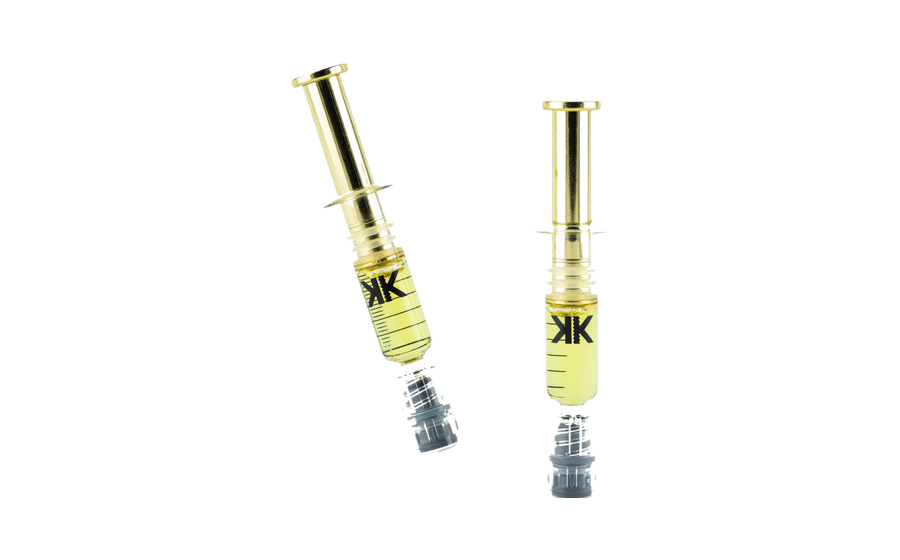
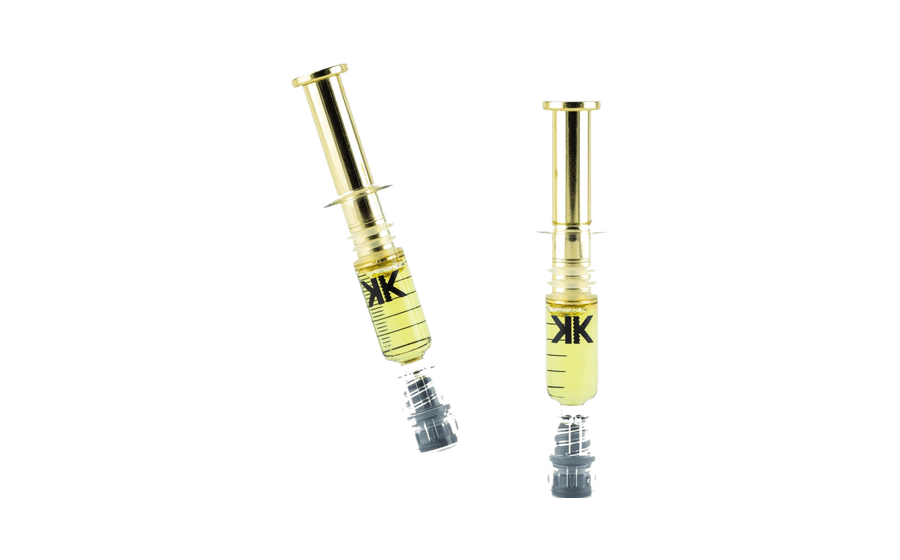
At its core, Phoenix Tears is a thick, potent cannabis oil produced by extracting the active compounds from the plant into a concentrated form. It is essentially the same category of product as RSO, which stands for Rick Simpson Oil, and it is closely related to FECO, or Full Extract Cannabis Oil. The different names largely refer to the same general idea of a whole plant, full extract oil, with some variation in method and terminology.
What sets this oil apart from many other cannabis products is how concentrated and how potent it is. Rather than being a mild preparation, it is a thick, dark, syrup like extract that contains high levels of cannabinoids, including THC. Because of that strength, it is typically handled and taken in very small amounts, usually portions about the size of a grain of rice rather than anything resembling a normal dose of milder products.
It is described as a full extract or full spectrum oil because the goal of the process is to capture a broad range of the plant's compounds, including various cannabinoids and terpenes, rather than isolating just one. That whole plant character is part of what people associate with the product. It is worth understanding that this also means it carries the full potency of those compounds, which is why caution around dosing comes up so often.
In short, Phoenix Tears, RSO, and FECO all refer to highly concentrated cannabis oils made by full extraction. The name you see often depends on the source and the specific method used, but the underlying product is broadly similar: a thick, very potent oil meant to be taken in tiny quantities. Knowing that is the foundation for understanding everything else about it.
Where the Name and the Idea Came From
The RSO name comes from Rick Simpson, a Canadian who popularized this style of homemade cannabis oil in the early 2000s. His story and his method spread widely online, and the term Rick Simpson Oil became attached to thick, full extract cannabis oils made in a similar way. The name Phoenix Tears emerged in the same general world as another label for comparable oil, and the two are often used more or less interchangeably.
It is important to be careful and honest about this history. The oil became associated with a great many health claims as it spread, and those claims raced far ahead of any solid scientific evidence. The popularity of the product owes a lot to anecdotes and word of mouth rather than rigorous proof, and that is exactly why a sober, sceptical approach is warranted. Popularity is not the same thing as proven effectiveness.
We mention the origin only to explain where the names and the concept came from, not to endorse any of the claims that grew up around them. The historical fact is simply that a particular method of making concentrated cannabis oil was popularized and given these names, and the terminology stuck. What the oil can or cannot do for anyone's health is a separate question, and the honest answer is that it is not established by good evidence.
So when you see the names Phoenix Tears or RSO, understand them as labels for a type of product with a particular backstory, not as a stamp of medical legitimacy. The names carry a lot of cultural weight and a lot of unproven promises, and separating the actual product from the surrounding hype is essential to understanding what you are really looking at.
How It Is Made, in General Terms
The basic process for making this kind of oil is conceptually simple, even if doing it safely is not. Plant material is soaked in a solvent, which pulls the cannabinoids and terpenes out of the plant and into the liquid. The plant matter is then removed, and the solvent is evaporated off, leaving behind a thick, concentrated oil. That residual oil is what gets called RSO, Phoenix Tears, or FECO.
The solvent used is one of the key variables and a point worth understanding. Rick Simpson's original method described using solvents such as naphtha or isopropyl alcohol, which are industrial solvents and not food grade. FECO, by contrast, is generally described as being made with food grade ethanol, which is considered a safer choice for something that will be taken orally. This is a meaningful distinction in terms of what ends up in the final product.
It cannot be stressed enough that making this oil at home involves real hazards, and we are not providing instructions for doing so. Working with solvents, especially flammable ones, and evaporating them off carries serious fire and safety risks, and doing it improperly can leave harmful solvent residue in the oil. This overview is meant to explain the general principle of how the product is made, not to encourage anyone to attempt it themselves.
Because of those risks and the importance of the solvent choice, the quality and safety of any given oil depends heavily on how carefully it was produced. A properly made, fully purged extract from a reputable source that tests its products is a very different thing from something made carelessly with industrial solvents. If you are obtaining this kind of product at all, sourcing it from a supplier that tests its products is far more sensible than relying on something of unknown origin.
RSO, FECO, and Phoenix Tears: The Differences
Although these terms overlap heavily, there are some commonly cited distinctions worth knowing. RSO, in its original sense, refers specifically to oil made by Rick Simpson's method, which described using more aggressive solvents like naphtha or isopropyl alcohol and multiple washes of the plant material. The emphasis was on extracting as much as possible, with potency as the priority.
FECO, or Full Extract Cannabis Oil, is generally described as being made with food grade ethanol, which many consider a safer solvent for an orally consumed product. In that sense, RSO is sometimes described as a particular type of full extract oil made by a specific protocol, while FECO is the broader, often more food safe version. The end products are similar in being thick, potent, full extract oils, but the solvent and method can differ.
Phoenix Tears, meanwhile, tends to function as another general name in the same family, often used more or less synonymously with RSO. In practice, the labels are not always applied consistently, and a product called one thing by one source might be called another elsewhere. This is exactly why reading the actual product information, rather than relying on the name, is so important.
The practical takeaway is that these names describe closely related full extract cannabis oils that vary mainly in their production method and solvent. Rather than getting caught up in the terminology, the more useful questions are how a particular oil was made, what solvent was used, how potent it is, and whether it comes from a reputable source that tests it. Those details tell you far more than the name on the label ever will.
How People Commonly Use It
People most commonly take this kind of oil orally, often by placing a very small amount under the tongue or swallowing it directly. Because the oil is so potent, the quantities involved are tiny, frequently compared to the size of a grain of rice or smaller. Some people also mix it into food or put it into capsules to make it easier to take, given that the oil itself is thick and strongly flavoured.
The defining feature of how it is used is caution around the amount, because the product is so concentrated. People who use it typically start with extremely small portions and increase only very gradually, if at all, paying close attention to how they feel. This careful, slow approach exists precisely because the oil is far stronger than most other cannabis products, and a small amount can have a pronounced effect.
It is also worth noting that oral cannabis products in general take much longer to take effect than smoking or vaping, often well over an hour, and the effects can last a long time. That delay makes it especially easy to take too much by not waiting long enough between doses. Anyone using oral cannabis products needs to be patient and give the effects ample time to appear before considering any more.
We are describing common usage patterns here for the sake of understanding, not recommending any particular regimen, and certainly not for any medical purpose. How, whether, and in what amount anyone should use a product like this is a decision that should involve a doctor, especially given the potency and the long lasting effects. The general point is simply that, because of its strength, this oil is treated with far more caution than milder cannabis products.
Being Clear About What It Does Not Do
This is the most important section in the whole guide, so we want to be completely direct. Phoenix Tears, RSO, and FECO are not proven to treat, cure, or prevent any disease or medical condition. Despite the many dramatic claims that circulate online, there is no good scientific evidence supporting the idea that this oil is a cure or a treatment for serious illnesses, and we will not pretend otherwise.
A great deal of the reputation around this product is built on anecdotes, testimonials, and hope rather than rigorous research. Personal stories, however sincere, are not the same as scientific proof, and serious health decisions should never be based on them. It would be irresponsible for us to imply that this oil can do things that have not been demonstrated, and we are not going to do that.
This is genuinely important because relying on an unproven product in place of established medical care can be dangerous. If someone has a serious condition, the responsible path is proper medical treatment under the guidance of qualified professionals, not an internet sourced oil with unverified claims attached. We say this plainly because the stakes can be high, and honesty matters more than telling people what they might want to hear.
To put it as simply as possible: nothing in this article is medical advice, and this product is not a proven remedy for anything. If you are dealing with a health issue, please speak to a doctor. A qualified medical professional is the right person to advise you, and no article, including this one, can or should take their place.
Why a Doctor Should Be Involved
There are several concrete reasons a doctor should be part of any decision involving a product like this. Cannabis, and especially a concentrated form with high THC, can interact with medications and may not be appropriate for everyone. A doctor knows your medical history, your current medications, and your overall situation, which lets them give advice that a general article simply cannot provide.
A medical professional can also help you understand the real risks and put online claims into honest perspective. Where the internet is full of exaggeration in both directions, a doctor can give you grounded, individualized guidance. If you have a health concern, they can also make sure you are not overlooking established treatments that have actual evidence behind them, which is a serious risk when people turn to unproven products on their own.
We keep returning to this point because it genuinely is the responsible message. It is easy to find content online that overpromises about cannabis oil, and we would rather be the source that tells you plainly to consult a professional. Your health is not something to experiment with based on anecdotes, and a real conversation with a doctor is worth far more than anything you will read on a product page, including this one.
Quality and Sourcing Considerations
If you are looking at this kind of product at all, the quality and the source matter enormously, arguably more than with almost any other cannabis product. Because the oil is a concentrated full extract and the production process can involve solvents, a poorly made product can carry residual solvents or contaminants. A properly produced, fully purged oil from a careful source is a very different thing from something made without proper care.
This is precisely why a lab-tested product is so much more sensible than something of unknown origin. Lab testing checks potency and purity in a way a homemade oil never is, which provides a meaningful layer of assurance. With a product this concentrated, knowing what you are actually getting is not a minor detail, it is central to using it responsibly at all.
Transparency is the signal to look for. A trustworthy product is clear about its potency and how it was made, and comes from a seller you can verify. Vague claims, no information about testing, and unknown production methods are all reasons for caution. As with any potent cannabis product, buying from a reputable source that tests its products is the responsible approach, and it is the only way to have real confidence in what you are consuming.
Common Misconceptions
The biggest misconception by far is that this oil is a proven cure for serious diseases. It is not, and we have said so plainly throughout this guide. The internet is full of confident claims to the contrary, but confidence is not evidence, and the responsible reading of the science is that these claims are unproven. Treating the oil as a miracle remedy is the single most important mistake to avoid.
Another misconception is that, because it is natural and plant derived, it must be gentle or risk free. In reality this is one of the most concentrated and potent cannabis products there is, and its strength demands respect. Being plant based says nothing about how strong or how appropriate something is for a given person, and the high potency is exactly why caution and medical guidance come up so often.
People also sometimes assume the different names, RSO, FECO, and Phoenix Tears, refer to entirely different products with different properties. As we have explained, they are closely related full extract oils that differ mainly in method and solvent, not fundamentally different substances. Getting hung up on the names rather than the actual product details and sourcing is an easy way to misunderstand what you are looking at.
Finally, there is a tendency to think more must be better, when the opposite caution applies here. Because the oil is so potent and oral effects come on slowly and last a long time, restraint and patience are the watchwords. The honest, responsible framing is not about maximizing intake but about understanding that this is a strong product that should be approached carefully, and ideally with a doctor's input.
Storing and Handling It Sensibly
For anyone who does have this kind of oil, sensible storage and handling are worth understanding, since the product is concentrated and strongly flavoured. Like other cannabis extracts, it generally keeps best in an airtight container kept somewhere cool, dark, and dry, away from heat and light, which helps preserve the compounds in the oil over time. Careful storage simply protects what is a potent product.
The thick, sticky nature of the oil is part of why people often transfer it into capsules or mix it into food, as it can be awkward to handle directly. Whatever the method, the recurring theme is care and small amounts, because the oil is so concentrated. Handling it deliberately, rather than casually, reflects the caution that its strength calls for in every respect.
It is also important to keep any potent cannabis product well out of reach of children, pets, and anyone it is not intended for, stored securely and clearly separated from ordinary food. Given the high potency, accidental consumption could be a real problem, so secure, sensible storage is not just about preserving quality but about basic safety. As with all of this, a doctor is the right person to consult about any actual use.
A Sober Summary
To bring it all together honestly, Phoenix Tears is a common name for an RSO style, full extract cannabis oil, closely related to FECO. It is a thick, very potent product made by extracting the plant's compounds with a solvent and evaporating that solvent off, and it is typically taken orally in tiny amounts because of its strength. That is what the product actually is, stripped of the hype.
The crucial part bears repeating one more time. This oil is not proven to treat or cure any disease, nothing in this article is medical advice, and anyone considering it for a health reason should talk to a doctor. We have been deliberately sober about this because the subject attracts a lot of exaggeration, and we think you are better served by straight facts than by promises that the evidence does not support.
If, after speaking with a medical professional, you are simply looking to understand or obtain cannabis products responsibly, the same principles apply as with anything potent: prioritize quality, transparency, and a regulated, tested source. GasDank is independent, and the goal here is honest information, not to sell anyone on unproven claims. When it makes sense for you, we deliver cannabis products same day across Toronto and the GTA, with a $40 minimum ($60 in the outer GTA), free delivery over your area's threshold, payment by cash or Interac e-Transfer, and all orders restricted to those 19 and older.