What Potency Really Means
When people talk about cannabis potency, they usually mean one thing, how much THC is in it. THC is the main compound that gets you high, so the more of it a product contains, the stronger the effect tends to be. Potency is the shorthand for that strength, and it is the number most buyers look at first when choosing what to get.
For flower, potency is shown as a percentage by weight. A flower listed at twenty percent THC means roughly a fifth of its weight is THC. For edibles and concentrates, potency is shown differently, usually in milligrams, which tells you the actual dose per piece or per package. Same idea, different way of measuring, depending on the product format.
But here is the thing worth understanding from the start. Potency is not the whole story of how good or enjoyable a cannabis product is. It is one important number among several, and chasing the highest possible figure is a common beginner habit that often leads to a worse experience, not a better one. Strength and quality are not the same thing.
THC: The Main Driver
THC is the star of the potency conversation because it is responsible for the classic high, the euphoria, the head change, the body buzz. When a product is described as strong, it almost always means high in THC. This is the compound that has the biggest, most noticeable effect, which is why it dominates how potency is measured and discussed.
Different products carry wildly different THC levels. Flower commonly lands somewhere in a moderate to high percentage range, concentrates can be far stronger by weight, and edibles are measured per piece so a single gummy might contain a modest, beginner friendly amount. Knowing roughly where a product sits helps you judge how careful you need to be with it.
More THC is not automatically a better time. Past a certain point, cranking up the THC just makes it easier to overshoot into an uncomfortable, anxious, or sleepy place rather than a pleasant one. Experienced users often prefer a strength that suits the moment over the absolute strongest option. The goal is the right effect, not the biggest number on the label.
CBD and Why It Matters
CBD is the other compound you will see on labels, and it works very differently from THC. CBD does not get you high. On its own it is non intoxicating, and many people find it brings a calm, mellow quality without the head change THC produces. It is often listed alongside THC because the balance between the two shapes the overall feel.
When a product contains both THC and CBD, a lot of people find the CBD takes some of the edge off the high. It can make a strong THC product feel more balanced and less likely to tip into anxiety. That is why some users, especially those sensitive to THC, look for products with a bit of CBD in the mix for a gentler ride.
There are products across the whole spectrum, from high THC with almost no CBD, to balanced blends, to high CBD with minimal THC. None is better in the abstract, they just suit different goals. Understanding that CBD is part of the picture, not just THC, gives you a much better handle on how a given product is likely to actually feel.
How to Read a Flower Label
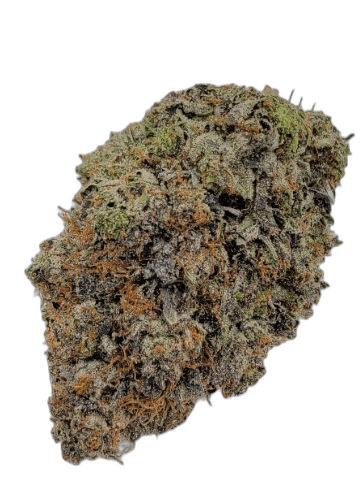
On a flower package, the headline numbers are the THC and CBD percentages. A higher THC percentage means a stronger product, gram for gram. If you see something in the high teens to low twenties for THC, that is a solid, potent flower for most people. Much lower and it is on the gentle side, much higher and it is heavy hitting.
Sometimes labels show two THC figures, a total THC and a slightly different raw number. The total THC is the one that matters for the effect you will feel, since it accounts for the activation that happens when you smoke or vape. If you are comparing products, compare the total THC figures so you are looking at the same thing across the board.
We never publish fake lab numbers, and it is worth knowing that potency can vary a little from batch to batch even within the same strain, because cannabis is a plant, not a factory product. So treat the printed percentage as an accurate guide rather than an exact guarantee down to the decimal. It tells you what range you are in, which is what counts.
How to Read an Edibles Label
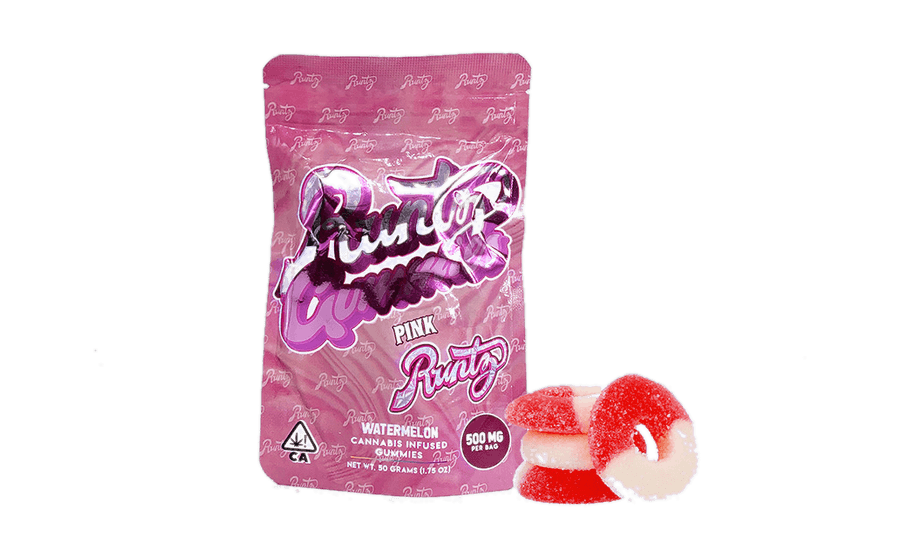
Edibles are measured in milligrams of THC, and this is where reading the label carefully really pays off. The two numbers you want are the milligrams per piece and the total in the package. A pack might say one hundred milligrams total across ten gummies, which means ten milligrams each. From that, you can plan your dose precisely.
Ten milligrams is generally considered a standard adult dose for someone with a bit of experience, while two and a half to five milligrams is a sensible starting point for a beginner. Because edibles are dosed so exactly, they are actually easier to control than flower, as long as you read the per piece number and respect it rather than eyeballing it.
The danger with edibles is never the label, it is ignoring it. The milligram number tells you exactly what you are taking, but edibles are slow to kick in, so people who do not trust the label take more too soon. Read the dose, take it, and wait. The information is right there to keep you safe if you actually use it.
One more habit worth building is doing the simple math before your first bite, every time. Divide the total by the number of pieces, decide what fraction matches the dose you want, and portion accordingly. It takes ten seconds and turns a vague guess into a precise plan, which is the entire advantage edibles have over eyeballing a puff of flower.
Why the Highest THC Is Not Always Best
There is a real temptation, especially for newer buyers, to always reach for the highest THC percentage on the shelf, as if it is the best value or the best product. In practice this often backfires. A very high THC flower can be too much for someone who does not have the tolerance for it, leading to a heavy, uncomfortable, or anxious experience.
Quality is about much more than raw strength. The flavour, the aroma, the way the high feels, and how smooth it is all matter, and none of those are captured by the THC percentage. Plenty of moderate strength strains are far more enjoyable than a maxed out one, because they deliver a balanced, pleasant effect instead of just hitting you as hard as possible.
The smarter approach is to think about the effect you want and match the strength to that. For a relaxed evening you might want something different than for a social afternoon. Matching potency to the occasion and to your own tolerance gives you a better time than blindly chasing the biggest number, which is a lesson most people learn after one too strong session.
Tolerance Is Personal
The same product affects different people very differently, and tolerance is the reason. A daily smoker can handle a strength that would floor someone who rarely uses cannabis. There is no universal correct dose, only the dose that is right for you, and that shifts depending on how often and how much you use over time.
Tolerance builds with regular use. The more consistently you consume, the more it takes to feel the same effect, which is why heavy users gravitate toward stronger products. The flip side is that taking a break lowers your tolerance again, so coming back after time off, you should treat yourself almost like a beginner and dose down accordingly.
This is exactly why the start low and go slow advice exists. Since you cannot know in advance precisely how a product will hit you, beginning with a small amount and working up is the only reliable way to find your sweet spot. It costs you nothing but a little patience and saves you from the misery of accidentally taking far too much.
How Format Changes the Experience
The same amount of THC feels different depending on how you take it, and this surprises a lot of people. Smoking or vaping flower hits within minutes and tends to fade within a couple of hours, giving you fast feedback and easy control. You feel it quickly, so you know right away whether to stop or have a little more.
Edibles are a completely different animal. Because they go through your stomach and liver, they take much longer to kick in, often somewhere between forty five minutes and two hours, and the effect lasts far longer and tends to feel heavier in the body. The same milligrams of THC eaten can feel much stronger than smoked, which is why edible dosing demands extra caution.
Concentrates sit at the strong end, packing a lot of THC into a small amount, so they are best left to experienced users who know their tolerance. The takeaway is that potency interacts with format. A number that is mild in one form can be intense in another, so always factor in how you are consuming, not just the figure on the package.
Tinctures and oils are another format worth a mention, since they can land somewhere in between. Taken under the tongue they may come on faster than a cookie, while swallowed they behave more like an edible. The point is the same throughout. Always factor in how a product enters your body, because that shapes the timing and feel as much as the dose does.
The Role of Terpenes
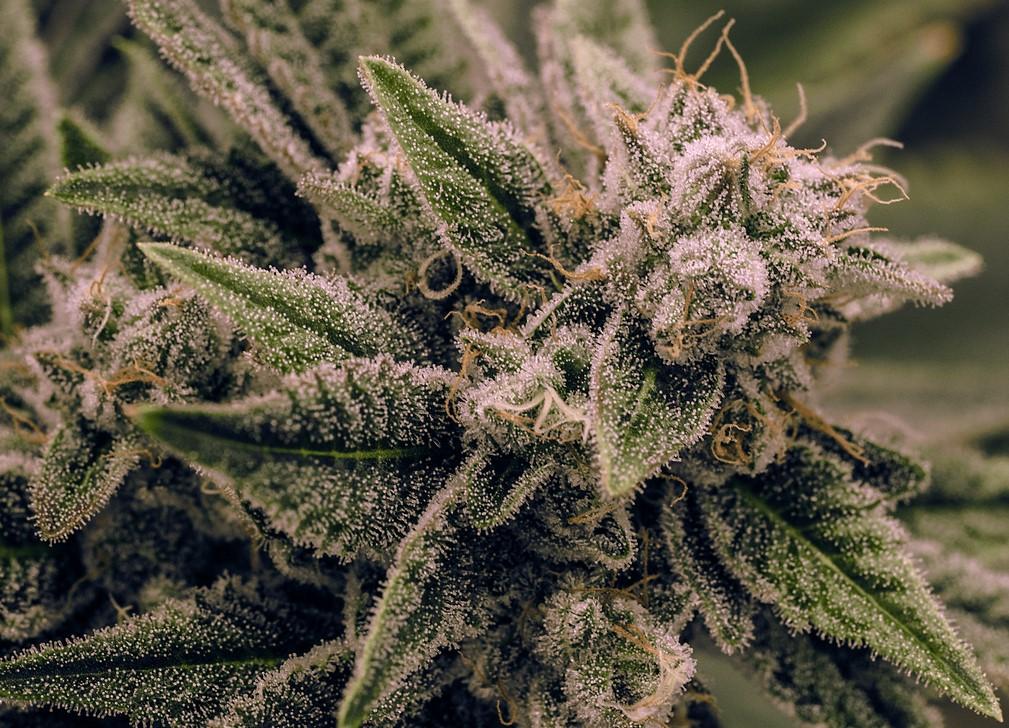
Potency numbers leave out something important, the terpenes. These are the aromatic compounds that give each strain its distinct smell and flavour, the citrus, pine, fuel, or sweet notes you notice. They do more than smell nice. Many people believe terpenes shape the character of the high, nudging it toward relaxing or uplifting even at similar THC levels.
This is part of why two flowers with the same THC percentage can feel noticeably different. The terpene profile, working alongside the cannabinoids, influences the overall experience in ways a single potency number cannot capture. It is one more reason that chasing THC alone misses a big piece of what makes a strain enjoyable or suited to a particular mood.
You do not need to memorize terpene names to benefit from this. Just pay attention to how different strains make you feel, not only how strong they are. Over time you will notice that you prefer certain aromas and effects, and that preference is your own nose and body picking up on terpenes. It is a more useful guide than potency alone.
Starting Low and Going Slow
If there is one rule that covers everything about potency and dosing, it is this. Start low and go slow. Whether it is your first time with a new strain, a stronger product, or edibles, begin with a small amount and give it time before having more. This single habit prevents the vast majority of bad cannabis experiences people have.
With flower, that means a puff or two and a pause to see how it lands before continuing. With edibles, it means a small dose and a wait of at least ninety minutes before even considering more, since the slow onset is so easy to misjudge. You can always take a little more, but you cannot take back what you have already had.
Going slow also helps you actually learn your preferences. By easing into a product rather than diving in hard, you notice how it builds and where your comfortable level is. That knowledge makes every future session better, because you start to know roughly what dose of what kind of product gives you exactly the experience you are after.
If You Take Too Much
Even careful people occasionally overshoot, and it helps to know that going too far with cannabis, while genuinely unpleasant, is not dangerous in the way some other substances are. If you take too much, you might feel anxious, dizzy, too high, or very sleepy, but it passes. Knowing that in advance takes a lot of the fear out of the moment.
The move if it happens is simple. Stay calm, find a comfortable place to sit or lie down, drink some water, and wait it out. Reminding yourself that the feeling is temporary and will fade is genuinely helpful, since a lot of the discomfort is the anxiety of feeling out of control. Distraction, rest, and time are all you need.
It also helps to plan ahead so you are less likely to get there in the first place. Have water nearby, choose a comfortable setting, and if you are trying something new or stronger, do it somewhere you feel safe with nothing pressing to do. A little preparation means that even if you misjudge the dose, the experience stays manageable and low stress.
Matching Potency to Your Goal
The most useful way to think about potency is to start from what you actually want, then choose strength to suit. If you want to relax in the evening and drift off, a heavier product makes sense. If you want to stay functional and social during the day, a milder one is the smarter pick. The right potency depends entirely on the occasion.
Beginners are best served by lower potency products across the board while they learn how cannabis affects them. There is no rush to work up to the strong stuff, and starting gentle makes those early experiences far more pleasant. As your tolerance and confidence grow, you can reach for stronger options knowing how to handle them sensibly.
Experienced users often keep a range on hand, something mild for daytime or social use and something stronger for winding down. That way the potency always fits the moment instead of forcing every session into the same intensity. Thinking this way, as matching strength to purpose, is far more rewarding than simply hunting for whatever has the highest number.
Comparing Potency Across Products
One thing that confuses newcomers is trying to compare potency across different product types, since they are measured in different units. A flower percentage and an edible milligram figure are not directly comparable, because they describe different things in different formats. You cannot simply line up the numbers and decide which is stronger at a glance.
The practical way to think about it is by format and experience rather than raw figures. Within flower, compare percentages to each other. Within edibles, compare milligrams to each other. Across formats, focus instead on how each one tends to feel and how long it lasts, and let your own tolerance guide how cautious to be with each new thing.
This is also why a little experience beats any chart. Once you have tried a few products and noted how each felt, you build an internal sense of what a given number means for you specifically. That personal reference is far more useful than any general rule, because potency only really matters in terms of how it lands on you in particular.
Building Your Own Sense Over Time
The real skill with potency is not memorizing numbers, it is developing a feel for what works for you. Every person responds a little differently, so the figures on a label are a starting point, not a verdict. Over a handful of sessions, paying attention to what you took and how it felt teaches you more than any guide ever could.
Keeping a rough mental note, or even a quick written one, of products you enjoyed and how much you used turns trial and error into real knowledge. You start to recognize that a certain kind of flower at a certain strength suits your evenings, or that a particular edible dose is your comfortable spot. That self knowledge is the goal.
With time, choosing the right product becomes second nature. You glance at the potency, factor in the format and your current tolerance, and you know roughly what to expect. That confidence comes from experience, not from chasing the strongest option. Understanding potency, in the end, is really about understanding yourself and what gives you the experience you want.
Getting Honest Information When You Buy
Good buying decisions depend on honest information, which is one more reason to buy from a source you trust. Clear, accurate potency figures, sensible product descriptions, and staff or guides that help you understand what you are getting all make it far easier to choose well. Vague or inflated claims are a red flag worth steering clear of.
A reliable delivery service or shop gives you the numbers you need and does not hype every product as the strongest ever. We never publish fake lab numbers, because the whole point of potency information is that you can plan around it. When the figures are trustworthy, you can pick the right product for your tolerance and your evening with confidence.
Asking questions is fair game too. A good source will happily tell you which products are gentle and which are heavy, and point a beginner toward something sensible rather than just pushing the strongest item. That kind of straight guidance is worth a lot, especially while you are still learning your tolerance and figuring out what you actually enjoy.
Order Quality Cannabis in Toronto and the GTA
Once you understand potency, the next step is getting quality products with clear information, and GasDank delivers exactly that across Toronto and the GTA. That covers downtown, Scarborough, North York, Etobicoke, Mississauga, Brampton, Vaughan, Markham, and beyond. Most same day orders arrive within one to two hours, so you are never waiting long.
Ordering is easy. Browse the menu, build an order of at least $60, and delivery is free once you pass $80. Pay with cash when the driver arrives or send an Interac e-Transfer ahead of time, whichever suits you. First time customers just need valid ID showing they are 19+, and reordering after that takes barely a minute.
Live outside the same day zone? GasDank also ships across Canada by mail order, so quality flower, edibles, and more are within reach wherever you are, all with the clear potency information you need to dose sensibly. Understand the numbers, start low, go slow, and pick what fits you. Browse the menu and we will handle the rest.