What Haze is
Leafly lists Haze, also known as Original Haze and Haze Brothers, as a sativa that first took root in Santa Cruz, California, in the 1960s, where long growing seasons suited its lengthy flowering. It credits Haze with genetics from Colombia, Mexico, Thailand and South India. AllBud calls it a sativa-dominant hybrid, rated 80% sativa. Our indica vs sativa guide explains what those labels can and cannot tell you.
Who made it is less certain. Sensi Seeds writes that most sources credit the Haze Brothers, two California growers said to have created the first Haze from Asian and South or Central American landraces, while some doubt the brothers existed and credit David Paul Watson, known as Sam the Skunkman. In a 2023 Sensi Seeds interview, Watson said Haze was given to him by the Haze Brothers, along with permission to reproduce and sell the seeds.
Haze reached the Netherlands in the 1980s and struggled there: Sensi Seeds says the first plants grew tall and took extremely long to finish flowering. Nevil Schoenmakers, founder of The Seed Bank of Holland, bought Original Haze seeds from Watson and is best remembered for crossing Northern Lights #5 with Haze, which Sensi says gave shorter plants that finished sooner. From there, Haze also became a family name for a group of mostly sativa-dominant hybrids.
Look, smell and taste
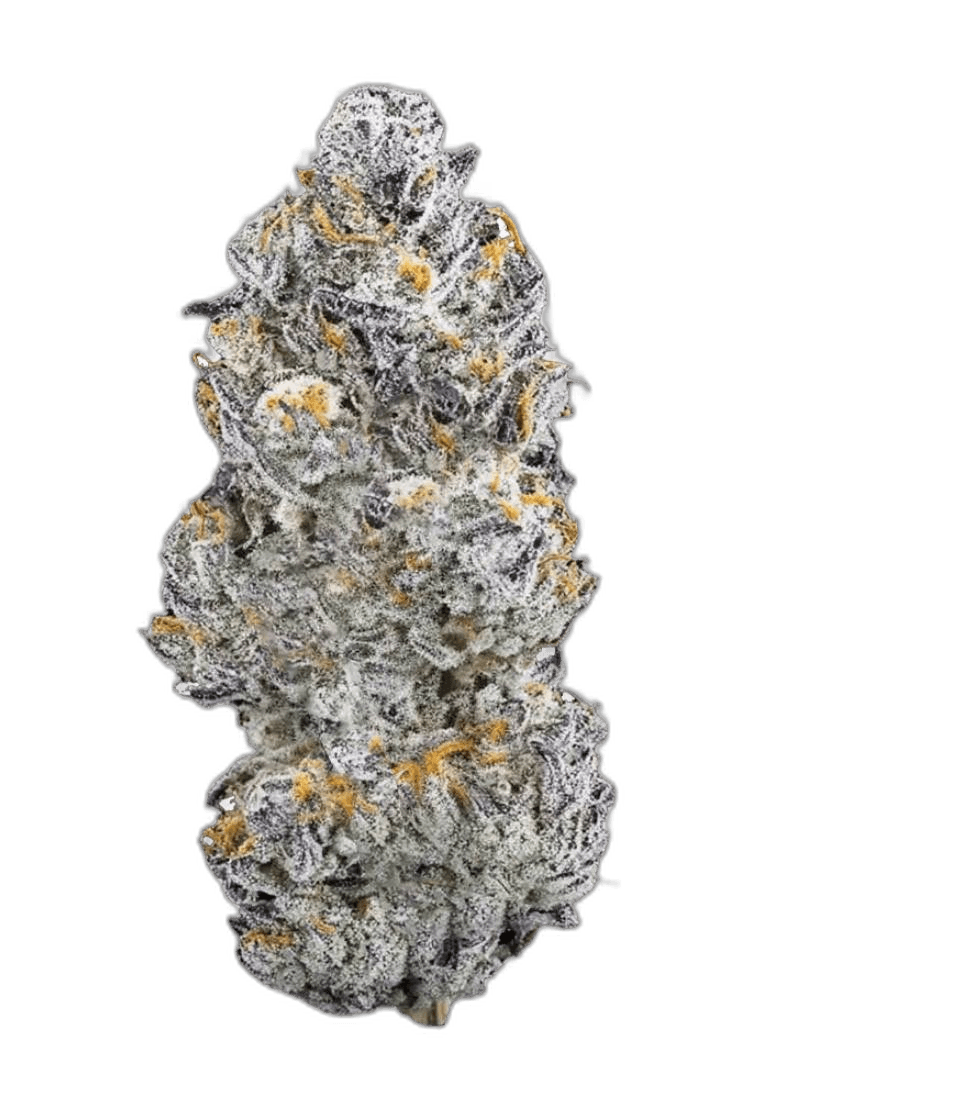
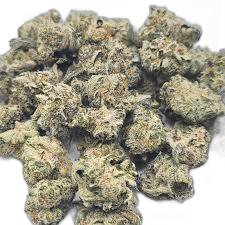
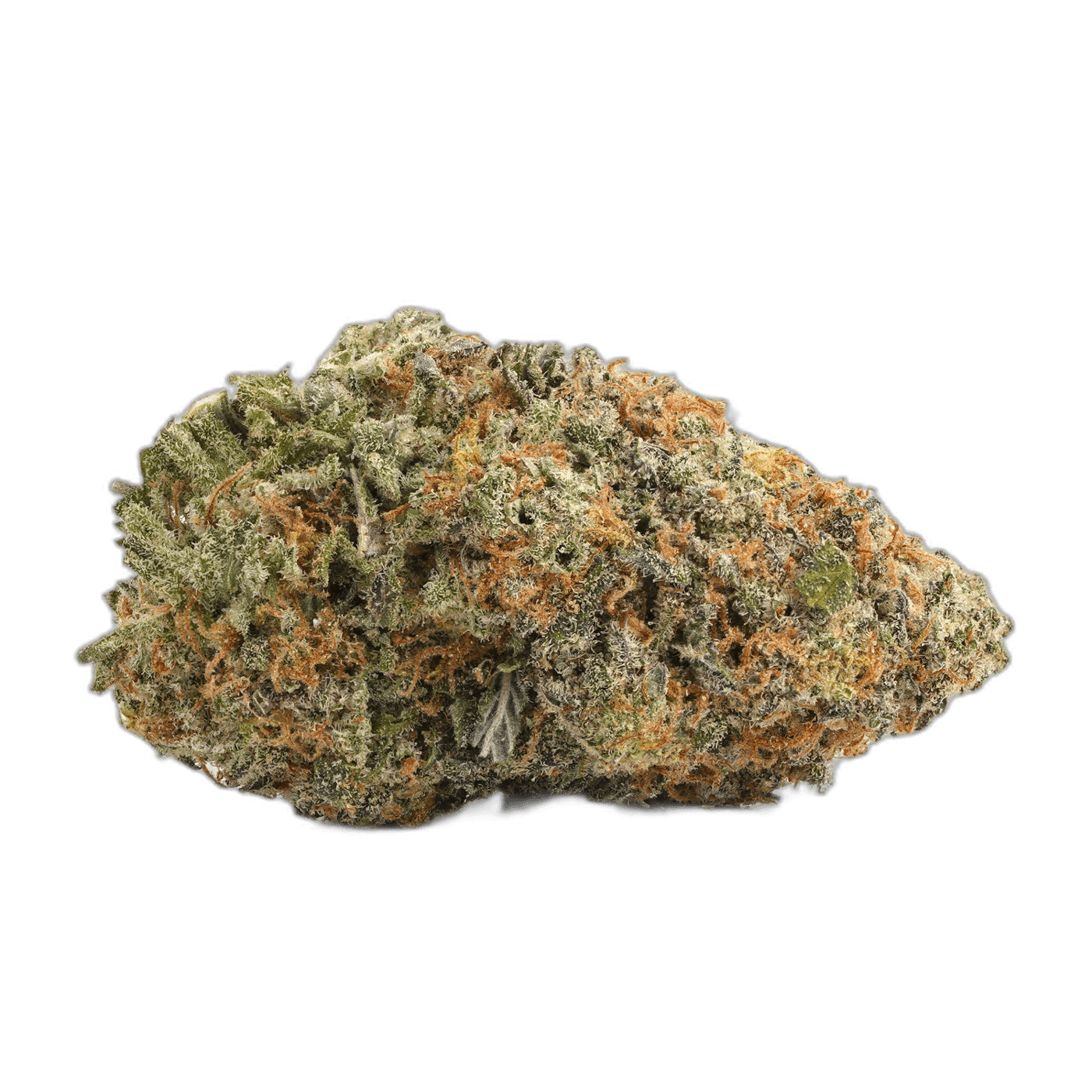
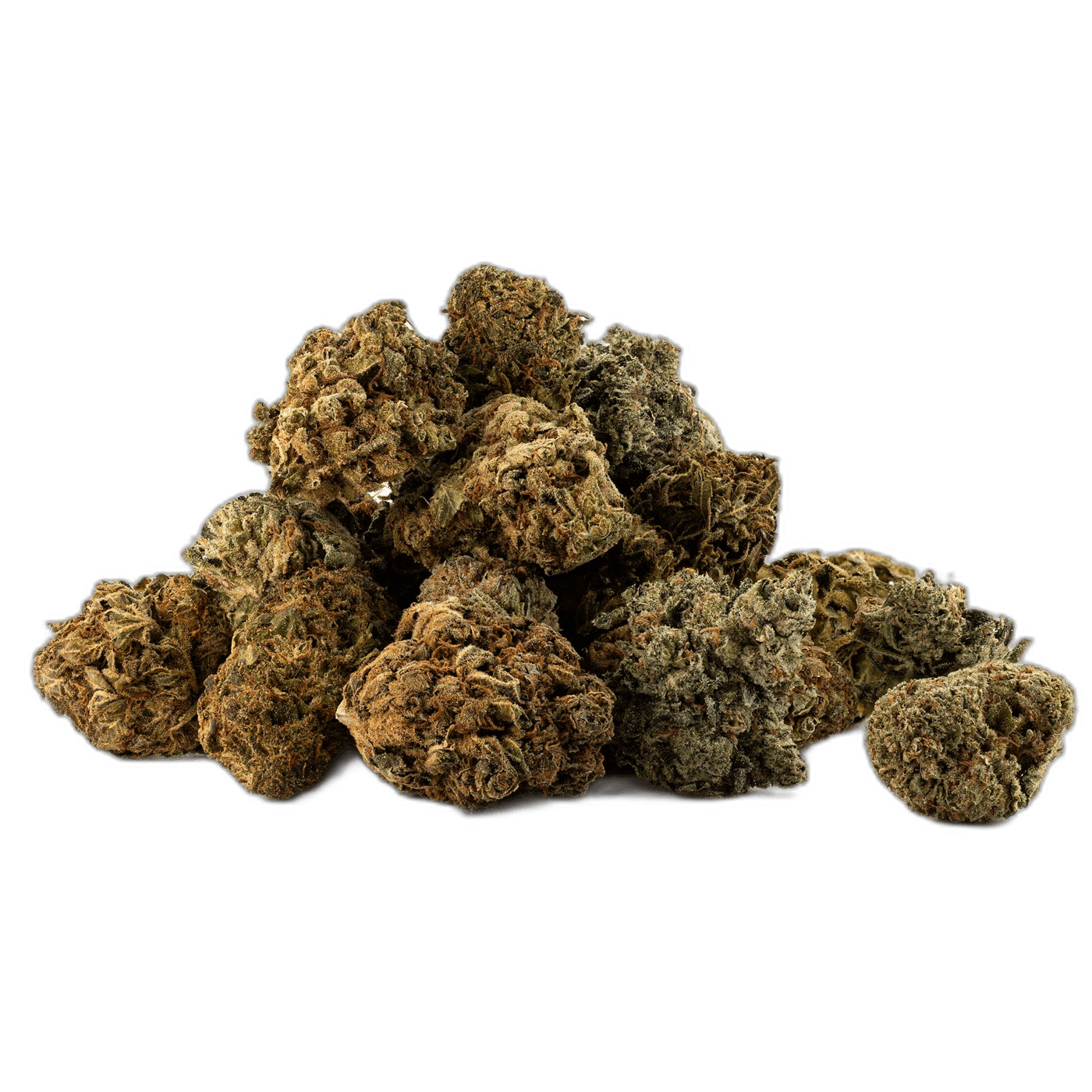
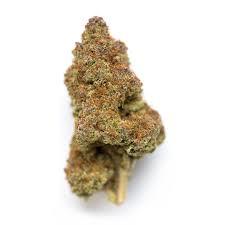
AllBud describes dark green buds with orange hairs, and Sensi Seeds says Haze strains tend to produce long, fluffy, frosty flowers. Leafly describes the aroma as spicy, with hints of citrus and earthy sweetness, and its reviewers most often pick spicy and herbal, tobacco and earthy flavours. Across the wider Haze family, Sensi lists spice, earth, dry herbs, citrus and pine as common notes. In Leafly's lab data, the top terpenes in Haze are myrcene, pinene and caryophyllene.
Effects people report
Leafly describes high-energy, creative effects, and its reviewers most often report feeling energetic, creative and uplifted. The negatives they list most are paranoia, dizziness and anxiety. AllBud calls the high cerebral, says it can make it hard to focus, and notes that too much can bring headaches, paranoia, dry mouth and dry eyes.
These are self-reports, not tested outcomes. Canada's Lower-Risk Cannabis Use Guidelines link higher THC potency to more acute and long-term problems, and advise against driving for at least 6 hours after using cannabis. For medical questions, talk to a doctor or pharmacist.
How strong is Haze?
AllBud lists 14% to 23% THC and Leafly rates Haze above average for THC. Use both as rough guides and check the label on the batch you buy, since the same product can vary in potency from batch to batch.
The Haze family and similar strains
Neville's Haze is named after Nevil Schoenmakers. Green House Seeds sells it as almost pure Haze, rated 90% sativa, and writes that it is said to have been bred by Neville from Haze cuts of the time and some Northern Lights #5. Green House calls it one of the longest-flowering strains around, at 14 to 16 weeks minimum, with a spicy, metallic smell that leaves an incense scent in the room. Both Green House and Leafly tie it to the 1998 High Times Cannabis Cup.
Other members of the family include Super Silver Haze, which Sensi Seeds says Arjan Roskam created in the late 1990s from Skunk, Northern Lights and Haze; Amnesia Haze, which Sensi says was eventually crossed with Nevil's Northern Lights #5 x Haze; and Purple Haze, which Sensi describes as Haze crossed with a Purple Thai cut. Leafly also lists Jack Herer and Blue Dream among Haze's offspring, and lists Thai as one of its parents; see our Thai sativa guide.
Buying Haze
GasDank offers same-day delivery across Toronto and the GTA, usually within one to two hours, and mail order across Canada. Local orders can be paid cash on delivery or by Interac e-Transfer, and customers must be 19 or older (21 in Quebec), with ID checked at the door. See the sativa flower menu for current stock.