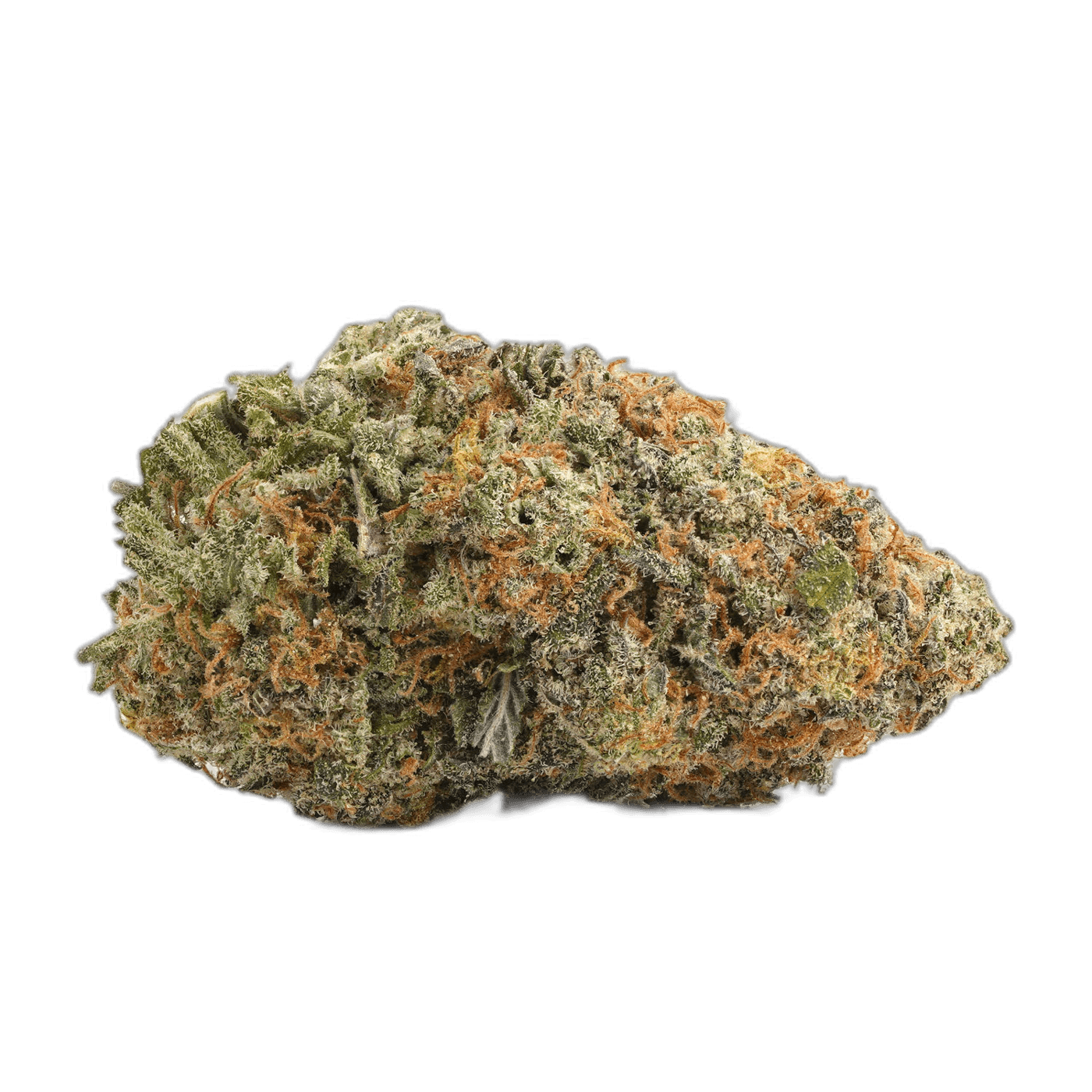
What is the Thai strain?
Thai is the name for cannabis that grows natively in Thailand. Leafly calls it a pure sativa landrace that was brought to the US in the 1970s and 1980s, also sold as Thai Stick or Thailand, and adds that it is a challenge to grow outside tropical climates because of its long growth cycle and slow flowering. A landrace is a traditional, locally adapted variety that developed over time in its home environment, rather than a cultivar bred for uniformity.
Cannabis probably reached Thailand from India. Wikipedia cites the similarity between the Thai name, kancha, and the Indian word ganja, and notes that cannabis was used across Southeast Asia as a cooking ingredient, a condiment, a medicine and a source of fibre. Thailand criminalized it in 1935 and again in 1979. For the rules today, see what travellers need to know about weed in Thailand.
The Thai stick
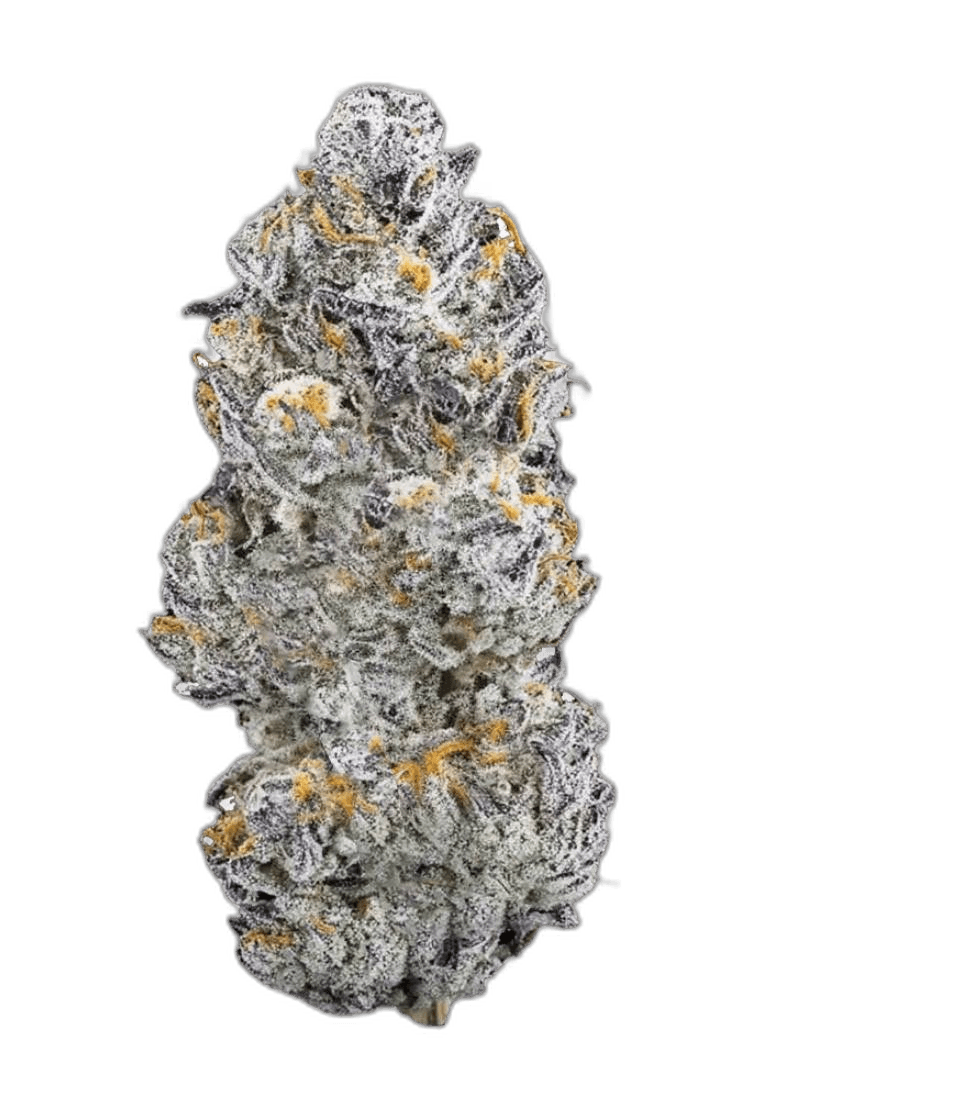
Thai is bound up with the Thai stick, which is both a way of preparing bud and a name for the bud itself. Wikipedia's Thai stick entry describes high-quality buds from northeast Thailand, grown by hill tribes since antiquity, wrapped around a bamboo stick or hemp stalk with fan leaves or silk string and cured underground. Some were reportedly treated with hash oil before wrapping or dipped in opium before smoking.
The name became a selling point. Wikipedia notes that dealers sold any buds bound with string or to a stick as Thai sticks, and that most of the original crop was destroyed in the 1970s when the Thai government began its war on drugs. A 2017 High Times history describes Thai Stick as some of the highest-quality cannabis of the 1970s and points to the book Thai Stick: Surfers, Scammers, and the Untold Story of the Marijuana Trade, by Peter Maguire and Mike Ritter, on how surfers moved shipments from northeast Thailand to the United States.
Look, smell and taste
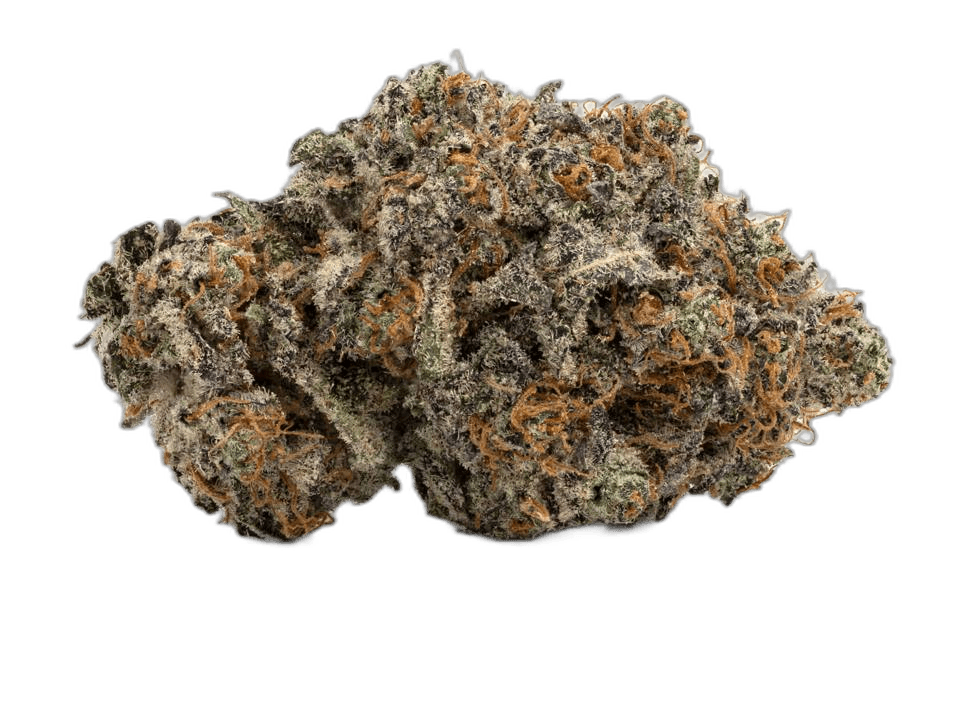
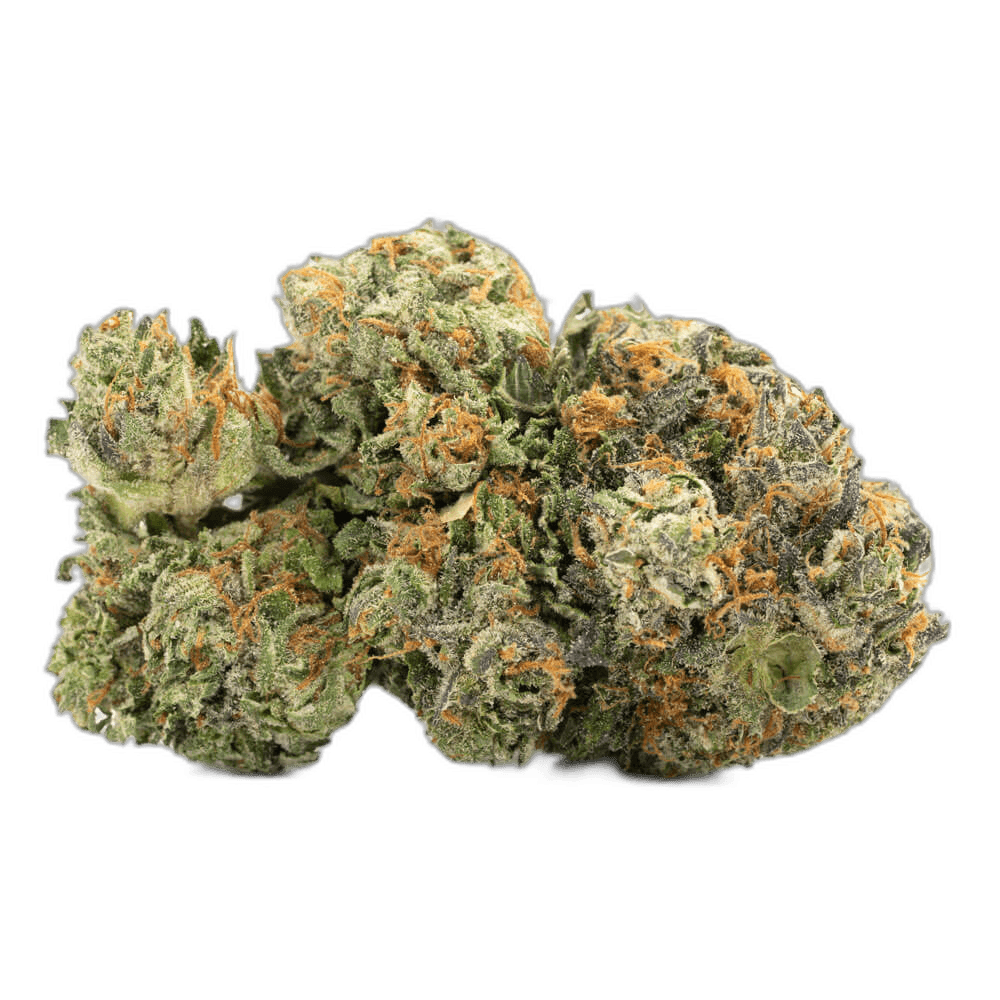
Leafly describes a distinct fruity, citrus aroma, though its reviewers most often pick tobacco, tea and earthy as flavours. Its lab data lists caryophyllene as the most abundant terpene, followed by myrcene and limonene; the cannabis terpenes guide explains what those compounds are. For the old Thai-stick look, Leafly's Chocolate Thai page says longtime smokers remember slender, airy buds, medium to dark brown, with a chocolate-coffee aroma.
Effects people report
Thai's 172 Leafly reviewers most often describe it as focused, energetic and creative, and Leafly calls its effects powerful but comfortable, and mostly energizing. The negatives reviewers report most are feeling anxious, dry mouth and dry eyes.
Treat these as anecdotes. Health Canada notes that everyone's response to cannabis is different and can differ from one time to the next, and its list of short-term effects includes anxiety, fear or panic. For medical questions, talk to a doctor or pharmacist.
How strong is Thai?
Leafly lists 19% THC and 1% CBG for Thai. Potency varies by batch, so go by the label on the product you buy. If you are sensitive to THC, take it slowly: Health Canada's general advice is to choose products with a low amount of THC and an equal or higher amount of CBD, and to start low and go slow.
Strains with Thai genetics
Thai's best-known descendant is Haze. Leafly says Haze took root in Santa Cruz, California, in the 1960s, carries genetics from Colombia, Mexico, Thailand and South India, and is a parent of Jack Herer and Blue Dream. The recipe is debated: a widely upvoted review on the same page argues that Haze was bred only from Colombian lines.
Leafly also lists Thai as a parent of Juicy Fruit, an Afghani x Thai cross, and of Voodoo, which it says was bred from a Thai landrace in 1997, and its Thai page names Northern Lights and Amnesia Haze among the descendants. Trainwreck came from Mexican and Thai sativas bred with Afghani indicas, according to Leafly. Chocolate Thai is the best-known Thai line by name, but Leafly says it most likely no longer exists in its original form and that seeds sold under the name are crossbred or of unknown provenance. For more old genetics, see the legacy strains guide.
Buying Thai strains
GasDank delivers same day across Toronto and the GTA, usually within 1 to 2 hours. Check the sativa flower menu for what is in stock. Mail order ships across Canada with no minimum and free shipping from $150 ($20 below that), paid by Interac e-Transfer. Customers must be 19 or older (21 in Quebec), with ID checked at the door.