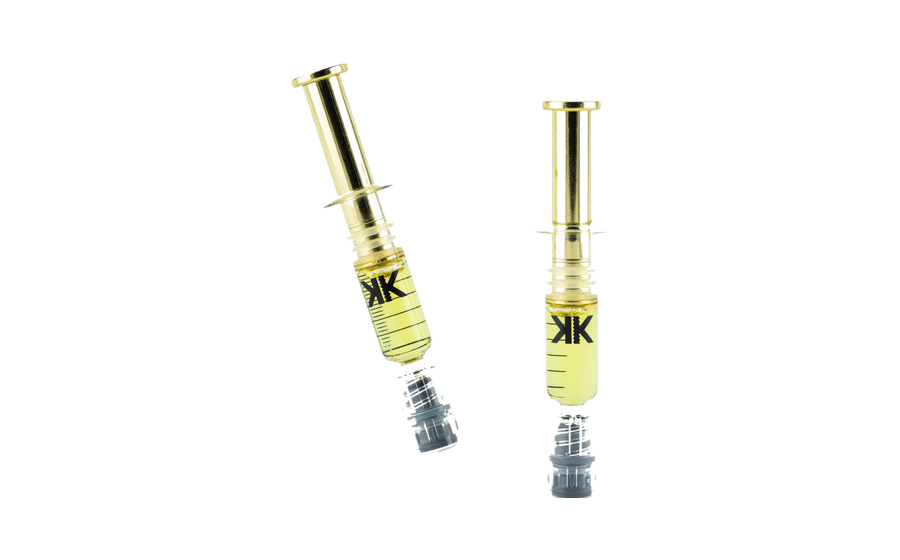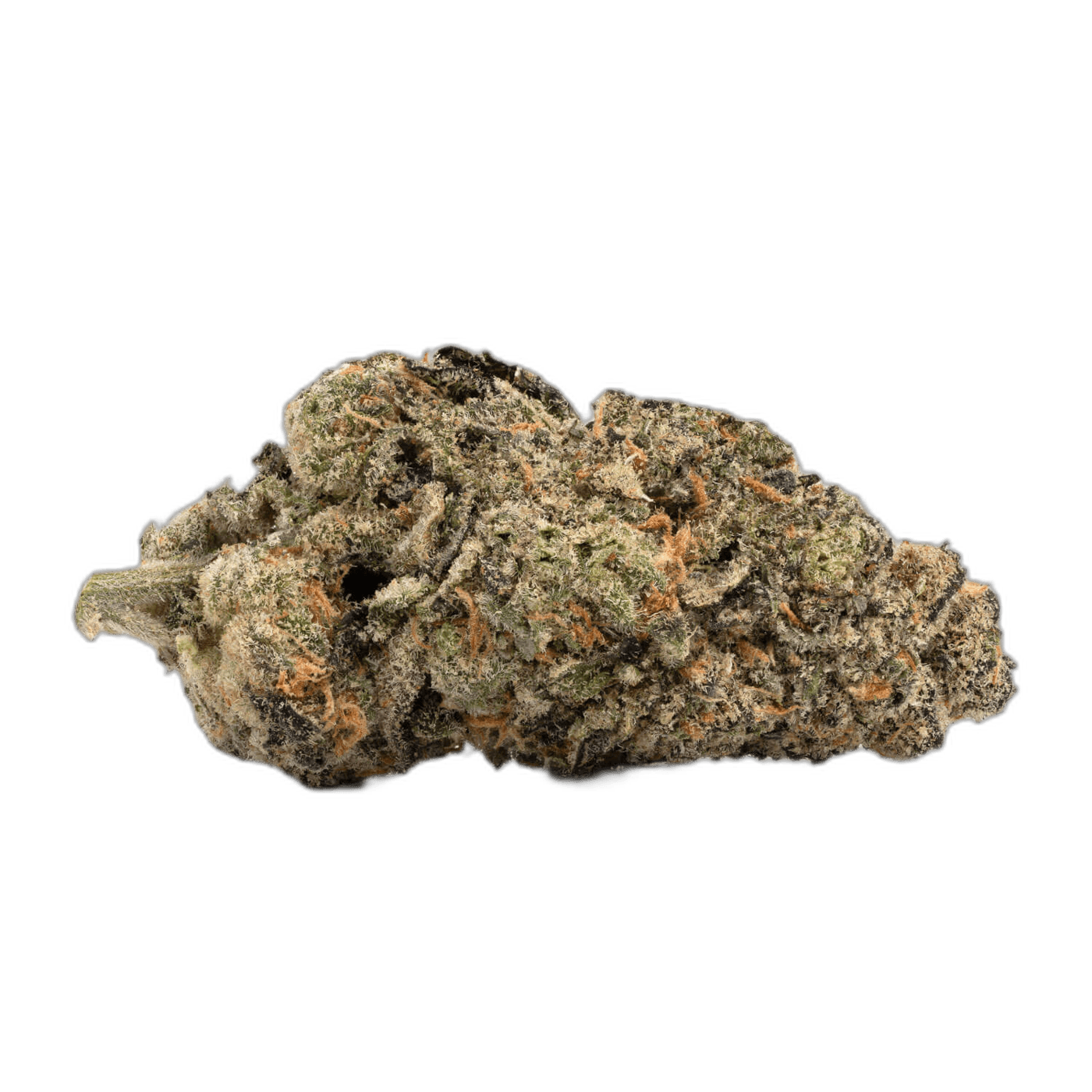
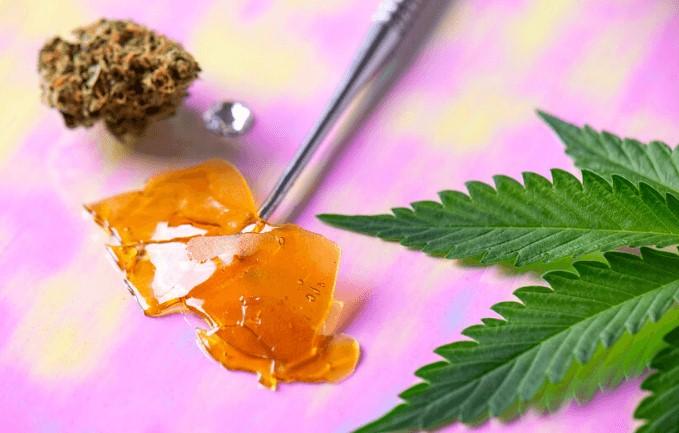
What weed wax is
Leafly describes wax as an umbrella term for cannabis concentrates that look soft and waxy, most of them made by extraction with butane or other hydrocarbon solvents. In other words, most wax is butane hash oil (BHO). Leafly adds that wax and shatter are hardly different on a chemical level; the difference comes mainly from how the molecules settle after extraction.
It is among the strongest products on any cannabis menu. Health Canada lists shatter, budder and wax as the most highly concentrated extracts, at up to 90% THC, against up to 30% for dried flower. The US National Institute on Drug Abuse (NIDA) describes the range these extracts cover, from a gooey liquid wax to a soft solid like lip balm to a hard, amber-coloured solid. If you are weighing the glassy and soft versions against each other, see shatter vs wax; for the wider family, see cannabis concentrates 101.
Budder, badder, crumble and sugar: the styles of wax
Leafly calls the many wax names, from butter and badder to honeycomb, crumble, cake icing and sugar, mainly cosmetic variations of the same idea, caused by differences in moisture and lipid content. Weedmaps adds that texture does not predict potency. The common styles:
- Budder, badder and batter. Weedmaps calls these one family of soft, whipped concentrates: budder is usually the smoothest and most uniform, batter thicker and glossier, and badder in between. They are made either by whipping a hydrocarbon extract at low heat or, with no solvent at all, by cold-curing and lightly stirring rosin, which is covered in live resin vs live rosin.
- Crumble, or honeycomb. Leafly describes it as one of the driest concentrates, made like shatter but purged at a lower heat for longer in a vacuum oven, so it breaks into crumbs. It ranges from pale to deep yellow and tends to harden and turn amber with age.
- Sugar. A texture Weedmaps' concentrate guide lists among solvent-made products. Whipped wax can drift toward it: asked whether budder turns into sugar, Weedmaps says it can develop small THCA crystals over time, especially with temperature swings.
- Classic wax. Leafly describes it as hard yet pliable at room temperature, and Weedmaps says wax becomes dry and crumbly with extended agitation, while budder stays creamy and smooth with gentler whipping.
How wax is made, and why not at home
Commercial wax starts as a hydrocarbon extraction. Leafly describes butane pushed through contained plant material to strip out compounds such as THC, after which the oil is refined; if it is agitated during that stage, it turns opaque instead of glassy. Most ready-to-use extracts come from closed-loop systems, which recover the solvent (Wikipedia), and Leafly notes professionals use them to keep solvent fumes out of the air.
Do not try it yourself. Federal law allows adults to make cannabis products at home only if organic solvents are not used to make concentrates, and producing with organic solvents is listed as an offence carrying criminal penalties (Justice Canada). It is also dangerous: NIDA reports that people using butane to make extracts at home have caused fires and explosions and been seriously burned.
How to use wax
Leafly says wax is most often dabbed but can also be added to bowls, joints or blunts. The main options:
- Dab rig. A small amount goes on a heated nail or banger and is inhaled through water. The dabbing guide walks through it step by step, including lower-temperature dabs.
- Dab or wax pen. Health Canada describes dab pens as a battery, chamber and mouthpiece that melt solid and semi-solid extracts. The routine: portion the wax, load the chamber, set the airflow and temperature if the device allows, switch it on and take small inhalations, following the maker's instructions.
- Not a cartridge pen. ACS Laboratory, a US cannabis testing lab, says standard vape pens don't usually handle wax well.
- Dab straw. A honey or dab straw is a handheld device for dabbing wax, shatter and oil. Weedmaps also mentions the nectar collector, which it calls a more convenient, portable version of a dab rig.
- In a joint or bowl. You can add a small piece of concentrate to the dried flower in a joint, and ACS notes crumble is easy to sprinkle on a rolled joint. Adding concentrate to a joint or bowl is sometimes called twaxing (ACS).
How much to use
Less than you think. Start with less than a lentil-sized piece of wax, shatter, rosin or live resin in a concentrate vaporizer, and the Canadian Centre on Substance Use and Addiction (CCSA) suggests a dab the size of a grain of rice, then waiting at least 10 minutes before taking more; if you vape, take one puff and wait 5 minutes. Inhaled cannabis can take up to 30 minutes to reach its full effect (Health Canada).
Health Canada advises new or occasional users to avoid extracts such as wax and shatter, since more THC means more impairment and a higher risk of serious adverse effects. CCSA lists severe anxiety, vomiting and paranoia among the signs of over-intoxication; if someone feels unwell, call a poison centre or get medical help. Don't drive for at least 6 hours afterward, and don't mix cannabis with alcohol (Lower-Risk Cannabis Use Guidelines). For medical questions, ask a doctor or pharmacist.
How to store wax
CCSA notes that extracts are sensitive to heat and can break down, and Leafly says light, heat, oxygen and moisture all speed up the degradation of crumble. For whipped textures, Weedmaps recommends the fridge for short-term storage and the freezer for longer, in airtight, opaque containers, without moving them back and forth between warm and cold. If you refrigerate wax, let the closed container come to room temperature before opening it so condensation does not get in (Weedmaps).
Keep it labelled, in a child-resistant container that is resealed after use, and out of sight and reach of children; CCSA suggests a lockbox.
Judging quality
Weedmaps says good budder and badder should be blond to golden, glossy and noticeably aromatic, and should never look green, which signals plant material in the product; darkening or a chalky look usually means terpenes have been lost. Colour varies by strain and process, though, so testing matters more: CCSA notes that because extraction usually involves solvents, some residual solvent can be left in the final extract. Look for lab-tested wax with clear THC and CBD numbers, from a seller that shows those results.
Buying wax
GasDank offers same-day delivery across Toronto and the GTA, usually within one to two hours, and mail order across Canada with no minimum (free shipping from $150, $20 below that), paid by Interac e-Transfer. Outer GTA orders have a $60 minimum, with free delivery from $160 ($20 below that). Customers must be 19 or older (21 in Quebec), with ID checked at the door. Browse the concentrates menu; the menu carries lab-tested products.