Same-day weed delivery · 1 to 2 hours across the GTAFree delivery over $80 in core areasCash or Interac e-Transfer19+ ID verifiedCustomer service 8AM to 2AM ESTCanada-wide mail order · free shipping over $150Same-day weed delivery · 1 to 2 hours across the GTAFree delivery over $80 in core areasCash or Interac e-Transfer19+ ID verifiedCustomer service 8AM to 2AM ESTCanada-wide mail order · free shipping over $150
GasDank
Delivery

Can Marijuana Affect a Man's Sexual Function?

By GasDank Team

Can Marijuana Affect a Man's Sexual Function? An Overview

A Note Before We Begin

Sexual health is a personal topic, and it deserves to be approached carefully and respectfully. Before getting into any of the discussion below, it is worth stating plainly that this article is general information only. It is not medical advice, it makes no promises or claims, and it is not a substitute for a conversation with a qualified healthcare professional who knows your individual situation.

The question of whether marijuana affects a man's sexual function is one that many people are curious about, especially as cannabis has become legal and more openly discussed in Canada. Curiosity is completely reasonable, and there is some research and general discussion worth understanding. The goal here is simply to lay it out in a balanced, neutral way without overstating anything.

Throughout this article you will see reminders that this is not medical advice and that professional guidance matters. That is intentional. Anything related to sexual health, medication interactions, or underlying conditions is genuinely something to discuss with a doctor, who can consider the full picture in a way that no general article ever could, and that is the right and safe approach.

Why People Ask This Question

There are a few reasons this topic comes up so often. Cannabis and sex are both subjects people are naturally curious about, and as cannabis use has become legal and more mainstream, questions about how it might interact with intimacy and sexual function have followed. People want to understand the substances they use and how those substances might affect different parts of their lives.

Some of the interest is driven by conflicting things people have heard. One person might say cannabis enhances their experience, while another reports the opposite, and this contradiction naturally makes people wonder what is actually going on. When personal accounts point in different directions, it is reasonable to want a clearer, more balanced explanation rather than just anecdotes.

It is also a topic that some people feel awkward raising with a doctor, which can push them toward searching online instead. That is understandable, but it is worth saying that healthcare professionals discuss these subjects routinely and without judgment. General articles can offer background, but for anything personal or concerning, a doctor remains the appropriate and most reliable source of guidance.

What the Research Generally Shows

The honest summary of the research is that it is mixed and far from settled. Studies looking at marijuana and male sexual function have produced varied and sometimes contradictory results over the years, and many of them have limitations such as relying on self reported information, small sample sizes, or designs that make it hard to draw firm cause and effect conclusions.

Some studies have reported associations in one direction, while others have reported associations in another, and still others have found little clear connection at all. Because the findings do not line up neatly, the scientific and medical communities have generally been cautious about making strong statements. What is broadly agreed is that more rigorous research would be needed for confident conclusions.

This kind of uncertainty is common when studying complex human behaviour and biology, where many factors are at play at once. For anyone reading this, the practical takeaway is that there is no simple, definitive answer, and that the absence of a clear consensus is exactly why this should be treated as general information rather than as guidance for personal decisions about health.

Why the Results Are So Mixed

It is worth understanding why the research produces such inconsistent results, because the reasons are instructive. Cannabis is not a single, standardized substance. It contains many compounds in varying proportions, and products differ widely, so studying cannabis is a bit like studying a moving target. Two studies might be looking at quite different things while using the same general word.

Dose and frequency also appear to matter, and they vary enormously between people. Someone who uses a small amount occasionally is in a very different situation from someone who uses large amounts regularly, and lumping these groups together can muddy results. Individual biology adds yet another layer, since people simply respond to cannabis differently from one another.

On top of all that, sexual function itself is influenced by a huge range of factors, including stress, relationships, overall health, sleep, and mood. Untangling the role of any single substance from this web of influences is genuinely difficult. All of this helps explain why the evidence is mixed, and why broad claims in either direction should be viewed with caution rather than accepted at face value.

The Role of Dose and Frequency

One theme that comes up repeatedly in discussions of cannabis and the body is that dose and frequency can make a meaningful difference, and sexual function is no exception to that general pattern. The effects of a small, occasional amount may be quite different from the effects of heavy, frequent use, and conflating the two is a common source of confusion in casual conversation.

This matters because a lot of online claims fail to specify how much or how often, which makes them hard to interpret. A statement that cannabis does one thing or another is far less useful without knowing the amount involved, the product used, and the person's overall pattern of use. These details shape the experience, and leaving them out tends to produce misleading generalizations.

For anyone thinking about this in relation to their own life, the dose and frequency point is another reason to talk to a healthcare professional rather than relying on broad statements. A doctor can consider a person's specific habits alongside their health, which is something no general article can do. This remains general information, not advice tailored to any individual situation.

Separating Anecdotes From Evidence

As with any health topic, it is important to separate personal stories from scientific evidence. Anecdotes are individual accounts of what someone experienced, and while they can feel persuasive, they are not designed to establish cause and effect or to apply to other people. Two people can have opposite experiences, and both can be telling the truth about themselves.

Scientific evidence comes from studies built to reduce bias and test ideas systematically, and it carries far more weight than a collection of stories. When personal accounts and careful research disagree, the research is generally the more reliable guide. This is a big part of why doctors base their advice on evidence rather than on what circulates informally online or among friends.

Sexual function is especially prone to this kind of confusion because it is affected by mood, expectation, and context. Someone who expects a particular outcome may experience it partly because they expected it, which is a well known effect in many areas of health. This is one more reason to be cautious with anecdotes and to lean on professional, evidence based guidance for anything that matters.

Cannabis Is Not One Single Thing

A key point that often gets overlooked is that cannabis is not a uniform product. It contains a range of compounds, including cannabinoids such as THC and CBD along with many others, plus aromatic terpenes, and the balance of these varies dramatically between products and strains. This means experiences can differ a great deal depending on what someone is actually using.

THC is the compound most associated with the intoxicating effects of cannabis, while CBD is non intoxicating and is usually discussed on its own. Different products emphasize different compounds, and the form a product takes, whether flower, oil, or edible, can also influence how it behaves in the body. This complexity is one more reason broad claims about cannabis are unreliable.

For anyone trying to make sense of what they read, this variability is important to keep in mind. A claim about one type of cannabis does not automatically apply to another, and a result seen with one compound may not hold for a different one. It also reinforces why a healthcare professional, who can weigh these specifics, is the right source of guidance rather than a general article.

Other Factors That Affect Sexual Function

It would be a mistake to think about cannabis in isolation, because male sexual function is shaped by a wide range of factors that often matter more than any single substance. Physical health, cardiovascular health, hormone levels, age, and certain medical conditions can all play significant roles, and these are exactly the kinds of things a healthcare professional is trained to assess.

Psychological and lifestyle factors are just as important. Stress, anxiety, relationship dynamics, sleep quality, alcohol use, and overall mental health can all have a meaningful influence on sexual function. Because so many threads are woven together, attributing a change to one cause without proper evaluation is rarely accurate, and it can lead people to overlook something more important.

This bigger picture is precisely why professional guidance is so valuable. If someone has concerns about their sexual health, a doctor can look at all of these factors together and help identify what might actually be going on, rather than focusing narrowly on a single suspected cause. General information like this article cannot do that, and it is not meant to replace that assessment.

Potential Risks and Considerations

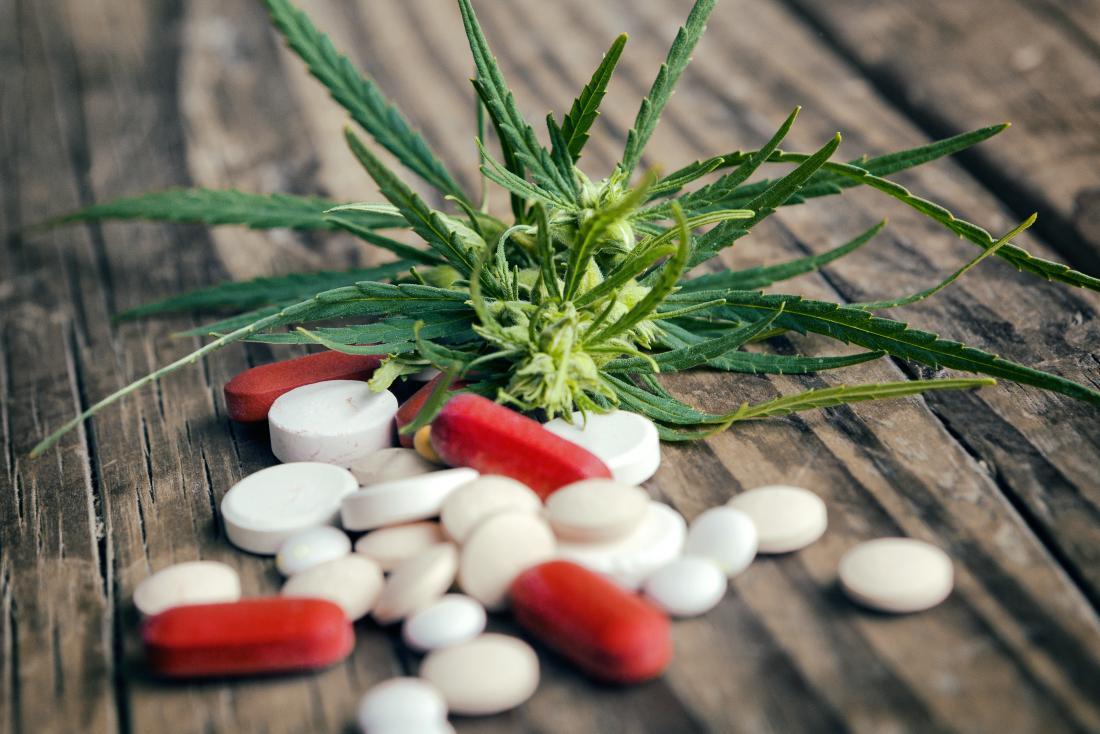
Any balanced discussion has to acknowledge that cannabis carries potential risks and is not appropriate for everyone. It can have side effects, it can interact with other medications, and its effects can depend on a person's age, health, and individual sensitivity. These are real considerations, and they are part of why decisions about cannabis use deserve careful, informed thought.

There can also be interactions with existing health conditions or treatments that are not obvious to someone without medical training. A person dealing with sexual health concerns may have underlying factors at play, and adding cannabis into the mix without professional input could complicate the picture. This is a situation where guidance genuinely matters rather than guesswork.

Because of all this, self experimentation is not the path this article encourages. The potential for unwanted effects and interactions means that anyone with concerns should involve a healthcare professional who can weigh the specific risks that apply to them. That kind of individualized insight is something no general article can provide, and this one is not attempting to provide it.

The Importance of Talking to a Doctor

If there is a single message worth repeating, it is that a qualified healthcare professional is the right person to talk to about marijuana and sexual function. A doctor can consider someone's complete medical history, lifestyle, medications, and individual circumstances, and that context is essential for making sense of a topic with so many moving parts and so much individual variation.

A doctor can also help separate credible information from hype, explain what is and is not known in plain language, and rule out or identify other factors that might be more relevant than cannabis. They can discuss risks, interactions, and options in a way that is tailored to the individual, which is something that simply cannot be done through a general article or an online search.

Bringing these questions to a professional is the responsible approach, and it is worth getting past any awkwardness to do so. Doctors handle these conversations routinely and confidentially. Whatever the answer turns out to be, having that discussion ensures any decision is informed by proper medical insight. This article is general information only and is not a substitute for that advice.

Reading Health Claims With a Critical Eye

The internet is full of bold claims about cannabis and sex, and it pays to read them critically. A useful starting question is what a claim is based on. Is it a personal story, a marketing pitch, or actual research? These carry very different weight, and often the most dramatic claims are the ones with the weakest support behind them, which is worth remembering.

Be wary of language that overpromises, such as suggestions that something is guaranteed to enhance or fix sexual function. Responsible sources tend to be measured and to acknowledge uncertainty, because the honest state of the evidence here is mixed. Confident, absolute claims should make a careful reader more skeptical, particularly on a topic where research has not reached a clear consensus.

It also helps to consider who is making a claim and why. Information from someone selling a product is not the same as neutral, evidence based information, and even well intentioned communities can spread ideas that have not been properly tested. A healthy filter is wise. For anything that affects your health, professional medical advice remains the most trustworthy source by far.

Keeping a Balanced Perspective

It is easy to fall into one of two traps with a topic like this, either assuming cannabis is harmful to sexual function or assuming it is beneficial. A balanced perspective resists both, recognizing that the evidence is mixed, that individual experiences vary widely, and that no honest conclusion can be drawn from the current research that applies neatly to everyone.

A balanced view also keeps cannabis in proportion among the many factors that influence sexual function. For most concerns, things like overall health, stress, and relationships are likely to matter at least as much, which is why narrowing in on a single substance can be misleading. Seeing the whole picture is more accurate and more useful than fixating on one piece of it.

Holding a balanced perspective protects people from both unwarranted worry and false hope, and it keeps the focus where it belongs, on credible information and professional guidance. This article aims to model that balance by presenting the topic neutrally, being upfront about uncertainty, and consistently pointing back toward a healthcare professional for any decisions that actually matter. The most accurate thing anyone can say right now is that the picture is genuinely unclear, and that honesty is more helpful than a confident answer that the evidence does not support.

How Legalization Shaped the Conversation

Legalization in Canada has changed how openly people talk about cannabis, including its possible connections to intimacy and sexual health. With cannabis more accessible and far less stigmatized than it once was, questions that people used to keep to themselves are now discussed in the open, which carries both advantages and drawbacks worth recognizing in a balanced way.

On the positive side, this openness can make it easier for people to raise the subject with their doctors and can encourage more research over time. The downside is that easier access and casual conversation can also fuel overconfident claims and self experimentation, which is exactly why the reminders about evidence and professional guidance carry even more weight now than before.

It is also worth remembering that a product being legal says nothing about whether it helps or harms any particular aspect of health. Legality and health effects are separate matters entirely. Keeping that distinction clear is important, because the shift toward open conversation does not change the underlying need for credible evidence and proper medical advice on anything health related.

Questions Worth Bringing to a Professional

If this topic feels relevant to your own life, one of the most productive things you can do is prepare a few questions to bring to a healthcare professional rather than trying to settle the matter on your own. Writing down what you are noticing and what you want to understand can make an appointment far more useful and help you get clear, individualized answers.

Helpful questions might include asking how your overall health could be influencing things, whether any medications or conditions are relevant, and how your specific patterns of cannabis use fit into the picture. A doctor can take all of this into account at once, which is something that general information simply cannot do, no matter how well written or well intentioned it is.

Approaching it this way turns curiosity into a constructive conversation instead of a risky experiment. It also helps get past any awkwardness, since having a clear list of questions makes the discussion feel more practical and less personal. Remember that this article is general information only, and that a qualified professional is the right place to take any real concern about sexual health.

Where GasDank Fits In

GasDank is a cannabis delivery service and online dispensary serving Toronto and the GTA, and we want to be clear about our role. We provide legal cannabis products to adults who choose to buy them, and we are not medical providers. We do not give medical advice, and we cannot tell anyone how cannabis might affect their sexual function or any other aspect of their health.

What we can do is operate responsibly and serve adult customers who have made their own informed, legal choices. For anyone with questions or concerns about sexual health, we strongly encourage speaking with a qualified healthcare professional, so that any decision is grounded in proper medical insight rather than general information or marketing claims found online or elsewhere.

For adults 19 and over buying cannabis legally, GasDank delivers same day across Toronto and the GTA, usually within about one to two hours, with a $40 minimum and free delivery over $80. We accept cash or Interac e-Transfer, and we offer mail order across Canada. But on questions of sexual health, please talk to a doctor, because that is genuinely the right step to take.

Can Marijuana Affect a Man's Sexual Function? An Overview, FAQ

Q.Does marijuana affect male sexual function?

The research is mixed and inconclusive, with reported effects varying between individuals and depending on dose and frequency. This article makes no medical claims and does not state that marijuana does or does not affect sexual function. It is general information only and not medical advice. For personal concerns, speak with a qualified healthcare professional.

Q.Why are study results on this topic so inconsistent?

Cannabis is not a standardized substance, dose and frequency vary widely, and individual biology differs, all of which make it hard to study. Sexual function is also influenced by many factors like stress, health, and relationships. These complexities lead to mixed findings, which is why broad claims should be treated with caution and a doctor consulted.

Q.Should I rely on personal stories I read online?

Personal stories can be sincere but are not the same as scientific evidence and cannot establish cause and effect. People can have opposite experiences, and expectation can influence outcomes. For anything affecting your health, evidence based guidance from a qualified healthcare professional is far more reliable than anecdotes found online or shared informally.

Q.What else can affect male sexual function?

Many factors play a role, including physical and cardiovascular health, hormones, age, certain conditions, stress, anxiety, relationships, sleep, and alcohol use. Because so many threads are involved, attributing a change to one cause without proper evaluation is rarely accurate. A healthcare professional can assess the full picture, which a general article cannot do.

Q.Can GasDank advise me about cannabis and sexual health?

No. GasDank is a cannabis delivery service and online dispensary, not a medical provider, and we do not give medical advice. We serve adults 19 and over who make their own legal choices. For any question about sexual health, please speak with a qualified healthcare professional, which is genuinely the right and safe step to take.

Related