
Hybrid Strains: The GasDank Buying Guide
Premium hybrid from GasDank, Canada's top rated online dispensary. Same day delivery across Toronto and the GTA, mail order Canada wide. Cash or Interac e-Transfer, 19+ verified.
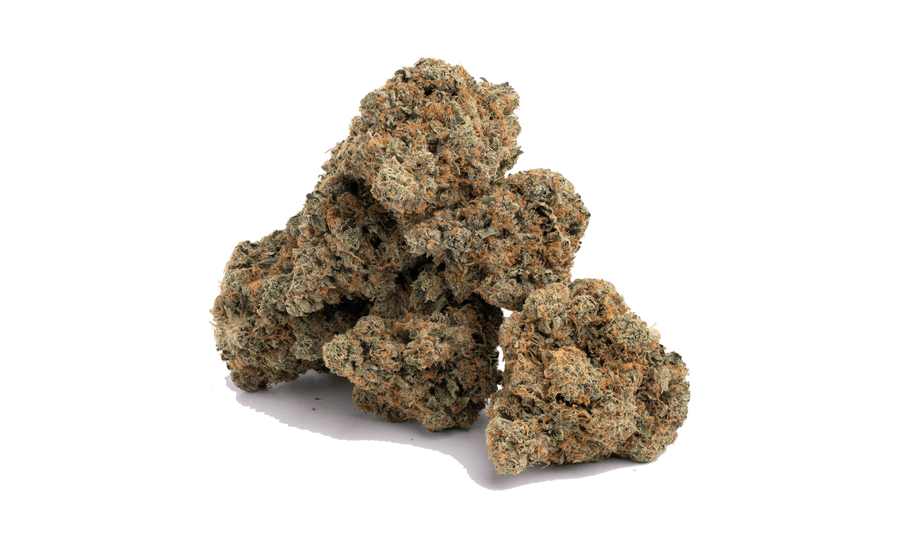
Shop Hybrid
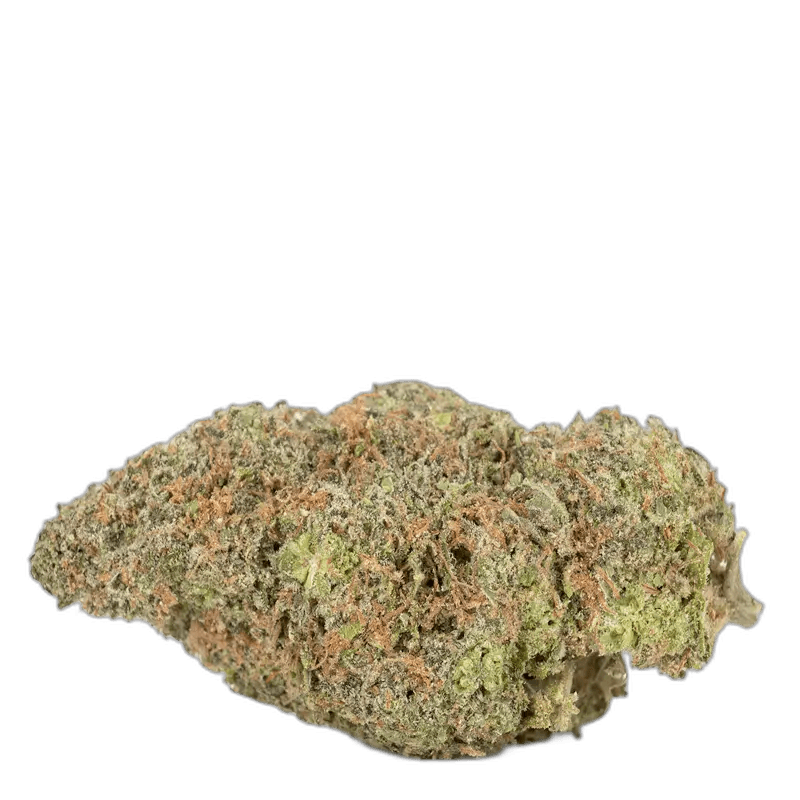 Hybrid
 Hybrid
 Indica
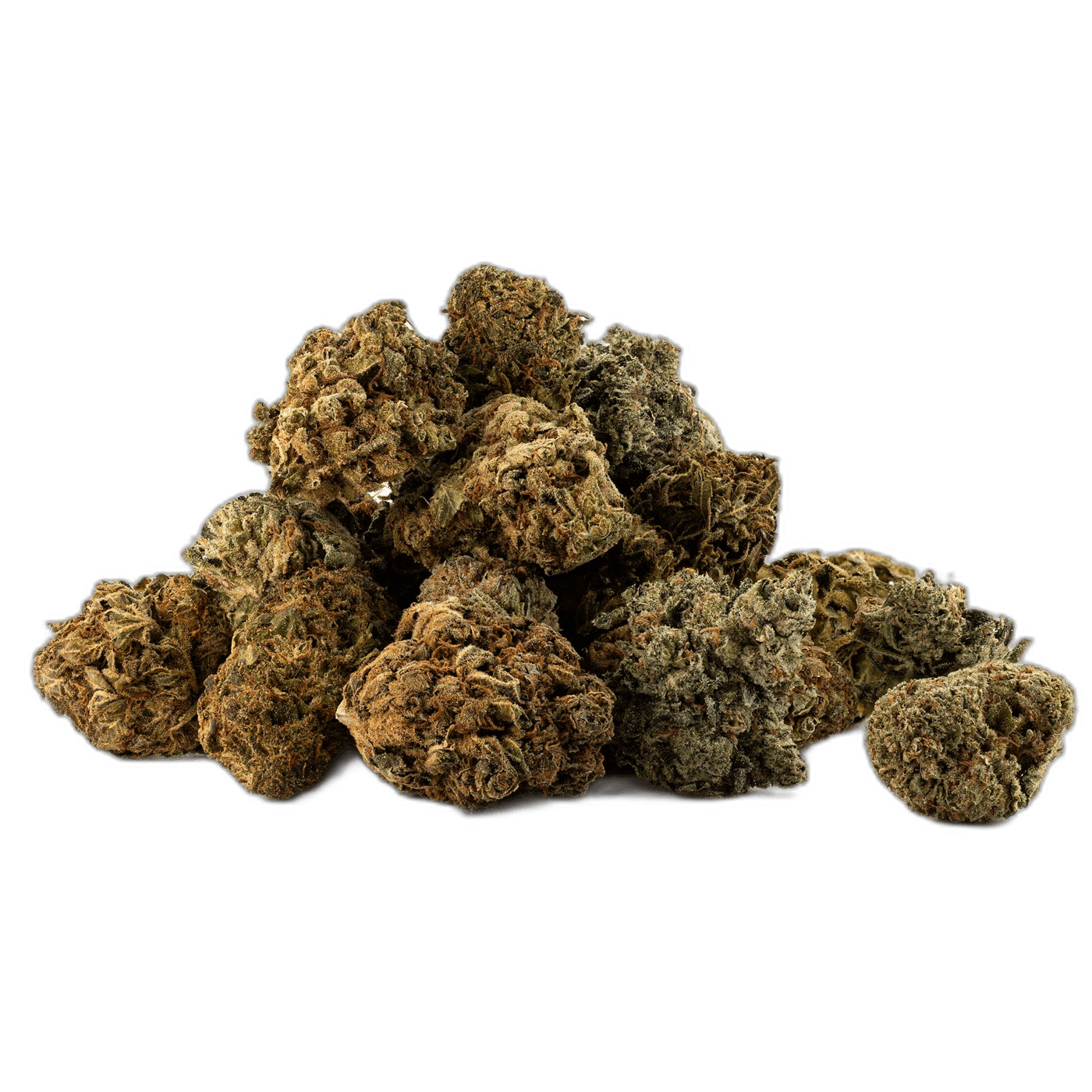 Hybrid
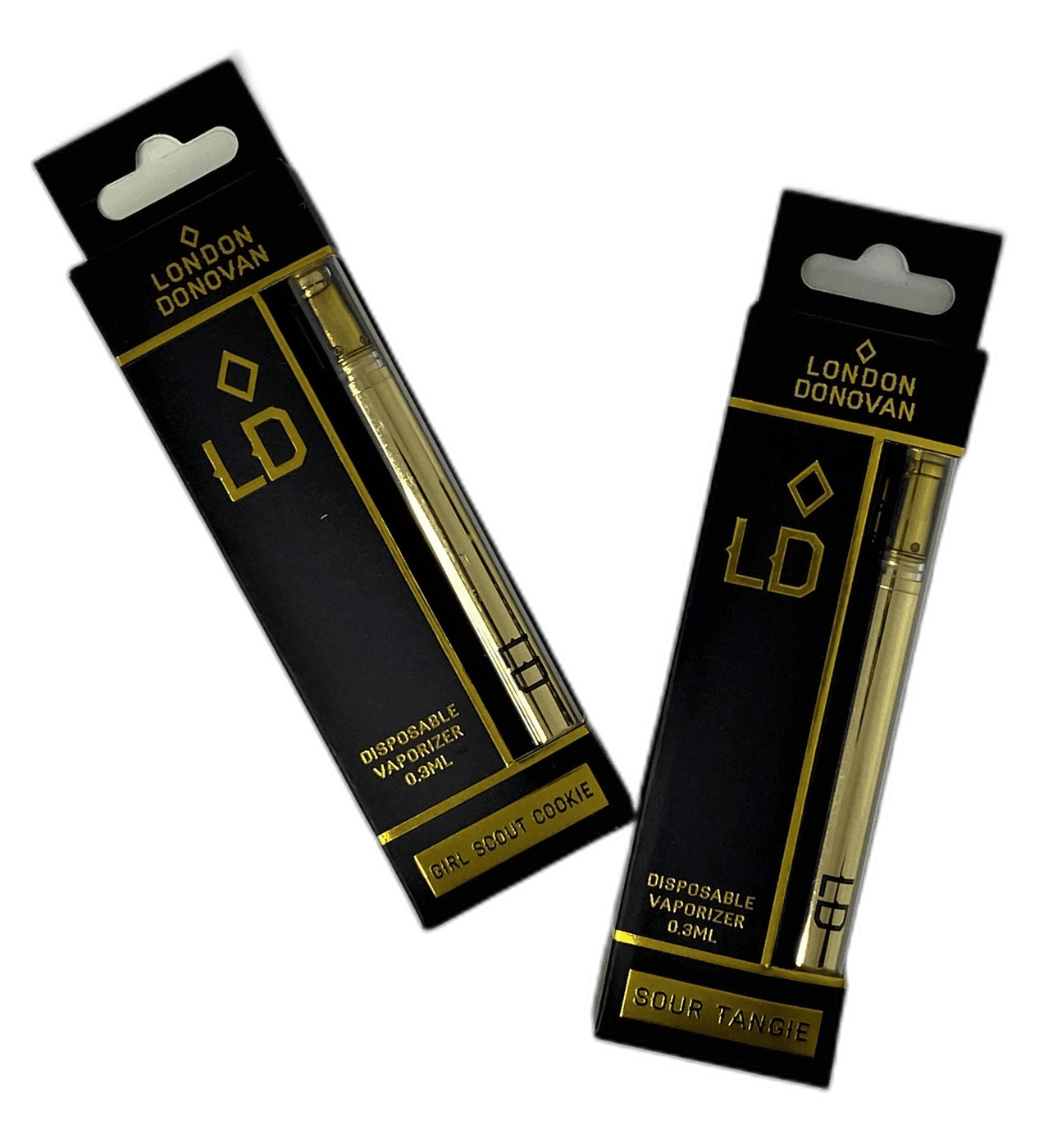 Indica
 Indica
 Hybrid
 Indica
 Hybrid
 Hybrid
 Indica
 Hybrid
 Hybrid
 Hybrid
 Hybrid
 Hybrid
 Indica
 Indica
 Hybrid
What Hybrid Strains Is and Who It's For
Hybrids are the smartest pick for most people who actually live real lives.
They take the best parts of indica and sativa genetics and mash them together on purpose. You get this sweet spot where your head stays clear enough to think straight but your body feels loose and comfortable at the same time. No full couch lock, no jittery sativa race. Just even, useful effects that let you function. That middle ground is exactly why hybrids blow up with everybody from nine-to-fivers to night owls around here.
What makes a hybrid special is how it bends to what you need right then. Some lean a bit sativa and give you gentle creative energy without the anxiety. Others tilt indica and melt tension without knocking you out cold. The true balanced ones hit that perfect equilibrium. Focus stays sharp, mood lifts gently, stress fades, and your muscles relax without gluing you to the furniture. You can smoke one in the afternoon and still get shit done later. Morning, noon, or night, it works.
Hybrids fit damn near everyone in Toronto and the GTA. Office folks grab them to stay productive while the daily grind tries to crush their souls. Artists love the inspiration that doesn’t spiral into overthinking. People with minor aches reach for them because they can stay mobile instead of turning into statues. Beginners usually start here since the balanced profile keeps things chill. No sudden sativa rocket ship, no indica knockout. Veterans circle back to hybrids when their schedule flips every five minutes. Midday pick-me-up or smooth evening close without the heavy sedation.
People chase hybrids mainly for that insane flexibility. Smoke once and the relief rides steady, hitting both head and body without making you pick sides. The flavors and smells pull from all over the family tree too, sweet fruit, earthy funk, diesel bite, whatever the parents brought to the party. In a city that never slows down, hybrids just make sense. They match the weird mix of work, friends, and trying to take care of yourself without losing your mind.
At GasDank we keep the biggest careful mix of hybrid flower, vapes, and edibles rolling for same-day delivery across Toronto and the GTA. Every batch gets picked because it actually delivers that true balance and steady quality you can count on. Free local delivery kicks in over $80 ($160 in the outer GTA), we run solid deals all the time, and anything over $150 ships Canada-wide. Cash or Interac at the door, no hassle. Doesn’t matter what corner of the city or suburbs you’re in, we get it there.
That practical middle path is the whole reason hybrids never fell off since legalization back in 2018. First-timer or seasoned head, they slide right into whatever your day throws at you. We just make grabbing the good ones stupid easy.
The Types of Hybrid Strains at GasDank
Hybrid strains always hit me different depending on what the cross brings out. Some lean heavy into that head buzz before the body melt kicks in, others flip it around and sneak up on you with a chill wave that still leaves room to get shit done. At GasDank we stock hybrids in every format so you can pick exactly how you want that balance to play out. Flower, pre-rolls, concentrates, edibles, vapes, the whole spread.
Flower stays king for a reason. These dense, sticky nugs are packed with trichomes and burn clean whether you twist them up, pack a bowl, or throw them in a dry herb vape. The full terpene profile comes through strong so the aroma and taste actually match the name on the jar. Mixed genetics mean the high can spark cerebral first then ease into the limbs without locking you to the couch.
Pre-rolls keep it stupid simple. We grind the same top-shelf hybrid flower you see in bulk and roll them fresh so everything burns even and tastes right. Grab one when you're running late or just testing a new cross without buying papers and a grinder. Each one weighs out consistent so you know exactly what you're getting every time.
Concentrates crank the potency way up while keeping the hybrid character intact. Shatter, live resin, full-spectrum distillate, all pulled from solid hybrid cultivars. They strip out the plant material but lock in the cannabinoids and terps so the flavour punches harder and the effects slam in faster. Dabbing or vaping these gives you that balanced ride in a quick discreet session that still feels like the strain you chased.
Edibles flip the script completely because they last longer and hit different. Our hybrid gummies, chocolates, and baked goods come dosed precisely so you're not guessing. Digestion turns the THC into something stronger which is why even a cerebral-leaning hybrid can plant you deep in the body high. Start small, give it ninety minutes minimum before you stack another dose.
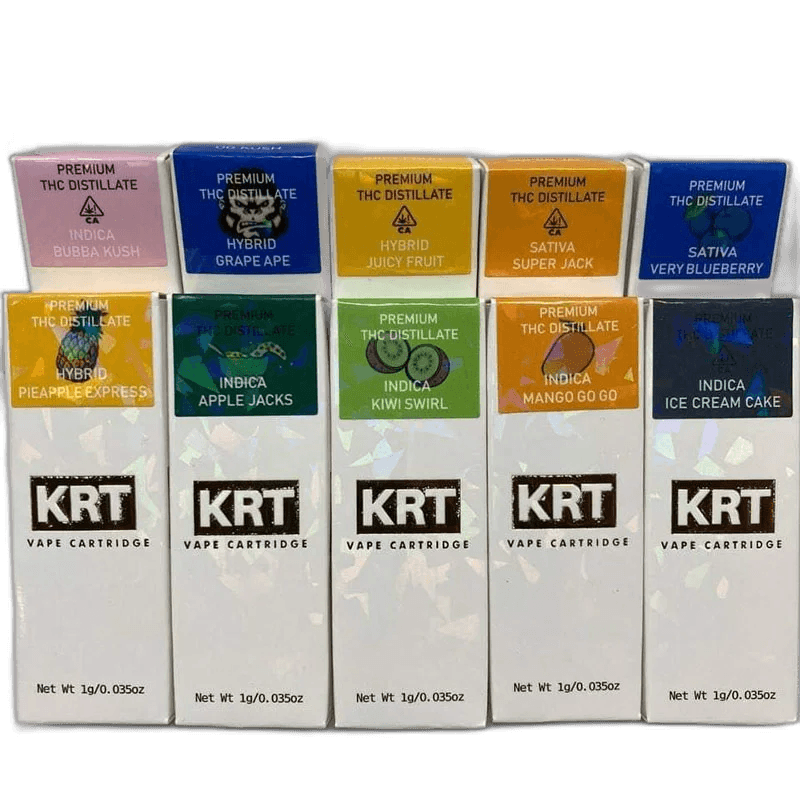
Vape carts and disposables round it out for when you need to move. The oil comes straight from hybrid flower so the vapour stays smooth with almost no smell. We carry both straight distillate versions for max strength and live resin ones that keep more of the original plant taste.
No matter if you're all about the grind and ritual of flower, the grab-and-go ease of a pre-roll, the nuclear hit of concentrates, the zero-smoke discretion of edibles, or the pocket-sized convenience of a cart, the hybrids here cover every angle. Same-day delivery across Toronto and the GTA, free local delivery on orders over $80 ($160 in the outer GTA), and Canada-wide mail order over $150 mean you can stock exactly what you need for the moment. Cash or Interac works fine and the fresh drops rotate in steady so the right cross is never far away.
How to Choose the Best Hybrid Strains
A Tuesday night rolls around and you hit checkout needing something that sparks a little creativity without wrecking your focus for tomorrow’s early shift. Hybrids sit right in that pocket. They blend sativa uplift with indica chill so you get balanced effects that work for daytime tasks, evening wind-down, or straight creative flow without tipping too hard one way. Figure out first if you want gentle motivation, soft stress relief, or that sweet middle ground that just follows your mood. GasDank keeps hybrids dialed in for exactly this, giving Toronto and GTA folks solid picks any hour of the day.
Potency matters next and it ties straight to your tolerance. Newer users do better with milder hybrids that still deliver clear effects without knocking you sideways. Seasoned heads often chase the heavier ones that layer deep body ease on top of bright heady euphoria. Lineage shapes every profile so pay attention to those parent strains. The selection here runs from easy entry-level hybrids all the way up to potent cultivars so every experience level walks away with something that fits without any guesswork.
Format changes everything about how the session actually feels. Whole flower gives you total control over grind and how you consume it. Pre-ground saves serious time when you want to pack a quick bowl. Pre-rolls become the move for on-the-go moments around Toronto or the GTA. GasDank carries all three formats right across the hybrid lineup so you pick whatever matches your lifestyle and ritual without settling.
Price and real value steer the last call. Hybrids shift in cost depending on how rare they're, who grew them, and the batch quality. GasDank keeps pricing tight while throwing in frequent deals, free same-day delivery on orders over $80 ($160 in the outer GTA) inside the service area, and free Canada-wide mail order shipping once you clear $150. Cash or Interac works fine. That mix of careful picks and practical savings puts premium hybrids in reach fast.
New folks should grab smaller amounts first to test how their body reacts before going bigger. Regular customers love the wide rotating inventory that stays fresh week after week. Same-day delivery across Toronto and the GTA plus dependable mail order anywhere in Canada makes grabbing the right hybrid dead simple. Match your goal, the potency you need, the format you want, your budget, and your experience level to what sits on the menu and you lock in good sessions every single time.
This way of shopping cuts the confusion clean out. It just works for real Canadian routines.
Effects and What to Expect from Hybrid Strains
What should I expect when I smoke a hybrid?
Hybrids hit you with this perfect middle ground where your head feels clear and your body starts to unwind without knocking you flat. Most folks notice the first buzz within five to fifteen minutes after smoking or vaping while edibles creep in between thirty and ninety minutes. It never slams you. Instead you get this smooth lift in mood first then a slow wave of physical ease rolls through.
A regular session runs two to four hours though your metabolism tolerance and how you consume can stretch or shrink that window. The high usually kicks off with sativa style mental clarity and little creative sparks before sliding into a comforting body calm that stays far from heavy sedation. People tell me it feels like the ideal sweet spot. Motivated enough to clear the to-do list or lose an hour in a hobby yet relaxed enough to shake off a brutal day.
Effects change hard from one person to the next. Body weight previous experience and even your mood that day all tweak what you feel. A small hit might give you an uplifting sociable buzz perfect for daytime stuff. Bump it up and the same strain can lean deeper into relaxation that helps you wind down at night. Experienced users swear hybrids let them dial in their high more predictably than straight indicas or sativas by simply adjusting dose.
Every hybrid carries its own genetic mix so the balance shifts strain to strain. Sativa dominant ones bring energizing vibes with just a light body tingle. Indica leaning hybrids push calm without gluing you to the couch. That flexibility is exactly why so many people keep hybrids in rotation. They adapt to whatever the day throws at you.
At GasDank we keep a wide curated selection of hybrid strains picked for consistent quality and those balanced effects. Whether you need same day delivery across Toronto and the GTA or you prefer Canada wide mail order our inventory gives you room to test different hybrid profiles until one clicks. Orders over $80 ($160 in the outer GTA) get free local delivery and mail orders over $150 ship free. We take cash or Interac for easy secure transactions.
Responsible use stays non negotiable. Start low go slow until you learn how each hybrid lands on you personally. Use in a safe spot never drive or run machinery and keep everything away from minors. Since recreational cannabis became federally legal in Canada in 2018 adults nineteen and older in Ontario can make their own calls.
Hybrids keep winning because they flex with different times of day and shifting needs. The whole ride stays personal shaped by the exact strain your dose and your own biology. With our fast service broad coverage and solid value grabbing high quality hybrids feels easier than ever.
Using Hybrid Strains Safely and Getting the Most From It
Some folks weigh a sativa leaning hybrid against an indica dominant one the same way they pick between morning coffee and evening whiskey. One wakes your head up for deadlines or chores. The other melts the day off your shoulders once the sun drops. Hybrids sit right in the messy middle which is exactly why they fit almost any hour in Toronto or the GTA. Figure out the lean first. Read the description or just ask the guys at GasDank. A sativa lean keeps thoughts crisp and creative for afternoon work. An indica lean sinks into the couch after dinner. Get that part wrong and your whole plan shifts.
Start low and go slow especially if this is new territory. Hybrids mix the best traits but every batch and every person reacts different. Take a tiny hit whether you smoke vape or eat an edible. Then sit tight for at least forty five minutes before you touch it again. That patience stops the sudden anxiety or couch lock that ruins the night. Most regulars tell me hybrids let them stay useful all day then ease off at home without feeling like a zombie.
Store them right or watch the magic fade. Drop the buds in a glass jar with a tight lid. Keep it cool dark and away from any heat or damp air. Plastic bags kill terpenes fast and leave the smell flat. Good storage locks in the balanced cannabinoids and keeps every session tasting and hitting the same.
GasDank keeps the whole process stupid simple. Same day delivery around Toronto and the GTA. Canada wide mail order that actually shows up. Every hybrid we carry lists its lean loud and clear so you arent guessing. Local orders over $80 ($160 in the outer GTA) ride free. Mail orders over one fifty ship free. Cash or Interac both work fine. The coverage stretches from downtown right out to the suburbs without drama.
Responsible use still matters. Know your limit. Never drive or run machines after youve lit up. If you're mixing it with meds or other stuff talk to a doctor first. Plenty of customers keep coming back because our crew actually tells the truth about what each batch does instead of pushing whatever sounds good. They want that gentle daily balance or the stronger unwind after a long shift and we match them to it.
Respect those basics and hybrids become your everyday workhorse. They slide from energizing daytime fuel to smooth evening calm without drama. Grab what fits your mood order with confidence and enjoy the fact that it arrives fresh properly labeled and exactly what you expected.
How to Spot Quality Hybrid Strains
Hybrids are where the real magic happens but only if you know what the hell you're actually buying.
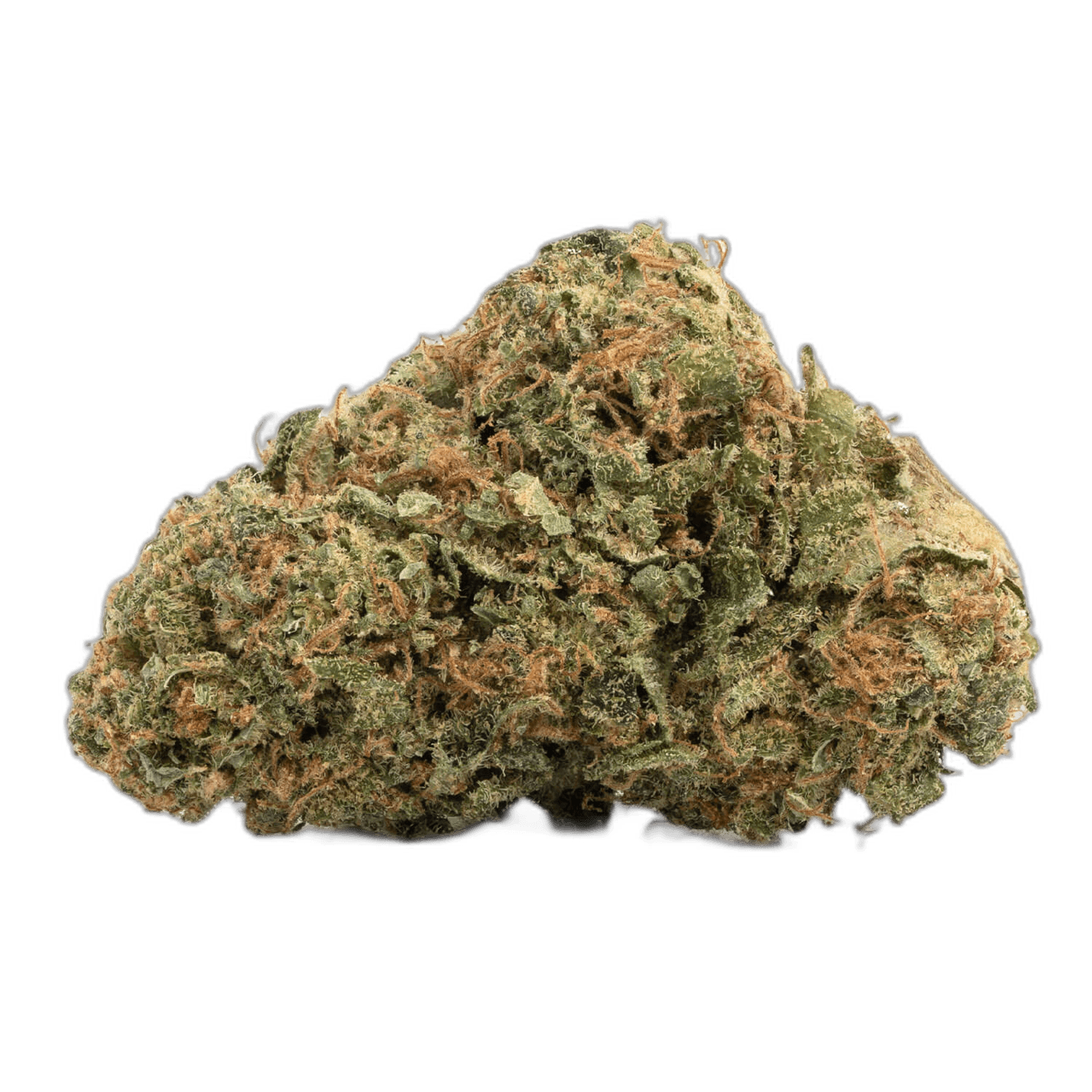
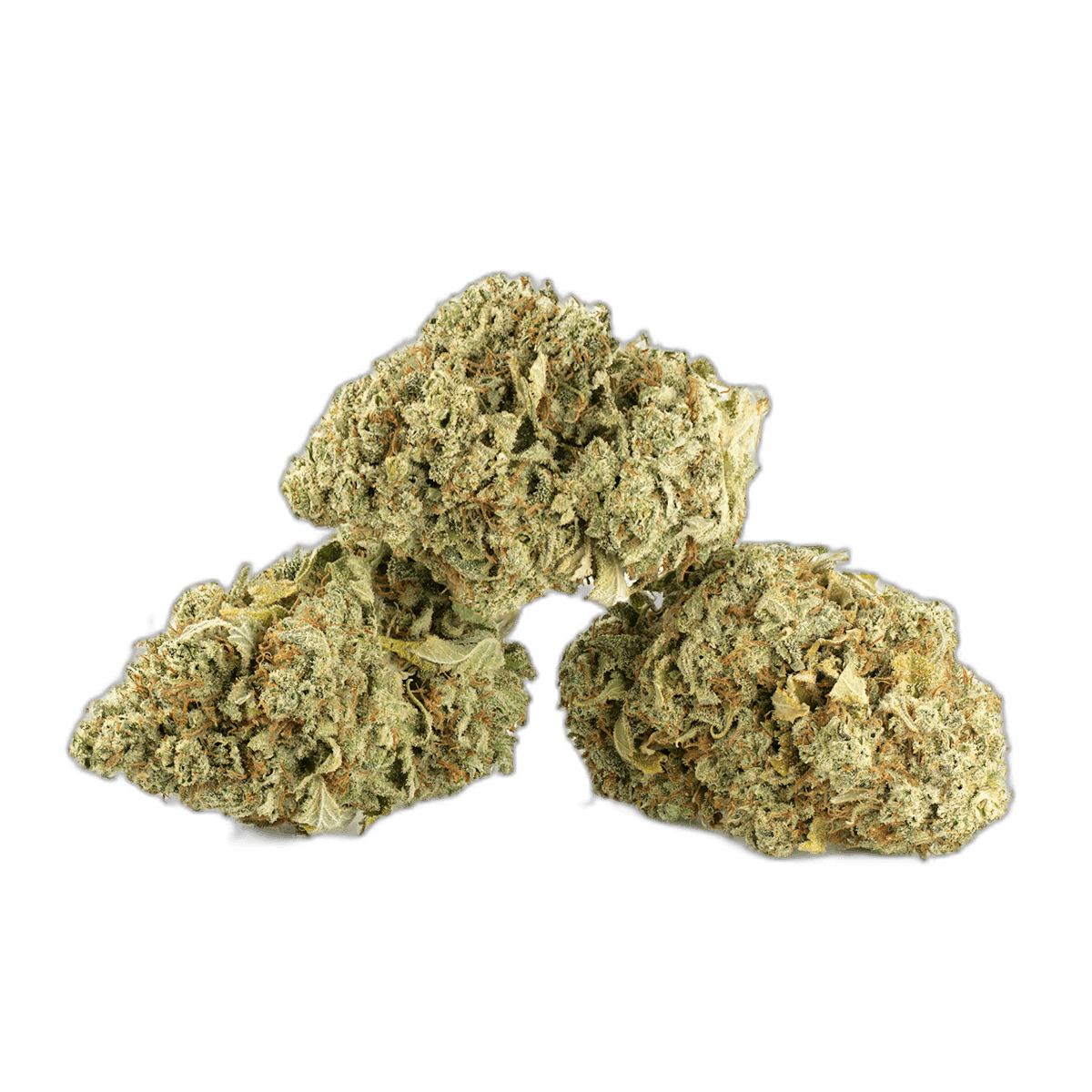
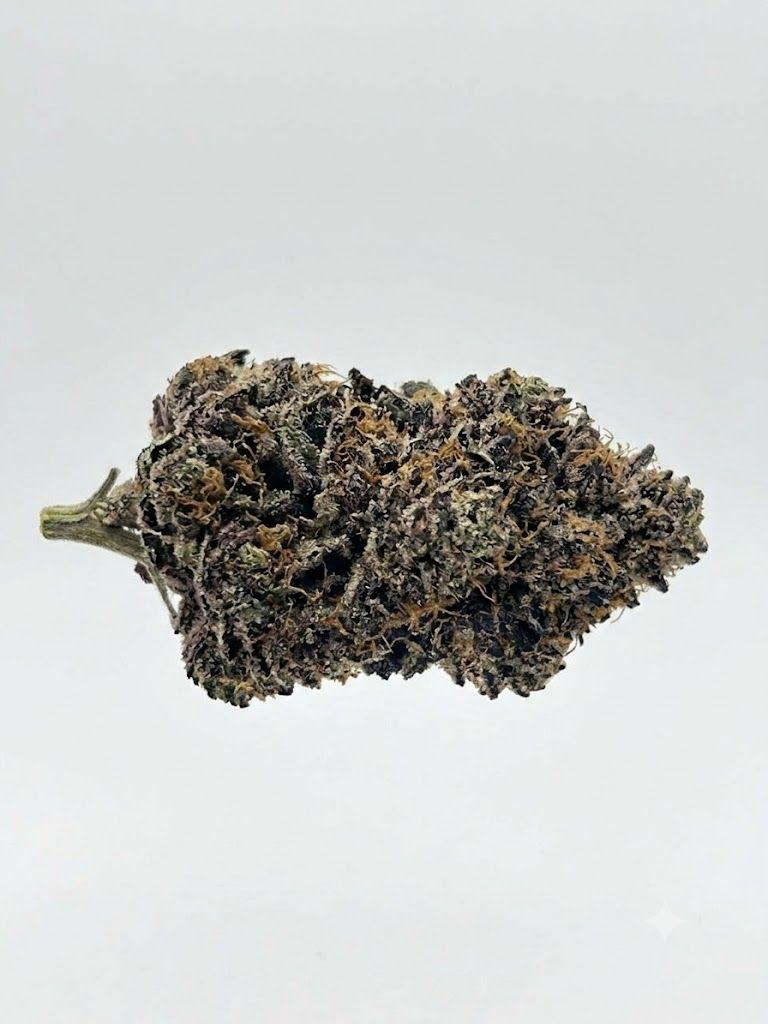
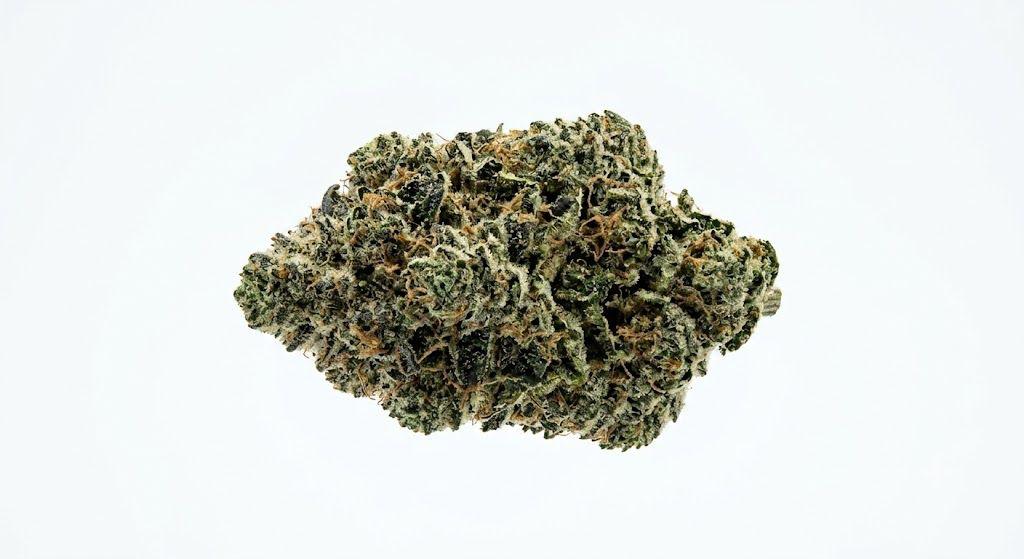
Open that bag and the good ones hit you right away with fat dense nugs that got trimmed tight no bullshit leaves hanging off. Youll see bright greens mixing with those deep purples and bright orange hairs that scream the plant finished right. Cheap stuff looks scraggly airy dried out with dull colors and stems everywhere like somebody rushed the harvest. We stick to the ones that pass the eye test first because looks dont lie they tell you the grower actually cared.
Smell separates the legit hybrids from the mids every single time. Top shelf ones explode with this layered punch sweet earthy fruity diesel notes tangled together depending on what the parents brought to the party. That comes from proper curing that locks the terps in so they dont fade. Weak ones just give you that flat grass or hay vibe or worse nothing at all. When the jar cracks open and the whole room gets that sticky pungent cloud you know they dried and cured it right keeping every bit of the cannabinoids and terpenes the hybrid is supposed to deliver.
Freshness aint optional. Squeeze a quality hybrid and it gives just a little spring before it breaks apart clean without crumbling into dust or feeling like a brick. Too dry kills the flavor too wet risks mold and nobody wants that headache. We bring in hybrids at their absolute peak so what the breeder planned is what you actually taste and feel. Same day Toronto and GTA runs mean it leaves our spot and hits your door fast still basically just harvested. Mail orders get packed tight to survive the trip without losing that edge.
Grading keeps the garbage out. We only touch AAA and AAAA hybrids that hit every mark on structure trichome coverage and how consistent the batch feels. Those nugs should look frosted up heavy with resin showing the genetics are firing on all cylinders. Anything less gets rejected because underdeveloped buds or sloppy curing just wastes your money and your high.
Packaging tells the rest of the tale. Decent suppliers use solid child resistant jars that block light and air so the flower stays fresh instead of drying out in some cheap bag. Labels should be straight up no mystery showing the strain name what it leans toward harvest info and the basic test results. We keep it simple no flashy crap just stuff that works and keeps every hybrid tasting right whether you grabbed a balanced one a sativa leaner or something indica heavy.
Put all that together superior bag appeal killer aroma real freshness strict grading and packaging that actually protects and you get hybrids that actually deliver every single time instead of disappointing. We hold every batch to those marks across the whole lineup so folks in Toronto the GTA or anywhere in Canada can order without second guessing. Local orders over $80 ($160 in the outer GTA) ship free same day cash or e transfer whatever works for you. Mail folks get free shipping once they hit one fifty. Bottom line you stop settling for mids when you grab from us.
Hybrid Strains Prices and Value in Canada
Yeah so these hybrid prices in Canada shake out on a pretty straightforward tier system where you get what you pay for but not always in the ways you expect. Value hybrids sit at the lower end yet still pack consistent effects and solid terpene profiles that handle daily use without making you question your choices. Perfect for the regular who just wants reliable relaxation or that even-keeled euphoria without torching the budget every time.
Premium hybrids cost more because the growers actually put in the work on genetics, curing, trimming, and picking the right phenotypes. You notice it immediately in the denser buds, the way the aroma builds, and how the smoke feels smoother with effects that layer instead of slamming you. The price jump comes from those extra steps, not some magical safety upgrade or insane potency spike that changes everything.
What we do at GasDank is make those tiers actually useful by curating both the everyday workhorse hybrids and the absolute top-shelf stuff so you pick exactly what your tolerance and the moment call for. Live pricing on the site stays current instead of those stale numbers that go bad in a week. Smart move if you hate overpaying when the market shifts.
Deals flip around constantly and they slash the price on popular hybrids enough to make even the premium ones feel like a steal. Hit that $80 mark ($160 in the outer GTA) for free same-day delivery across Toronto and the GTA or clear $150 for Canada-wide mail orders with no shipping hit. Stack a couple different hybrids in one go and suddenly the value per puff looks way better. Cash or Interac keeps it dead simple with zero sneaky fees.
Value tier hybrids often crush it for morning or afternoon sessions while the premium picks earn their keep during those proper evening wind-downs where every little flavour nuance actually registers. The real trick is matching what you need to the right level instead of always grabbing the priciest bag. A properly cured value hybrid can straight-up outperform a mediocre premium one especially when we only stock stuff that already clears our own quality bar. Regulars know to keep an eye on the deals page and fresh drops because those limited runs sometimes slide serious genetics into cheaper windows for a hot minute.
That mix of competitive starting prices, rotating promos, the free delivery brackets, and a genuinely wide inventory makes the whole thing click. Check the live numbers, stack what qualifies, and every dollar ends up pulling maximum hybrid weight without cutting corners on quality or how easy it feels. You chasing a particular hybrid right now or just seeing what's sitting at the best price today?
Best Hybrid Strains for Every Kind of User
Tuesday night rolls around and some guy in the GTA just hit checkout for his first hybrid eighth. He wants something that won’t wreck him but still feels like he actually smoked. That’s exactly where balanced hybrids shine. They hit with moderate potency, smooth onset, and enough clear lineage notes so you know what you’re getting. Flower structure stays tight and consistent too. GasDank keeps a tight list of these approachable picks that play nice with low tolerance. First-timers in Toronto or anywhere across the GTA grab them because the results stay predictable every single time.
Experienced heads chasing real power go for hybrids that lean hard on one dominant parent yet keep the smoothest traits from both sides. Cerebral rush meets solid physical pull and the whole thing lasts through a long evening or a rough day. GasDank stocks a sharp range of these higher-impact hybrids. Strength shows up quick but never turns harsh on the flavour or the burn. When timing matters most the same-day delivery gets that potent bag to your door in Toronto without the wait.
Budget users need hybrids that actually deliver on size. Dense buds, versatile effects, and prices that don’t sting. GasDank nails the volume-to-price ratio across the whole hybrid shelf. Orders over $80 ($160 in the outer GTA) ride free on local delivery so the math works in your favour. Regulars throughout the GTA and anyone doing Canada-wide mail orders over one hundred fifty dollars stretch their cash further while quality stays locked in. Cash or Interac keeps everything straightforward with zero surprise markups.
Flavour chasers hunt hybrids built on wild terpene mixes. Sweet turns fruity then earthy then spicy in the same bowl. These ones beg to be sipped slow, smoked, vaped, however you run your sessions. GasDank’s collection highlights the batches with loud distinct aromatics that punch even in small hits. Toronto flavour heads and everyone shipping farther out keep coming back because the taste memory sticks and the effects still land balanced.
Some folks need hybrids that stay quiet. Clean burn, low smell, easy to stash. GasDank carries several low-profile options perfect for shared houses or quick daytime hits. Subtle scent on exhale pairs with solid relief so you don’t draw attention. Same-day GTA delivery means you can grab them fast. Mail-order covers the rest of Canada for anyone who wants both privacy and quality in one bag.
New, seasoned, broke, picky about taste, or paranoid about smell. GasDank’s hybrid shelves cover every single one of those lanes. Same-day Toronto runs, free delivery thresholds, cash or Interac, discreet packaging that shows up exactly when promised. That’s the whole play.
Why GasDank Is the Best Place to Buy Hybrid Strains
Why is GasDank the best spot for hybrid strains?
Hybrids hit that sweet spot by mixing sativa head highs with indica body melts into one smooth ride. Plenty of folks in Toronto and the GTA grab them every day to unwind after a shift or keep things balanced without tipping too far one way. Picking where you buy those hybrids counts just as much as the strain though. GasDank nails it by rolling speed convenience selection and straight value into one package that skips the usual headaches.
Same-day delivery across Toronto and the whole Greater Toronto Area stands out first. Get your order in early and it lands that afternoon or evening. No more staring at the calendar waiting for mail-order stuff to crawl across the country or squeezing your schedule into dispensary hours. Hybrid fans who want fresh buds right now live for that quick turnaround. The selection stays tight too. GasDank rotates hybrids based on real grower cred and what actually smokes great instead of flooding the menu with filler. You score proven favorites and fresh crosses without wading through junk.
Value hits different here. Local runs turn free once you clear a modest mark and Canada-wide mail orders ship free past a bit more. Prices stay fair because there are no fancy store rents eating margins and regular deals keep regulars coming back. Cash or Interac works fine which cuts the nonsense some other spots push. Toronto and GTA get the fast lane while anyone farther out still pulls the exact same strains at the same rates with clear pricing up front. Nothing hidden.
Stack it against the other routes and the gaps show up fast. GasDank same-day hands you hybrids in hours with solid GTA reach free delivery over that threshold killer picks competitive tags and payment that actually fits real life. Pure mail-order outfits make you wait days ship fees sneak in on smaller carts lock down how you pay and forget about anything same-day. Dispensary runs mean trekking out during their weird hours settling for whatever sits on the shelf and rarely scoring the hybrid depth or steady deals you actually want.
GasDank just fits better when you need hybrid flower vape carts or edibles today not next week. Skip the drive the lineup and the weak stock. Grab from a menu that turns over with well-cured balanced stuff at prices that make sense with free delivery tiers and payments that match how you actually buy. Core Toronto suburbs of the GTA or way out in the sticks the mix of quickness selection value and dependability lands GasDank as the move for hybrids in Canada. What are you waiting on.
How to Order Hybrid Strains for Same-Day Delivery
Balancing a sativa kick that keeps your brain firing versus an indica pull that melts you into the couch. That’s the first decision every hybrid shopper faces before they even open the site. GasDank makes the rest dead simple: GTA folks get same-day, everyone else goes mail order. Head to gasdank.com, scroll the hybrids sorted into sativa-leaning, balanced, and indica-leaning. Every page spells out the aroma, flavour, and what the high usually feels like so you’re not rolling the dice.
Pick your strains, toss them in the cart, roll through checkout. Toronto and GTA folks click same-day delivery. Everyone else picks mail order. The same-day run covers Toronto, Mississauga, Brampton, Vaughan, Markham, Richmond Hill, Pickering, Ajax, Whitby, Oshawa and the immediate surroundings. Cutoff times are strict but when drivers are rolling those orders land in a few hours. Flower, vapes, edibles, concentrates, all fresh hybrids hitting your door before the sun drops.
Local totals update live. Orders over $80 ($160 in the outer GTA) trigger free same-day automatically. Dip under that line and a small fee shows up, no surprises. Mail-order side works the same on selection but rides secure tracked shipping. Free shipping kicks in above one hundred fifty. Bigger hybrid hauls save you money either way and everything stays crystal clear at checkout.
Pay how you like. GTA customers grab cash on delivery or hit Interac e-Transfer right at the cart. Mail folks finish with Interac before anything ships. No credit cards, no extra fees, privacy locked in. Age check hits every single time. Driver or courier needs to see government-issued photo ID that matches the name on the order. Nineteen plus only, done once at handover.
Whole thing takes minutes. Confirmation text or email lands fast, then live updates for GTA runs or shipping alerts for the rest of Canada. Hybrids restock quick so the really good balanced ones don’t ghost the menu for long. Sativa-dominant for daytime drive, true 50-50 for even keel, indica lean for night mode, the site lines it all up without the hassle.
Place the order and feel the difference. Local speed plus free delivery thresholds for GTA heads, same solid quality shipped nationwide for everybody else.
Hybrid, frequently asked questions
Q.What are hybrid strains in Canada?
Hybrid strains mix genetics from indica and sativa parents. They give you that sweet spot of chill and energy depending on the exact plant and its terps. Folks in Canada grab them because they work for pretty much any time of day without knocking you out or wiring you up too hard.
Q.How do I choose the right hybrid strain?
Think about what kind of buzz you want, how much you can handle, and when you plan to use it. Check the terpene profiles for smells and tastes you actually like. If you're lost just start with balanced ones. Stick to the real effect descriptions instead of hype. GasDank keeps a solid lineup with honest notes to make picking easier.
Q.What effects can I expect from hybrid cannabis?
You usually get a nice combo of clear head and relaxed body. Plenty of people feel more upbeat, creative, and a bit of body ease without getting glued to the couch. Every cultivar hits different though so start small and pay attention to how it lands for you personally.
Q.How should beginners dose hybrid strains?
New users should take one tiny puff or a 2.5mg edible then wait at least 30 minutes before going again. Even balanced hybrids affect everyone differently. Microdosing is the smartest way to figure out your tolerance. Do it somewhere comfy and never mix it with booze or other stuff.
Q.How can I tell if hybrid flower is high quality?
Good hybrid buds look well trimmed with bright color, plenty of trichomes, and they smell strong when you crack the jar. They burn smooth and leave almost no ash. Freshness is key. GasDank sticks to tight quality standards so every hybrid they carry looks, smells, and hits right.
Q.Are hybrid strains good value in Canada?
Hybrids usually give you great bang for your buck since their balanced effects fit all sorts of situations. The price should match the grow quality, freshness, and genetics more than just the THC number. GasDank keeps prices fair, runs deals often, and throws in free delivery once you hit certain amounts so your money stretches further.
Q.Is GasDank the best place to buy hybrid strains?
GasDank really shines with its handpicked hybrid menu, same-day delivery around Toronto and the GTA, plus mail order that reaches everywhere in Canada. Free local delivery over 80 bucks and free shipping over 150, cash or Interac, it all adds up to the convenience and selection regulars keep coming back for.
Q.How fast is hybrid strain delivery from GasDank?
Order early enough in Toronto or the GTA and you can get same-day delivery on those hybrids. Coverage is wide and the timing is reliable. Outside the GTA the secure mail order usually lands in a few business days. Those free delivery minimums make grabbing bigger hybrid hauls way more worth it.
Q.Is it legal to buy hybrid cannabis in Canada?
Cannabis, hybrids included, has been legal across Canada since 2018, with Ontario setting the age at 19. We keep GasDank strictly adult-only: government ID gets checked on every first order. And every hybrid batch has to pass our own smell, cure and burn standards before it touches the menu.
Q.What hybrids should beginners try first?
Most newbies do best with milder balanced hybrids that arent too strong and taste nice. Look for ones labeled functional or versatile instead of the heavy hitters. Grab small amounts at first to see how you react. GasDank lays out clear descriptions and carries tons of options so its easier for beginners to land on something approachable.
Q.How should I store hybrid cannabis properly?
Keep your hybrids in airtight glass jars, away from light, heat, and moisture. A cool dark spot is perfect. That way the terps, strength, and taste stay solid for months. Skip long-term plastic bags because they mess with quality. Hybrids from GasDank hold their smell and effects way longer when stored right.
Q.What is the strongest hybrid option available?
Strength changes with every batch and strain. People chasing heavier effects usually pick hybrids that lean indica or sativa depending on what theyre after. Forget hunting pure max potency and chase the overall profile that actually fits you. GasDank stocks a bunch of hybrids so you can pick by the experience you want instead of just the numbers.