Same-day weed delivery · 1 to 2 hours across the GTAFree delivery over $80 in core areasCash or Interac e-Transfer19+ ID verifiedCustomer service 8AM to 2AM ESTCanada-wide mail order · free shipping over $150Same-day weed delivery · 1 to 2 hours across the GTAFree delivery over $80 in core areasCash or Interac e-Transfer19+ ID verifiedCustomer service 8AM to 2AM ESTCanada-wide mail order · free shipping over $150
GasDank
Delivery

Desert Cannabis Strains: Hardy Weed Built for Heat

By GasDank Team

Desert Cannabis Strains: Hardy, Heat Loving Weed

What Makes a Strain a Desert Strain

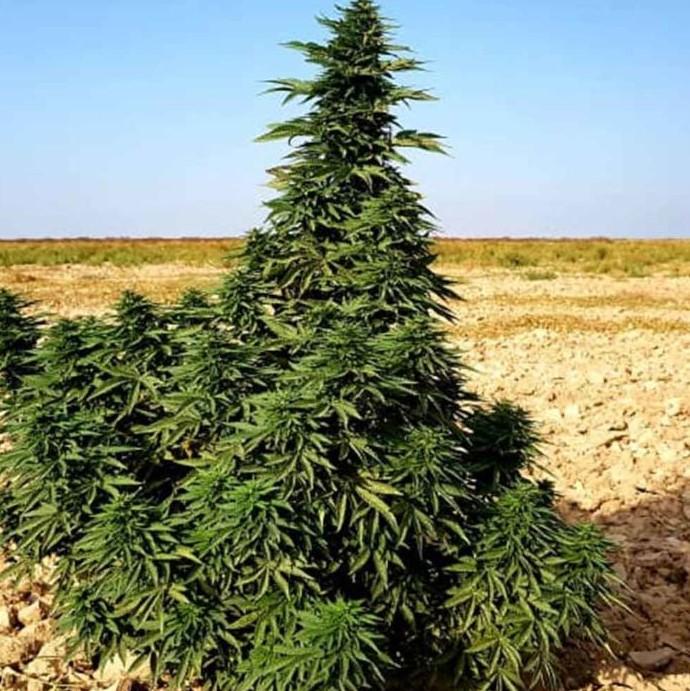
Desert cannabis strains are varieties that handle hot, dry, harsh growing conditions far better than most. They are built, either by nature or by careful breeding, to survive intense sun, big temperature swings between day and night, and very little moisture. Where a delicate, humidity loving strain would wilt, these plants keep going and still produce quality flower.

A lot of this toughness comes from genetics. Many of the hardiest strains trace back to landraces, the original wild and locally adapted cannabis varieties that grew for generations in specific hot, arid regions before modern breeding existed. Those plants adapted to their environment over a very long time, through many generations of growing in the same harsh conditions, and that hard won resilience carries through to their descendants today even when they are grown somewhere mild.

So when people talk about desert strains, they usually mean two overlapping things. Strains that genuinely grow well in hot, dry climates, and strains that originated in such regions and carry that heat hardy, sun loving character in their lineage. Either way, the common thread is resilience, a tolerance for heat and dryness that softer, more pampered strains simply do not have in their genetics.

Why Some Cannabis Handles Heat Better

Plants adapt to where they grow, and cannabis is no exception. Varieties that developed in hot, dry regions evolved traits that help them cope, like efficient water use, structures that resist heat stress, and a tolerance for strong sunlight that would scorch a more delicate plant. These adaptations are baked into the genetics over many generations.

Resin production is one of the most interesting adaptations. In intense sun, many plants ramp up trichome production partly as a protective response, since that sticky resin helps shield the flower from harsh light and dryness. The happy side effect for smokers is that heat adapted strains are often beautifully frosty and rich in the compounds people want, which is a rare case of a survival trait lining up perfectly with what makes good bud.

Structure matters too. Many heat tolerant strains have a more open, airy bud structure that resists problems in dry heat, and sturdy stems and leaves that hold up to wind and sun. These physical traits, combined with efficient water use and a tolerance for big swings between hot days and cool nights, are what let these plants thrive in conditions that would stress or kill a humidity loving variety bred for a greenhouse.

The Role of Landrace Genetics

Landraces are the foundation of most desert hardy cannabis. These are the original, locally adapted varieties that grew in specific regions for generations, shaped entirely by their environment rather than by deliberate breeding. Landraces from hot, dry parts of the world carry exactly the traits that make a strain handle desert conditions well.

Because they adapted to harsh climates over a long time, these landraces are tough, resilient, and often vigorous growers. They learned to deal with heat, drought, and strong sun the hard way, and that hardiness is one of the most valuable things they pass on to the modern hybrids bred from them. A lot of famous strains owe their resilience, and a good part of their flavour, to landrace ancestors that grew wild in hot regions long before anyone was breeding cannabis on purpose.

Preserving landrace genetics matters for this reason. They are a reservoir of natural resilience and unique flavours that breeders draw on to create new strains suited to difficult conditions. When you smoke a hardy, heat loving variety, there is a good chance a landrace from a hot region is somewhere in its family tree giving it that toughness, even if the modern name on the jar gives no hint of it at all.

Acapulco Gold

Acapulco Gold is one of the most famous strains with roots in a hot region, originally from the area around Acapulco, Mexico. It is a classic sativa landrace that grew in warm, sunny conditions, and it became legendary decades ago for its quality, its golden hued buds, and its uplifting, energetic high that fans still chase today.

As a strain shaped by a warm climate, Acapulco Gold carries the hardy, sun loving character you would expect. It is a vigorous grower that handles heat well, with the kind of resilience that comes from landrace origins. That toughness is part of why it endured and spread far beyond its homeland to become a recognised name worldwide.

The flavour leans earthy and sweet with a warm, toasty character, and the effect is bright and cerebral, a true classic sativa experience. For anyone interested in strains with genuine heritage in hot regions, Acapulco Gold is a cornerstone, a piece of cannabis history that still holds up as an enjoyable, energetic smoke today and remains a benchmark that other sativas get measured against.

Durban Poison

Durban Poison is a pure sativa landrace from the area around Durban, South Africa, a region with a warm, sunny climate. It is one of the most well known landrace strains in the world, prized for its clean, energetic high and its distinctive sweet, anise like, almost liquorice flavour that sets it apart from most other strains.

Like other landraces from warm regions, Durban Poison is hardy and adapts well to heat and strong sun. It is known as a vigorous, resilient grower, which is part of why it has been used so widely in breeding. Its toughness and its unique terpene profile make it a valuable parent, and it shows up in the lineage of many modern hybrids.

The high is famously clear, uplifting, and functional, the kind of daytime sativa effect that keeps you energetic and focused rather than couch bound. Combined with that signature sweet, spicy flavour and its genuine landrace heritage, Durban Poison is a standout among strains with roots in hot, sunny parts of the world, and it is one of the easiest landraces to recommend to someone who has never tried a pure sativa before.

Other Hardy Sativa Landraces

Beyond Acapulco Gold and Durban Poison, there are other landrace sativas from hot regions worth knowing. Strains tracing back to parts of Africa, Mexico, and other warm, sunny areas tend to share that heat hardy, vigorous character, along with the energetic, cerebral highs that pure sativas are famous for among experienced smokers.

These landraces often have tall, lanky structures suited to long, warm growing seasons, and they can take a while to finish, since they evolved in climates with plenty of sun and time. That makes some of them a challenge to grow outside their native conditions, but it also means they carry serious resilience to heat and dryness.

For collectors and enthusiasts, these heat loving landraces are fascinating both for their toughness and for their distinctive flavours and effects. They are living pieces of cannabis history, and many of the resilient, sun loving traits in modern strains can be traced directly back to varieties like these that grew in warm parts of the world.

How Desert Conditions Shape Flavour

Growing conditions leave their mark on a plant, and hot, dry climates often push strains toward bold, concentrated flavours. The stress of intense sun and limited water can encourage strong terpene production, which is part of why many heat adapted strains have such pronounced, characterful aromas rather than mild, muted ones.

Earthy, spicy, and sometimes sweet or incense like notes are common among strains with desert or warm region roots. Durban Poison's sweet, anise character and Acapulco Gold's warm, toasty sweetness are good examples of distinctive flavours shaped by their origins. The environment helped create terpene profiles you do not find everywhere.

This connection between climate and flavour is part of what makes landrace and heat hardy strains so interesting. They taste like the places they came from, in a sense, carrying terpene profiles forged by generations of growing in specific conditions. That heritage flavour is a big part of their appeal for people who appreciate cannabis history, and it is something modern, mass bred strains often lack in comparison.

Resin and Trichomes in the Heat

One of the upsides of heat adapted genetics is resin. As mentioned, intense sun can push plants to produce more trichomes as a protective response, and many strains with hot region roots are notably frosty as a result. That heavy resin coverage is exactly what concentrate makers and flavour seekers want from a plant.

Frosty, resinous flower tends to be both potent and flavourful, since the trichomes hold the active compounds and the terpenes. So the same adaptation that helps these plants survive harsh sun also tends to make them desirable to smoke. It is a nice overlap between survival traits and the qualities people actually look for in good bud.

This is also why some heat hardy strains make excellent material for extracts. A naturally resinous plant yields well and carries strong flavour through to the concentrate. The desert survival strategy of piling on trichomes turns out to be a gift for anyone who appreciates frosty flower or wants to turn it into rosin or other extracts.

Growing Heat Tolerant Strains

For anyone growing in a hot, dry climate, heat tolerant strains are the obvious choice, since they handle conditions that would stress softer varieties. Their resilience to sun and their efficient water use make them better suited to high temperatures, and they are less likely to suffer the heat stress that can ruin a more delicate plant.

That said, even hardy strains have limits and still need sensible care. Adequate water, some protection during the most extreme heat, and attention to the plant's needs all help it thrive rather than just survive. Heat tolerance means these strains cope better, not that they are indestructible or can be left entirely to fend for themselves.

Many growers in warm regions also favour the open, airy bud structure of heat adapted strains because it resists certain problems in dry conditions. Pairing the right resilient genetics with good growing practices gives the best results, letting these tough plants do what they do best in the kind of climate they were built for.

Desert Strains for the Smoker, Not Just the Grower

You do not need to be a grower to appreciate heat hardy strains, since many of them are simply excellent to smoke. The landrace sativas in particular, like Durban Poison and Acapulco Gold, offer clean, energetic, uplifting highs that are perfect for daytime use, along with distinctive flavours you will not find in every strain on the shelf.

These strains tend to suit people who want a functional, cerebral effect rather than a heavy, sedating one. The bright, clear headed highs of warm region sativas are great for staying active, social, and focused, which makes them a good change of pace from the heavy indicas that dominate a lot of menus these days.

So even setting aside their growing resilience, heat hardy and landrace strains earn a place in a smoker's rotation on flavour and effect alone. They bring genuine variety and a bit of history to your stash, and the energetic, uplifting character of the sativas is a welcome contrast to the sedating end of the spectrum that so many menus lean on these days.

Modern Hybrids With Desert Roots

Plenty of modern hybrids carry heat hardy landrace genetics somewhere in their lineage, even if it is not obvious from the name. Breeders have long used resilient landraces from warm regions to add vigour, unique flavours, and energetic effects to new crosses, so that desert heritage lives on in strains you might not immediately connect to it.

Durban Poison is a great example of a landrace that shows up widely in modern breeding, lending its energetic effect and distinctive flavour to a number of well known hybrids. When you enjoy a bright, uplifting hybrid with a clear headed high, there is a decent chance a heat loving landrace contributed to that character in its background.

This is part of why preserving and using landrace genetics matters so much. They are the source of traits that breeders keep coming back to, and they enrich the whole catalogue. The toughness and flavour of strains adapted to hot regions ripple outward through countless modern hybrids that owe them more than most smokers realise.

Common Misconceptions

One misconception is that desert strains are a single, official category, like indica or sativa. They are not. It is more of a loose, descriptive grouping for strains that handle heat and dryness well or that come from hot regions. There is no strict definition, so the term is best understood as a useful shorthand rather than a formal class.

Another is that heat hardy automatically means low quality, as if toughness comes at the cost of potency or flavour. The opposite is often true. Many of these strains are prized exactly for their resin, their distinctive flavours, and their energetic highs. Resilience and quality go hand in hand more often than people assume with these varieties.

A third misconception is that these strains are only relevant to growers in hot climates. In reality, many of them, especially the landrace sativas, are widely enjoyed for their effects and flavours regardless of where they were grown. Their appeal as a smoke stands entirely on its own, separate from their growing resilience.

Storing Heat Loving Strains at Home

Ironically, while these strains are built to survive heat as living plants, the dried, cured flower needs the same careful storage as any other bud. Keep it in an airtight glass jar somewhere cool, dark, and dry, since heat and light degrade the terpenes and THC in harvested flower no matter how tough the plant was in the ground.

The distinctive flavours that make landrace and heat hardy strains special, like that sweet anise of Durban Poison, are exactly what you want to protect in storage. A sealed jar kept away from warmth and sunlight preserves those terpenes far better than a plastic baggie in a warm drawer, which lets the aroma fade and the bud dry out.

So treat the cured flower gently even though the plant was a survivor. Good storage keeps these strains tasting and hitting the way they should for months. The resilience that helped them grow in harsh conditions does not extend to the dried bud, which deserves the same cool, dark, airtight care as any quality cannabis.

Who These Strains Suit Best

Heat hardy and landrace strains, especially the sativas, suit smokers who want bright, energetic, daytime effects rather than heavy sedation. If you like a clear headed, uplifting high that keeps you active, social, and focused, varieties like Durban Poison and Acapulco Gold are right up your alley and bring real character to the table.

They also appeal to anyone interested in cannabis history and genetics, since these strains are living links to the original landraces that shaped the modern catalogue. Smoking them is a way to experience the roots of so many hybrids, with flavours and effects that carry generations of adaptation to hot, sunny regions behind them.

Who might want something else? Anyone chasing a heavy, sedating body high for sleep would be better served by a strong indica, since these heat loving sativas lean energetic and cerebral. But for daytime use, variety, and a taste of cannabis heritage, hardy warm region strains are a genuinely rewarding part of any rotation.

How They Compare to Modern Indoor Strains

Most of what fills dispensary shelves today is bred for indoor growing, with tight, dense, frosty buds and big THC numbers as the main goals. Heat hardy landraces are a different animal. They were shaped by survival outdoors in tough conditions, so they tend to grow taller and lankier with a more open structure, which is a trade for their resilience.

The effects differ too. A lot of modern hybrids lean toward balanced or indica heavy highs, while the classic warm region sativas are famous for clean, racy, energetic effects that keep you moving. If your shelf is full of heavy, relaxing strains, a true sativa landrace can feel like a completely different and refreshing kind of high.

Neither is simply better, they just serve different purposes. Modern indoor strains are bred for consistency, yield, and potency in controlled conditions, while heat hardy landraces bring heritage, resilience, and distinctive, energetic character. Keeping a few of each in your rotation gives you range, from heavy evening relaxation to bright, functional daytime use.

Finding Hardy and Landrace Strains in Toronto

GasDank carries a rotating selection of sativas and landrace influenced strains, including classics with roots in warm regions, delivered same day across Toronto and the GTA, usually within one to two hours of your order. So if you want to try an energetic, heritage strain, you can have it in hand without much of a wait at all.

The details are simple. The order minimum starts at $40, delivery is free once you spend $80, and payment is cash or Interac e-Transfer when the driver arrives. You must be 19 or older and ID gets checked at the door. If you happen to be outside the core delivery zone, reach out and our team will let you know what is possible.

If you are curious about landrace sativas or hardy, energetic strains in particular, our team can point you toward what is in stock and suited to a bright, daytime high. Check the menu for current options and ask if you want a recommendation for something with genuine heritage and an uplifting, clear headed effect.

Desert Cannabis Strains: Hardy, Heat Loving Weed, FAQ

Q.What are desert cannabis strains?

They are hardy, heat tolerant varieties that thrive in hot, dry conditions, or strains that originated in warm regions and carry that resilience. The term is a loose, descriptive grouping rather than an official category like indica or sativa.

Q.Which strains come from hot regions?

Classic landrace sativas like Acapulco Gold from Mexico and Durban Poison from South Africa are well known examples. Both adapted to warm, sunny climates and carry hardy, energetic, sun loving characteristics in their genetics.

Q.Are heat hardy strains good to smoke?

Often very good. Many are prized for heavy resin, distinctive flavours, and bright, energetic highs. Heat tolerance does not mean low quality. Landrace sativas in particular are popular for clean, uplifting daytime effects.

Q.Do desert strains make good concentrates?

Many do. Intense sun pushes some strains to produce more trichomes as protection, so heat adapted varieties are often frosty and resinous, which yields well and carries strong flavour through to extracts like rosin.

Q.Can I get these strains delivered in the GTA?

Yes. GasDank delivers a rotating selection of sativas and landrace influenced strains same day across Toronto and the GTA, usually within one to two hours. The minimum starts at $40, free over $80, cash or Interac e-Transfer, 19 and over.

Related