What Organic Cannabis Actually Means
Organic cannabis, at its core, is weed grown the natural way, without synthetic pesticides, chemical fertilizers, or artificial growth additives. Rather than feeding the plant a precise diet of manufactured nutrient salts, an organic grower builds healthy, living soil full of beneficial microbes, compost, and natural inputs, then lets that ecosystem feed the plant the way nature does. The idea is to grow great soil and let the soil grow great cannabis.
It helps to be clear that there is no single, strictly enforced legal definition of organic cannabis the way there is for organic food in many places. Because of how cannabis is regulated, the official organic certifications that apply to produce do not always map neatly onto weed. That means the word organic gets used loosely on the market, so understanding what genuinely goes into a clean, natural grow matters more than any label on a jar.
This guide covers both halves of the topic, the real benefits of growing cannabis this way and the practical steps involved in doing it yourself. Whether you are choosing flower at a shop or thinking about growing a plant or two at home, knowing how organic cultivation works will help you understand what you are smoking and why so many people feel the extra effort is worth it in the end.
The Benefits at a Glance
The benefits people talk about with organic cannabis tend to cluster into a few areas. The first is flavour and aroma, with many experienced smokers reporting that organically grown flower carries a fuller, more nuanced terpene profile and a cleaner overall taste. The second is the smoke itself, which fans describe as smoother and easier on the throat compared to flower pushed hard with synthetic salts.
The third area is environmental. Growing in living soil with natural inputs avoids the runoff and chemical load that comes with heavy synthetic fertilizers and sprays, and it tends to build soil health over time rather than depleting it. For growers who care about their footprint, that gentler relationship with the land and water is a meaningful reason to choose the organic path even before you get to flavour.
It is worth keeping expectations honest, though. Not all of these benefits are settled science, and a skilled grower using synthetic methods can still produce excellent flower. The organic advantage is real for many people, especially on flavour and smoothness, but it is best understood as a philosophy and a method that tends to produce clean, characterful results rather than a guaranteed upgrade in every single jar.
Why Living Soil Is the Foundation
Living soil is the heart of most organic cannabis growing, and it is exactly what it sounds like, soil that is alive with a whole community of organisms. Bacteria, fungi, earthworms, and countless microbes work together to break down organic matter into nutrients the plant can absorb. Instead of spoon feeding the plant a liquid diet, the grower nurtures this underground ecosystem and lets it do the feeding naturally and steadily.
This approach mirrors how cannabis grows in the wild, where nobody is mixing up nutrient solutions. The plant develops a relationship with the soil life around its roots, and that partnership tends to produce robust, healthy plants. Many growers feel that living soil brings out the fullest expression of a strain, since the plant receives a broad, balanced diet rather than a narrow chemical one tuned purely for size and yield.
Building living soil takes some knowledge and patience, which is part of why truly organic flower can cost a little more. The grower has to understand the biology and feed the soil with compost, worm castings, and natural amendments rather than just topping up a reservoir. The payoff, according to fans, is flower with deeper flavour and a cleaner character, grown in a way that improves the soil over the seasons.
Getting Started: Soil and Containers
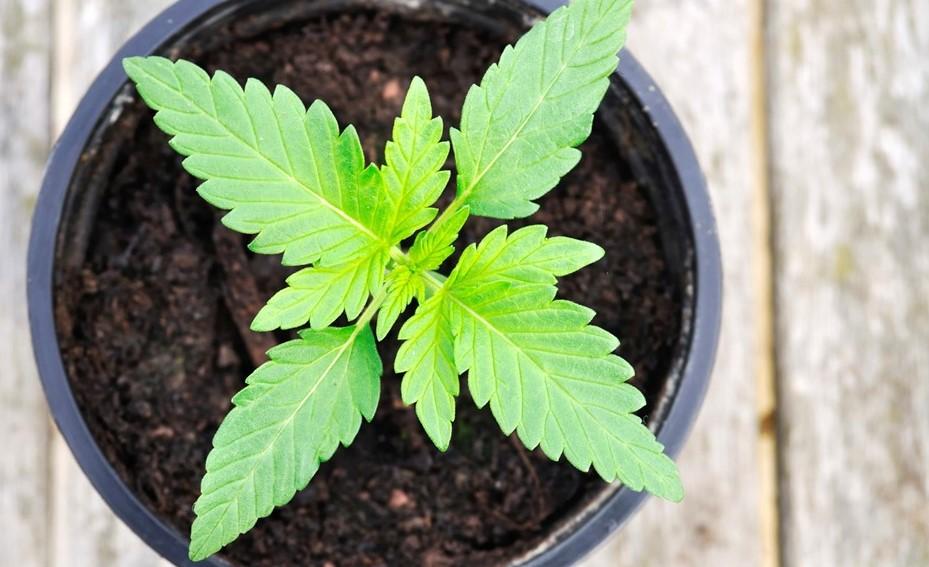
If you want to grow organic cannabis yourself, the first decision is your soil. You can buy a quality pre made living soil mix, which is the easiest route for a first grow, or build your own by combining a good base soil with compost, worm castings, and amendments. Either way, the goal is a rich, well draining medium full of organic matter that microbes can feed on and turn into plant food.
Container choice matters more than beginners expect. Fabric pots are popular with organic growers because they let air reach the roots and drain well, which keeps the soil healthy and prevents the waterlogging that harms beneficial microbes. Bigger containers also hold more soil, which means a larger reserve of nutrients and a more stable ecosystem, so going generous on pot size tends to pay off over the grow.
Before you plant anything, it is worth letting a freshly mixed living soil sit and cook for a few weeks so the microbial life establishes and the amendments start breaking down. This step rewards patience, since planting into soil that is already alive and active gives your seedling a much better start. Rushing it is one of the most common early mistakes that new organic growers make.
Feeding the Soil, Not the Plant
The mental shift that defines organic growing is simple to say and important to absorb. You are feeding the soil, not the plant directly. In a synthetic grow you dial in exactly what the plant gets through the water, but in an organic grow you keep the soil ecosystem healthy and trust the microbes to convert organic matter into the steady stream of nutrients the plant needs as it grows.
In practice that means top dressing the soil with amendments like compost, worm castings, kelp meal, or other natural inputs at the right stages, and keeping the microbial life thriving. Many organic growers also brew compost teas, which are oxygenated mixes that multiply beneficial microbes and get poured into the soil to keep the ecosystem active. The plant draws what it needs from this living, self regulating system.
One of the quiet advantages of this approach is that it is more forgiving of small mistakes. Because the soil buffers and releases nutrients gradually, it is much harder to burn a plant with too strong a feed than it is in a synthetic system where a mistake in the reservoir hits the roots immediately. A healthy living soil tends to keep the plant on an even keel through the grow.
Natural Pest Management
Avoiding synthetic chemical sprays is a core part of organic growing, so pest management relies on prevention and natural tools instead. The first line of defence is a healthy plant in a healthy environment, since strong plants resist pests better, but growers also lean on beneficial insects, neem based products, and other natural deterrents to keep problems in check without reaching for harsh chemicals.
Prevention beats treatment every time, so good airflow, sensible spacing, clean tools, and careful watering go a long way toward keeping pests and mold from taking hold in the first place. Many organic growers introduce beneficial bugs that prey on common pests, letting nature handle the problem the way it would outdoors. Regular, close inspection of your plants helps you catch any issue early while it is still small and manageable.
The reward for this extra vigilance is flower with no chemical pesticide residue, which is a big part of the clean appeal of organic cannabis. It does take more attention than simply spraying a problem away, but many growers find the hands on, observational approach genuinely satisfying, and the end product is flower they feel fully comfortable smoking because they know exactly what did and did not go onto it.
Light, Water, and Environment
Organic methods apply to how you feed and protect the plant, but the basics of light, water, and climate still matter just as much. Whether you grow under the sun outdoors or under lights inside, the plant needs plenty of good light to thrive, so giving it strong, consistent lighting is fundamental regardless of whether the grow is organic or conventional in its feeding approach.
Watering is an area where organic growers benefit from being careful. Using clean, unchlorinated water protects the soil microbes that chlorine can harm, so many growers let tap water sit out or filter it before use. Watering thoroughly but not constantly, and letting the soil dry appropriately between waterings, keeps the roots healthy and the microbial life happy rather than drowned and starved of air.
Temperature and humidity round out the picture. Cannabis does best in a comfortable, stable climate, and big swings stress the plant and invite mold and pests. Good airflow helps manage humidity and keeps the canopy healthy. Get the environment right and the living soil can do its job, since a stressed plant in a poor climate will struggle no matter how rich and alive the soil beneath it is.
Harvest and Curing the Organic Way
All the care you put into an organic grow can be made or broken at harvest and cure, so this stage deserves real attention. Harvesting at the right time, when the trichomes have reached the cloudy, partly amber look that signals ripeness, lets you capture the strain at its peak. Cutting too early or too late changes both the potency and the flavour you worked so hard to develop.
After harvest, a slow, careful dry in a cool, dark space with good airflow protects the delicate terpenes that carry all that flavour and aroma. Drying too fast or too hot strips out the very compounds that make organically grown flower taste so clean and rich, undoing a lot of the work. Patience here is just as important as patience in the soil earlier on.
Curing in glass jars after the dry is what turns good flower into great flower. Burping the jars to release moisture over a couple of weeks smooths out the smoke, deepens the flavour, and brings out the full character the living soil helped create. A proper cure is the final reward for the organic approach, and skipping it wastes much of the effort that came before.
Cleaner Flavour and a Smoother Smoke
One of the most talked about benefits of organic cannabis is flavour, and it comes back to terpenes, the aromatic compounds that give each strain its smell and taste. Many people who smoke a lot swear that organically grown flower carries a fuller, more nuanced terpene profile, with brighter, truer flavours than the same strain grown with heavy synthetic feeding pushed for maximum yield.
The reasoning is that a plant getting a broad, natural diet from living soil can express its full genetic potential, including the subtle aromatic notes that make a strain distinctive. There is also the matter of what is not there, since flower grown without chemical sprays and salts has nothing extra to mask or muddy the natural taste. Many describe organic cannabis as simply tasting cleaner and more honest.
The smoothness is the other half of this. Fans often report that organically grown, well flushed flower burns cleaner and is easier on the throat, producing a clean white or grey ash. Whether or not every claim here is fully settled by research, plenty of experienced palates notice a real difference, and for flavour focused smokers that clean, smooth character is a strong argument for the organic path.
Better for the Environment
Beyond the jar, organic growing has a gentler relationship with the land. Avoiding synthetic fertilizers and chemical pesticides reduces the runoff that can pollute waterways and harm local ecosystems. Living soil methods also build soil health over time, locking in organic matter and supporting the microbial life that keeps land productive rather than stripping it down season after season.
Composting and recycling organic matter back into the soil close the loop in a way that synthetic, input heavy growing does not. Many organic growers reuse and amend their living soil for years rather than discarding it, which cuts waste and keeps building a richer growing medium. That regenerative mindset is a meaningful part of why environmentally minded people gravitate toward organic cannabis in the first place.
None of this means organic growing has zero footprint, since any cultivation uses resources, especially indoor grows under lights. But within the choices a grower can make, the organic approach is among the kinder ones to the surrounding environment. For people who want their cannabis to align with broader values about sustainability, that gentler footprint adds real weight to the decision.
Common Mistakes New Organic Growers Make
The most common early mistake is impatience, especially rushing to plant into freshly mixed soil before the microbial life has established. Living soil needs time to come alive, and planting too soon means the ecosystem is not ready to feed the plant properly. Giving the soil a few weeks to settle and activate first sets up a far healthier grow from the very beginning.
Overdoing the amendments is another frequent error. Because organic inputs feel gentle and natural, beginners sometimes pile them on, throwing the soil out of balance and stressing the plant. Less is often more in a living soil system, since a balanced soil with active microbes already provides what the plant needs. Adding too much can do more harm than leaving the ecosystem to work on its own.
The last big one is neglecting the basics while focusing on the organic details. A grower can have perfect living soil and still fail by ignoring light, water quality, climate, or the cure. Organic methods are one important piece of the puzzle, not a substitute for solid fundamentals, so the best results come from pairing a healthy soil approach with good all round growing habits.
Is Growing Organic Worth the Effort
For a lot of home growers, the honest answer is yes, with some caveats. Organic growing takes more knowledge, patience, and attention than a simple synthetic setup, and the first attempt comes with a learning curve. But many people find the process genuinely rewarding, and they value knowing exactly what went into their flower, with no synthetic chemicals or mystery inputs involved at any stage.
The payoff in the jar is what keeps organic growers committed. The flavour, the smoothness, and the satisfaction of a clean, naturally grown product feel worth the extra work to those who care about quality over sheer quantity. It is less about chasing the biggest possible yield and more about producing flower with real character that reflects the strain and the care put into it.
If you are deciding whether to try it, a good middle path is to start small, learn the living soil approach on a plant or two, and see how you find both the process and the result. Plenty of people who start that way never go back to synthetic methods, because once you have grown and smoked your own clean, organic flower, the difference and the satisfaction tend to speak for themselves.
Choosing Clean Flower When You Buy
Not everyone wants to grow, and that is fine, since you can still seek out clean, naturally grown cannabis when you shop. Because the organic label is used loosely in this market, the smart approach is to ask questions and judge the flower itself rather than relying on the word alone. A good source will be able to tell you something about how their flower was grown and handled.
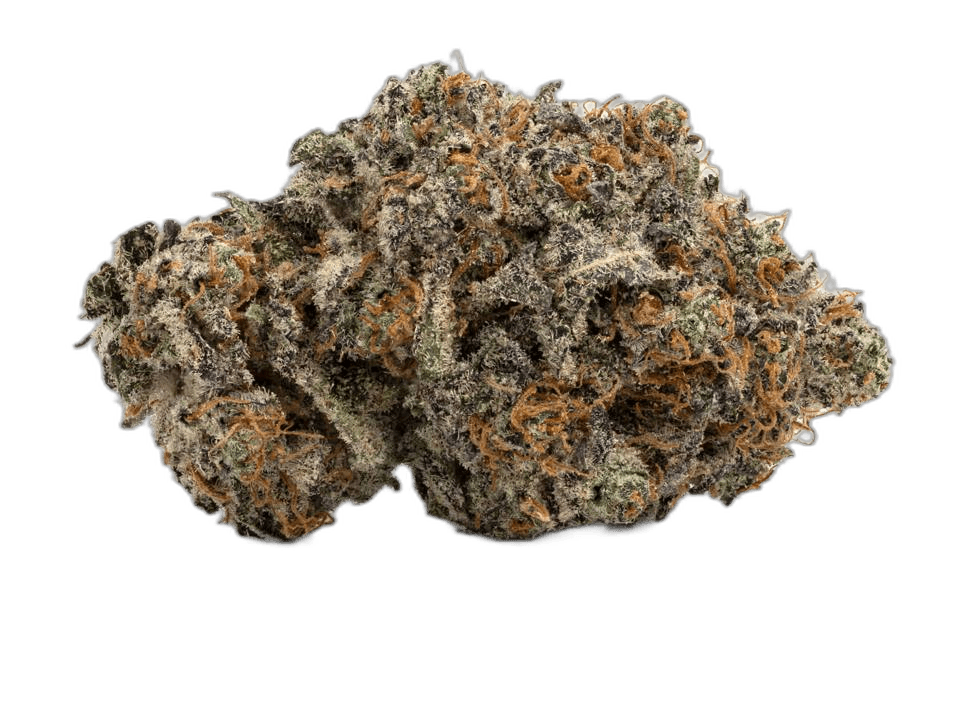
When assessing flower in person, the signs of quality carry across whether it is strictly organic or simply well grown. Look for fresh, well cured buds with a strong, true to type aroma, a good frost of trichomes, a proper sticky texture, and clean handling. Flower that smells rich and tastes clean and smokes smooth with clean ash is showing you the same qualities that good organic growing aims for.
The bottom line is that clean growing and careful curing matter more than any single buzzword. Whether you grow your own organic plant or buy from a source you trust, the goal is the same, flower that is grown carefully, free of unnecessary chemicals, and treated well from seed to jar. That is what delivers the clean flavour and smooth smoke that make the whole organic philosophy worthwhile.
Getting Quality Flower in Toronto
If growing your own is not for you, or you simply want something to smoke while your plants finish, sourcing carefully grown, well cured flower is the next best thing. GasDank focuses on quality flower that is stored properly, so what reaches you actually smells, tastes, and smokes the way good cannabis should. Our budtenders can talk you through how a current batch was handled and how it is landing.
Getting it is simple. We deliver same day across Toronto and the GTA, usually within one to two hours, so you are not left waiting. For anyone outside the local zone, we also ship Canada wide by mail order, packaged discreetly and securely, so quality flower is within reach wherever you happen to be in the country, whether you grow at home or not.
The details are straightforward. The minimum order is $40, delivery is free once you spend $80, and we take cash or Interac e-Transfer. You just need to be 19 or older. Whether you are a home grower curious about clean flower or just want something tasty and smooth to enjoy, we are happy to help you find it and get it to your door fast.